
Jesse, Paul Weimer, Bryan Alexander, and Terence Blake discuss The Hopkins Manuscript by R.C. Sherriff
Talked about on today’s show:
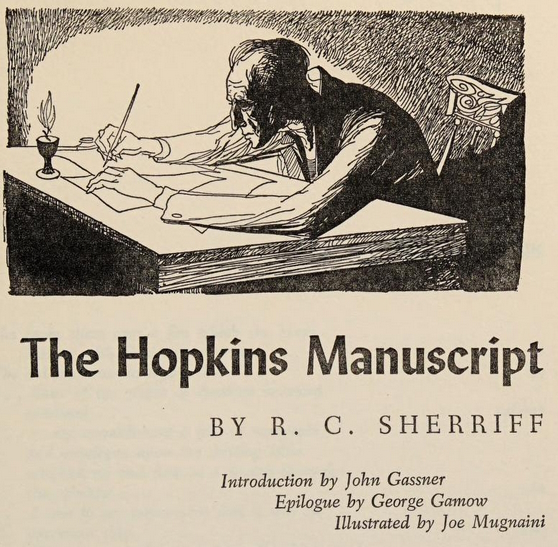
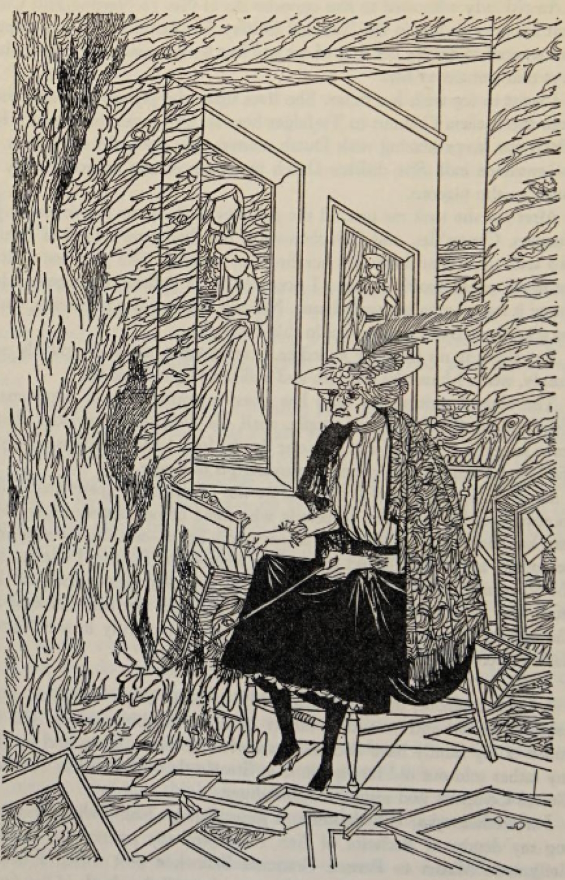
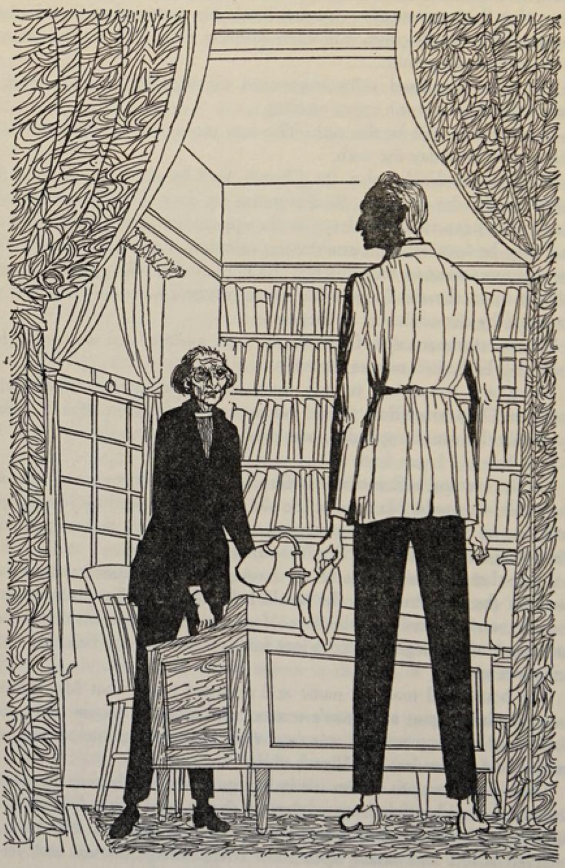
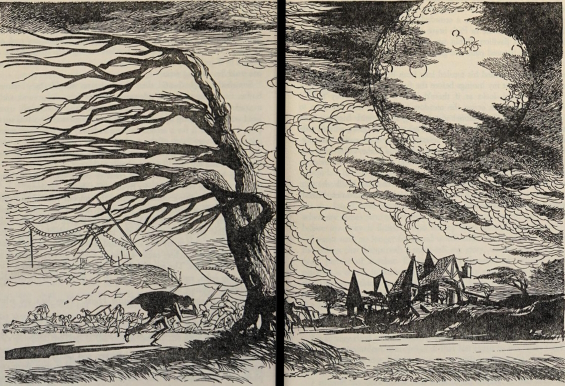
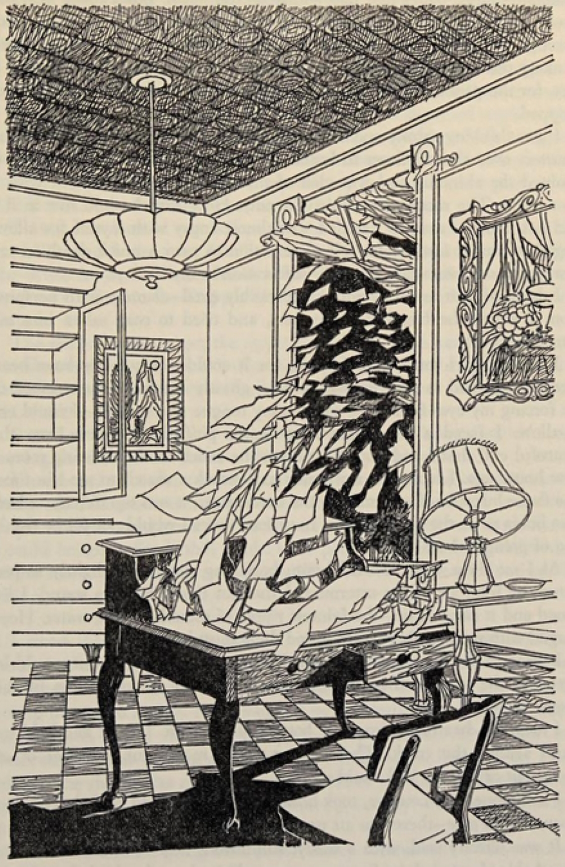
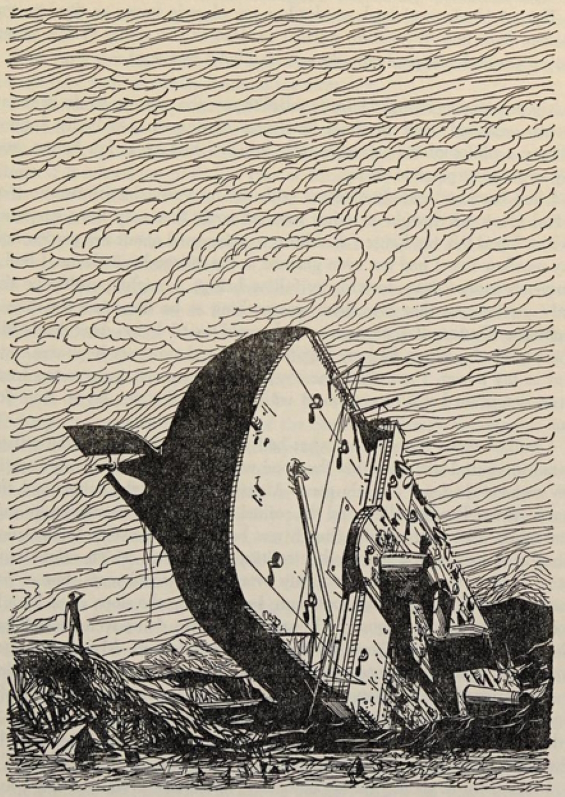
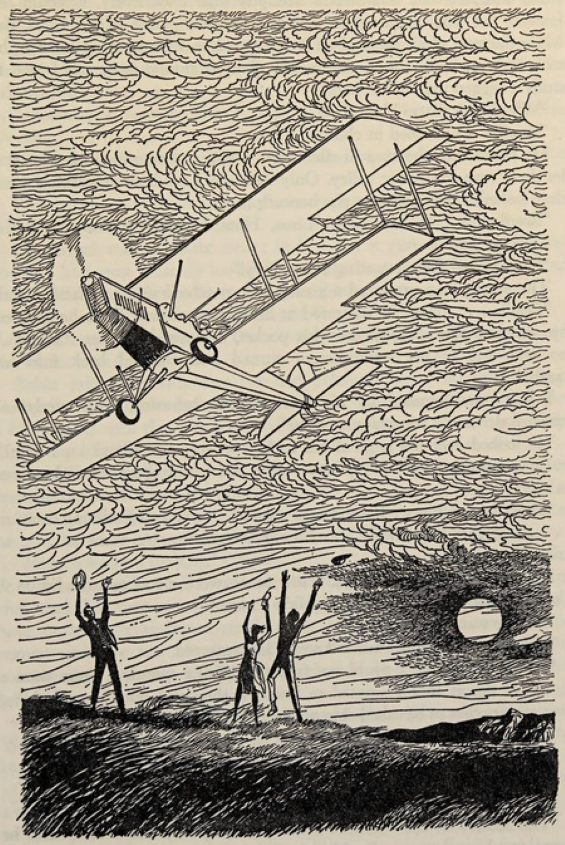
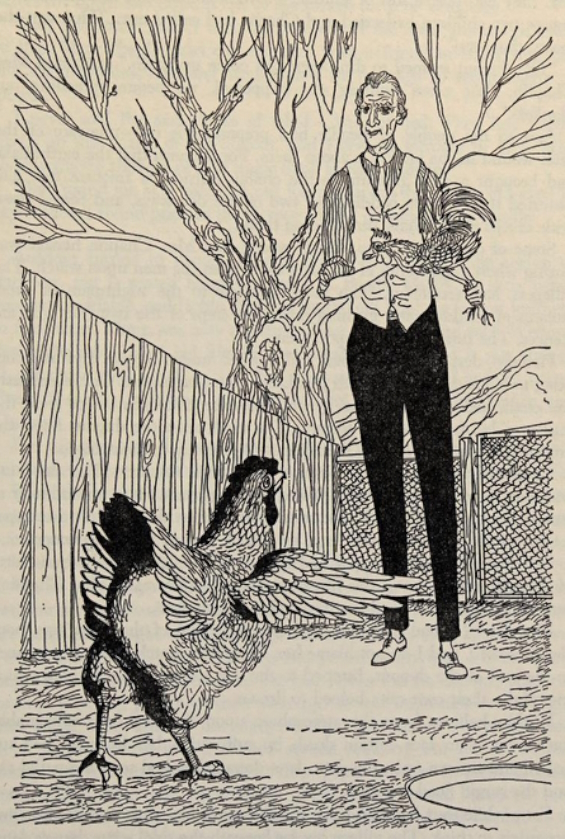
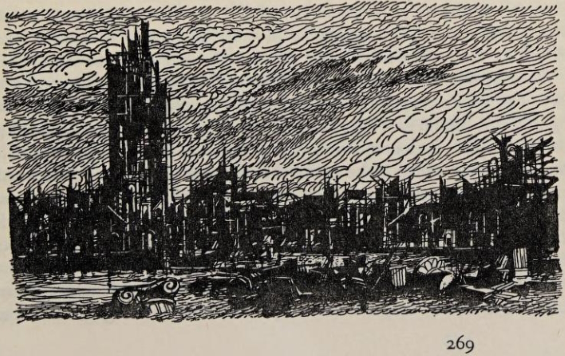
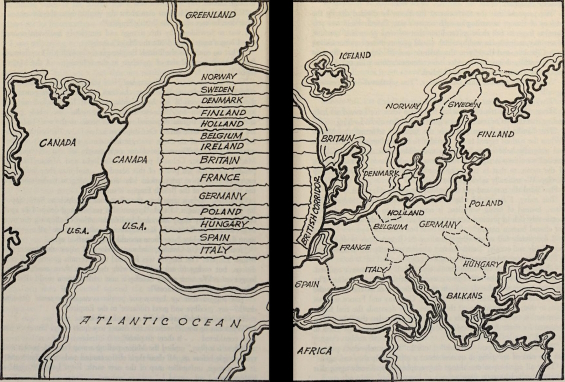
Nice, France, 1939, The Cataclysm, Manuscript Found In A Copper Cylinder, Manuscript Found In A Bottle, Manuscript Found In A Fortune Cookie, The Little Red Bag, 10 years later, old science fiction magazine, I got one too, the genre conversation, The Cold Equations, Null-A, A. E. van Vogt, Null-B, Null-F, ripostes, William Tenn, decades later, two kinds of science fiction, hard and soft, what would make this hard SF, calculations, what is causing the moon to hit the earth, never explained, magnetic attraction, gravity, totally crazy, a really good book and enjoyable, gold and platinum, a bold claim, petroleum, oil and coal, fossil fuel, non-biological processes, more than one kind of coal, abiogenic oil, something inside the earth we don’t understand, don’t roll your eyes, Paul has a B.A. in biology, Jesse studied geology, Bryan studied literature, filled the ocean with gravel theory, the weather inst very effected, so he doesn’t suffocate, no Atlantic ocean, there’s no stream, merry old England, weather more like Calgary, central Siberia, where is the water gonna be taken up from?, desertification of Britain, the front framing, the Addis Ababa people dismissing this book, corrected grammar, making fun of his own writing, the Roald Dahl “corrections”, Skiffy And Fanty podcast, there was no conclusion, sidetrack, what about George Lucas and Star Wars, is that kosher?, whoever said that is a radical, the right to do so but probably shouldn’t, what they did to Shakespeare, for the sake of the children, the frame is active, poor broody, how cozy it is, movie script writer, if not in a time machine, The Dam Busters (1955), The Night My Number Came Up (1955), a flight from Hong Kong to Japan, some Wing Commander had a dream, Liberator vs. Dakota, a snowy coast of Japan near a lighthouse, Okinawa, a fantasy in a sense of the dream element, based on a true story, a prophetic dream that came true, WWII, Pat is him, senseless violence, this thing in the moon, upholding the British empire, they’re depending on us, the logic of empire, not a hard economics model, British foodstock, do they starve?, interwar fiction, interesting Janus face, armistice, War Minister, Jaeger, Bismark, no mention of Italian facists, no mention of German, Britain has its own slice, such a good social science fiction book, just imperialism, take this book as a setting, 700 years in the future, museum edition, fun steampunk, untapped resources for science fiction, a computer game with aircraft carrier, FMV cut-scenes, Crimson Skies, airship society, railroad across the moon, the seigniorial system, London townhouses, we’re in railroading time, again, we should shoot our foots off, both of them, fuck ourselves even more, and then everything will be fine, to serve the pride, no good politicians in this book, the prime minster who was good, mutual aid, looses his position, kinda Chamberlainy, we shall avoid award at all costs, Munich by Robert Harris, an interesting spin, a little England play, the narrative arc, more and more convinced, snide and disdainful, such a prat, masterful, he makes us sympathize, he’s above his station, I’m the man who won the chicken contest 17 times, he comes from nobility, retire from being a schoolteacher, telescopy and chickenbreeding, a foresight move, I’m fucked and these kids are gonna need some local neighbour and not so distant government, that’s your best resource?, bummin around london, burning her Vermeers, very bleak, very John Wyndham, very cozy catastrophe, the John Wyndham feel, how this impacted our little community, Invasion (Apple TV series), do not watch Foundation, the camera never pans up, slow, three authors are called out, Rudyard Kipling, good war material, H.G. Wells, the script for The Invisible Man, a different book than what you think it will be, a chicken farmer inordinately proud of himself, maybe gay, bachelor, sexual tension between him and Pat, indignant, he never objects to the uncle thing, strange distance, if it is like any book it is like The War Of The Worlds, so innovative, devastating and overturning, black or grey or brown horde, the colonized come back to colonize, everything rots up there in the rain, a really solid book, Treasure Island, Robert Louis Stevenson, Mark Twain, Huckleberry Finn, Alice’s Adventures In Wonderland, The Wind And The Willows, adventures in your backyard, giant ocean liner in his backyard, a very H.G. Wells scene, let’s get ourselves into a war, such a flawed character, very much about government, admiring his government factory built car, they are communists in the most obvious sense, anarchist communists, money is not what motivates people, I need a cow and a bull, the hunting and the housework and the chickens and gardening, Brexit, England standing alone, we don’t need the empire, we don’t need Europe, they’re heroes, we don’t need anybody else, isn’t that the conclusion unless we take the very long view, Eric S. Rabkin, everyone is expelled from London, the expulsion of Adam and Eve from the Garden, the Eden complex, London being quashed, Oxford, the end of empire?, the metropol, Britain is diminished, a tangible sign, a retreat from empire, Suez crisis, the empire is finished, countries that get a slice, countries that don’t get a piece, the Soviet Union gets nothing, taking the piss, the bankruptcy of a European centered world, they play no role in the book, the isolationist part, fight among europeans, the rebellion of the colonized peoples, religious, anti-white European lines, Blood And Ruins: The Last Imperial War, 1931-1945 by Richard Overy, WWII as the last colonial war, sought colonial dominions, a very young Ho Chi Minh, Young Indiana Jones Chronicles, Michael Moorcock’s Land Leviathan novels, giant super-tank, Farnham’s Freehold by Robert A. Heinlein, a fascinating book, on archive.org, Islamic exploration quest, as from sio many science fiction pulp covers, the monkey book, Planet Of The Apes, the statue of liberty in ruins, what is that statue for?, Washington, D.C., Gustave Dore, a New Zealander visits the ruins of London, The Chrysalids, back to Frankenstein, the Byronic hero, Ruins Of Empires, hordes, that David Sirota movie Don’t Look Up, when Jesse reviewed that movie, “pretty good”, understatement, overstatement, not the greatest thinker ever, the central core of this movie, jockeying at the Moon club, the book proper, losing his money, losing his farm, telegraphed it very well, what is the theme of this book?, pride, excessive pride, almost every level, WWI is because of pride, what if you’re wrong about your level of quality?, who is responsible for WWI?, thrown into a duck pond, playing darts on Sundays, a very very good book, not the exact same tier as The War Of The Worlds, The Poison Belt by Arthur Conan Doyle, Professor Challenger, Brian Blessed, focusing only on Sherlock Holmes, that very stupid man named Conan Doyle is really smart, he made those girls, chemicals that are poisonous to Earth, hard science, social science, later Doyle, melodrama and emotion, Challenger and his wife, a response to it, The Strand, Scoops, super-fun premises, a ton of books like this, Stowaway To Mars by John Wyndham, so cozy, so catastrophe, The Children Of The Damned, Village Of The Damned, the pertwee inspired series, Quatermass And The Pit, Nigel Kneale, in the wreckage of the 20th century, totally off the radar, a prejudice against stories set in a future that never was, immediately destroyed by history, no mention of WWII, not irrelevant, an amazing artifact, an amazing book, why it doesn’t stand shoulder to shoulder, American publishers, we love disasters, two days holiday to the Moon, emerging thing, cozy comfort SF, trying to understand it, it irks, Becky Chambers depresses Bryan, a cup of tea and a quilt, those cat mystery books, The Cat Who…[books], The Cats Who Walks Through Walls, how important tea is, coffee without milk, half the time, egg for tea, grammatical mistake, the university of Afghanistan, the society, the community of earth, another former British colony, Addis Ababa, a complete overturning, archaeologist, this place is uninhabitable, striking a match in the middle of the Sahara, the lack of the moon light ever night, light from that reflection, a pretty solid book, Robert Jackson Bennett, City Of Stairs, humbled, colonial oppressors, an investigator, gods afoot, colonialism and reverse colonialism, a society that’s repressed yours, Salim coming to humble, Selene, the moon is the liberator, Jesse’s on team moon: Smash that earth, the theory of the great replacement, not worth replacing those Brits, uninhabitable wastes of forests and wild dogs, climate change, a human response to a non-human event, climate change is caused by humans, agreeing to the science, giant corporations don’t play a role, layers of cynicism and suspicion, the newspaper account, making that up to calm us down, Bryan’s new book, Universities On Fire, John Hopkins University Press, Tantor Audio, Bryan’s previous book, Seveneves by Neal Stephenson, terrible remake, we’ve got this great Philip K. Dick, drill, come back with a can of gasoline, no good comes from people writing shit like that, conflates the issue, the reason this book has a moon crashing is it does something important, The Poison Belt, the introduction to this book, how could the moon actually hit the earth, gravitation aside, Space: 1999, Rocket Ship Galileo, how do you know the back of the moon exists?, a philosophical conversation, not impossible, Martians trying to destroy the Earth, our relationship to the moon and the earth distance, a cloud of interstellar gas, how long would it take?, at what density?, does the calculations, months or years, the Earth’s orbit around the sun, air at sea level, everything would be broken, the status of the moon separating from the earth, the moon is receding, friction of the tides, hopw do you know the moon and the tides are connected?, never mentioned, what is the effect of the tides on the water cycle, wind connected to the sun, the wind is a gas effected by the tides, would the level of oxygen go down in the ocean?, not a hard SF book, the earth’s long term well being, a sharp criticism of humans, heated roosts, raising chicken, light vs. heat, egg production, chickens can be disgusting, he’s done something on your shirt, his love for broody, the love story, the octopus teacher, a scruffy looking cockerel, the only thing available, prideful chicks, an incisive look into a person’s brains, what novels can do, what short stories are for, masterful, so H.G. Wells, hate his characters, silly, wisdom in his dumbness, science fiction as a cozy, do delivery of actual material, reading gothic horror, actual threats and danger, pulling punches, Lars von Trier’s Melancholia (2011), a stray planet collides with the earth, depressed by their lives, the conclusion is based on physics, emotional pain, staying home and not talking about what happens to London, Lovecraftian description of the Moon, he uses the word cozy, the life of uncle Henry and aunt Rose, being older, he chooses chickens, he makes a family, cultivate your garden, Jesse with his podcasts, Terence with his blog, Paul with his photography and reviews and gaming, such a dark book, a horror, his surrogate children, taking pride in your car, she’s a hero, his soul goes off, there is darkness here, 20th century British genre fiction, Inconstant Moon by Larry Niven, what we do when we know we only have the night to live, admire that Niven is a such a misanthrope, makes him incredibly incredibly human, the blinding of the human race, something we’ve been working on in the background, we can do it ourself, genetically augmented plants, hedonism, John Stuart Mill, going to shows, epicurean philosophy, what is missing?, no Bruce Willis going to blow up the moon, there’s no guns, becomes violent, played for laughs, that’s not a real problem, he’s ridiculous, the people in government, if I don’t win this war I might loose my seat as the prime minister, let people know how stupid they are, despite how he’s broken, they know he’s egocentric, don’t let him go, you can’t stop him, you have a choice, Eric S. Rabkin again, he’s probably not coming back, a failure of the oedipal romance, the Eden complex, there’s nothing productive, in the desert countries but not here, Threads (1984), the Hartnell years of Doctor Who, it’s teach people about history, they go to Skaro in the second serial, radiation and mutants, the radiation dial, radiation danger, its invisible, something we did something went wrong, why is my hair falling out, another part of Seveneves, two suggestions, Poison Belt, a mere 3 hours, LibriVox, The Angel Of The Odd by Edgar Allan Poe, one of his funniest, The Gift Of The Magi by O. Henry, makes total sense, Eric’s been married for 55 years, a very very old story, he’s choking up, of course that makes total sense, [Wilfred Owen], a crying ball of tears, revealing of character, a lecture on The War Of The Worlds, ‘she had counted me as I had counted her among the dead’, the Tom Cruise adaptation, this silly man who’s telling us this story, his own position in his limited society, Jean Luc Godard, Schindler’s List (1993), Life Is Beautiful (1997), grievous circumstances, most of their oppressors go on to live regular lives, The Act Of Killing (2012), a documentary, reenact, The Year Of Living Dangerously (1982), how did you do the killings, a repeated theme, Linda Hunt movie and Sigourney Weaver, The Killing Fields (1984), The Lack podcast, Benjamin Studebaker, Nina Power, a generative lack, Compact Magazine, a 15 minute essay, Freudian takes, labour history takes, really interesting, obscure movies, that is the central core message, the babies are missing, the fecundity aspect, because the egg, a personal recommendation, you get half, are these people richer than me?, fairly die hard, make time to listen to their show, fourth or fifth wave podcasting?, Terence’s videos on first paragraphs of philosophy books, Agent Swarm on YouTube, adblockers on everything, the Robert A. Heinlein and Arthur C. Clarke, demonetized years ago, the first apocalypse, evil but water, they’ve added context, throwing it up as a podcast, Anchor FM, HYPER-THINKING THE ABSOLUTE, an AI transcription, Terence anti-Roald Dahled himself, floor to ceiling books everywhere, HD 4k, why Stalin was a megachad, young Stalin, would you let this bank robber into your house, profile people by their books, what are they hiding?, what are they doing?, get rid of books, a terrible feeling, phantom limb, limit the number of incoming paperbooks, kindle collection, its pure evil, we really need to focus on the government factory making the cars, Triumph and MG, they’re all government owned, British Leyland, Range Rover, overseas car industry, a planetary economy then, Brexit, the whole thing with Europe, sovereignist at every level, power and money hungry, that’s the way it is, the treatment of science, the treatment of censorship in the newspapers, the media, radio broadcasts, Conrad Black leaves Canada becomes a British Lord by buying a British newspaper, Lord Black of [Crossharbour], you’re a good old boy now, they all play along, Bezos/Musk, the New York Times owners, Jeff Bezos’s middle name, Preston!, call him by his middle, their nasty side, what did I do?, what have I done?, you will not be upset by reading it, worth the length, 11.5 hours, a very solid novel, a repetition of the same thing, people haven’t learned, avoidance behavior, it starts up all over again, you need the long first part of the book, would it be as gripping or meaningful?, back to Don’t Look Up, David Sirota, parallel thinking, following the same colonialist lines, the anti-science, a very Eric idea, born naked into the garden of Eden, a comedy, a serious topic, a parody vs. an indictment, criticism from both ends, it doesn’t nail the idea of a condemnation, people were reading Meryl Streep as Trump, the Steve Jobs like character, the unhelpful young people, the main lead, Leonardo DiCaprio, reactions, go cultivate the garden, Epicureans vs. go on the news, a delaying action, you’re fighting against the tide, she even forgot her son, a much better movie is 2012 (2009), When Worlds Collide, Edwin Balmer and his buddy [Philip Wylie], proles, plebs, arcs not dugouts, makes it personal, millions of falling buildings, the Y2K disasters, fancies, witchcraft, moral panics, Steven Baxter’s Flood, beyond climate change, Waterworld (1995), over time, a side-plot leads to the sequel, a relentless book, The Drowned World by J.G. Ballard, C.J. Cherryh’s Morgaine novels, can’t recognize it as water, the data is coming into my eyes, I don’t have a symbol for that yet, why chickens?, the problem of induction, induction is a fallacy, the turkey is fed everyday, it had never happened before so it can never happen, alimentary, artisanal, with ten days food, none of this needed to happen, it’s about human nature, it’s bleak, contingency, lack of induction, moments of productivity and fecundity, a cozier world order, specif people grabbing for power, Churchill, he doesn’t think it is inevitable at all, through Pat, behind uncle’s back, he’s intoxicated, my forefathers were all military men, his sister says he’s getting fat, he’s a young, government mandate, the easy way to become an officer, wounded in WWI, he can’t be pro-war, an unnecessary stupid war, just pride, all the lies, how we got into that situation, David Hume like impossible event, other than the Black Hand, Germany was largely to blame, blank cheque, a great warlord, they’re responsible too, historiography, dive into this in great detail, the opposing view, Barbara Tuchman, send me back in time with a rile and I’ll work on this as best I can, what’s my job, to help the cogs or resist?, finding targets we hope are the right targets, what if we’re wrong?, so I can make the best decisions I can, a careful reader, what caused the Moon to fall, subtle about it, hard to recapture, civilization wide horror, until 1940, the Oxford pledge, WWII occludes, Neville Chamberlain is a fuckup, conventional wisdom got us to where we are now, form entangling alliances, some pickup team, book that Challenger book, the Dominican Republic, Costa Rica, deep into April, if a pile of gravel filled the North Atlantic, one land mass from British Columbia to Japan, the longest walk ever, a long train ride, from Los Angeles to Vladivostok by train, how many horse archers, how little water overspilled, Terence with two Rs, repeated letters, pirates, two fs and two rs, Arkansas, oversupplied, could’ve saved money, an extra vowel, I am to be, Cartesian, Rene Descartes is not the most popular character in the bible, meditation is a contranym, the Sam Harris style of meditation, handy, talking to young kids, that’s what I studied at university, philosophy is a history of all the mistakes people made about what is, some stuff about what’s pretty, not even wrong, broken from the beginning, eventually Benjamin Franklin doing some science, no snow in Nice, between 7 and 15, the Promenade des Anglais, is Terence’s wife French, the kids went to Australia, Melbourne, On The Beach, Connor Kaye, folk horror, art to illustrate the essays, he’s young, reading an old book, there are people out there that are interesting and interested, making only friends with old people, Jenny Colvin died [probably from her COVID vaccine], boom dead, had she not been in the hospital, Moderna or Pfizer, weird chemicals put into my body, a really good system, pushing it in the province super hard, not a week, Daniel Ellsberg, the pancreatic cancer, not going to do chemo, not with pancreatic, the height of the COVID hysteria, blood clots, the heart, still pushing them, one of the reactions, we’d adapt, becomes endemic, two kinds of corona viruses, flu and corona, made in a lab and leaked out, two competitors, everytime cells replicate there’s a chance of cancer, unless you’re a shark, tissues that are resistant to cancers, engineered a virus, standard government shit we should be on the lookout for it, the newspapers lying, we learn that it’s a lie, and we go for the next lie, they take it in but they don’t take it in, cozy reading, things that confirms, shakes you up, Ancient Apocalypse, Graham Hancock, something of value there, his theory is probably bad, the things he’s pointing to are interesting, Joe Rogan, when confronted, tell me more, we can make oil in a lab, spilled petroleum, a wacko theory, the heart is not a pump, no that’s impossible, that’s not allowed, what if we’re wrong?, being wrong with you beliefs, very bad logic, it wouldn’t shatter my world, I misremembered, somebody who sneaks in, woke up and had three legs, is this a dream?, we can do some fun stuff with this, as something as profoundly familiar, who’s that guy?, he has grey hair and he’s so fat, a question of principle, Erich Von Daniken, in terms of the particular culture, a message to the aliens, fakes evidence, lies, just on principle, wow, what does this mean, that’s science, the phenomenon he’s seeing, why not hot air balloons, I want aliens, a long time ago there was a disaster on the earth, civilization than we think, what archaeology finds, the older things get, somewhere in there, after the dinosaurs (probably), well before 6,000 years ago, rocks aligned to the stars, misreading, we got lots of books and computer games, folkdancing, no podcasts, labouring to get their food, they played a lot, I’m making a circle, what dudes do, maybe this will help us, why do bower birds build their bowers, hot air balloons are more likely than aliens, entirely possible using the tech that they had, dirt piles, we did that, Chariots Of The Gods?, people like dirt bikes, why not, all slaves theory, the slaves built the pyramids, concentrate enough capital, beautification projects, the dugouts, those really in the know knew five years before, the big reveal speech, the vicar, of no use at all, a little contradictory, levels of initiation, where they had an airplane stored, it worked great, everybody loved it, making coffee and fixing little wounds, comraderie with the lower classes, this common goal, enjoy your chicken coop, Jesse’s podcasts, Terence’s blogs, bond wherever you can, feel a bit superior, very prideful about this, on Jesse’s gravestone: the bird in The Raven is not a raven, its really there, old illustrations, does this guy know, a Reading, Short And Deep, The Road Not Taken, trusting, we go centuries reading, I think this bird is not a raven, reading Shakespeare, so sexualized, look at what he’s saying, literal asshole in her ass, the prudish high schools as 2023, the code is not very difficult to crack, The Tempest, fart jokes, the bark, lying under a gabardine, the witches, in Macbeth
First Witch. Where hast thou been, sister?
Second Witch. Killing swine.
Third Witch. Sister, where thou?
First Witch. A sailor’s wife had chestnuts in her lap,
And munch’d, and munch’d, and munch’d:—
‘Give me,’ quoth I:
‘Aroint thee, witch!’ the rump-fed ronyon cries.
Her husband’s to Aleppo gone, master o’ the Tiger:
But in a sieve I’ll thither sail,
And, like a rat without a tail,
I’ll do, I’ll do, and I’ll do.Second Witch. I’ll give thee a wind.
First Witch. Thou’rt kind.
Third Witch. And I another.
First Witch. I myself have all the other,
And the very ports they blow,
All the quarters that they know
I’ the shipman’s card.
I will drain him dry as hay:
Sleep shall neither night nor day
Hang upon his pent-house lid;
He shall live a man forbid:
Weary se’nnights nine times nine
Shall he dwindle, peak and pine:
Though his bark cannot be lost,
Yet it shall be tempest-tost.
Look what I have.
Poe: likes dead ladies, a relationship with alcohol, Shakespeare: fart jokes, sex jokes, the Christian brothers didn’t point it out, playing to the absolute base, they don’t have to change his words like Roald Dahl, King Lear, there’s grass there on the verge, killing curiosity, making it dumb, Kurt Vonnegut, Harrison Bergeron, I don’t like his satire, he pointed out in the world, mental continuity broke it down, what’s happening today, newly dated place, look at this, banned from one of them, the mound builders, peer review is the worst thing that ever happened to science, a big circle jerk, electricity from lighting bolts, this Asimov science book, the heliocentric hypothesis, Galileo, Copernicus, obliged to put in his own epicycles, a rule of thumb attitude, string theory being a big waste of time, in trouble, somebody’s lying, no evidence, due for some reexamination, interesting observations and claim, dark matter, dark energy, fucking epicycles on the grandest scale, great for making money, 16th time they put the flying car on the cover, doing math for physics, build more colliders, Sabine Hossenfelder, the end of science, really really abstract theories, higher energy cyclotrons, more abstract than before, Eric Weinstein, UFO bullshit, wasting money and wasting time, sucking their own dicks, Michio Kaku, formally equivalent, given what we know about Galileo’s instruments, persuasive and convincing, holy fuck he was right, confirmation by little effects, the beauty of the thing that’s important, money and fame, that’s just capitalism, science used to be the hobby of rich dudes with lots of free time, I mostly like thinking about lightning, they make the disease, the make the cure for the disease, they control the government and make you have to take it, being retired but fairly wealthy, a schoolteacher, retired at 47, you need time, breed prize hens, willing to buy a telescope, lectures from people who used a telescope, what happens if you do that, listen to the guy who read about a microscope, time, money, curiosity, people are going for the money, pride, the ass-licking to succeed, university professors are never surprised so many of their students, what’s wrong with me, some memorization, kids don’t have much time with their teacher, become a good writer, grammatical sentences, count the mistakes and subtract from the A, the psychology of the teacher as somebody who is overworked, add some humour, make a little joke, stands out, write shorter paragraphs, do something great for the introduction, terrible teachers out there, they’re getting worse, a new curriculum in British Columbia, land expropriated by Canada, having lost all of Alberta, bulldozing Indian land, feel bad for them, competing narrative, studying natives, first nations is the most popular pc term, your job is to go to this website, the teachers getting the kid to do the homework, a flood of this stuff, an Indian teacher who’s an Indian, a whole new industry starting up, first cars coming out of the factory are shit, skip a meal every few weeks, retired but doing other things, covid devastated in person tutoring, asthma, distance education, online teaching is terrible, teaching on an empty ritual, oof, terminal classes, tell them stuff and they laugh, trying to engage students with ideas, the more students you add the harder it is, the more you add the worse it is, science students who could hack, roblox, you make your own games, a Doctor Who thread, 68 and two thirds, Oh Doctor, you’re so gay, Buffy The Vampire Slayer, good as a concept, twisted and morbid, The Last Of Us, scary fungus things, zombies aren’t scary, but blind fungus zombies are scary (probably), pretty good, The Peripheral, the end is silly, fit all the novel in (sort of), second series, a comic William Gibson did [Archangel], Gattaca, The Man In The High Castle, a book is not a film, the show is churn, the way Harry Potter is constructed, Drug Of Choice by Michael Crichton, archive.org, Keys Of Marinus, each episode in this serial is standalone, beautiful silk, gorgeous cup vs. dirty old mug, Jesse’s obsessed with A Wrinkle In Time, E=mc², hot garbage, a Robert Silverberg novel, alien elephants, Downward To Earth, audiobook, Dying Inside, I’ve got a big stack of them in the basement, Passengers, The Book Of Skulls, The Poison Belt, big format, library genesis, good pirate, so many other sources, maybe Christmas in Australia, one r in Terence.

Posted by Jesse WillisBecome a Patron!

 Reading, Short And Deep #357