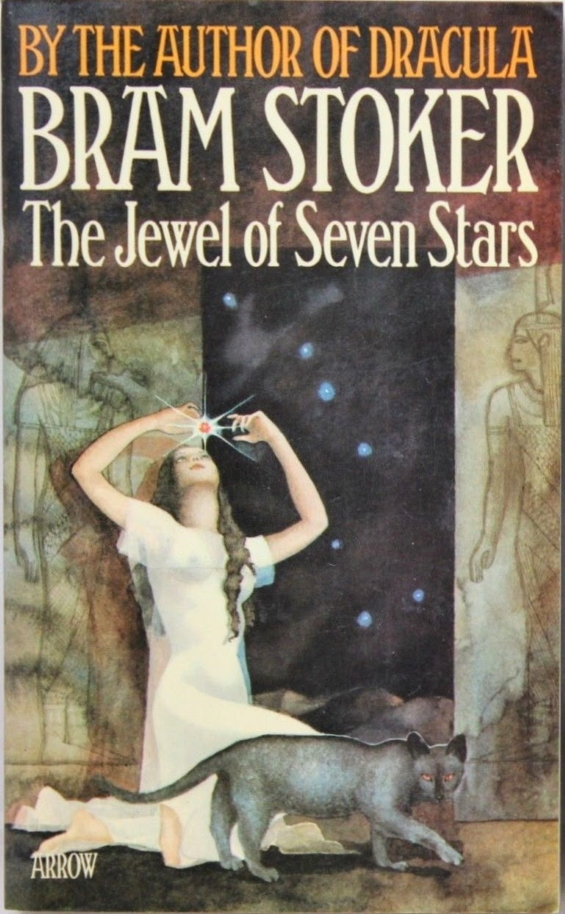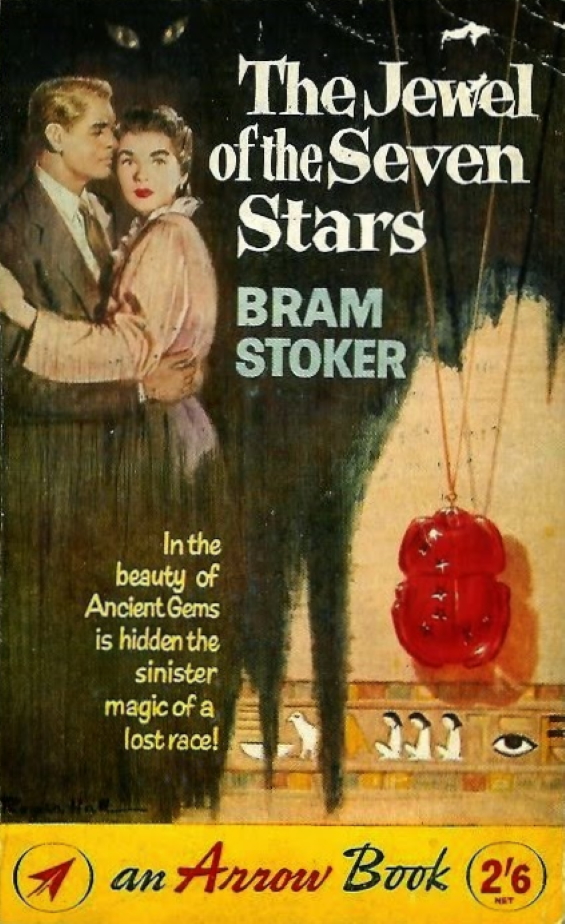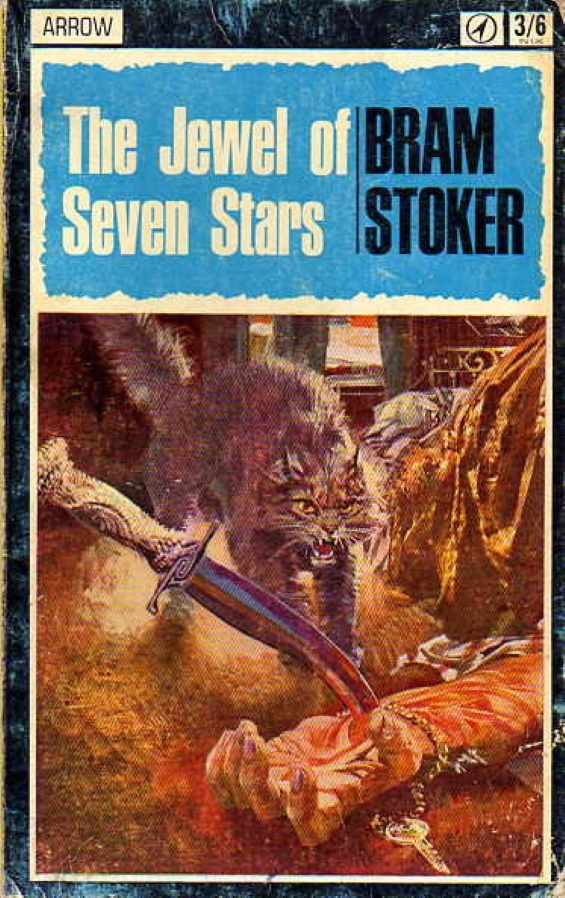

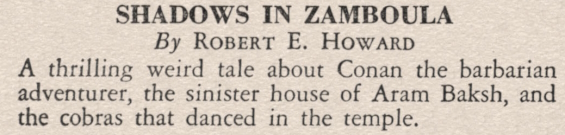
The SFFaudio Podcast #746 – Shadows In Zamboula by Robert E. Howard – read by Mark Nelson for LibriVox. This is a complete and unabridged reading of the story (1 hour, 26 minutes) followed by a discussion of it. Participants include Jesse, Paul Weimer, Connor Kaye, Alex, and Cora Buhlert
Talked about on today’s show:
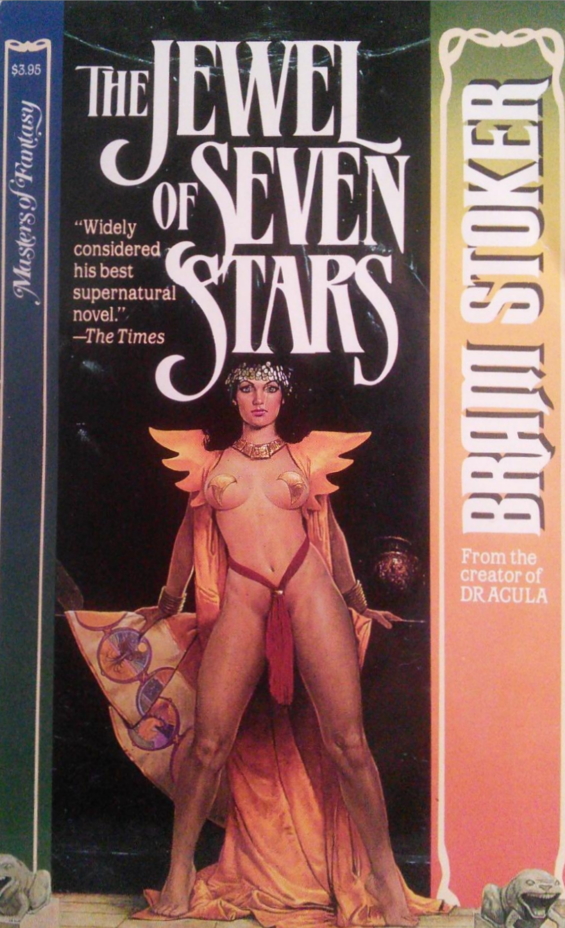
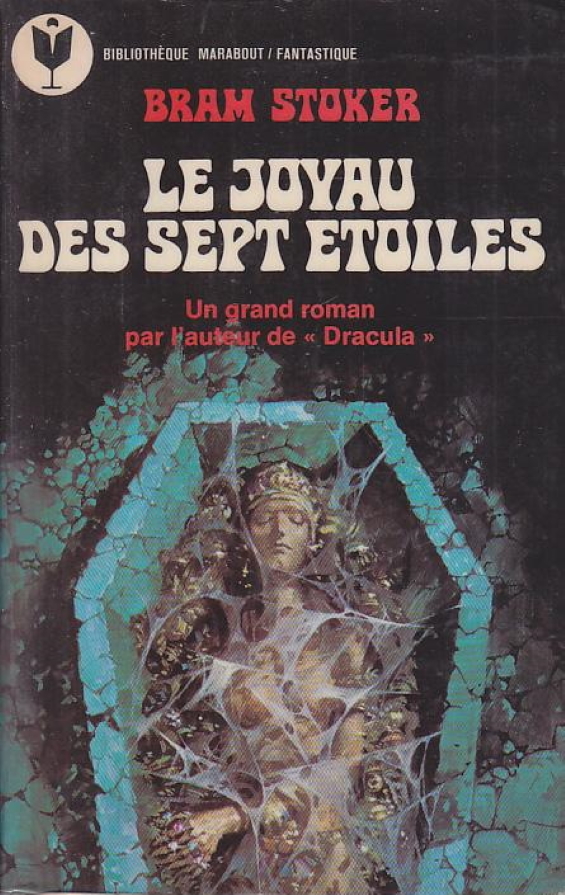
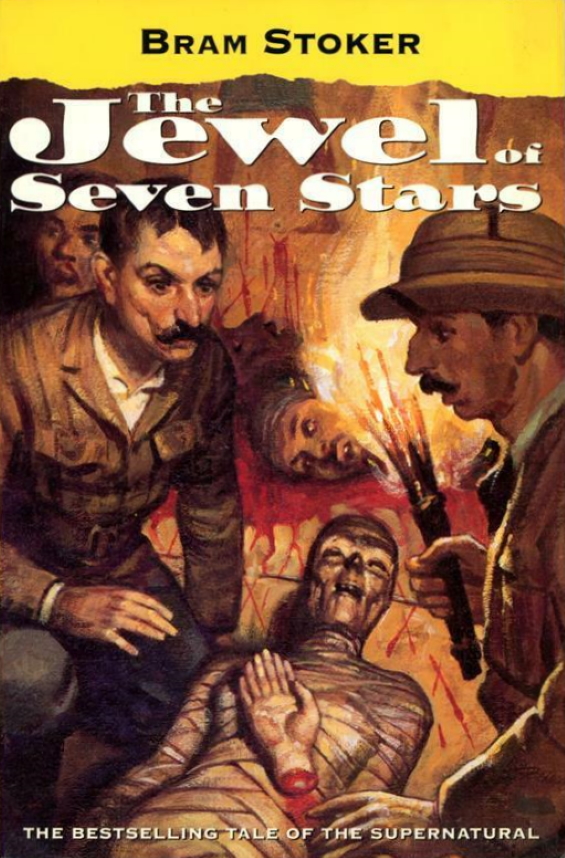
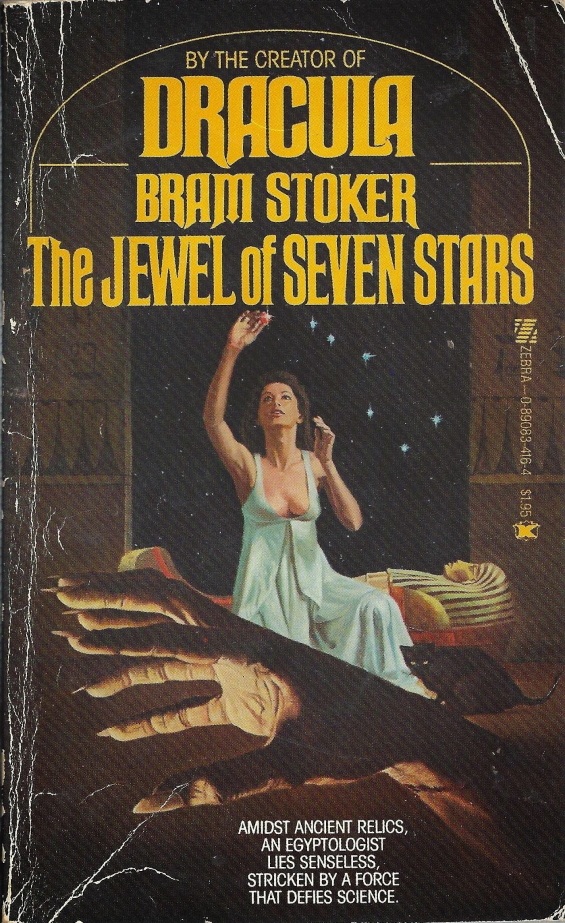
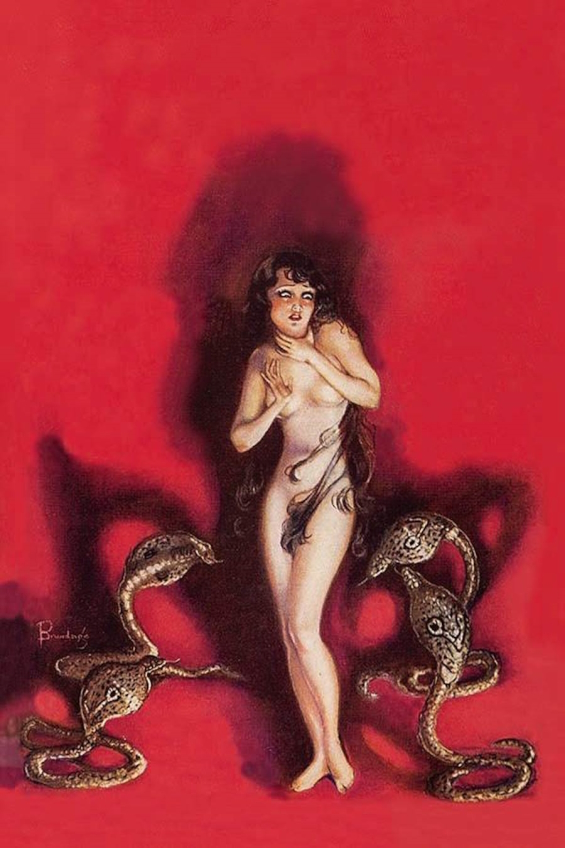
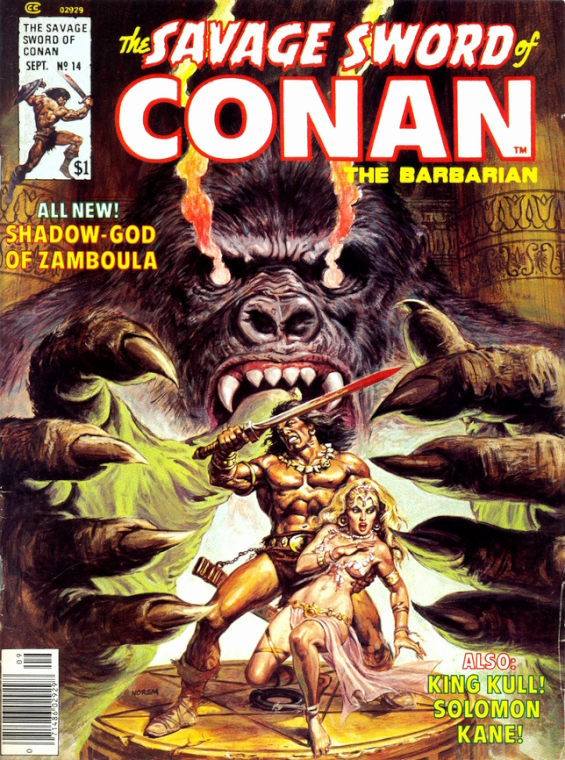
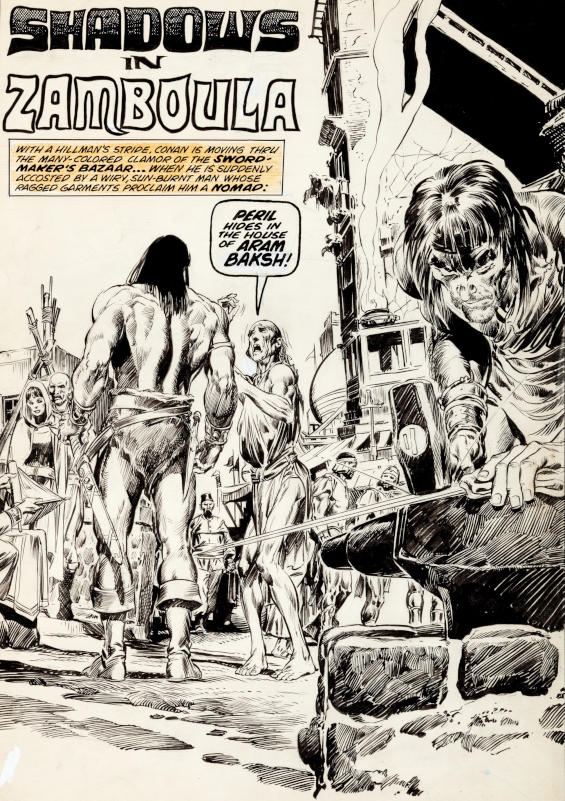
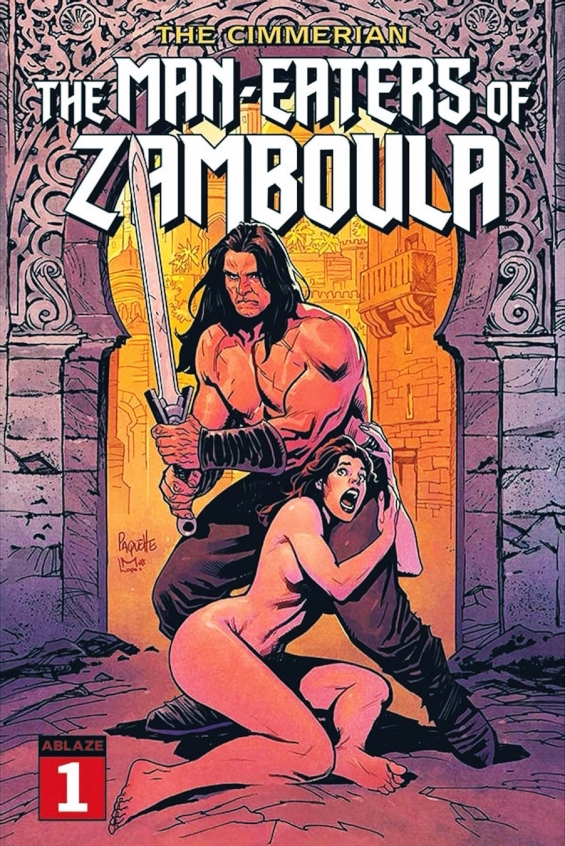
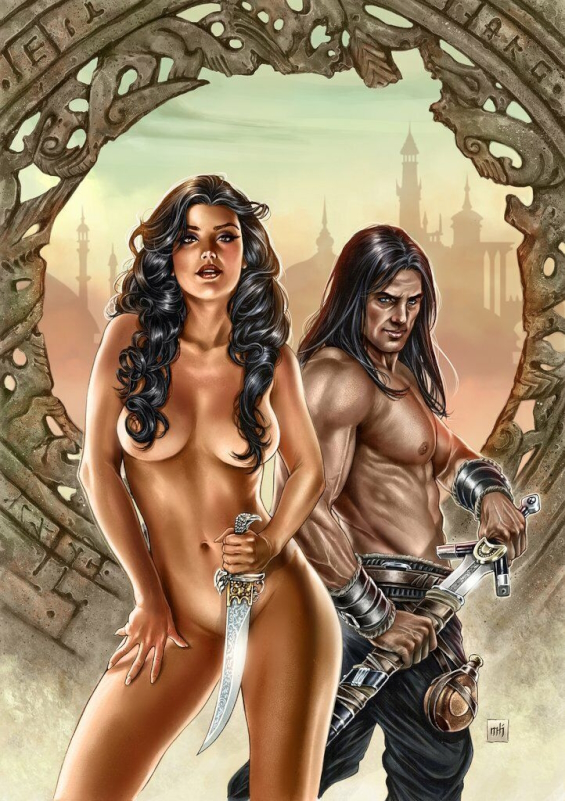
Weird Tales, November 1935, The Man-Eaters Of Zamboula, a better title?, conforms to the Weird Tales title aesthetic, the problem, a second meaning, shadows is nebulous, cannibals, all in one night, just before dusk, the evening, a little sleep, a naked lady, a little adventure, buys a horse, leaves town, the magic ring, a roomful of gold, it makes a person irresistible to the opposite sex, lesbians are acknowledged, a gay subtext in one scene, the strangulation, Baal-Ptor, any temple wench, devil dick, the Hannuman temple, a penis, a strangle-off, his boss calls him that, that’s pretty gay, a great scene, I started with babies, and he dies, pro-cannibal, who is put in what position and why, Mark Nelson, Aram Baksh, Ralph Bakshi?, a lot of mistakes in various people’s analysis, he’s not bearded in Savage Sword, the Ablaze, he’s a bum, they’re companions, Bedouin, a middle eastern , they’re on a team, stole a horse from the satrap, don’t stay there, hookah bar, gambling den, the sword maker’s bazaar, yelp reviews, unchronicled adventures, random desert tribes, the kind of thing he tends to do, Doctor Who, for plot purposes, what city it was supposed to be, Constantinople, the western edge of Turan, Mosul, Palmyra, the comic version, Conan recognized her from the start, assumptions, 2nd to last Conan stories, he knows what’s up, full of things that should trigger people and alleviate those things, supple warriors, hawk-faces, the lords of Zamboula, ancient glories, over reading much, glowering about ancient glories, flaunting their myriad colours, loving, towers and minarets, an infodump we need to be surprised lady, judging, smote is a negative, they’ll think he’s a wizard and eat Paul, delighted as all heck, but it might stink, open sewers, third world places, Kathmandu and Nepal, loud, the Ottoman Empire, multiculturalism, hybrids and mongrels, Cross Plains, Texas, modern day Lebanon, influenced the crusader stories, cities are described negatively, civilization is corrupt, what’s cool about this story, everybody’s got their angle, subsidize sales by selling the stuff of his guests, Robert Bloch, an H.H. Holmes story, Solomon Kane, A Rattle Of Bones, The Inn In The Spessart aka The Spessart Inn by Wilhelm Hauff, join our gang or we’ll kill you, film adaptation, how they got put into that position, meat as part of their religion, let out at night like cats, steal from their masters, as they should, our heroine, they’re too valuable, they’re our property, Zamboula is dependent on their slaves, let them eat travelers and street people, Nefertari, secure her position, what happened and her story, she makes it up on the spot, the Ablaze adaptation, literally naked, her hair is covering stuff, a standard trope, the R-rated, a loin cloth, we never see a nipple, important to understand, of course we want titillation, her clothes would giver her away, silken robe, a slave who’s mute, she’s just lied to that guy, you can trust him he’s not a man-eater, Aram Baksh gets his tongue cut off, don’t eat me!, the moral, the better put together this story is, a murder mystery, set piece scenes, a conan pastiche person, The Curse Of The Monolith just rips off that hole idea, magnetic table, the Virgin Conan The Barbarian computer game, a worldwide phone company, a DOS game, a bridal sword, live out the fantasy, Virgin Bride, a bug, what we see in the Conan movie, what’s in the comics, somebody did some research, you’d lose your sword, slip that ring off the finger, he doesn’t tell us until the end, very well put together, looking for something, Conan has already stolen it, worldbuilding and setting, oh yeah that’s right, back to Paul in a flash, an article, Charles R. Saunders, quibbles, all of Sword And Sorcery, as a black person, fascinated by Africa, boxing fans, a bad website, Howard vs. Lovecraft and Clark Asthon Smith, Black Gate, Bob Byrne, Steven H. Silver, why Man Eaters Of Zamboula is the best of all time, the most quintessential, is that defensible?, the most Conan of the Conan stories, best ever written, best story of all time, compelling points here and there, part of a contest they’re having, when you’re arguing for something like that, worse stories by Robert E. Howard, worried about getting this one, a terrific story, Vale Of Lost Women, with some issues, a higher high within it, this isn’t even close, Red Nails, Queen Of The Black Coast, what happens, become more refined, word choices, a mighty theme, the theme in here is strong, what you need to do in life is be the smartest man in the room and have strong hands, offering sex, this story undercuts our expectations and goes away with a bag of cash, getting tired of writing Conan, an amazing finish, really interesting thesis in the center, laser beams, magnets, electrical magnets, the magic in here, science, superscience, radium gems, the priest is all gadgets, toned down, science or magic, cannibal slaves, the colours are more muted than other Conan stories, the setting, he gambled it away, he knew what he was doing, brawn, smarts and skill, a complete Conan, a stupid brute, play dumb, subvert your expectations, fresh to civilization, a Conan who’s seen some things, wily Conan, miles under his belt, confident enough in himself, professional strangler, an intense scene, Conan the conartist, The Jewels Of Gwahlur, Pelishtim, the mercenaries that guard the city, Nefertari, Nefartinti, Stygian, worships Set, the monkey god, on the cover of Savage Sword, clothes on and blonde, the scary monkey god, his representative, his boss,lusting after our girl, Yog, the Darfari slave god, Crom, Erlik, competing ideologies, some to swear with, strong demands, promote human happiness, sacrifices, go to the casino and lose all your cash, every man the strengths of his hands, a god for atheists, cosmicism without reference to the cosmic, prayer doesn’t make any sense, what would Evan say?, what the slaves are thinking, it fuckin sucks to be a slave but we get to have a religion, foreign bastards who are enslaving us, I’m the guy who sells you bodies to eat, they want to revolt, leave the citizens away, their shields on their back, the most powerful woman in the city, Hanuman’s temple, the heart of the story, marble walls, there’s no gate, each building has its own wall, horns, an Agatha Christie sort of scene, barbarian senses, a high perception tense, the reason he has such good hand sensing is because he’s a meat-eater, not a human meat eater, to get revenge, a man-eater too, a secret door, a giant hand, little maze, our guy sitting on a divan, back and forth allusions, The Odyssey, the guest host relationship, a really big theme, a bad relationship with the guest or the host, when they get broken bad things happen, the host comes home, Circe’s island, turn my men not into pigs, a reinforcement of this value system, how to be in a person’s space, that’s what we have here, taken by many different owners, a rival, this door is barred from the inside, climb over the wall, that pit, the slaves can leave the city, they can’t leave, they’ll die, imagine this: and we do, sexual stuff, dragon fight, stuck in somebody else’s feud, more adventures, a central core, he’s really saying something here, who else can do that with this material?, role playing things, Stygian origins, Turan, nightstalking Darfari cannibals, covetously eyes, intrigue and adventure, compared to Shadizar the Wicked, a spider god at the center of it, John Milius stole from every story, he stole from the best, Set’s temple, springing up in all the cities nearby, a power struggle, I salute you, I got a job for you, go get my daughter, snake vs. elephant, sneak into the temple, the satrap is going to be happy, rage induced coma, captain of the guard, its a job, she dosed him, she’s bad, everybody here is bad, a woman naked in the city, slightly deceiving, I’m sorry I lied to you, Conan doesn’t react, Conan doesn’t ever lie, not being chivalrous, nobody has any honour, he saves her from the cannibals, they were stealing her, if they ate the mistress, supplant the satrap, ruled by his mistress, went wild and tore her clothes off, street bum prophesying doom, his hand on Conan’s arm, speaking to him as a brother, a mini-version of the whole piece, his instinct for story is better than almost anybody, writing for a particular market, the chapters and the headings and the nude scene, the scenes that he has to have, the girl threatened by a magician, a similar scene, this ancient mummy, People Of The Black Circle, pretending to be a statue, clothes swap, a whipping scene or something, if he doesn’t get the cover he doesn’t get the bonus, magic, not in The Hour Of The Dragon, all the cities have wizards, John Dee scrying on his mirror, they fucked up, resurrection is a bad plan, that’s how Christianity started, self-ressurection, Jewel Of Seven Stars by Bram Stoker, a pretty damn good story, the Ablaze adaptation, naked the whole story, the art, black god, wonderfully portrayed, undialogued pages, Æon Flux, she looked off the whole book, to actually depict it, naked as the day she was born, a person naked in an unwalled city, at the end, she drops her lover off, is it because every piece of clothing would give away who she is?, giving Margaret Brundage a chance, the cover with the cobras, not unusual for her, how she normally dresses, that very pale skin, on a pirate ship topless, pale is beauty, the guy grew up in Texas, not a wise idea, shock the other guys by flashing them, she’s acting as a goddess, the colour distinction, the palest of pale skins with black hair, Cora is trying to make it make sense, a magic toe ring, breast bobbing, at night, hide from the Pelishtim, when we see the guy’s eyes, contrast with Conan, gets a feel, resisting eating her, playing off each other, lascivious men, the priest wants her to be his, a friend who says look bud, a man who drinks to much is crazy, tearing her clothes off, minutes ago, dragged away from his own bed, not the first time it happens to him, Black Colossus too, a nice theme, as is the reader, puts off his vengeance, a side story, get your priorities straight, save the boyfriend, kill this priest, her motivation is no one can no, I need an outsider, Vera Cruz (1954), Burt Lancaster at his hottest, don’t do that movie with Burt Lancaster, Gary Cooper, he’ll blow you off the screen, old cracked faced men in westerns, way more charismatic, the main attraction, the plot is kinda similar, mercenaries from the American Civil War, working for Emperor of Mexico, an Austrian guy, see each other at this dance, a beef with a high mucky-muck, the glove, you’re not even important, give each other the chin nod, the Kirk and Bones gif, Denise Darcel, Sara Montiel, cowboys not European royalty, why westerns are really cool, stole a horse, shooting each other in the streets, the Winnetou stories, River Of No Return (1954), Duel In The Sun (1946), The Man Who Shot Liberty Valance (1962), meta-westerns, a baby across the desert, when is Connor gonna do Howard’s western stories?, how many westerns there were, Steve Costigans, Breckenridge Elkins, his bread and butter, better and more promptly, Action Stories, Fight Stories, a bigger market, niche, how many western TV shows, a legacy, leftovers, westerns now, spaghetti westerns, silent westerns, Western Von Gestern, what Alex Baldwin tried to do, the way TV was supposed to look, westerns or war movies, all the men were old, pulp westerns, Zane Grey novels, short stories from the pulps, something you have to come to appreciate, a set of tropes, its a genre, values that are different, follow the law, follow orders, soccer match on Christmas, what happened to the guys who did it?, war movies serve a purpose, westerns are bottom up, American mythology, do they study SF at university now?, do they study westerns?, Astounding is the training for our engineers, leave town, go to the west, a national mythology, looking backwards, Clint Eastwood, looking at the future, a generation after the west was closed out, the kids or the grandkids of the generation being portrayed, they don’t study romances at university, specialized academics, finding a science fiction class was pretty hard, the Women’s Studies, looking down because it is bottom up, and some women, Range Romances, one of the longest running pulps, Railroad Stories, railroad fiction, you want a union? fuck you, good pay, high tech, like being a truck driver, dangerous, long hours, no time off, bad healthcare, Germany vs. Australia, considered a good job, a secure job, capitalism hasn’t taken over Germany completely, Space Viking by H. Beam Piper, four weeks in a row, people have weird desires, women, man, The Venom Business by Michael Crichton, Rocket Ship Galileo by Robert A. Heinlein, Unseen-Unfeared by Francis Stevens, The Hopkins Manuscript, Alec Nevala-Lee, The Crawlers by Philip K. Dick, The Golden Slave by Poul Anderson, off to farmville, Skull Face, a Steve Harrison story Names In The Black Book, Coming Attraction by Fritz Leiber, never been done before, don’t waste Connor, on Conan duty or Robert E. Howard duty, The Thing On The Roof, a cool description, hear the nipples on the roof, Robert E. Howard doing H.P. Lovecraft, “Hooves In The Night”, Unaussprechlichen Kulten, German speakers, a Justin Joffrey poem, August Derleth, wonky, Canadian public domain, M.S. Corley art, comic book adaptation, a Marvel Chillers version, weird tales sort of material, you get hooked, Howard via Conan, gonna make you a Nazi, Lancer paperbacks, really good, pastiche, boxers who go sailing, Fafhrd and the Gray Mouser, based on publication date and renewal, nothing to do with death, Robert Silverberg, Harlan Ellison, Condé Nast, work for hire, hero pulps, written under house names, Howard horror, Pigeons From Hell, Old Garfield’s Heart, Steve Costigan, Francis X. Gordon, a useful resource, Mark Finn, the far future, The Devil’s Elixir by E.T.A. Hoffmann, an early robot story, The Sandman, ignore the interesting good for the dull, unsuitable for teenagers, 12 hours 24 minutes, four months, E.T.A. Hoffmann and Edgar Allan Poe, doppelgangers, this story is that story minus all the long parts, The Oval Portrait, a lot of overlap, Poe inspired The Student Of Prague (1913), retreat on the shore of Lake Geneva, Bohemian ghost stories, German romanticism and gothic literature, Johann Wolfgang von Goethe, The Influence Of E.T.A Hoffmann On Edgar Allan Poe, Connor is sick, regular sick, Hard Case Crime, epub or mobi or PDF, Google Books, look at screens all day long, screens less, had you not known a pirate…, 3kb, a remainder bookstore, ebook device technology, eink colour is not rich, snow?, vasculitis, autobahn, bahn means train.




Posted by Jesse WillisBecome a Patron!