
 The SFFaudio Podcast #685 – Jesse, Paul Weimer, Maissa Bessada, Trish E. Matson, and Will Emmons talk about The Star Beast by Robert A. Heinlein
Talked about on today’s show:
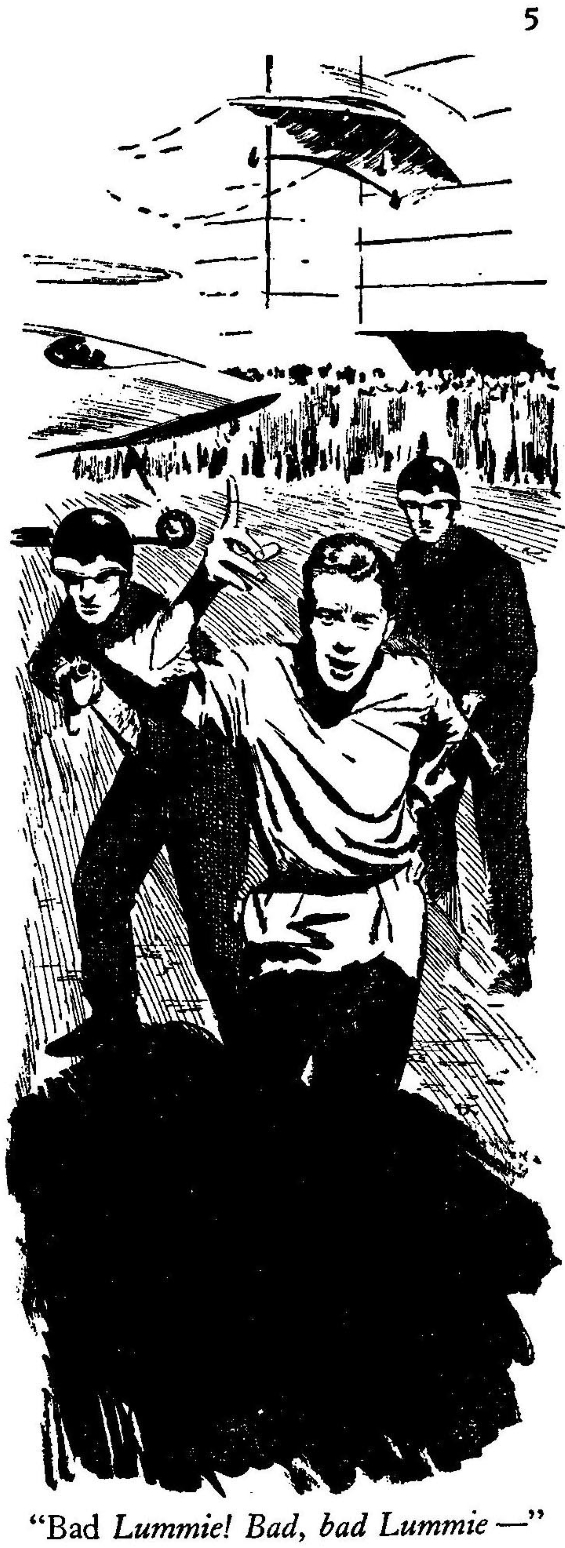
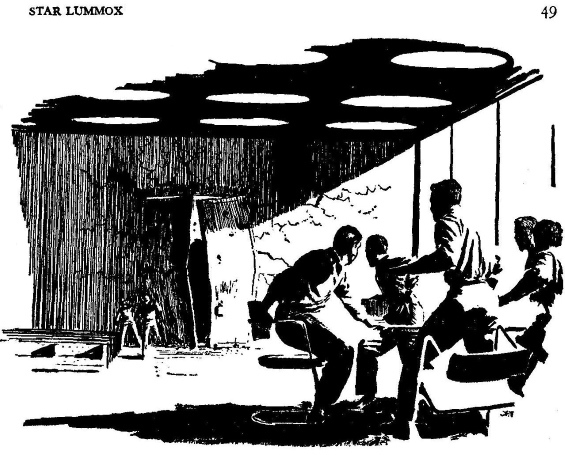
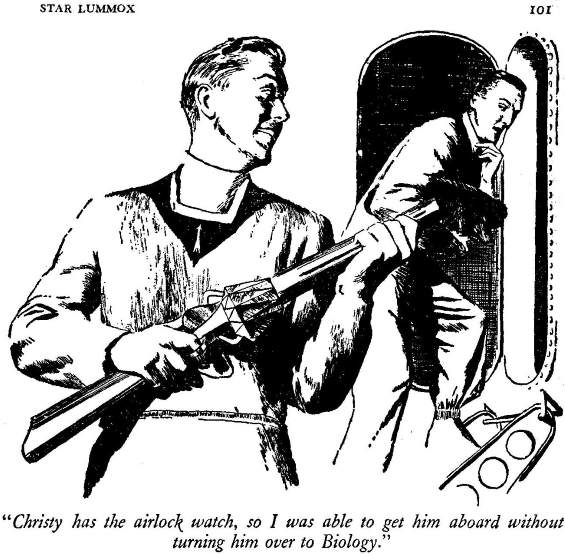
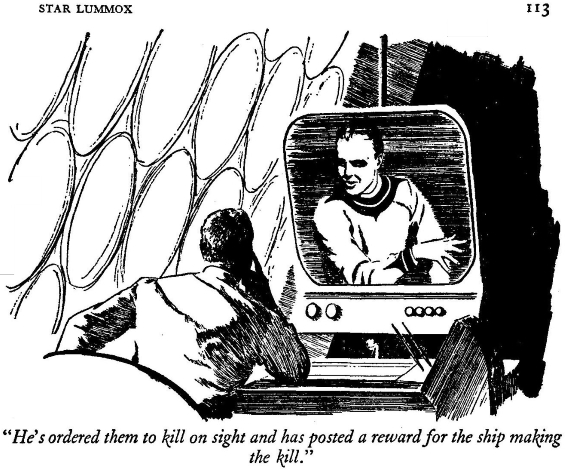
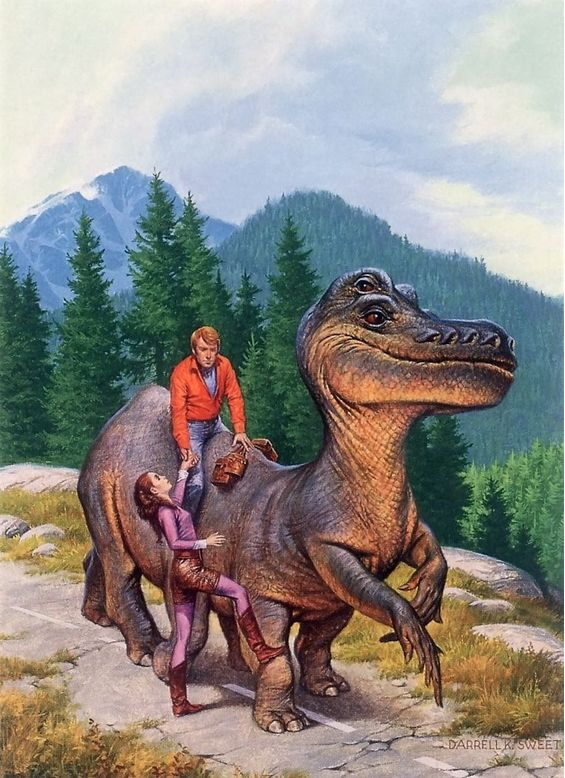
1954, serialized in The Magazine Of Fantasy And Science Fiction, Star Lummox, what a lummox, a very 1950s word, clumsy stupid person, Google NGram, 1825 East Anglian slang, lumbering ox, lummoxes, knocks things over, breaks things, Maissa liked it, so simple, a girl with some brains and some power?, uncharacteristic, no female presence at all, Betty is a plot driver, one of six sexes, she as a matter of convenience, a meaningless spectrum, in the context of the Hroshii, what feels like a massive coincidence, she’s on Earth, two plotlines, the UN guys having meetings and firing and quitting, the fun stuff, Lummox on the run, Lummox on trial, the major drama, puts the focus on the coincidence, a microscale and a macroscale, still great Heinlein, simplistic, interesting themes, utopia, they’re trying, Kiku the diplomat is in charge of everything, elected represented is undermined by the deep state, bureaucracy, comedy of errors, contradictions and complexities, Sergei Greenberg, the Watson, tell not show, Farmer In The Sky, boy goes to planet and farms, threats can come out of nowhere, a central government, tiny hints, a WWIV anti-tank gun, the 2nd century, double focus, boy, pet and friend, escaping in the wilderness, galactic maneuverings, immigration, pushing people off Earth, which is dumber?, coincidence and conveniences, there’s a Star Beast with lotsa legs, 4 generations, from any other boy’s point of view, good Heinlein, a boy raised by aliens, the reversal at the end, Lummox has been raising John Thomases, a science fiction idea, the relationships between humans and their pets, sentient aliens (should?) have hands, who can buy who?, if these we are putting the juveniles in reading order (younger to older), Citizen Of The Galaxy, Have Space Suit, Will Travel, diplomatic maneuverings and court stuff, thinking with the brain of an adult, the Godzilla aspect, Clifford The Big Red Star Beast, what kids will like about something, a big purple dinosaur, Barney, conflating for comic effect, I hate all this stuff about the negotiations, they’ll eat it, that reunification scene, all the ashtrays and the smoking, furiously smoking, popping pills on the reg, eat your roughage, a dragon lookin thing with a big smile on its four eyed face, old man sitting around his pool with his lawyers for 18,000 pages, Red Planet, Willis is kinda Lummox, galactic diplomacy and politics, democracy, we’re a republic not a democracy, his elected superior, we are the leading nation, senators from all over the planet, the United States of North And South America, probably set in Colorado or thereabouts, freeways are overgrown, flying cars, a depopulated North America, smoke filled rooms in small towns, not enough worldbuilding, atomic weapons, weird adventures, how the world worked, all the Heinlein haters, hating Heinlein for the wrong reasons, Mr. Kiku is pictured and not a black man, the original serial is slightly abridged (at least), wooly haired, racism?, often times the artist is told what the book is about, that’s capitalism not racism, Lummox is also not pictured, a kids book with no-star beast on the cover?, Johnny and Slugger and flying, two legs and half of a side, a bizarre choice, a commercial production, smiling dinosaur beagle, a train, spindly arms, diplodocus, the voice, the baby girl voice in the Full Cast Audio production, all the other Heinlein girls and boys, John Thomas oblivious to her plans, these gender fashions flip, the girls chasing after boys, Sadie Hawkins dystopia, on leap years girls are allowed to propose to men, Data at Sadie Hawkins dance, Star Trek: 90210, phone rigged up in his attic fort, a box of books boys somehow always get, a box of pornography, Heinlein doesn’t shy away, very strange and weird, the macro/micro, a princess of earth, a reverse of A Princess Of Mars, a Kwisatz Haderach to make the perfect space beast, the breeding of John Thomases, wrestling around, did I ever tell you why I divorced my parents, lean in closer to the book, what the parents did that was so wrong, parental abuse, molestation, those woolen socks, the mother character, how one note she was, very manipulative, not a straw person, selfish, controlling and manipulative, parallels between John’s mom and Betty, make more John Thomases, what did you assume about Betty living in a dorm, Heinlein manipulating us, weirdly controlling, they’re both minors, very skillfully done, she’s studying law, you don’t have to obey police officers unless they have a warrant, the police come to the school and teach a class and then search your locker, the antics in the courtroom, the Rittenhouse trial, bamboozles the court, manipulation and tactics, she’s parallel with Kiku, she was her own lawyer, the police chief, Johnny gets on with the police chief, makin toast and eggs and coffee, don’t get in bed with the cops, Johnny’s a little bit dim, he’s gonna go to college, drag racing and hanging out with his pet, the pet of three females, what did she whisper into Johnny’s ear?, “I wanna get the pill”, “never, “we’re religious!”, argue our way to the truth, to such dark places, mentally beyond them, parochial, leaps and bounds ahead, more sinister, poor tactics, I divorced my parents because I was too smart for them, subversive ideas, “I’m transgender”, the flipping of the gender quite late in the book, Kiku and Greenberg are really dumb, its the same creature, kinda fun for kids, kids can figure it out, they’re looking for a girl and Lummox is a boy, Willis is a girl, “I’m a boy”, not going to be able to breed John Thomases very easily, he always calls her Slugger, she hits people, was she on the baseball team?, he insults her looks, she hits the softball real hard, a term of respect, no hidden agenda inside of Johnny, Johnny just gets stubborn for a while, Farah Mendelson’s The Pleasant Profession Of Robert A. Heinlein, Star Wars, he likes his backpack helicopter, when Mr. Ito’s greenhouse, space skateboards, hoverboards, his horse ate his car, Paul is triggered by Lummox voices, a touchy subject, great to hand to a kid whose parents are divorcing, everybody is independent, she came to him, she emancipated herself, some yummy metal and self-heating cans, entanglements, the star federation, why don’t you just leave everybody alone, the inescapable bureaucracy of civilization, Betty’s parents didn’t stand a chance, leaning into the deep and dark and secret and terrible, a little song that starts, it will burn the ears of the editors, pornography and gays and blacks exist, he wants to share it, the tone, whatever the deep dark secret is it wouldn’t hurt johnny, Sorensen, Heinlein’s always been interested in gender, why he shootin blanks, the most plausible thing, maybe John Thomas knew this, Christine Jorgensen, sex-reassignment surgery, deflates the breeding program, Podkayne Of Mars, birthing machines, ovafusion (lesbian babies), circumstantial, all the flipping and the six genders lummox, Gore Vidal, Myra Breckenridge, Raquel Welch and Mae West and John Huston and Farrah Fawcett, what genders means, gender as a spectrum, best to think of her as a male, we don’t have the acronym for it yet, derailing the story, she has arms, she’s getting boobs!, we’re really lucky dogs don’t have hands, dogs would be so handsy, cats, the human breeding program will result in the ultimate John Thomas in about 10,000 years, high fashion to have human pets, invites a sequel, The Star Beasts are humans, furry animals, Space Lummox, is a komodo dragon a beast?, scorpions aren’t beasts, developing the arms, what is that thing?, a tumor, its normal because its normal, 150 years to learn English, the test for intelligence, Little Fuzzy by H. Beam Piper, Illegal Alien by Robert J. Sawyer, legally a human, the introduction, the Houyhnhnms section of Gulliver’s Travels by Jonathan Swift, William H. Patterson, a fantasy disguised as J. Francis McComas, my first beast, the best one, not wholesome like this, good for adults too, less corny than The Rolling Stones, one little conversation, civilization is in crisis because of all these aliens, keeping these Republican norms, the Sorenson whisper, the bureaucrats have to run the machine, cynical vs. optimistic views of democracy, Heinlein’s views on communism, Heinlein’s views on nuclear testing, deep stuff, adults who would like a charming read about a talking animal, Heinlein doing his diversity thing here, Jesse is Maissa’s Betty, the spunky protagonist?, overcoming the fear of the Medusa, the Medusan is also transgender, the passive protagonist?, the makeup thing, unusual patterns, everything is transgender, another gender swap, the deep fear of the snakehead, testes turned into ovaries, hypnotherapy as a crutch, Starship Troopers, hypnosis, an excuse to help you quit smoking, Heinlein is regressive in his pushing of hypnosis, more like Dianetics than it is like rocketry, how you relate to another so different from you, Lummox’s speech, assuming an Italian is illiterate, how can people say Heinlein is turgid?, he’s anti-racist, a slur, a smear, not an awkward bone in this book, two [amicus] groups, the Friends Of Lummox, Keep Earth For Humans, one is adults, one is kids, we like breakfast cereal, Murgatroyd, the Russian edition on ebay, PiggWiggy, having adventures eating cereal, preaching race tolerance, I will not sit down with that puppet, anti-puppet, brinksmanship shit, luckily your Heinlein and writing both sides of the conversation, Heinlein’s worst instinct, c’mon mom, be partisan and be right, we’re on Lummox’s side, nobody complains about the missing dog, deciding not to eat Mr. Ito, this book is really about power, lummox has hands, wipe your own butt or get your own cup, disability, the relationship of power to power, relations between the species for the rest of time, a book about power, a hereditary monarchy with a breeding program, we can’t judge their culture, The [Men] In The Walls by William Tenn, the psychology of the mice, like parents, manipulator, the translator is manipulating both sides, interpreter for hire, Stranger In A Strange Land by Robert A. Heinlein, the fair witness, somebody said somebody was a bad person, we can fix our shoddy eyewitness testimony by fixing the sentences we put in our own heads, the truth meter, played for laughs, testifying about her feelings, technology our way out of stuff, the human mind’s way of storing data and making judgements, telepathy transmitters, a visual translation, eyes are wildly fluctuating, John Thomas will say: “Me too”, Star Trek’s computer is judging Captain Kirk, a huge mental mistake, Planet Of The Apes, Heinlein’s not fulfilling Campbell’s request, a Weinbaum story, hang out and get pet for a century, our relationship to puppies, a very compressed youth, an immortal being, petting my John Thomases, Lummox gets bored, what kind of patience, a very human thing to do, tigers just eat smaller animals, arsenic makes them grow, all symbolic, why does she go on a diet at the end?, she’s gotta get hot for her wedding, stop eating candy, stop eating cars, a short lived pet, precious babies or property or chattel, they’re out friends, a lady in Quesnel, BC got her leg licked by a bear, we wanna nuke your planet, give us our queen’s corgi, War Of The Worlds but just combing the Earth, implicit mirroring, whether Lummox can testify or not, wandering princess, hostage negotiation, we don’t engage philosophically with dogs, sufficiently alien aliens, an adult reading a kid’s book, Lummox indulged Johnny, you want have me sit a yard for a year?, after 150 years, there are no Buicks today?, Motortrend, brands are things you sell to other companies, a Toyota that’s a Ford, the Packard’s coming back, a branding exercise, the Lincoln Navigator, imprints survive as IP, all the young men love the classic Buicks, a flight harness, when he takes Johnny to the vet, corgis for everybody, an exclusive brand, a great opening for the surprise sequel, spaceships are disappearing, humans are being disappeared, very cute puppies, a deeply pet book, you’re going to wear this outdoor socky thing on your feets, a single dad, a single mom, the controlling mother, Suddenly (1954), parallels, media with controlling mothers, Philip K. Dick’s mom, people having relationships in the 20th century, shameful but possible, a trope character, off-screen, trip to Hawaii, 17 pickle dishes, Heinlein’s joke, Heinlein is very stupid in hypnotism, Hardy Boys, Nancy Drew, slim volume hardcovers, Harry Potter, Rick Riordan, no Heinlein boxed set with decent covers, what the fuck is wrong with their brains?, 8 Heinlein juveniles in a boxed set, youthful reading, why is that?, Heinlein is not a giant name, Roald Dahl, James And The Giant Peach, Predestination, there should be boxed sets of Heinlein every generation, broken minded, a legacy organization, it will do material good to minds, the entire Heinlein fiction is the Virginia edition $1,400, riddled with typos, a luxury good, mass market paperback for $9.99, sell like the wheatcakes, I love TITS (Tunnel In The Sky), Jesse was dissing Heinlein and looking at TITS online, pitch for TITS, something goes wrong, Hunger Games style, really good, Paul loves TITS, Lummox triggered, Hi I’m Trish, Boxing Day, put TITS on the schedule, excommunicated from the island, Lord Of The Flies by William Golding, Rite Of Passage by Alexei Panshin, othering Jesse, privileging academics, don’t slur me, 10 degrees is warm (and cold), alien words, actual turban vs. snakes for hair who needs a turban, get him outta bed, not a very good movie, the self-lighting cigarette, trying to quit smoking, maybe a pipe, a serious smoker without a light, H. Beam Piper was a smoking machine, British is weird, a really interesting podcast about those puppies, Rite Gud, solid heads on shoulders despite being modern authors, squeecore, new wave, cyberpunk, The Painful Threshold, “hells yeah”, maudlin mawkish or glib, Whedonesque quips, the character that represents feminism pegs the character that represents the patriarchy, this is what we’re exploring right now, remixing the public domain with vampires or zombies, 10 Years A Slave To The Robot Queen, Ace Galaksi, very Betty of you, so Betty, Betty is a great character, Stranger In A Strange Land, so horrible, pizza, of course it was, raw frozen chicken wings, dog minds, dog diets, a beagle pomeranian, parvo virus, little bag, little mask, little vaccination sticker, too many puppy blogs, why Fauci might get canceled, beagle faces, funding dog torture, when we find out what the aliens sound like in their native language, rethink your whole life, a never ending parent, be your pet’s advocate, catering to dog needs, siri needs to speak dog, a smart telepathic collar, What Is Horror?, Klim’s Journey Under The Ground by Baron Ludvig Holberg, The Midwich Cuckoos by John Wyndham, Children Of The Damned (1964), John Carpenter (1995).






Posted by Jesse WillisBecome a Patron!



 A New Beginning