News, Reviews, and Commentary on all forms of science fiction, fantasy, and horror audio. Audiobooks, audio drama, podcasts; we discuss all of it here. Mystery, crime, and noir audio are also fair game.
Julie Hoverson’s long running and prolific anthology podcast, 19 Nocturne Boulevard, features original and adapted “strange stories.” Since it began back in 2009 I’ve pretty much ignored it completely. This is pretty odd considering that Hoverson’s output rivals that of the mighty Bill Hollweg and that she’s been doing something I’m always boosting (adapting public domain Science Fiction, Fantasy and Horror). To be fair though, I had heard a couple of shows, most recently Snafu, but every time I’d listened to a 19 Nocturne show I’d come away with nothing to say. It took a recent email from Hoverson to get me to write something. Hoverson pointed out her new adaptation of Phillips Barbee’s The Leech. That title stirred a vague memory, then piqued my interest greatly, as I recalled that Phillips Barbee was actually the great Robert Sheckley!
When it was first published, in the December 1952 issue of Galaxy magazine, The Leech was credited to “Phillips Barbee” – a one-off pseudonym, presumably it was only used at all because there were two Sheckley stories running in that issue. All subsequent publications have credited The Leech to Sheckley alone.
As one of the first ever Sheckley stories to be published, The Leech is interesting in itself. But as a kind of precursor to The Blob – which itself has an ancestor of sorts in H.P. Lovecraft’s The Colour Out of Space (which Hoverson has also read) it is even more interesting. The trope of a knowledgeable professor character investigating a dangerous object from space would be picked up for the 1953 BBC serial The Quatermass Experiment. In structure, however, The Leech more closely resembles the 1959 Manly Wade Wellman novel Giants From Eternity (look for a review of that soon). And it also bears some small resemblance to John W. Campbell’s 1938 novella Who Goes there? (and thus the movies The Thing and The Thing From Another World). Even Dean Koontz’s Phantoms |READ OUR REVIEW| has some sort of ancestry or parallel in The Leech. In short this is a kind of a subgenre’s subgenre that I don’t know the name of.
As for Hoverson’s adaptation of The Leech, it’s pretty darned slick, with good acting and sound effects. There’s even a theremin! It’s also fairly faithful to Sheckley’s story going with the humor, using much of the dialogue, the setting and the period. But, as with most audio drama, Hoverson’s script completely disposes with the third person omniscient narration, opting instead for to give the alien a voice – or voices in this case (the Leech seems to be performed as a kind of hive mind). This choice leaves the ending more open to interpretation than does the original text. The Leech is one of the best amateur audio drama adaptations of a public domain story yet! Highly recommended.
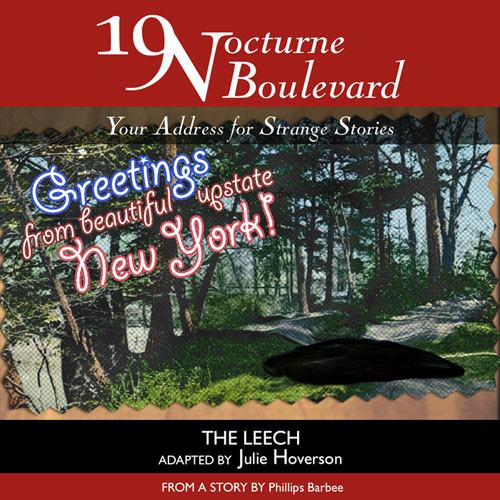
19 Nocturne Boulevard – The Leech
Adapted by Julie Hoverson; From the story by Robert Sheckley; Performed by a full cast
1 |MP3| – Approx. 40 Minutes [AUDIO DRAMA]
Podcaster: 19 Nocturne Boulevard
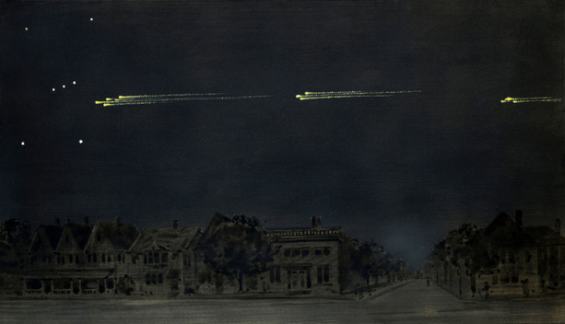
Podcast: February 23, 2011 Classic era science fiction about a very odd visitor from outer space.The Leech was first published in the December 1952 issue of Galaxy Science Fiction.
Cast:
Professor Michaels … Grant Baciocco
Frank Connors … Bryan Hendrickson
Mrs. Jones … Kimberly Poole
Sheriff Flynn … Glen Hallstrom
General O’Donnell … Chuck Burke
Allenson, scientist … Cary Ayers
Moriarty, physicist … Eleiece Krawiec
Brigadier-General … H. Keith Lyons
Driver … Cary Ayers
Soldier1 … John Carroll
Soldier2 … Lothar Tuppan
Pilot … Mark Olson
The Leech … Suzanne Dunn, Will Watt, James Sedgwick, Julie Hoverson
Music by misterscott99
Editing and Sound: Julie Hoverson
Cover Design: Brett Coulstock
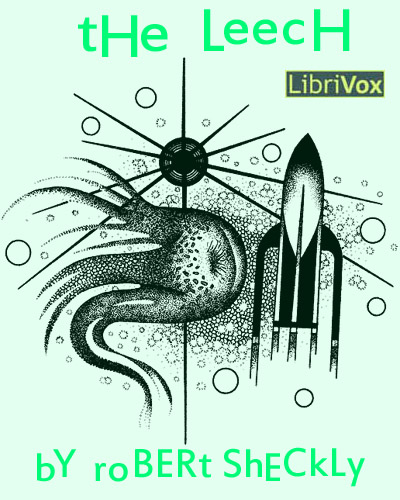
And since we’re talking The Leech, I should also point out there is a new reading, found in the recently completed LibriVox Short Science Fiction Collection Vol. 042 collection…
The Leech
By Robert Sheckley; Read by Gregg Margarite
1 |MP3| – Approx. 40 Minutes [UNABRIDGED]
Publisher: LibriVox.org
Published: November 28, 2010
Etext: Gutenberg.org A visitor should be fed, but this one could eat you out of house and home … literally! From Galaxy Science Fiction December 1952.
The C-Chute is one of the few Isaac Asimov stories that features aliens. Set during an interstellar war, it tells the story of a group of humans that are captured and imprisoned by an alien species. Most of the action of the tale comes in the playing out the group’s psychology. They all have differing backgrounds, experiences and motivations. – It kind of sounds like Cube right? – The story was originally submitted under the title “Greater Love.” But, as it was altered to The C-Chute as a part of several modifcations demanded by Galaxy Magazine editor, H.L. Gold. Asimov, who didn’t like the changes, was inspired to write another short story (The Monkey’s Finger) in which a fantasy writer, and his editor, get into a similar dispute.
Here’s the Galaxy magazine teaser for The C-Chute:
“Captured by an unthinkably alien race, the terrestrial spachsip formed a desperate human microcosm. Somebody had to be a hero … but who was it to be … and why?”
X-Minus One – The C-Chute
Based on the short story by Isaac Asimov; Performed by a full cast
1 |MP3| – Approx. 29 Minutes [RADIO DRAMA]
Broadcaster: NBC
Broadcast: February 8, 1956
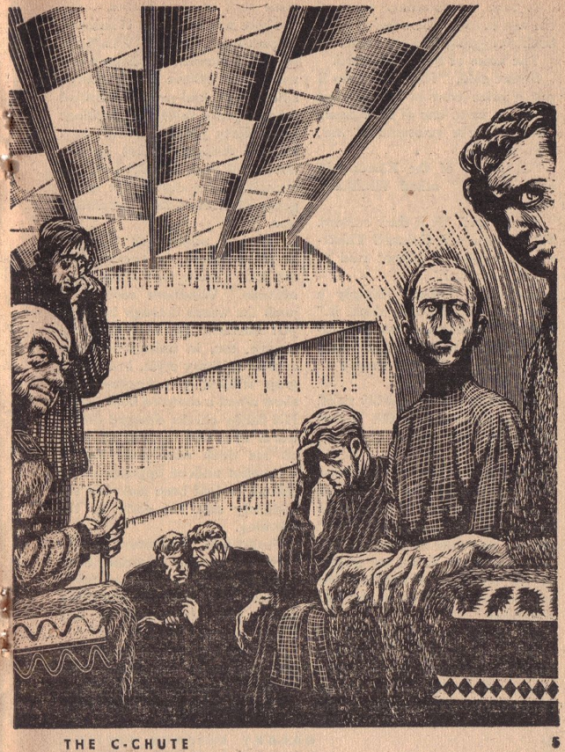
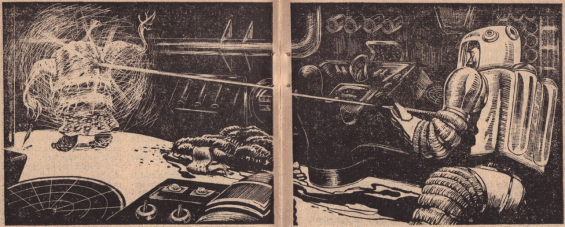
Provider: Archive.org During Earth’s first interstellar war, a civilian transport traveling to Earth is captured by a spaceship piloted by the Kloros, a chlorine-breathing race of intelligent beings. They place two of their own on board the humans’ spaceship. With the human passengers sequestered as prisoners of war, the Kloros head to an unknown destination. The human passengers fall into argument and dispute, some coming to blows, with contradicting feelings on what should be done. Opinions range from a violent counteroffensive to a passive acceptance of their situation. Only Mullen, a shy, mild-mannered, short bookkeeper, is willing to make an attempt to take back control of the ship, which he does by exiting via the C-Chute which is normally used for launching corpses for burial in space.Based on the story by Isaac Asimov, originally published in Galaxy Science Fiction, October 1951
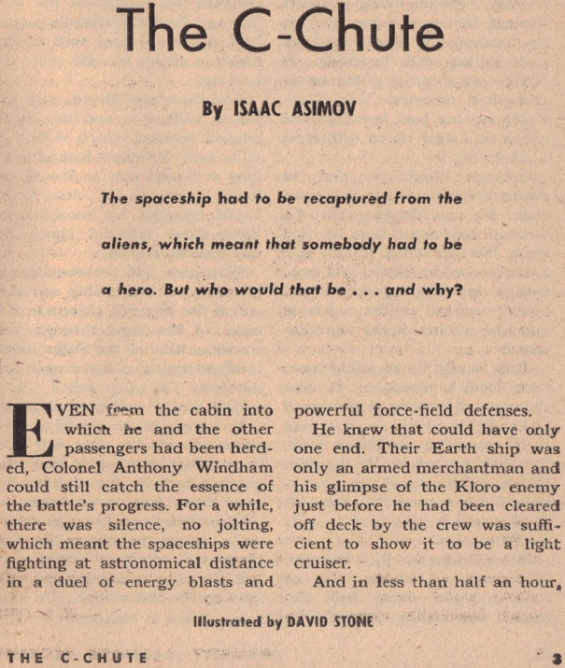
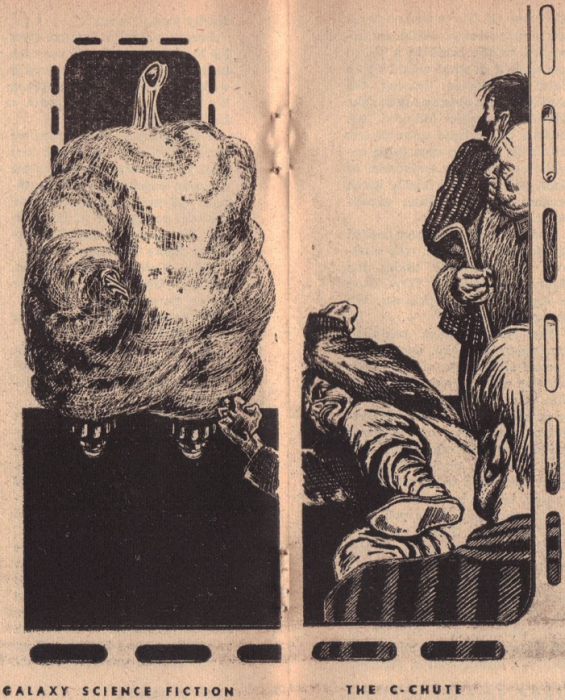
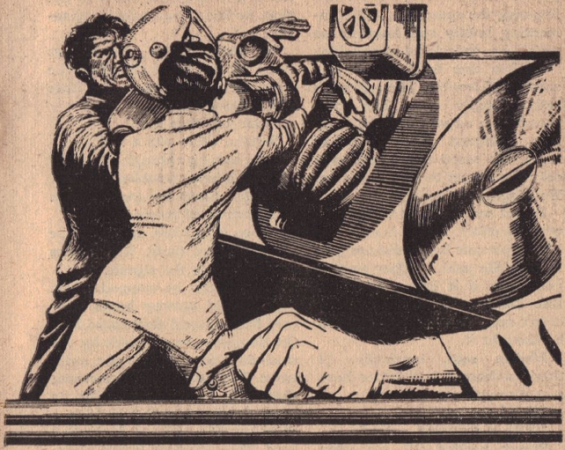
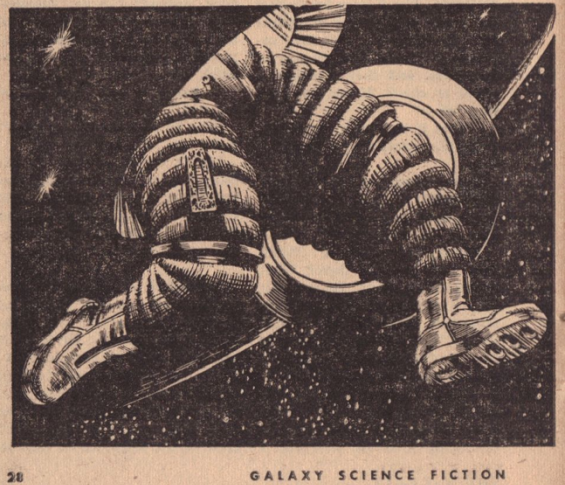
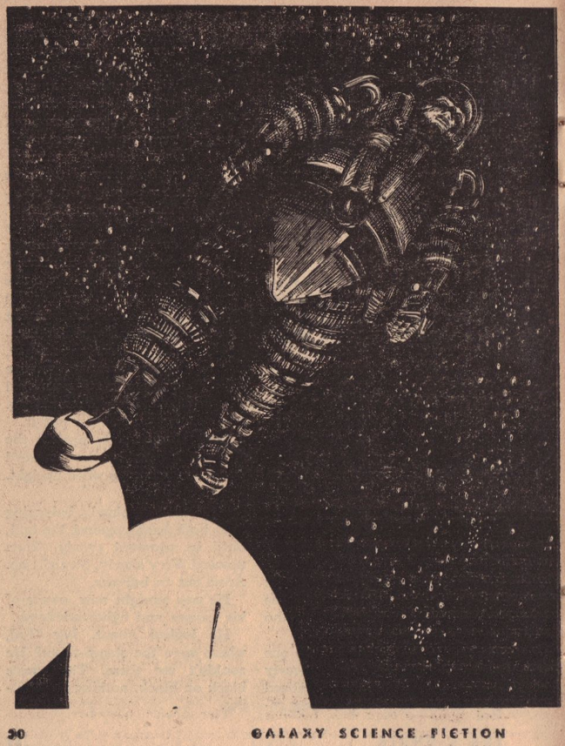
Here’s the art from the original Galaxy Magazine publication in the October 1951 issue:
I love history, it’s news for people who want to know what really happened (and are willing to wait for it). For years I’d been waiting for someone to start a podcast just like Today In Canadian History. After more than six-months I can declare it a total success. Today In Canadian History is the perfect length for a daily podcast, running about ten minutes per episode. It uses concise interviews with enthusiastic experts to spectacular effect. Unlike some other history podcasts, Today In Canadian History is a true generalist history podcast – it covers everything – historical figures and events, natural disasters (and phenomena), military adventures and important legislation and social policy. I could recommend a dozen episodes to any history enthusiast, but for starters I’ll point you to just three:
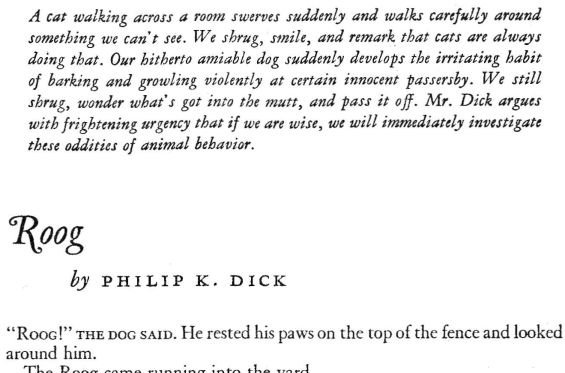
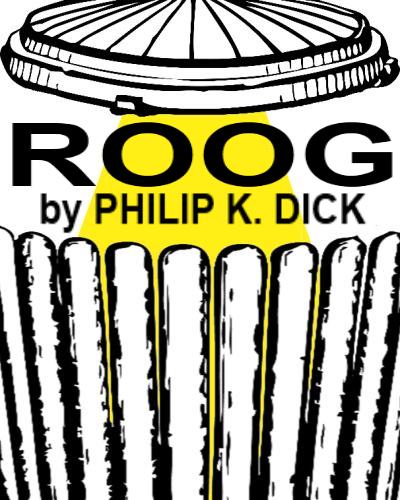
Philip K. Dick’s first sale was an often forgotten, often dismissed, 1800 word story titled Roog. It’s very short, seemingly small in scope, and often poo-pooed or ignored completely in favour of his first published short story Beyond Lies The Wub. Roog is well crafted, but more opaque, and the material seems lightweight. These factors combine to make it less understood and therefore less loved. I’ve noted that a number of reviewers and readers describe Roog as “pointless” others have said they “just don’t understand [it] at all.” I think they are giving up on the story too quickly. Based on how much he wrote and talked about it Dick obviously loved the story. Now’s your chance to enjoy it, and decode it. With this post I am assembling a compilation of my own work on Roog it, as well as that of other sources. First up, a recent podcast version by the ever elusive Miette…
When I read this extremely short story with my students I teach them about The Danegeld, I ask them to think about the difference between language and communication (which allows us to talk about the onomatopoeic title), and we inevitably work through the concept of narrative point-of-view. By the end of the story my students always understand the general thrust of the tale and they always like it (at least they tell me they like it). Over the last few weeks (and years) I’ve gleaned several insights into just how well crafted Roog really is. Many of these ideas have been picked up by other readers and reviewers. One idea that I recently apprehended came to me as I realized the way Dick likes to play with metaphors (check out Dick’s The Eyes Have It for a whole story of it). See if you can identify the one word I spotted that might mean more than it should on an casual read. Here’s the scene:
In the heat of the noonday sun the black dog lay stretched out full length, under the porch. His chest rose and fell. In the cherry tree the birds were playing, squawking and chattering to each other. Once in a while Boris raised his head and looked at them. Presently he got to his feet and trotted down under the tree.
He was standing under the tree when he saw the two Roogs sitting on the fence, watching him
Based on this I’ve added the birds to my Character List.
Character List: Boris, a dog: Described as being big, black, and furry, with a white ruff. Mr. Alf Cardossi: Speaks with an oddly clipped grammar Mrs. Cardossi: She sweeps the porch and worries about having to send Boris away. The first Roog: Described as being “a small Roog, thin and white, on wobbly legs.” It blinks, sniffs and minces. The second Roogs: They carry a map, show contempt for Boris, and talk about their plan. They return on Friday morning. Birds: “In the cherry tree the birds were playing, squawking and chattering to each other.”
When explaining the vital role played by perspective in Roog I often use this chart:
Perspective:
BORIS
ROOG
CARDOSSI
The garbage is:
something owned by the Cardossi
the offering
just garbage
The Roogs are:
strangers
people
garbage men
The Cardossis are:
the masters (who
need protection and warning)
?
persons
Boris is:
a dog (a person?)
a Guardian
just a dumb dog
What follows is materials from other researchers (usually quoting Dick himself):
Dick wrote the following in a 1978 essay about Roog:
“So here, in a primitive form, is the basis of much of my twenty-seven years of professional writing: the attempt to get into another person’s head, or another creature’s head, and see out from his eyes or its eyes, and the more different that person is from the rest of us the better. You start with the sentient entity and work outward, inferring its world. Obviously, you can’t ever really know what its world is like, but, I think, you can make some pretty good guesses. I began to develop the idea that each creature lives in a world somewhat different from all the other creatures and their worlds. I still think this is true. To Snooper, garbagemen were sinister and horrible. I think he literally saw them differently than we humans did.”
A close reading of the story reveals that multiple perspectives are needed to understand all that is going on. Dick, in an interview with Richard Lupoff, described it saying:
It’s about garbage men. It’s about a dog who can sense that the garbage men are predatory carnivores from another planet, who accept the garbage each week as a propitiatory offering in surrogate for the people themselves. But eventually these garbage men will tire of accepting these surrogate offerings and take the people in the houses and eat them. And that is how the dog sees the garbage men. The story is from the dog’s point of view and the garbage men are seen as only quasi-humanoid. They have thin necks and their heads are like pumpkins and their heads wobble.
I remember that Judith Merrill saw the story and refused to anthologize it because she said that garbage men don’t have thin necks, and wobbly heads, and so on. It’s not true. So I wrote her a long letter explaining to her that that’s the way the dog saw it and she would have to accept the dog’s viewpoint. But she still wouldn’t accept the story for anthologizing because she said it just wasn’t true. Garbage men aren’t that way.
So I said to her, “It’s a fantasy, Judy. A fantasy. Do you understand what is meant by a fantasy?” But she said, “No, a fantasy is a story with a fantasy premise, and then it’s realistic from then on.”
So I said that in this story the fantasy premise is that the dog has a different point of view from us and that everything is predicated on that. But I couldn’t convince her. The story is still in print. Bob Silverberg reprinted it recently in one of his collections, Science Fiction Bestiary, so it’s still in print.
…
I ran into a lot of opposition because my early fantasy stories were essentially psychological stories. They were heavily into anxieties such as animals or children feel, in which the thing that was feared would actually come into existence and was treated objectively.
I just gave up writing them, finally. People would make that kind of criticism. They would say, “There’s no such thing as…” Their sentences would begin that way. So finally I just gave up and went over and wrote science fiction and abandoned the fantasy format. Because what I meant by a fantasy was evidently not what other people meant by a fantasy. My idea of a fantasy was where the archetypal elements become objectified and you have an exteriorization of what our inner contents are.
I remember I had a term I used to defend this kind of internal projection stories. Stories where internal psychological elements were projected onto the outer world and became three dimensional and real and concrete. Scott, my agent, wrote me incredibly long letters saying that there was no such thing. There was the inner world of dreams and fantasies and the unconscious and then there was the objective outer world, and the two never mixed. So I gave up.
Later, when I’d established myself more securely in the field, I began to go and do it in such books as The Three Stigmata of Palmer Eldritch. I reverted to what I wanted to do and had the nightmare inner content objectified in the outer world. So I slowly began to reintroduce those elements into my writing.
Ensconced in his garret-like slanted ceiling apartment at Dwight Way, Dick and his newly wed Kleo savored the vicissitudes of simple meals, primary colors, hi-fi sides of Mahler and Turk Murphy, leafing through the DIVINE COMEDY or decoding tongue-twisting fragments of Heraclitus, immersing themselves in the casual Bohemia of the Berkeley intelligentsia circa ’51. The peculiar antics of a neighbor dog soon intrigued unemployed Phil and he began spinning a cano-centric fantasy about the whys and wherefores of the dog’s behavior:
“This little story, ROOG, is about an actual dog whose name was Snooper. Snooper believed as much in his work as I did in my writing. Apparently, his work was to see that no one stole the food from his owner’s garbage can. Snooper was laboring under the delusion that his owners considered the garbage valuable. Every day they’d carry out paper sacks of delicious food and carefully deposit them in a strong metal container, placing the lid down firmly. At the end of the week the garbage can was full–whereupon the worst assortment of evil entities in the Sol System drove up in a huge truck and stole the food. Snooper knew which day of the week this happened on; it was always on Friday. So about 5 am on Friday, Snooper would emit his first bark. My wife and I figured that was about the time the garbagemen’s alarm clocks were going off. Snooper knew when they left their houses. He could hear them. He was the only one who knew; everybody else ignored what was afoot. Snooper must have thought he inhabited a planet of lunatics. His barking drove me out of my mind every week, but I was more fascinated by Snooper’s logic than I was annoyed by his frantic efforts to rouse us. I asked myself, ‘What must the world look like to that dog?’ Obviously he doesn’t see as we see. He has developed a complete system of beliefs, a world view totally different from ours, but logical given the evidence he is basing it on.”
This crisply honed garbage-can tale entitled “Roog” was to be the proto-form for much of Phil’s 27 years of professional writing:
“You start from a sentient entity and work outward, inferring its world. And each creature lives in a world somewhat askew from all other creatures and their worlds. You can’t ever really know what its world is like, but you can make some pretty good guesses.”
From a 1971 interview at Redwood High School, Larkspur, California:
First Student: Can you explain what “Roog” is all about?
Philip K. Dick: All right. Put yourself in the world of a dog. Let’s say you’ve just brought the dog home. He’s never seen a garbage man; he’s never seen a garbage pail. You put him in the yard. What would happen?
First Student: He’d try to guard the garbage pail.
Dick: Right. Because he thinks that what you are doing every day when you take out the garbage is that you’re storing the garbage in a very strong container where nobody will get it. You take it out to this metal container, put the garbage in, and carefully put a lid on it. Even a lid that can hardly be opened. You go into the house. Everyday you do the same thing. After a few days, you’ve got a whole can full of this stuff. He can smell it. Every day it smells better. After a few days he begins to think, “How can I get some of that?” Then, when it’s just ripe, full, and ready to be eaten, these guys show up and take it. And the dog is freaked out. He says, “What is going on? This one is ready and it gets ripped off.” OK. Then, after a while he realizes why he’s there – that it’s his job to keep these guys from ripping off all this valuable stuff. And it’s no garbage to him. It’s a depository for the most precious possession that the people have – because to him its food, which is his most precious possession – the thing he would guard. It’s like his dish. If some other dog starts for his dish, he jumps that dog. So the dog, he thinks about jumping the garbage men. But he wouldn’t see them as men at all – he’d see them as creatures – vague creatures that come in the dawn, different from the people of the house.
So, what this is, is what I would think it might be like to a dog. It’s sort of the world a dog would create; an elaboration in his mind – if he can do that. So finally you have this, elaborated over a period of years, because in the story he’s been doing this for a long time. And, as it mentions, he’s getting worse all the time. He barks more. Then, the fantasy element is this: that eventually they’re going to get rid of the dog; he barks too much. What’s going to happen next? Well, from his standpoint, if he could think it out, that’s the end – not only will the creatures get the food from the garbage pail, they’ll get his family. Ultimately they’ll get the people.
Second Student: How about the part where the Roogs are up on the fence?
Dick: Now that’s why this is actually a fantasy more than just a viewpoint tale. Because that, of course, doesn’t really happen in real life. Garbagemen don’t jeer at the dogs. At least I don’t think so.
Second Student: They might. Maybe we don’t hear it.
Dick: (pointing to dog sleeping at his feet) Ask the dog. Maybe he knows something we don’t know. This is an elaboration of a fantasy area – a kind of psychological fantasy area. He says, “Hey! You there, man. You with the funny-looking fur. What’s your racket? What are you doing?” And you don’t know whatever really annoys the dog. In other words, it’s like the dog’s dreams of his own world. Not just the dog’s – his own dream of his own world – his own nightmare of his world. We can’t even feel his world, and we certainly can’t feel his nightmare of his world. And this is the nightmare of his world.
This is the first story that I wrote in 1951. I read it over this morning – I hadn’t read it for a long time – and I realized just how much into the dream of that world I went. For example, at the end when the Roogs look up toward the house at the people inside – it’s obvious – it’s obvious what’s going to happen. (Reading from the story) “Then slowly, silently, the Roogs looked up, up the side of the house, along the stucco, to the window with the brown shade pulled tightly down,” which, of course is the bedroom where the people sleep, and that’s when he really yelps. And, of course, the “ROOG!” is – he’s trying to tell them what’s there. It’s the same as a bark. To him it’s a word – it’s the name of what’s there. And that’s when it’s over for him. (Reading again) “He came toward the Roogs, dancing with fury…” And then, later on, the dog settles down, “His mouth still open and from the depths of him an unhappy terrible moan issued forth, a wail of misery and despair.” He knew he’d failed. He knew that eventually he’d be gone. Eventually they’d come for the people. It’s just a question of time. And the Roogs know it, too. They know it in his nightmare. He feels them knowing it. They say it. It’s really him saying it for them. (Reading again) “Don’t be impatient, one of the Roogs says, (the dog is thinking). Our truck is full enough as it is. Let’s leave something for next week.”
Third Student: What did you mean by the description of the Roogs – giving them wobbly heads and legs? What does this mean to the dog?
Dick: It’s the thing that would be most awful to him. Well, it’s the thing that would be the most awful to me. In other words, you write something like this – you forget who you are as a writer. The first thing is, you are that dog – you’re the freaked out dog. Then you’re hallucinating the stuff. So that to me, is the way I would do it if I were the dog. Of course, you really don’t know – maybe dogs don’t think any at all, right? So maybe there couldn’t be any of this. In a sense – in a literal, strict, rational sense, there isn’t any Roog, there isn’t any person with wobbly legs. But in a sort of psychological, dream-like, non-symbolic sense – this has nothing to do with symbolism or metaphysics – that would be how I would conceive the most horrible creature, the way its described. And if you did it, it might appear different. You might see it differently. Whatever would strike you. A painful, ominous sense, which you really don’t understand, that kept coming back, again and again, till finally you knew it was going to get you.
Fourth Student: How did you come about the name of the Roog?
Dick: I was just trying to think of something in letters that would approximate a dog’s bark, without giving it away as a dog’s bark. Like, I couldn’t really have it say “bow-wow.”
Fifth Student: I heard it as a German Shepherd. Because people say to me that a dog goes “woof,” but I can never hear the “f.” And it just sounded more like “roog” to me.
Dick: Yeah, that’s right. That, to me, is really as close as I could get, anyway. And I knew I wasn’t going to write the story until I could write down what a dog would say. I mean, do you know a dog who says, “bow-wow”? Who ever heard a dog say, “Hi, master. Bow-wow!” Or anything like that! “Meow, Cock-a doodle-doo,” or whatever they say. So “roog” is good enough – because when you read it, you’re not supposed to realize when the dog says “roog” in the story that that is the dog’s bark. It’s a word. And then you realize that it is a dog’s bark. It’s a dog word.
In 1951, when I sold my first story, I had no idea that such fundamental issues could be pursued in the science fiction field. I began to pursue them unconsciously. My first story had to do with a dog who imagined that the garbagemen who came every Friday morning were stealing valuable food which the family had carefully stored away in a safe metal container. Every day, members of the family carried out paper sacks of nice ripe food, stuffed them into the metal container, shut the lid tightly—and when the container was full, these dreadful-looking creatures came and stole everything but the can.
Finally, in the story, the dog begins to imagine that someday the garbagemen will eat the people in the house, as well as stealing their food. Of course, the dog is wrong about this. We all know that garbagemen do not eat people. But the dog’s extrapolation was in a sense logical—given the facts at his disposal. The story was about a real dog, and I used to watch him and try to get inside his head and imagine how he saw the world. Certainly, I decided, that dog sees the world quite differently than I do, or any humans do. And then I began to think, Maybe each human being lives in a unique world, a private world, a world different from those inhabited and experienced by all other humans. And that led me wonder, If reality differs from person to person, can we speak of reality singular, or shouldn’t we really be talking about plural realities? And if there are plural realities, are some more true (more real) than others? What about the world of a schizophrenic? Maybe, it’s as real as our world. Maybe we cannot say that we are in touch with reality and he is not, but should instead say, His reality is so different from ours that he can’t explain his to us, and we can’t explain ours to him. The problem, then, is that if subjective worlds are experienced too differently, there occurs a breakdown of communication… and there is the real illness.
Other factoids, garnered from Lawrence Sutin’s biography of PKD Divine Invasions: A Life of Philip K. Dick:
-The story was originally titled Friday Morning.
-It sold for $75 to Anthony Boucher (editor of Fantasy & Science Fiction Magazine) in October 1951
-It was published in the February 1953 issue.
-The dog Boris was based on Dick’s neighbor’s dog (named Snooper). Snooper was an Australian Shepherd.
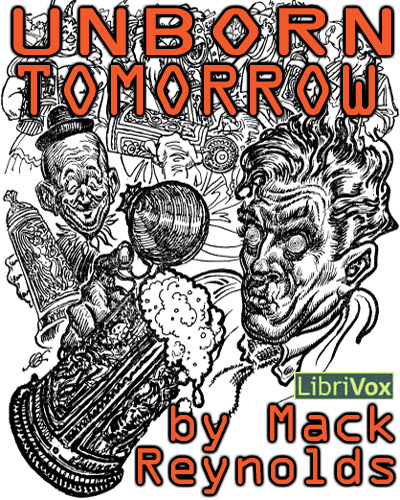
A couple of tales that stood out for me in this collection Unborn Tomorrow by Mack Reynolds is a mystery with a male and female pair of New York City private investigators who have a client with a story tell. Its, clever, funny and manages a fairly unique twist on the time travel theme. Waste Not, Want by Dave Dryfoos is the story of an aged widower living in a society in which consumer consumption isn’t just fashionable it’s required by law. This is more of a vignette than a story, but if you’re interested, that idea (compulsory consumption), also pops up in Robert Silverberg’s second novel, Starman’s Quest too.
Short Science Fiction Collection 031
By various; Read by various 15 Zipped MP3 Files or Podcast – Approx. 5 Hours 31 Minutes [UNABRIDGED]
Published: LibriVox.org
Published: November 19, 2009 Science Fiction is speculative literature that generally explores the consequences of ideas which are roughly consistent with nature and scientific method, but are not facts of the author’s contemporary world. The stories often represent philosophical thought experiments presented in entertaining ways. Protagonists typically “think” rather than “shoot” their way out of problems, but the definition is flexible because there are no limits on an author’s imagination. The reader-selected stories presented here were written prior to 1962 and became US public domain texts when their copyrights expired.
Competition
By James Causey; Read by Bellona Times
1 |MP3| – Approx. 22 Minutes [UNABRIDGED]
Published: LibriVox.org
Published: November 19, 2009 They would learn what caused the murderous disease—if it was the last thing they did! From Galaxy Science Fiction May 1955.
Devil’s Asteroid
By Manly Wade Wellman; Read by Gregg Margarite
1 |MP3| – Approx. 1 Hour 6 Minutes [UNABRIDGED]
Published: LibriVox.org
Published: November 19, 2009 “The Rock Bred Evolution in Reverse!” From Comet July 1941.
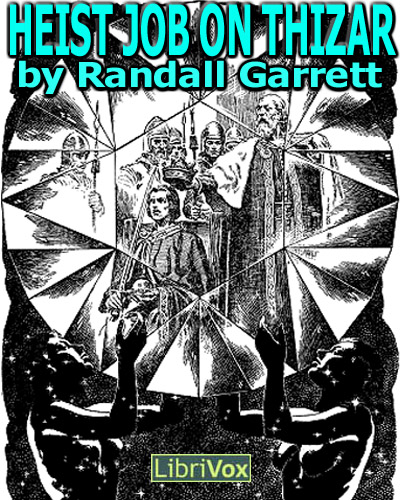
Heist Job On Thizar
By Randall Garrett; Read by Norm
1 |MP3| – Approx. 24 Minutes [UNABRIDGED]
Published: LibriVox.org
Published: November 19, 2009 In the future, we may discover new planets; our ships may rocket to new worlds; robots may be smarter than people. But we’ll still have slick characters willing and able to turn a fast buck—even though they have to be smarter than Einstein to do it. From Amazing Stories October 1956.
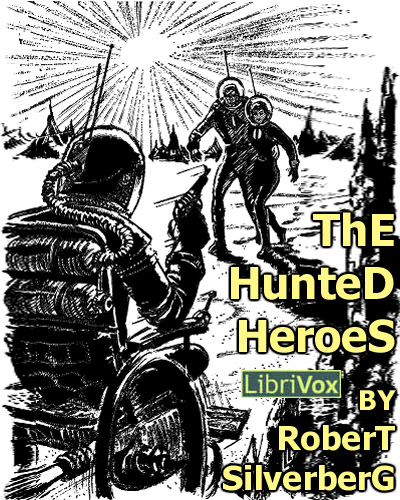
The Hunted Heroes
By Robert Silverberg; Read by Gregg Margarite
1 |MP3| – Approx. 31 Minutes [UNABRIDGED]
Published: LibriVox.org
Published: November 19, 2009 The planet itself was tough enough—barren, desolate, forbidding; enough to stop the most adventurous and dedicated. But they had to run head-on against a mad genius who had a motto: Death to all Terrans! From Amazing Stories September 1956.
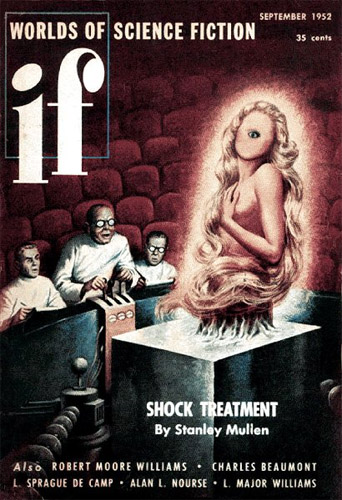
The Last Supper
By T.D. Hamm; Read by Bellona Times
1 |MP3| – Approx. 4 Minutes [UNABRIDGED]
Published: LibriVox.org
Published: November 19, 2009 Before reading this story, prepare yourself for a jolt and a chill in capsule form. O. Henry could have been proud of it. It could well become a minor classic. From If Worlds of Science Fiction September 1952.
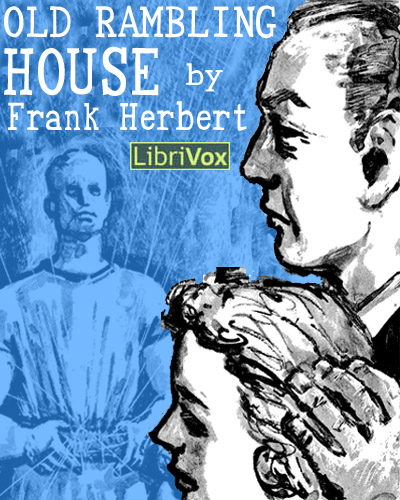
Old Rambling House
By Frank Herbert; Read by Gregg Margarite
1 |MP3| – Approx. 17 Minutes [UNABRIDGED]
Published: LibriVox.org
Published: November 19, 2009 All the Grahams desired was a home they could call their own … but what did the home want? From Galaxy Science Fiction April 1958.
Pythias
By Frederik Pohl; Read by Gregg Margarite
1 |MP3| – Approx. 12 Minutes [UNABRIDGED]
Published: LibriVox.org
Published: November 19, 2009 Sure, Larry Connaught saved my life—but it was how he did it that forced me to murder him! From Galaxy Science Fiction February 1955.
Revenge
By Arthur Porges; Read by Steven Anderson
1 |MP3| – Approx. 20 Minutes [UNABRIDGED]
Published: LibriVox.org
Published: November 19, 2009 Hell may have no fury like a woman scorned, but the fury of a biochemist scorned is just as great — and much more fiendish. From Amazing Stories February 1961.
Solander’s Radio Tomb
By Ellis Parker Butler; Read by Steven Anderson
1 |MP3| – Approx. 20 Minutes [UNABRIDGED]
Published: LibriVox.org
Published: November 19, 2009 “I first met Mr. Remington Solander shortly after I installed my first radio set. I was going in to New York on the 8:15 A.M. train and was sitting with my friend Murchison and, as a matter of course, we were talking radio.” First published in Amazing Stories June 1927, later in Amazing’s April 1956 issue.
Stop, Look and Dig
By George O. Smith; Read by Ric F
1 |MP3| – Approx. 36 Minutes [UNABRIDGED]
Published: LibriVox.org
Published: November 19, 2009 The enlightened days of mental telepathy and ESP should have made the world a better place, But the minute the Rhine Institute opened up, all the crooks decided it was time to go collegiate! First published in Space Science Fiction, March 1953.
Such Blooming Talk
By L. Major Reynolds (aka Louise Leipiar); Read by Steven Anderson
1 |MP3| – Approx. 7 Minutes [UNABRIDGED]
Published: LibriVox.org
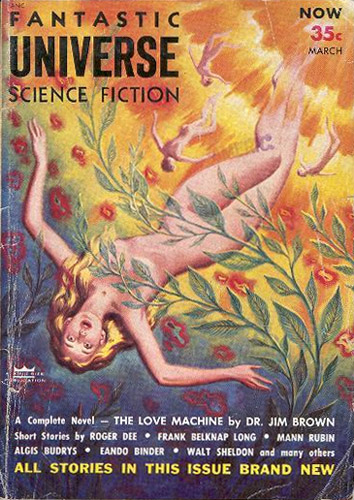
Published: November 19, 2009 A bit of levity never hurt anyone—even a science fiction editor, writer or reader, we hope. And a laugh has been known to lighten a heavy load and even change the path of history. So—we give you this brief moment with an amazed scientist and his startling creations—for a brief chuckle. From Fantastic Universe March 1954.
Sweet Their Blood And Sticky
By Albert R. Teichner; Read by Gregg Margarite
1 |MP3| – Approx. 14 Minutes [UNABRIDGED]
Published: LibriVox.org
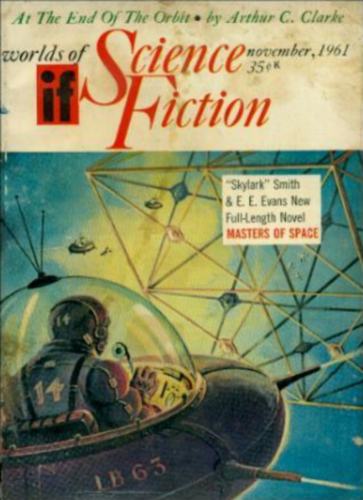
Published: November 19, 2009 They weren’t human—weren’t even related to humanity through ties of blood—but they were our heirs! From “Worlds of If” November 1961.
Unborn Tomorrow
By Mack Reynolds; Read by Bellona Times
1 |MP3| – Approx. 31 Minutes [UNABRIDGED]
Published: LibriVox.org
Published: November 19, 2009 Unfortunately, there was only one thing he could bring back from the wonderful future … and though he didn’t want to … nevertheless he did… From Astounding Science Fiction June 1959.
Vanishing Point
By C.C. Beck; Read by MGVestal
1 |MP3| – Approx. 10 Minutes [UNABRIDGED]
Published: LibriVox.org
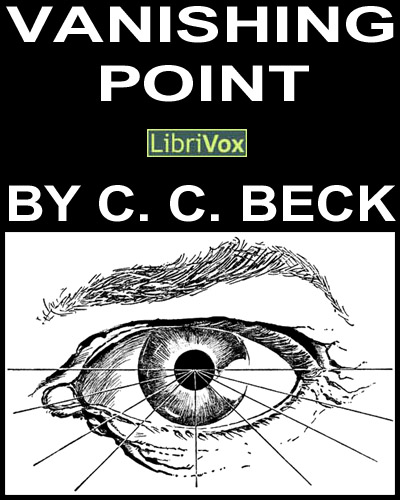
Published: November 19, 2009 In perspective, theoretically the vanishing point is at infinity, and therefore unattainable. But reality is different; vanishment occurs a lot sooner than theory suggests… From Astounding Science Fiction July 1959.
Waste Not, Want
By Dave Dryfoos; Read by Bellona Times
1 |MP3| – Approx. 18 Minutes [UNABRIDGED]
Published: LibriVox.org
Published: November 19, 2009 Eat your spinach, little man! It’s good for you. Stuff yourself with it. Be a good little consumer, or the cops will get you…. For such is the law of supply and demand! From If Worlds of Science Fiction September 1954.
[In addition to the readers, this audio book was produced by Gregg Margarite, Wendel Topper and Lucy Burgoyne]
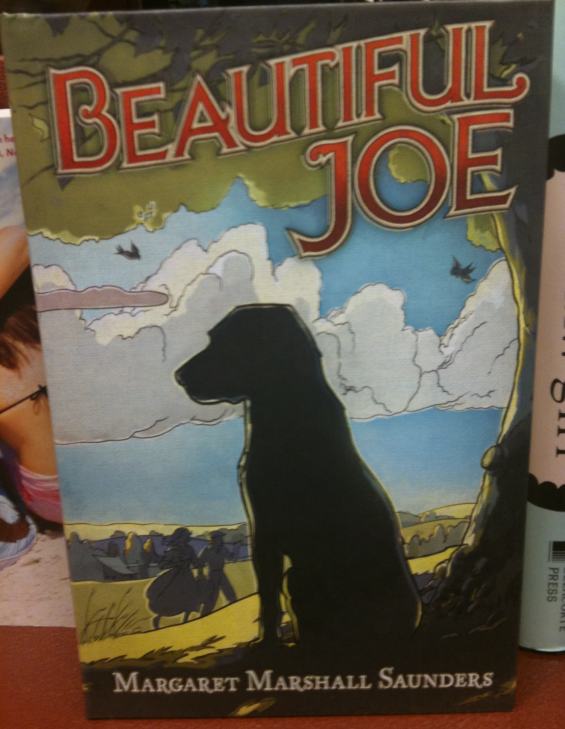
I spotted this terrific looking book while browsing book covers at a local big box bookstore.
It turns out the book is a Canadian classic, one I’d never read, or even heard of, but one which I probably should have. The illustrator, Scott Plumbe, writes of it on his blog saying:
“[Beautiful Joe was written] in the 1890s by Canadian author Margaret Marshall Saunders [it was] inspired by a real life dog who had been cruelly maltreated by his owner and was later taken in by the kindly Morris family.”
What makes the novel rather different, and thus all the more interesting, is that it’s told from the perspective of the main character (a dog). Hoping that somebody had recorded it, I did a search and found a single voiced narration of Beautiful Joe over on LibriVox!
The vintage introduction makes it sound as if Beautiful Joe is a religious novel, but the actual text is fairly secular (at least so far). This seems to be a book designed with a message in mind, that cruelty to animals is wrong, worthy of banning.
Beautiful Joe
By Marshall Saunders; Read by Allyson Hester
2 M4Bs (1,2), 19 Zipped MP3 Files or Podcast – Approx. 10 Hours 2 Minutes [UNABRIDGED]
Publisher: LibriVox.org
Published: June 6, 2008 Beautiful Joe is a real dog, and “Beautiful Joe” is his real name. He belonged during the first part of his life to a cruel master, who mutilated him in the manner described in the story. He was rescued from him, and is now living in a happy home with pleasant surroundings, and enjoys a wide local celebrity. The character of Laura is drawn from life, and to the smallest detail is truthfully depicted. The Morris family has its counterparts in real life, and nearly all of the incidents of the story are founded on fact.
The Wikipedia entry for Beautiful Joe mentions that there is a park, in Meaford, Ontario, named after Beautiful Joe. When you do a search on YouTube for same you can only get this effable, and oddly unironic, tour:

 Julie Hoverson’s long running and prolific anthology podcast, 19 Nocturne Boulevard, features original and adapted “strange stories.” Since it began back in 2009 I’ve pretty much ignored it completely. This is pretty odd considering that Hoverson’s output rivals that of the mighty Bill Hollweg and that she’s been doing something I’m always boosting (adapting public domain Science Fiction, Fantasy and Horror). To be fair though, I had heard a couple of shows, most recently Snafu, but every time I’d listened to a 19 Nocturne show I’d come away with nothing to say. It took a recent email from Hoverson to get me to write something. Hoverson pointed out her new adaptation of Phillips Barbee’s The Leech. That title stirred a vague memory, then piqued my interest greatly, as I recalled that Phillips Barbee was actually the great Robert Sheckley!
 19 Nocturne Boulevard – The Leech
 The Leech
 X-Minus One – The C-Chute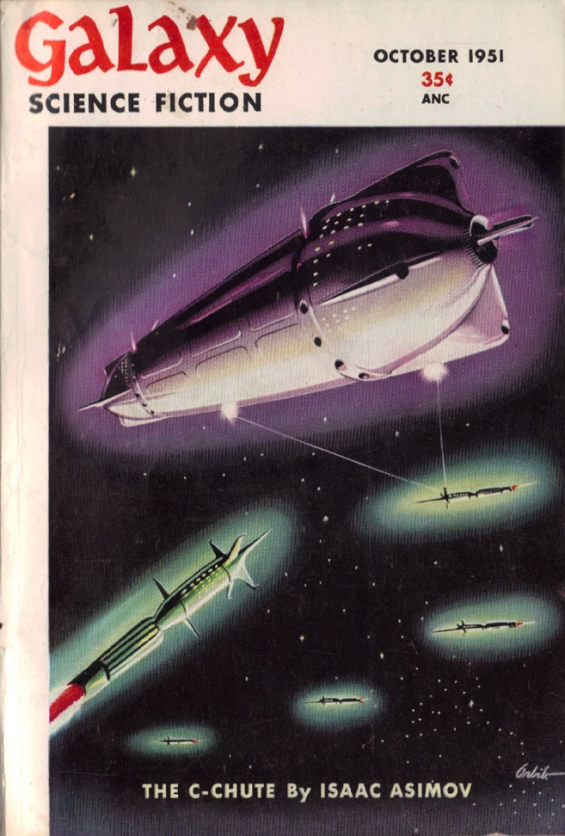

 A couple of tales that stood out for me in this collection Unborn Tomorrow by Mack Reynolds is a mystery with a male and female pair of New York City private investigators who have a client with a story tell. Its, clever, funny and manages a fairly unique twist on the time travel theme. Waste Not, Want by Dave Dryfoos is the story of an aged widower living in a society in which consumer consumption isn’t just fashionable it’s required by law. This is more of a vignette than a story, but if you’re interested, that idea (compulsory consumption), also pops up in Robert Silverberg’s second novel, Starman’s Quest too.