The SFFaudio Podcast #257 – AUDIOBOOK: The Star Rover by Jack London

Podcast

The SFFaudio PodcastThe SFFaudio Podcast #257 – The Star Rover (aka The Jacket) by Jack London, read by Barry Eads.

This UNABRIDGED AUDIOBOOK (10 hours 1 minute) comes to us courtesy of LibriVox.org. The Star Rover was first published in 1915.

The next SFFaudio Podcast will feature our discussion of it!

The Star Rover by Jack London - Frontispiece

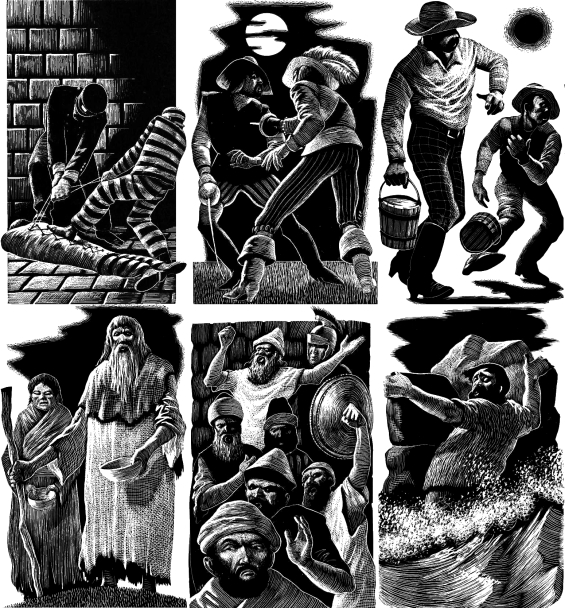
The Star Rover by Jack London - illustrations by Leonard Everett Fisher

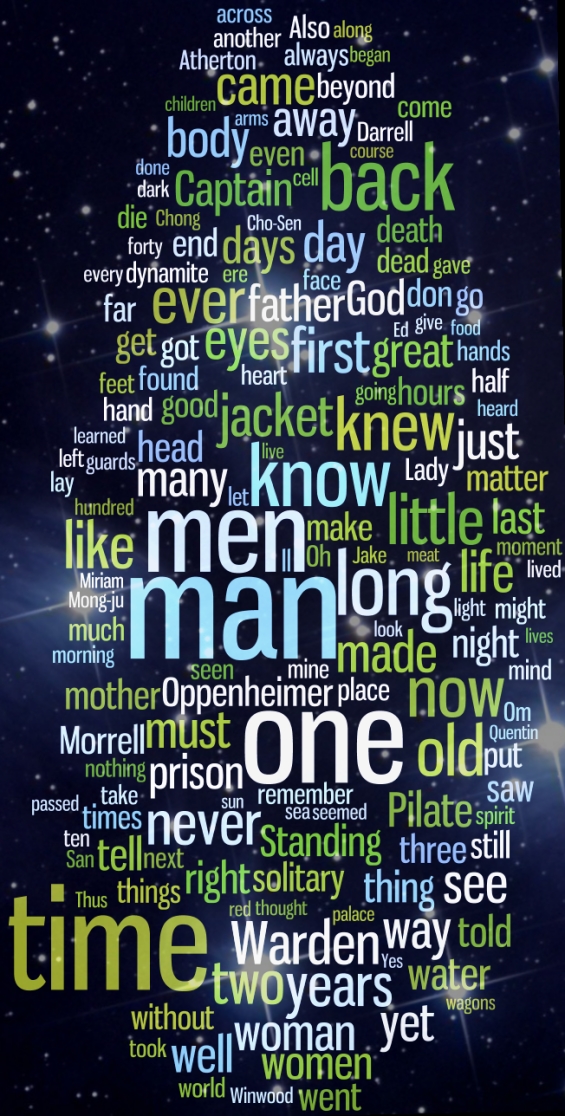
The Star Rover by Jack London - Word Cloud

Posted by Jesse Willis

The SFFaudio Podcast #256 – READALONG: Have Space Suit—Will Travel by Robert A. Heinlein

TheSFFaudioPodcast600The SFFaudio Podcast #256 – Jesse, Tamahome, Luke Burrage, Seth, and Mark Turetsky talk about the audiobook of Have Space Suit—Will Travel by Robert A. Heinlein (as narrated by Mark Turetsky for Blackstone Audio)!

Talked about on today’s show:
On the book title’s proper spacing and hyphenation; Have Gun, Will Travel TV show; Heinlein’s last “juvenile” novel; Mark “over the moon” about the opportunity to record the book; novel nominated for Hugo in 1959; parts of the novel are hard SF; Philip K. Dick’s completely unrelated story The Father Thing; ways of manipulation in the novel; Mark’s favorite character voices; correlations between the Earth characters and space characters; debunking the possibility that the story was all a dream or imaged à la Wizard of Oz; cross-novel characters in Heinlein’s novels i.e. Space Family Stone; novel followed up by Starship Troopers; detailed description of the space suit possibly inspired by Heinlein’s work on bomber pilot pressure suits during World War II; The Martian by Andy Weir; casual drug use in the novel; Mark didn’t do the helium voice in space suit scenes; comparison to full cast audio version; Kip’s conversations with inanimate space suit bear resemblance to Gravity; on the novel’s setting in time and its world building flaws; slip sticks and slide rules; slide rule “the best invention since girls”; Kip’s dad should “get off his ass and get a job”; Jerome K. Jerome’s Three Men in a Boat and its inspiration on Connie Willis’s To Say Nothing of the Dog via its appearance in this novel’s opening lines; Heinlein’s infallibility; going Galt; the father is an asshole; the father is Heinlein; money in fiction; money baskets in Stranger in a Strange Land; old men hooking up with young women in Heinlein; Podkayne of MarsTime for the StarsTunnel in the Sky is a mash-up of Lord of the Flies and The Hunger Games; the story’s narrative perspective; on learning outside of school, “I’m gonna learn this shit on my own”; novel encapsulates Luke’s life philosophy, “There’s no such thing as luck. There is only adequate or inadequate preparation to cope with a statistical universe.”; the novel’s accelerating plot; The Puppet Masters; on adapting the novel to the silver screen; PBS’s adaptation of Ursula K. Le Guin’s Lathe of Heaven; the relative weakness of the novel’s last section; Bill and Ted’s Excellent Adventure; time travel “breaks” fiction; Lisa Simpson would read this book; John Scalzi’s blog post An Anecdotal Observation, Relating to Robert Heinlein and the Youth of Today; people today don’t read books (or read the wrong kind of books); is science fiction the most enlightened of fiction genres?; phone books are useful for starting fires; Luke tells an inspiring story about the Magellanic Cloud; “the cure for boredom is curiosity”; where animals keep their brains.

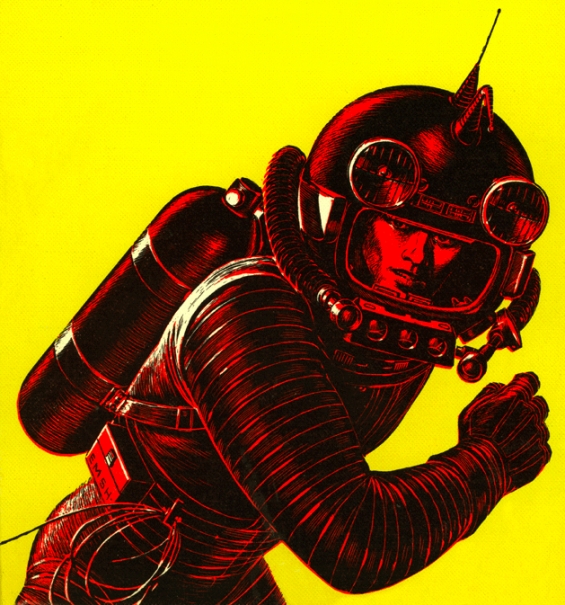
Have Spacesuit - Will Travel - illustration by Ed Emshwiller

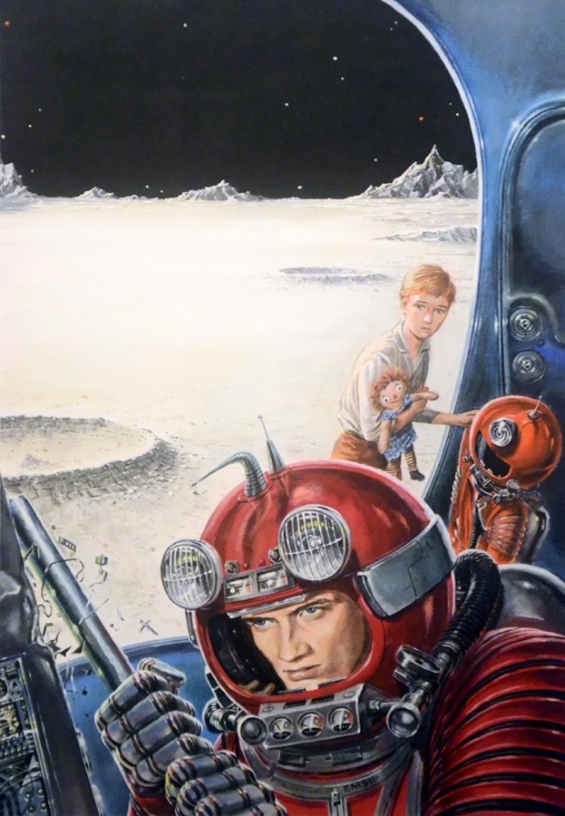
Emsh interior illustration for HAVE SPACE SUIT - WILL TRAVEL

Ed Emshwiller illustration of Have Spacesuit, Will Travel

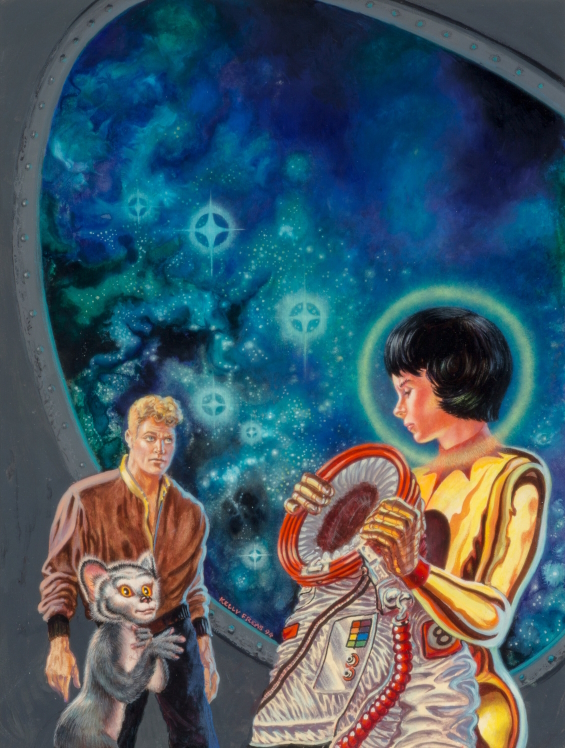
Kelly Freas -  Have Spacesuit, Will Travel

Posted by Jesse Willis

The SFFaudio Podcast #255 – AUDIOBOOK/READALONG: The Repairer Of Reputations by Robert W. Chambers

Podcast

TheSFFaudioPodcast600The SFFaudio Podcast #255 – The Repairer Of Reputations by Robert W. Chambers; read by Mark Turetsky. This is a complete and unabridged reading of the short story (1 hour 25 minutes) followed by a discussion of it. Participants in the discussion include Jesse, Mr Jim Moon, and Mark Turetsky!

Talked about on today’s show:
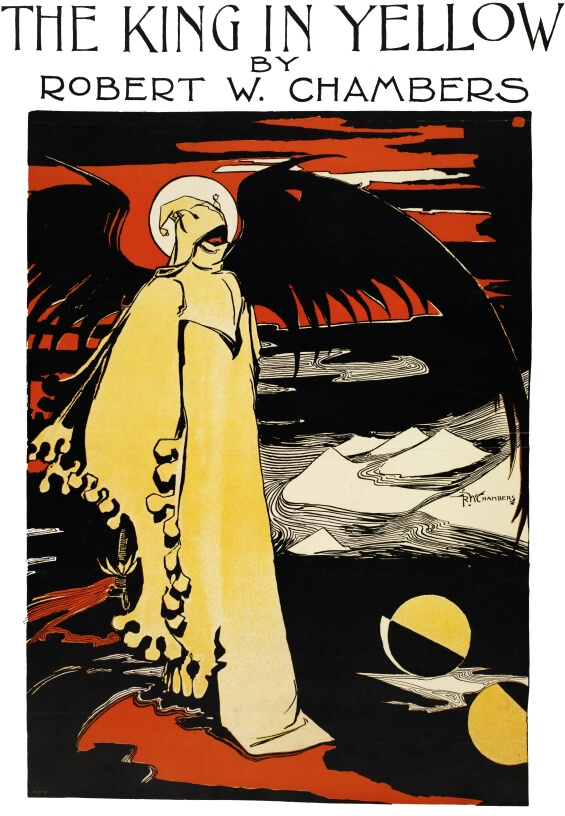
The King Of Yellow, 1895, novelette, the connections between the stories, Cynthia, the coda, The Mask, Paris, the lethal chamber (a suicide booth), the Fates, revision of judgement, questioning the reader’s sanity, The Yellow Sign, Hildred Castaigne, the future setting (or lack thereof), the statue of Garibaldi (at Washington Square Park), the Carcosa Mythos, weird tales, weird romances, New York City, Mr. Wilde, Hawberk, Dr. Archer, the geography of Washington Square, the elevated train, a subway entrance (as a death chamber), the Wikipedia entry, Futurama (and New New York), a bohemian place, NYU, why is everything militarized?, what’s with the jingle of metal?, the expansion of the American Empire, “citation needed”, dragoons, hussars, lancers, the Prussian style, New Jersey, the texture of the fantasy future, a courtly atmosphere, colouring psychosis, a Napoleonic fascist sate, the meta-fictional nature of The King In Yellow, the Cthulhu Mythos vs. the Yellow Mythos, a surrealist existential nightmare, a fall from a horse, “he’s in the biscuit box”, it’s not horror, weird fiction, Ambrose Bierce, Science Fiction, science, the pinnacle of technology is a dreadnaught, The Structure Of Scientific Revolutions by Thomas Kuhn, Copernicus, Ptolemy, Galileo, the Moons of Jupiter, we’re living in a paradigm, a time of scientific flux, modern atomic theory (and The Mask), H.P. Lovecraft’s cosmicism, Steve Job and the “reality distortion field“, a social reality, Mr. Wilde’s career is the ability to distort social reality, “Napoleon, Napoleon, Napoleon”, Charlemagne, George Bernard Shaw: “The reasonable man adapts himself to the world; the unreasonable one persists in trying to adapt the world to himself. Therefore, all progress depends on the unreasonable man.“, Emperor Norton, California, Ambrose Bierce, “A sure sign of a genius is that all of the dunces are in a confederacy against him.”, the Hawberk (aka the Duke of Avonshire), the Metropolitan Museum, why does Louis visit Hildred?, the lethal chamber is central to the action, under the thrall of the Yellow Sign, Who Knows? by Guy de Maupassant, insanity and isolation, how is Hildred employed?, how Schizophrenia works, going along with the delusion, what is the significance of the cat?, the crisis comes when the cousin has to move, the crush on Constance, the anti-story nature of the work, the unreliable narrator (not Mark!), “suspension of disbelief”, Samuel Taylor Coleridge (and the old romantic poets), a reaction against science, are the ships real?, aren’t the ships and cavalry set up as a Chekov’s Gun that will go off?, internal inconsistencies, how old are the characters?, Hildred vs. Louis, the statue of General Sheridan, Académie Julian, artists and prostitutes and models, The Mask by Robert W. Chambers, what photography did to painting, impressionism, disruptive ideas, the homunculus, the missing fingers, the damaged ears, Mr. Wilde’s manuscript is the story we’re reading!, is the Chamber is a reference to Chambers himself?, The Street Of The First Shell by Robert W. Chambers, the siege of Paris (during the Franco-Prussian War), Two Fishers by Guy de Maupassant, the Benedict (80 Washington Square East), HBO’s True Detective and the connections to The King In Yellow by Robert W. Chambers, detecting reality (and identity), the purple ears vs. pink ears, how does repairing reputations work?, Hildred’s reputation, a Strangers On A Train-esque clearing house for murder, Scandal (we haven’t seen it), Osgood Oswald Vance, crouching, who killed Mr. Wilde?, the cat did it!, the cat must be symbolic, Oscar Wilde and The Yellow Book, a web of fantasies, “folie à deux”, ‘don’t make fun of crazy people because their folly lasts longer than our own’, we don’t have perfect access to reality, WWI, a social reality vs. a harsh physical reality of artillery, madman vs. a fool, craziness vs. folly, Omar Khayyám, Act 1, Act 2 will make you insane, densely packed with world and incidence, revolutionary science, speculation, no Shyamalan twists please, Cohle and Hart, precedents for a twelve year gap, Battlestar Galactica, Vikings, Rome, Lost, it won’t be a happy ending, suicide is hugely important in both stories, ‘death is not the end’, back to the cat, The Street Of The Four Winds by Robert W. Chambers, cats, dark magic, evil omens, The Black Cat by Edgar Allan Poe, No mask?, Stefan Rudnicki talking about The King In Yellow, the “pallid mask”, is it a skull?, Boris, the face in the fates, the bird on the statue, a jigsaw puzzle, “the long arm of The King In Yellow reaches forward and backward in time and space”, David Lynch’s Lost Highway, is Mr. Wilde real at all?, a very readable book, stylistically it’s surprising modern, the artisty milieu, a freshness, “beware of The King In Yellow“.
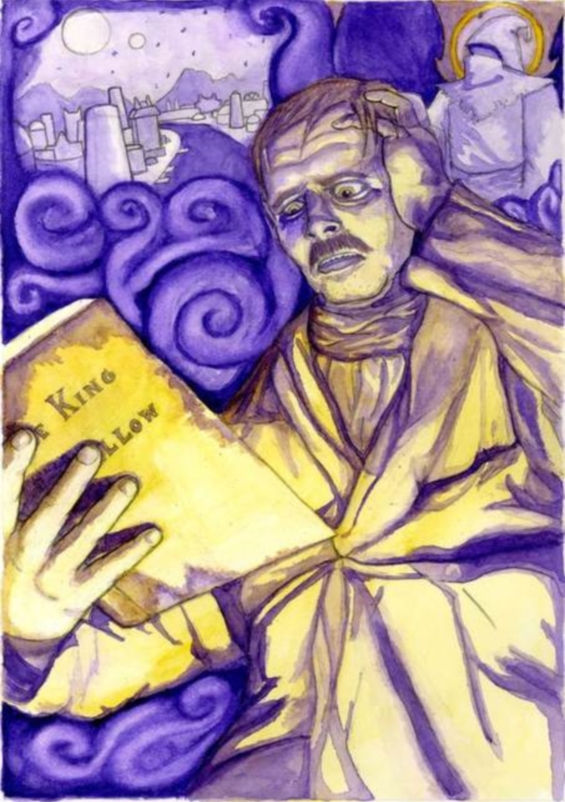
The Repairer Of Reputations by Robert W. Chambers - illustration by Tucker Sherry

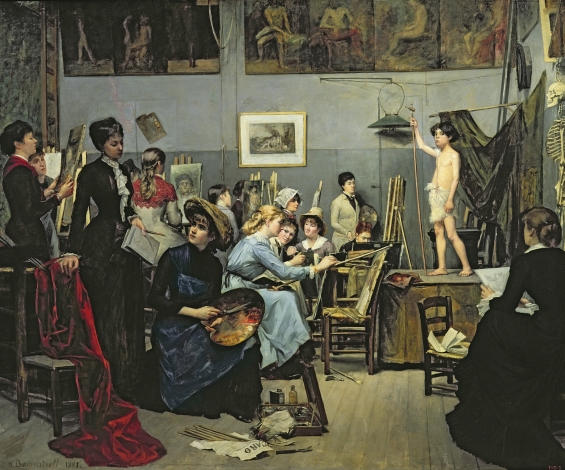
In The Académie Julien In Paris by Marie Bashkirtseff

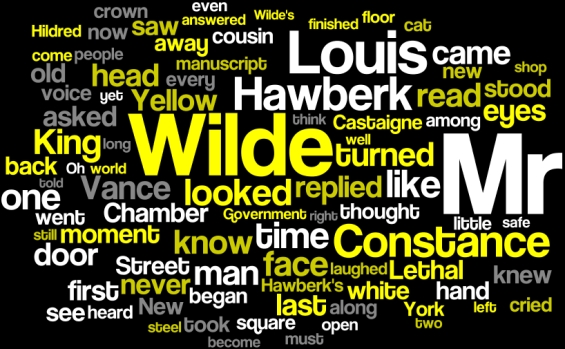
The Repairer Of Reputations by Robert W. Chambers - WORD CLOUD

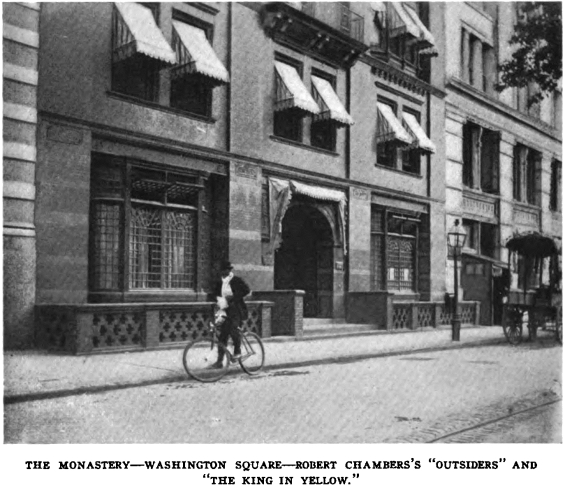
Washington Square, New York - The King In Yellow

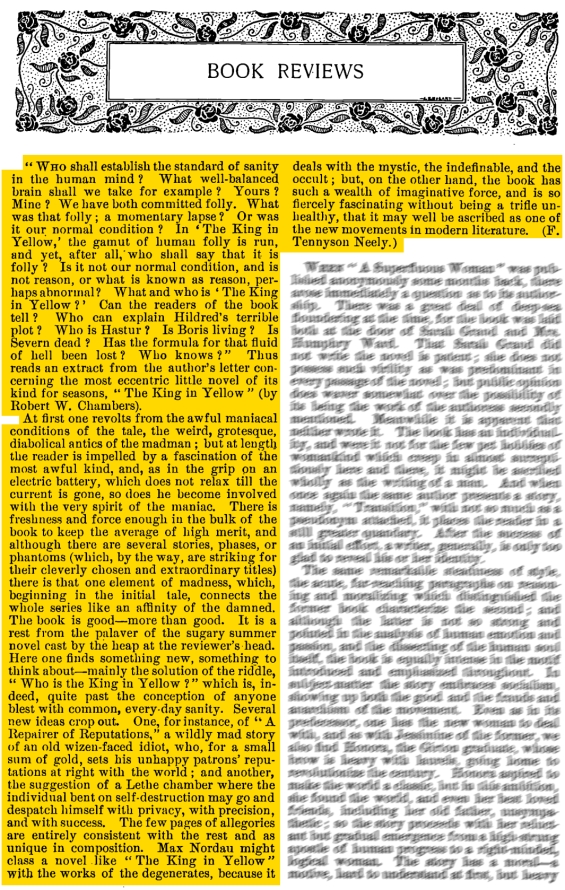
A review of The King In Yellow from Godey's Magazine, June 1895

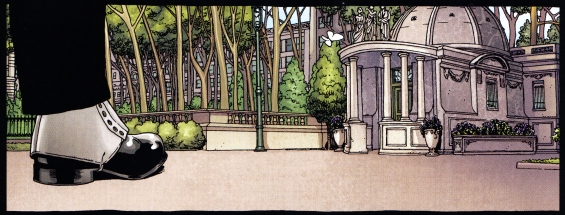
The Lethal Chamber from PROVIDENCE by Alan Moore and Jacen Burrows

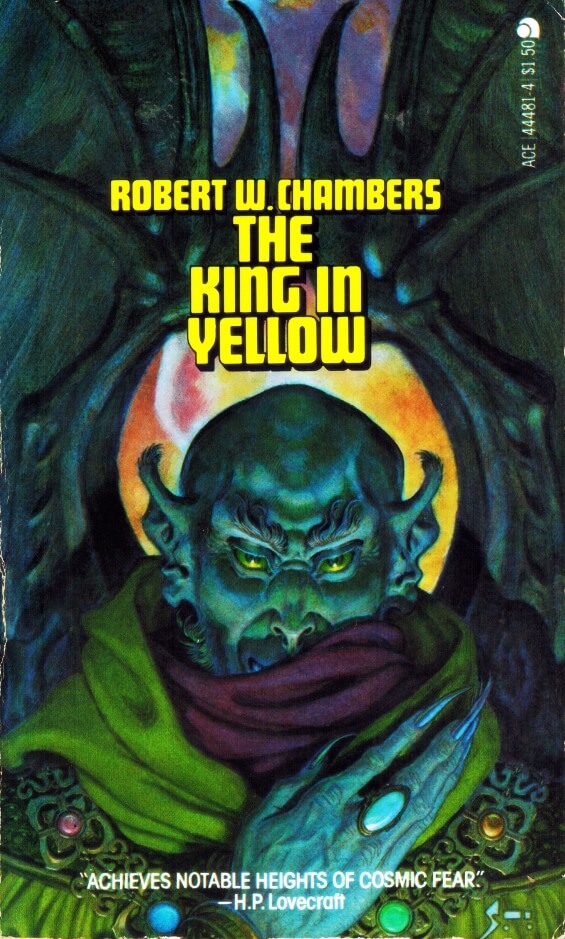
ACE - The King In Yellow by Robert W. Chambers

The King In Yellow by Robert W. Chambers - Signed by Kurtz

Posted by Jesse Willis

The SFFaudio Podcast #254 – AUDIOBOOK/READALONG: The Anticipator by Morley Roberts

Podcast

TheSFFaudioPodcast600The SFFaudio Podcast #254 – The Anticipator by Morley Roberts; read by Mr Jim Moon. This is a complete and unabridged reading of the short story (17 minutes) followed by a discussion of it. Participants in the discussion include Jesse and Mr Jim Moon!

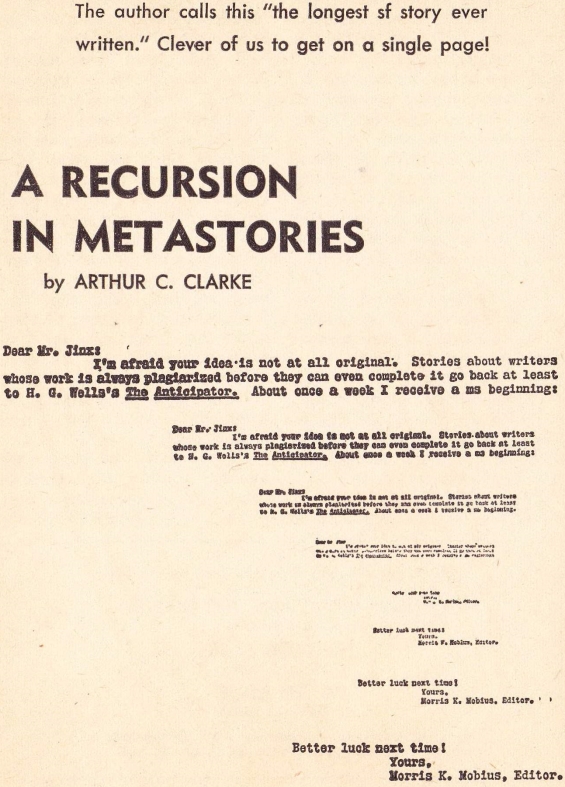
Talked about in this episode: Story “found through a route obscure and lonely” via Arthur C. Clarke’s A Recursion in Metastories; H.G. Wells; story anthologized in time travel collection; Morley Roberts popular in The Strand magazine right alongside H.G. Wells and Arthur Conan Doyle; a story about the writer’s life; serialized fiction in the Victorian era; Victorian writers crossed genres more frequently; ornate, flowery writing style; invoking the ancestors and collective race memory; names in the story; ESP; main character is a drug addict “of the Holmesian school”; metafiction; William Williamson; semiautomatic writing; writing, sleep, and the subconscious; fiction as an escape; recursion in the story; The Food of the Gods (both the novel by H.F. Wells and the short story by Arthur C. Clarke); variations in writerly productivity; The New Accelerator by H.G. Wells; Philip K. Dick’s frenetic drug-fueled writing schedule; modern books are less thought-provoking and don’t age well; The Land of the Ironclads by H.G. Wells; the metaphor of gemstones as writing and the importance of metaphor in general; Mr. Jim Moon debunks the “cult of personality”; Stephen King’s Danse Macabre: “talent is like a knife”; Jesse thinks NaNoWriMo is a bad idea; Ted Chiang; Harlan Ellison’s as-yet-unpublished third volume of Dangerous Visions.

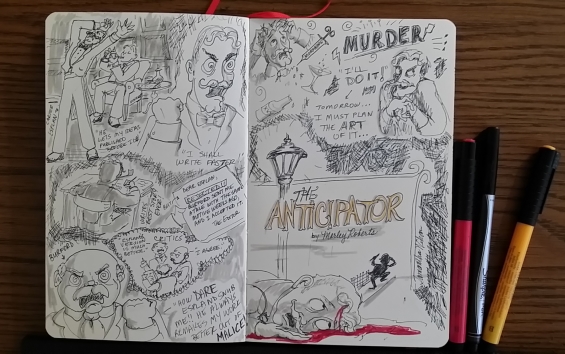
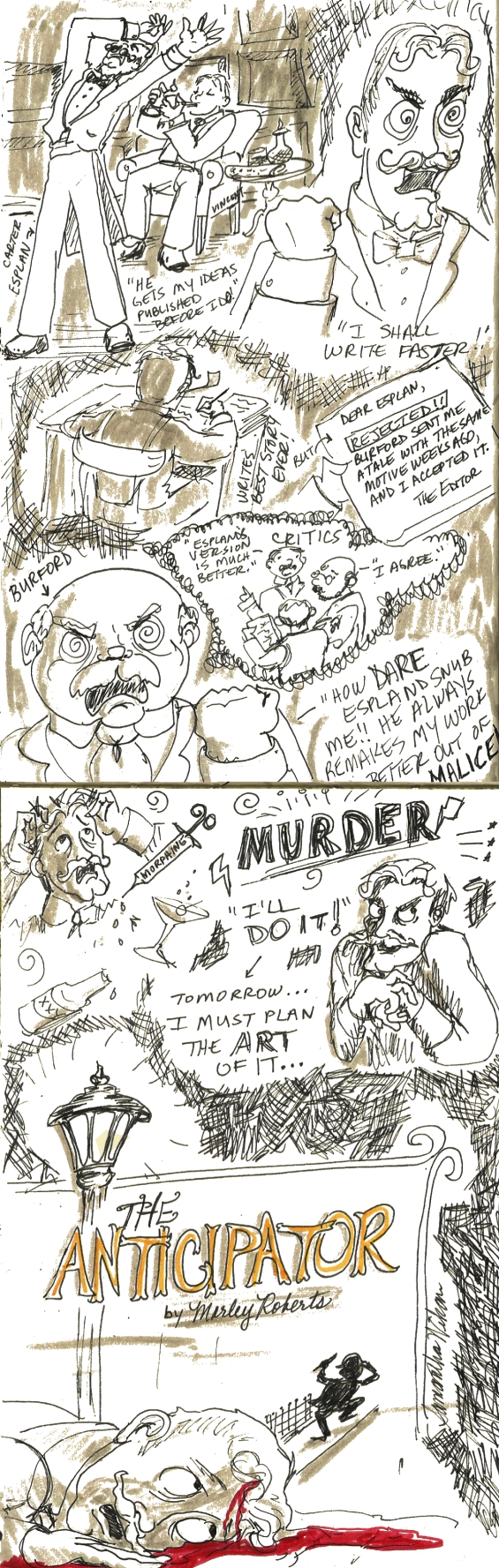
And check out the wonderful two-page doodle of the story by the amazing Samantha Wikan, it’s below!

Talked about on this episode:

A Recursion Of Metastories by Arthur C. Clarke

The Anticipator by Morley Roberts- illustrated by Samantha Wikan

The Anticipator by Morley Roberts- illustrated by Samantha Wikan

Posted by Jesse Willis

The SFFaudio Podcast #253 – READALONG: The House Of The Seven Gables by Nathaniel Hawthorne

Podcast

TheSFFaudioPodcast600The SFFaudio Podcast #253 – Jesse, Seth, and John Feaster discuss The House Of The Seven Gables by Nathaniel Hawthorne

Talked about on today’s show: H.P. Lovecraft’s essay Supernatural Horror in Literature; the House as a character in the novel; the novel’s memorable characters; The Scarlet Letter is “a sentence, a trial unto itself”; the novel’s modern resonance; Jim Crow gingerbread; setting and character trump plot; the rambling plot imitates life; Hawthorne’s subtle use of humor; Hepzibah = Lovecraft?; the family chickens, Chanticleer is an allusion to Chaucer’s Nun’s Priest’s Tale; Chanticleer dredges up John’s horrible memories of Rock-a-doodle; comparison to various Lovecraft stories; Hawthorne’s characters are concepts, but well-drawl concepts; allegory with depth à la Tolkien; atavistic guilt; hypnotism, mesmerism, and phrenology, oh my!; phenomena as fads in science fiction and popular culture; Edgar Allen Poe’s work, especially The Facts in the Case of M. Valdemar and Fall of the House of Usher; Arthur Conan Doyle is to spiritualism as Glenn Danzig is to Satanism; The X-Files, “I Want to Believe”; John Keats’s theory of negative capability; Mark F. Smith’s LibriVox narration; man’s identity tied to real estate; a Marxist reading of the novel; the house as metaphor for the human heart; Pennsylvania and the great American land grab; the novel’s peculiarly Puritan nature; real-life Pynchon family ancestors of author Thomas Pynchon; inspiration for the fictional house now a tourist attraction; Hawthorne’s defense of writing a romance in the novel’s preface; the novel’s horrendous screen adaptations and slightly better comic book adaptations; The Haunting of Hill House; the power of interpretive haunting; revival of the Gothic tradition e.g. in The Duchess of Duke Street; Hawthorne plays amazing tricks with point of view; “guns are America’s pit bulls”; Joe Hill’s Locke and Key.

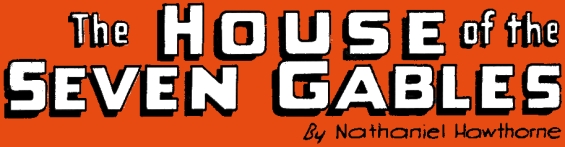
The House Of The Seven Gables by Nathaniel Hawthorne

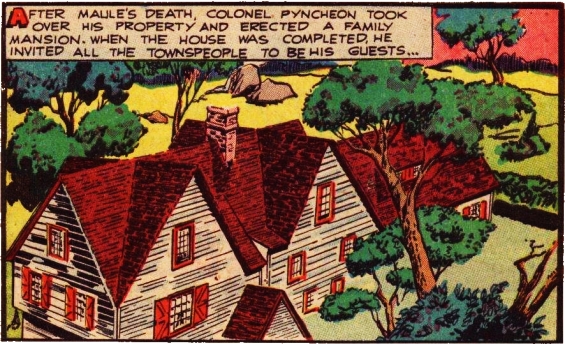
The House Of The Seven Gables - Classics Illustrated

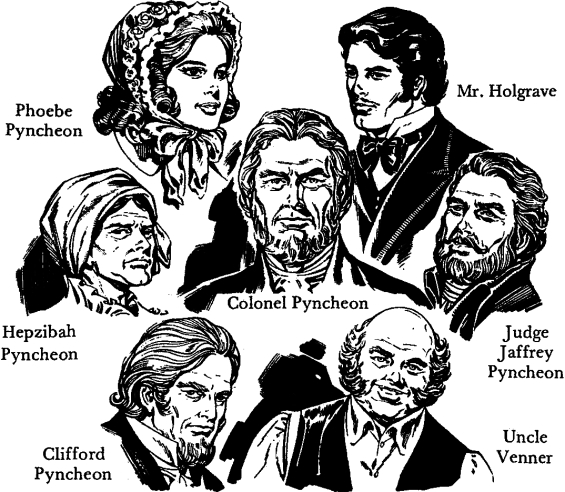
Characters in The House Of The Seven Gables

Gold Key - The Twilight Zone - Pinup #5

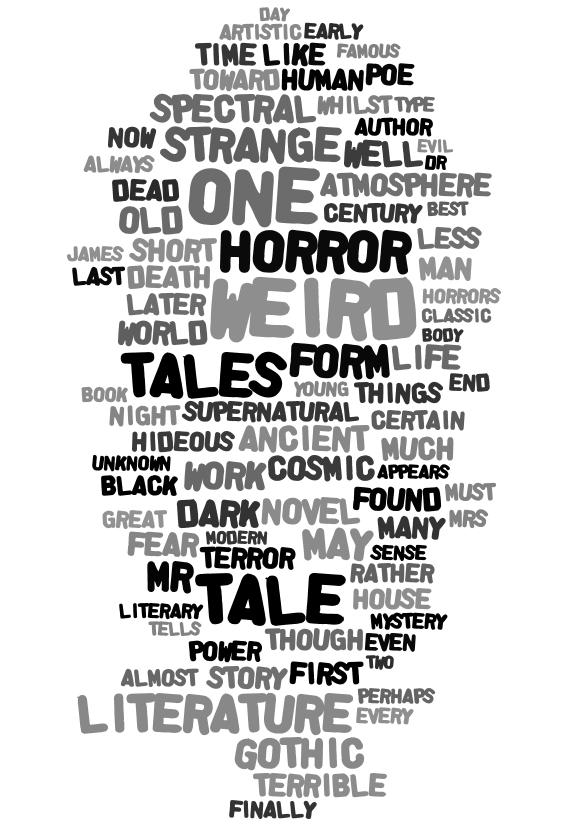
Word Cloud for Supernatural Horror In Literature by H.P. Lovecraft

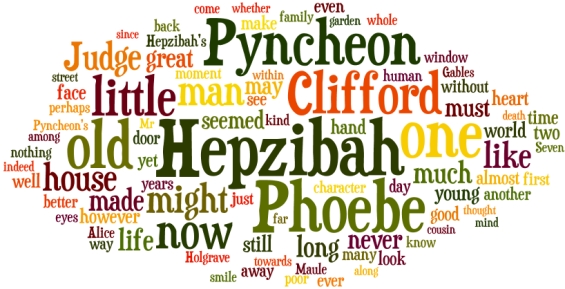
Word Cloud for The House Of The Seven Gables by Nathaniel Hawthorne

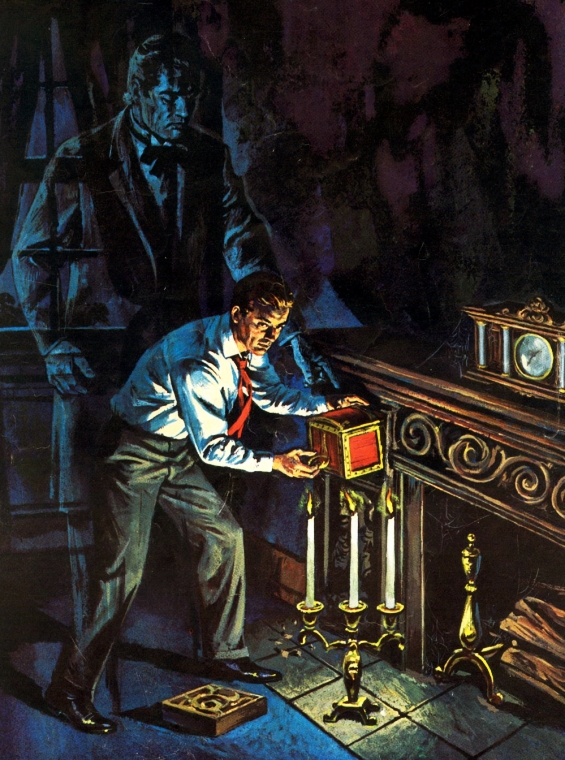
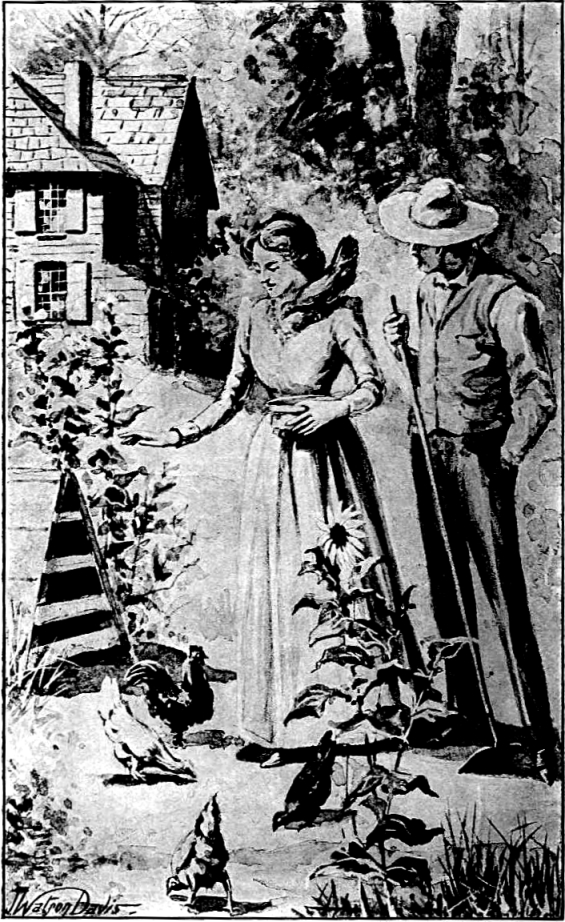
Phoebe and Holgrave

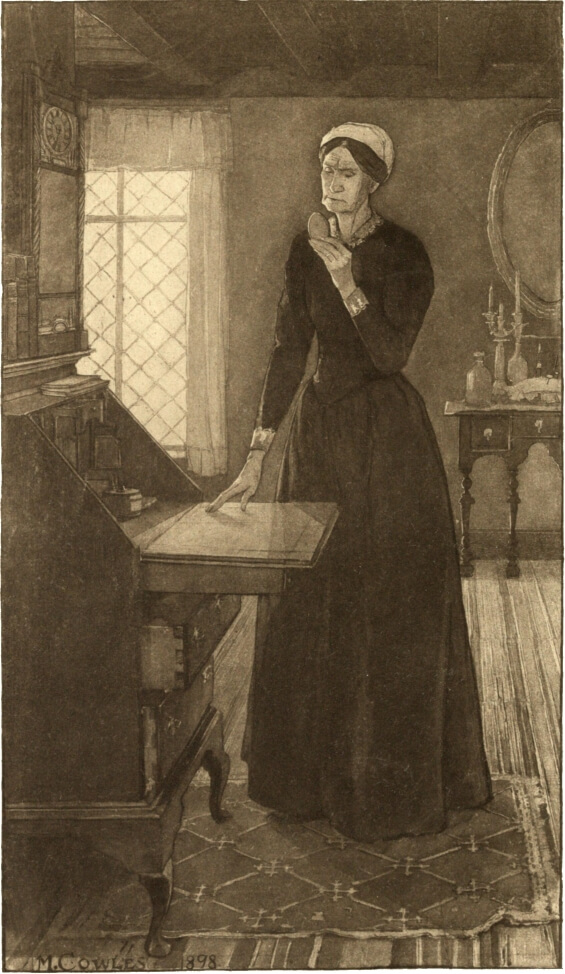
The House Of The Seven Gables by Nathaniel Hawthorne -illustrated by Maude Cowles, 1898

Posted by Jesse Willis

The SFFaudio Podcast #252 – NEW RELEASES/RECENT ARRIVALS

Podcast

TheSFFaudioPodcast600The SFFaudio Podcast #252 – Jesse, Tamahome, and Jenny talk about NEW RELEASES and RECENT ARRIVALS.

Talked about on this episode: Original fiction from Tor.com featuring stories from Brandon Sanderson, John Scalzi, Charles Stross, and others; The Man Who Sold the Moon short story collection by Robert A. Heinlein; Jesse has fun trying to pronounce “elegiac”; the Internet Speculative Fiction Database (ISFDb); “Simon pure” science fictionThe Caves of Steel by Isaac Asimov; Heinlein’s short fiction versus his novels; Have Spacesuit Will TravelAnnihilation by Jeff VanderMeer and comparisons to The Martian Chronicles by Ray Bradbury; The Hunger Games by Suzanne Collins and the merits of the Catching Fire film; the politics of dresses in the Hunger Games universe; Archetype by M.D. Waters; gender in dystopia; listening to audiobooks at 2x speed; The Loon by Michaelbrent Collings; Christopher Golden’s SnowblindPhantoms by Dean Koontz; 30 Days of Night; Marko Kloos’s Terms of Enlistment and Lines of DepartureThe Master of the World by Jules Verne; find out where grits came from; Jules Verne’s science is awful; The Wreck of the Nebula Dream by Veronica Scott; “I’m the king of the world!”; A New Beginning by Craig Brummer; Honor Among Thieves, a Star Wars novel by James S.A. Corey; Tam gets a Star Wars geography lesson; Jenny gets a Star Wars fashion lesson (hint: the guys in white are NOT the good guys); Tam is dressed as Princess Leia; The Gods Themselves, a strange book by Isaac Asimov; Shovel Ready by Adam Sternbergh; Mystery MenAtopia by Matthew Mather; Influx by Daniel Suarez; The Emperor’s Blades by Brian Staveley; Dawn of Swords by David Dalglish and Robert J. Duperre; The Land Across by Gene Wolfe; ruritanian romance and Bangsian fantasy; don’t call if Kafka-esque; Moon over Parador starring Richard Dreyfuss and Double Star by Robert A. Heinlein; A Darkling Sea by James Cambias (not yet in audio); V-S Day by Allen Steele (Locus review); The Martian by Andy Weir; The Scorpion Game by Daniel Jeffries (no audio, Tam’s Goodreads review); Eldrich Tales: A Miscellany of the Macabre by H.P. Lovecraft on Downpour;  Stories of your Life collection by Ted Chiang now available in audio.

Posted by Jesse Willis