The SFFaudio Podcast #247 – READALONG: On The Beach by Nevil Shute

Podcast

The SFFaudio PodcastThe SFFaudio Podcast #247 – READALONG: On The Beach by Nevil Shute; read by Simon Prebble. Jesse fends off illness to lead us in an intriguing discussion about Nevil Shute’s apocalyptic novel. This podcast features Jesse, Jenny, Seth, and Paul.

Talked about on today’s show:
Reversed seasons in Southern Hemisphere; novel originally serialized in London weekly periodical The Sunday Graphic; “on the beach” as naval phrase meaning “retired from service”; the novel almost universally acclaimed by critics and readers alike; what is the ideal time frame for an end-of-the-world scenario?; On The Beach as bleak existential novel; the author’s avoidance of political or religious polemic; 1959 movie starring Gregory Peck, Ava Gardner, and Anthony Perkins; Australia as a secular nation; Earth Abides by George R. Stewart; Endgame by Samuel Becket; the novel as a metaphor for terminal cancer patients; The Star by Arthur C. Clarke; abstract sterile end-of-world mechanics, a “cosy catastrophe“; 2008 BBC radio adaptation; 2000 TV movie starring Bryan Brown, modernized and featuring a much more optimistic tone; Roland Emmerich’s disaster flick 2012; could the novel’s characters done more to ensure the continued survival of humanity?; fallout shelters, “duck and cover!”; Chernobyl; rampant alcoholism; euthanasia; attitudes toward media–were newspapers responsible for the war?; regression of technology in the novel; The Waveries by Fredric Brown; we wish the Cosy Catastrophe genre would supplant Paranormal Romance; reflection of a pre-WWI era arms race; 1959 movie version tackles Cold War paranoia; U.S. government’s criticism of the novel; Five Years by David Bowie; faced with the end of the world, our panel would evidently read Marcel Proust; needless revisions in film adaptations; much action takes place “off the page” in the novel; lookism; The Scarlet Plague by Jack London; Simon Prebble’s excellent audio narration; George Orwell’s 1984Man’s Search for Meaning by Viktor Frankl and logotherapy; Jay Lake and his bout with cancer; Daphne du Maurier’s Rebecca, adapted by Alfred Hitchcock, and how we’re haunted by the people who are no longer with us; the novel’s three-dimensional characters; Nevil Shute employs typical British understatement; Lord of the Rings‘s Denethor and the idea of hopelessness; Egyptian tomb goods and attitudes towards death; Jesse plans his funeral rites.

On The Beach - illustration by John Rowland

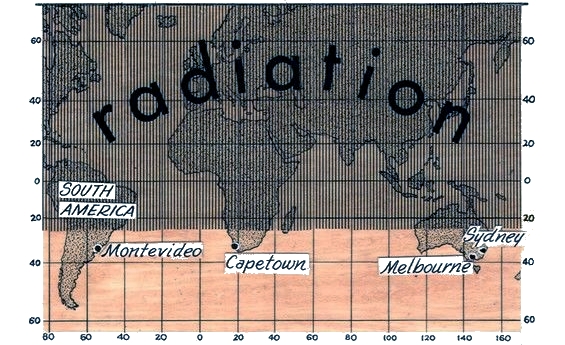
On The Beach - Ralph Lane adaptation - RADIATION

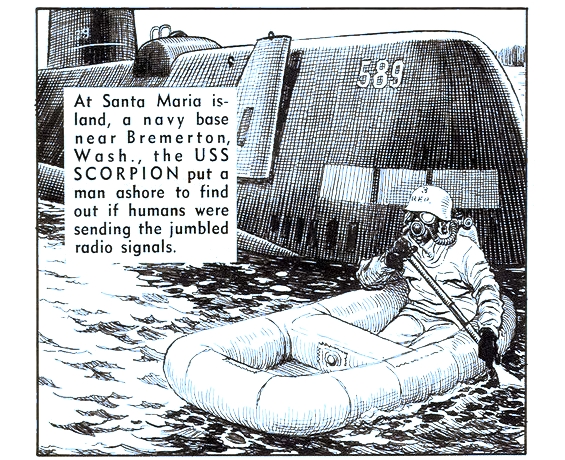
Scorpion at Bremerton - illustration by Ralph Lane

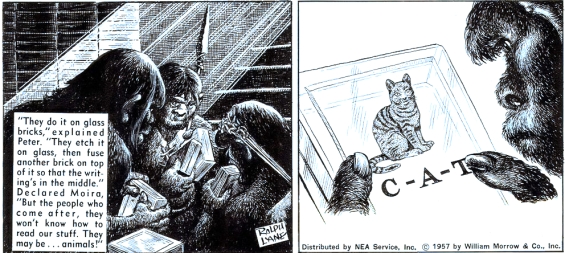
ON THE BEACH - illustration by Ralph Lane - glass bricks

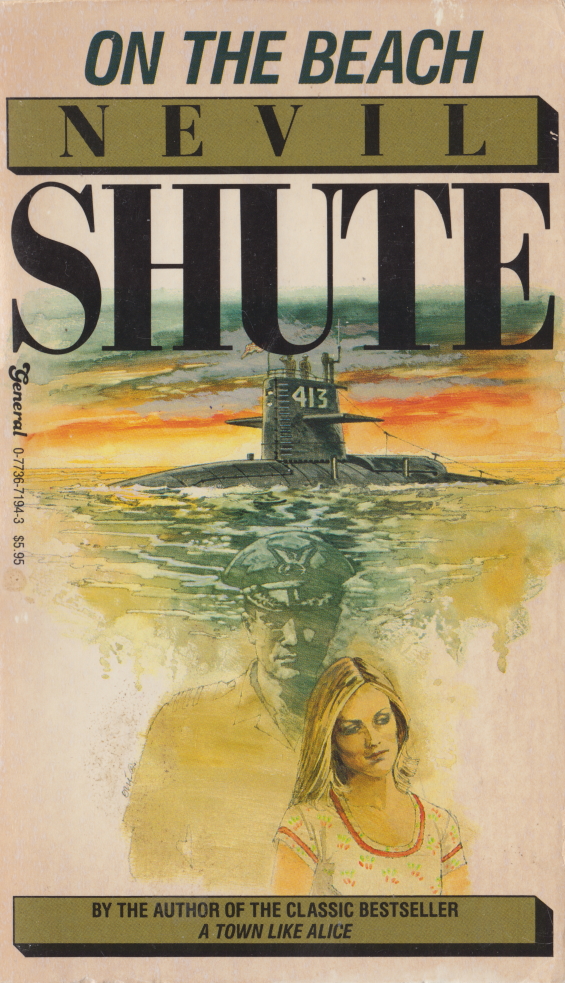
GENERAL - On The Beach by Nevil Shute

Posted by Seth Wilson

Human Is by Philip K. Dick

SFFaudio Online Audio

Human Is by Philip K. Dick - illustration by Ed Emshwiller

Here is the first second ever audio publication of Human Is by Philip K. Dick.

1 |MP3| – Approx. 33 Minutes [UNABRIDGED]

Narrated by Morgan Scorpion, this story of a dissatisfied housewife and her unfeeling husband has a very 1950s domesticity feel to it – that is until the husband returns from an interplanetary work trip with an entirely new personality.

First published in Startling Stories, Winter 1955.

And here’s a |PDF| of the story.

Posted by Jesse Willis

Meddler by Philip K. Dick is PUBLIC DOMAIN

SFFaudio News

Meddler, a short story by Philip K. Dick, is PUBLIC DOMAIN.

This was not previously known due to a fraudulent attempt to renew the copyright after it had expired.

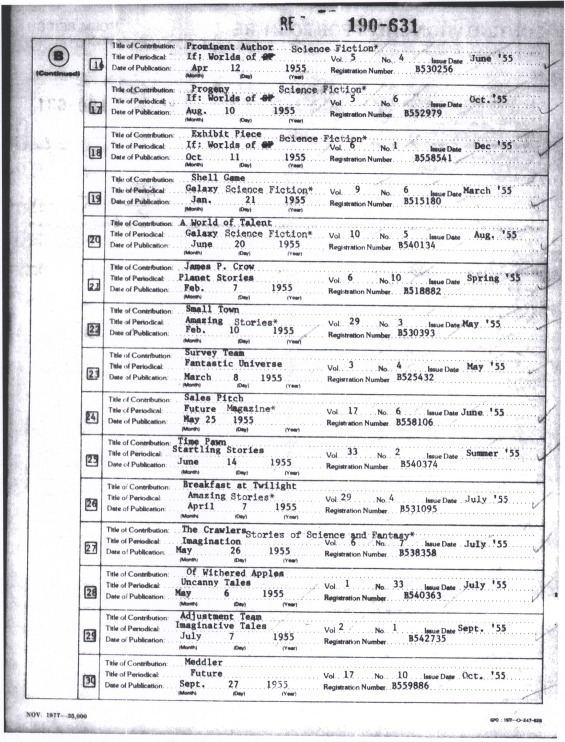
Here is the evidence.

Meddler was first published in Future Science Fiction, October 1954.

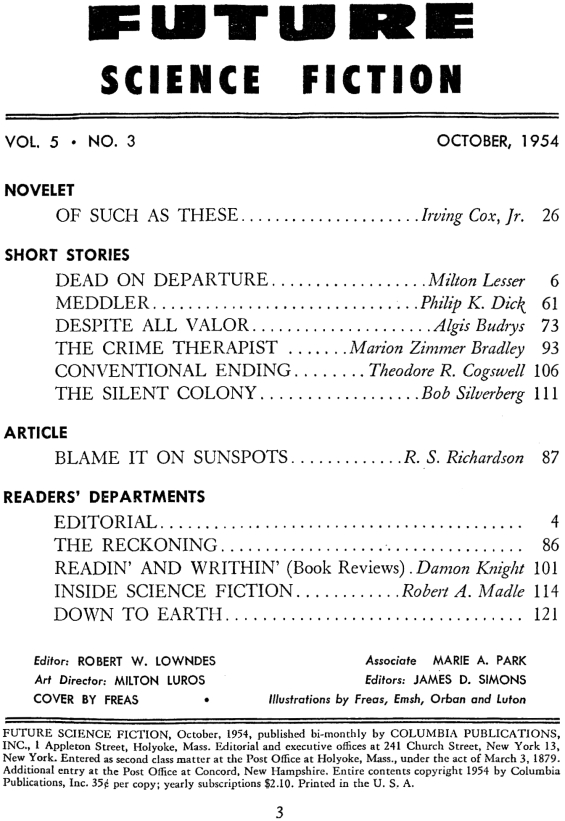
Here is the table of contents for that magazine. It shows the presence of Meddler in that issue:

Future Science Fiction, October 1954 - table of contents

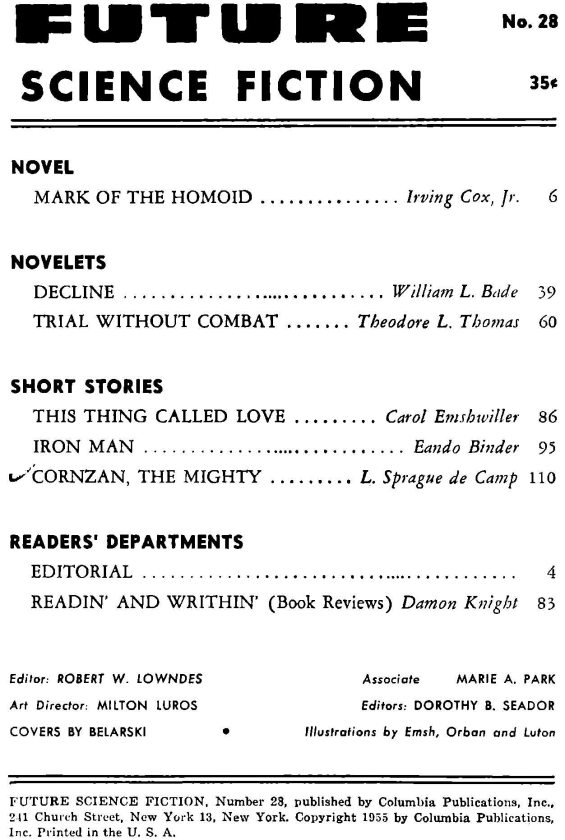
The copyright renewal form (HERE) states that Meddler was first published in “Future, October 1955”. But no such magazine exists. In fact, in 1955 only one issue of Future Science Fiction was actually published in the USA. That issue is stated as being issue #28. By counting backwards on the ISFDB.org listing for Future Science Fiction publications (starting with Future Combined with Science Fiction Stories, May/June 1950, volume 1, number 1) we can see that the one issue published in 1955 was the 28th issue. Indeed, there was no volume 17 issue 10 of Future ever published and the magazine registered as B00000559886 does not exist. Here is the table of contents for issue #28 of Future SF, the only magazine titled “Future” published in the United States in 1955 (note the lack of Meddler by Philip K. Dick):

Future Science Fiction 28 (1955) - table of contents

Meddler by Philip K. Dick is therefore PUBLIC DOMAIN.

Here is a |PDF| of Meddler.

Posted by Jesse Willis

The SFFaudio Podcast #246 – AUDIOBOOK/READALONG: Hypnos by H.P. Lovecraft

Podcast

The SFFaudio PodcastThe SFFaudio Podcast #246 – Hypnos by H.P. Lovecraft; read by Mr. Jim Moon. This is a complete and unabridged reading of the short story (23 minutes) followed by a discussion of it. Participants in the discussion include Jesse, Mr Jim Moon, Julie Hoverson, and Melvin Cartegena.

Talked about on today’s show:
An early Lovecraft story, a favourite Lovecraft, getting tangled in the mythos, similar elements, Beyond The Wall Of Sleep, chronology, artists vs. scientists, Polaris, alternative dream realities, a mystic connection to a star, The Dreams In The Witch House, the funniness, a man falls in love with a statue, statuesque features, Greek mythology, He, sudden and instant friends, recurrent themes, a smarter friend, is this the original Fight Club?, The Hound, The Murders In The Rue Morgue by Edgar Allan Poe, not enough drugs in Kent, London, the Fu Manchu Limehouse connection, caffeine and amphetamines, aging, astral projection, ‘a man with Oriental eyes’, Sigmund Freud, Albert Einstein, Abdul Alhazred (was a Lovecraft persona), The Nameless City, Einsteinian theory, S.L. = Samuel Loveman, “all the cosmos is a jest”, wordless understanding, The Picture of Dorian Gray, an Olympian brow, Hypnos is the god of sleep the son of night and the brother of death, Charles Baudelaire, The Statement Of Randolph Carter, Harley Warren = Samuel Loveman, Ambrose Bierce, together but ahead, a column of gold, a red light, breaching the chambers of Hypnos, ambiguity, a symbolic or allegorical Tyler Durden, a way to avoid writing dialogue, “control the universe and everything under it”, in dreams you do control the universe, Lucid dreaming, “it’s not like Inception“, certain techniques, dream logic, Seattle, Tetris before bed, documenting dreams, Lucid dreaming is ultimately pointless, Julie’s dreams, NREM vs. REM dreaming, the function of dreams, sorting and practicing, incubating a dream at the temple of Hypnos, Phantasy (one of Hypnos’ sons), plungings and soarings, scary dreams, aether, The Police, Wrapped Around Your Finger, someplace beyond time, drifting, Ovid’s family tree for the family of Hypnos, Death and Sleep look like each other, Neil Gaiman’s The Sandman, Phobotor, Phanatos, Hypnos lived in a cave without a door, at the entrance of the cave were poppies and other flowering drugs, mandragora, old guys at young gay parties, screaming starts happening, if it were written today, who is this story being told to, a confession from an asylum or hospital, a cosmic joke, a schizoid break, his brow was white as of marble, volumes exchanged in a look, Freddy Krueger, dream mythology, Dreamscape, Inception, The Dream Master by Roger Zelazny, Uncle Scrooge in The Dream Of A Lifetime, Sleepwalkers, Naomi Watts and Ray Wise, Guy de Maupassant, a sequel, Masters Of Horror: Cigarette Burns, John Carpenter, many remakes, There’s A Family Of Gnomes Behind My Walls And I Swear I Won’t Disappoint Them Any Longer by J.R. Hamantaschen, weird dubiousness, Masters Of Horror: The Dreams In The Witch House, Wake up Julie!
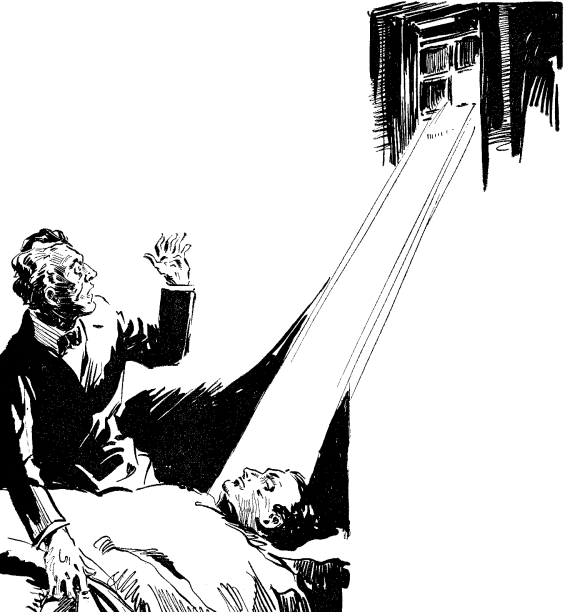
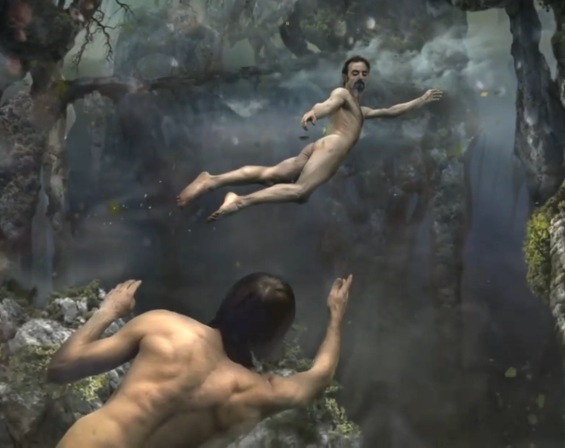
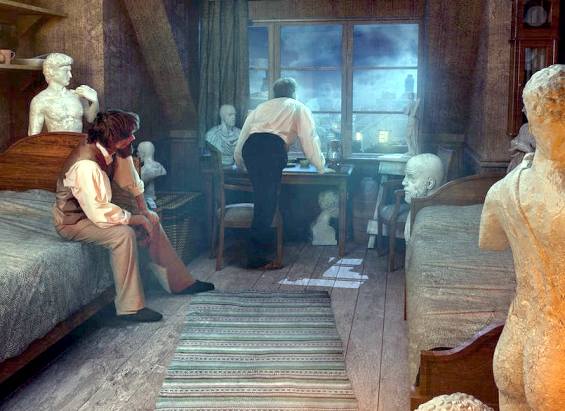
Hypnos by H.P. Lovecraft - illustration by William F. Heitman

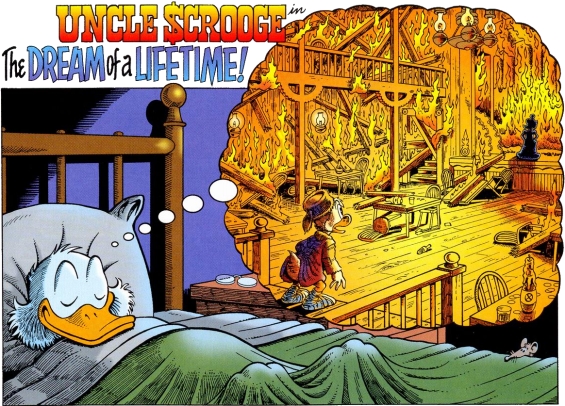
Uncle Scrooge in The Dream Of A Lifetime

CineBooks - Hypnos

CineBooks - Hypnos

Hypnos by H.P. Lovecraft LEGOized

Posted by Jesse Willis
Review of The Lord of Opium by Nancy Farmer

SFFaudio Review

The Lord of Opium by Nancy FarmerThe Lord of Opium (Matteo Alacran  #2)
By Nancy Farmer; Read by Raúl Esparza
Publisher: Simon and Schuster YA
Publication Date: September 2013
[UNABRIDGED] – 11 hrs, 31 minutes

Themes: / YA / clones / genetic engineering / science fiction / gadgets /

Publisher summary:

Matt has always been nothing but a clone—grown from a strip of old El Patron’s skin. Now, at age fourteen, he finds himself suddenly thrust into the position of ruling over his own country. The Land of Opium is the largest territory of the Dope Confederacy, which ranges on the map like an intestine from the ruins of San Diego to the ruins of Matamoros. But while Opium thrives, the rest of the world has been devastated by ecological disaster—and hidden in Opium is the cure. And that isn’t all that awaits within the depths of Opium. Matt is haunted by the ubiquitous army of eejits, zombielike workers harnessed to the old El Patron’s sinister system of drug growing—people stripped of the very qualities that once made them human. Matt wants to use his newfound power to help, to stop the suffering, but he can’t even find a way to smuggle his childhood love, Maria, across the border and into Opium. Instead, his every move hits a roadblock, some from the enemies that surround him…and some from a voice within himself. For who is Matt really, but the clone of an evil, murderous dictator?

I wish that I could have read The Lord of Opium as a teenager. If I had, I would have probably loved this book, which is packed with sinister characters, difficult moral choices, scifi gadgets, and enough action to rival any movie. Before we go any further in this review, I will say that if you buy books for a teenager, or enjoy teen novels, then you absolutely should read both The Lord of Opium and its predecessor The House of the Scorpion. That said, I had the misfortune of reading this book not only as an adult, but as an English major, writer, and as a teacher who has guided multiple years of students through reading The House of the Scorpion. Therefore, I am intimately aware of every flaw in the story.

Matteo Alacrán is the clone of a  drug lord known as El Patrón, created as a source of spare parts for his aging progenitor. Fortunately for him, El Patrón is now dead, along with his entire family and all of the other drug lords, leaving Matt as the sole ruler of Opium at the age of fourteen. This is not just an inherited position. Matt, as the clone of El Patrón, is the only person with the correct genetic code and fingerprints to unlock the lethal border security system that surrounds the entire country.

Yes, I said fingerprints. In case you are unaware, clones do not share fingerprints with their progenitors, just as identical twins do not share fingerprints, yet Matt having similar fingerprints to El Patrón is a key element of both books in this series.

If it sounds like I am fixating on a single issue, I promise that I am merely mentioning the fingerprints as a spoiler-free example of the sort of problem that runs throughout The Lord of Opium. Matt adopts an eejit (a sort of mind-controlled slave) as a pet and happens to discover a way to make her remember a small part of who she is. Matt’s friends come to visit and find long lost family members. Matt gets sick, is brought to a new hospital, and learns that he is not the only remaining clone of El Patrón. Matt’s bodyguard suggests a dangerous and completely unnecessary adventure, and Matt finds a clue that will be essential to the climax of the story. And the list goes on, and on.

I don’t want to give away the entire plot of the novel, so I won’t explain how any of these events are related, but I think they are worth mentioning to demonstrate the problem that I have with The Lord of Opium. Namely, that it is a novel of big ideas trying to masquerade as a teen fiction book. Had this story been told for an adult audience, or broken into several parts and told as a series of adventures for teens, I think that the author would have been more successful in crafting a compelling story. All of the pieces are there, from the vicious politics of the Dope Confederacy, to the isolated community of the Biosphere, to the ecological wasteland of God’s Ashtray. Each of these elements is glossed over in the text of this novel, serving as little more than a source of or solution to one conflict or another, but each could easily be the core element of an entire novel.

It is worth noting that I am now over five hundred words into this review and I have hardly mentioned any character other than Matt. This is intentional. The single best thing about this novel is the development of a new character named Cienfuegos, and I don’t want to take away any of your pleasure in reading about him, and the single worst part of this novel is probably Matt’s interactions with his girlfriend Maria, which I will leave for you to suffer.

As it is, The Lord of Opium is a competent novel that strains at the seams with obvious foreshadowing, unexplored plot lines, and a climax that hangs almost entirely on mistakes and coincidence. The character development is incredibly uneven, but so good in parts that I find myself wishing for an entire novel about one minor character or another. It is not a bad novel by an means, but it could have been so much more.

The audiobook of The Lord of Opium is one of the best productions that I have heard this year. Raúl Esparaza gives a pitch-perfect performance, complete with distinct and appropriate voices for nearly every character. Matt sounds young, but is never whiney. The voices for female characters are distinct, but not overly high-pitched. Particularly good are the voices for El Patrón (as he appears in Matt’s memory) and the Farm Patrol chief Cienfuegos, both of which are perfectly sinister without slipping into the realm of costume villainy.

Posted by Andrew Linke