The SFFaudio Podcast #159 – NEW RELEASES/RECENT ARRIVALS

Podcast

The SFFaudio PodcastThe SFFaudio Podcast #159 – Scott, Jesse, Tamahome, and Charles Tan talk about recently arrived audiobooks, new releases and more.

Talked about on today’s show:
Charles sent to World Fantasy, John Scalzi’s Fuzzy Nation is a reworking, Is WWW: Wonder by Robert J. Sawyer YA?, three from Angry Robot, Giant Thief by David Tallerman, Empire State by Adam Christopher is superhero noir, free comic book day, The Shadow comic by Garth Ennis, listening speeds, Dead Harvest by Chris F. Holm, Bolinda Audio from Australia, Dreamquake by Elizabeth Knox, YA is big, Neil Gaiman’s Coraline, “scare the crap out of little kids”, The Novice by Trudi Canavan, cozy fantasy, Dark Is The Moon by Ian Irvine, Hemlock Grove by Brian McGreevy, being developed for Netflix, polarizing, Angels Of Vengence by John Birmingham, futuristic Clancy?, White Horse by Alex Adams, Into The Black: Odyssey One by Evan Currie, ebook first, “I’m getting refreshed”, Jenny would like Deathless by Catherynne M. Valente, not Genevieve Valentine, Welcome To Bordertown edited by Ellen Kushner (Sfsignal interview) and Holly Black is all-new, “these stories are too wet”, A Handful Of Stars by Dana Stabenow is an older book, “Alaskans in space”, The Outcast Blade by John Courtenay has vampires, “well that’s disappointing”, how about steampunk?, the splitting of Warriors by George R.R. Martin and Gardner Dozois, Legends by Robert Silverberg, Scott thinks Far Horizons should be an audiobook, Agatha H. And The Clockwork Princess by Phil and Kaja Foglio, Girl Genius comics online, Dante Valentine series by Lilith Saintcrow, Clockwork Heart by Dru Pagliassotti, “clockpunk”, Nightfall by Stephen Leather, soul legalities, “God is the ultimate scammer”, Sherrilyn Kenyon’s Infamous, paper books, Comedia Della Morte by Chelsea Quinn Yarbro, usefulness of blurbs, The Company Of The Dead by David J. Kowalski, end of Scott’s stack, I didn’t know 8 Million Ways To Die by Lawrence Block was a book, lots from Audible Frontiers, Gregory Benford’s Galactic Center series with multiple narrators, Planet Of The Apes by Pierre Boulle, think of the movie inverted, “take your damn dirty hands off me”, Terry Bisson’s They’re Made Out Of Meat, Charles is reading the Shirley Jackson award nominees (horror and dark fantasy) to prepare for interviews, Peter Staub’s Mr. Clubb and Mr. Cuff, “it scared the pants off me”, where’s the John Joseph Adams anthology audiobooks?, Kim Stanley Robinson audio short story at Lightspeed Magazine, 2312 stays in the solar system, Mars trilogy if you like science, tons of new Robert Silverberg on Audible, The World Inside will be an HBO series, Scott liked Book Of Skulls, a bunch of Connie Willis, what’s on the horizon?, Existence by David Brin, Red Mars was a marathon, A Short, Sharp Shock by Kim Stanley Robinson, what kind of fantasy does he write?, John Scalzi’s Redshirts, bye Charles

The Shadow cover

Posted by Tamahome

FREE COMIC BOOK DAY: Saturday May 5th, 2012

SFFaudio News

FREE COMIC BOOK DAYThe first Saturday in May is FREE COMIC BOOK DAY.

That’s THIS SATURDAY!

As usual I’ll be making a special trip to my comic book store, Hourglass Comics (in Port Moody, B.C.).

And I’ll be well prepped for what to pick up too. Here’s why:

PopCultureGeek.comFirst up, there’s this podcast, Pop Culture Geek #19. It features a half hour talk (at the beginning) on the special comics that’ll be available on Saturday.

|M4A|

Next there’s this video, from TheComicBug.com, which gives a sneak peak at most of those releases:

Posted by Jesse Willis

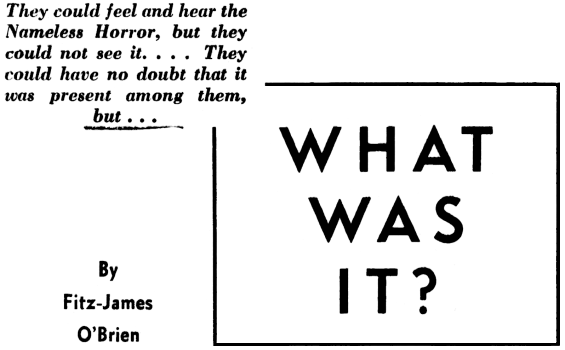
LibriVox: What Was It? by Fitz-James O’Brien

SFFaudio Online Audio

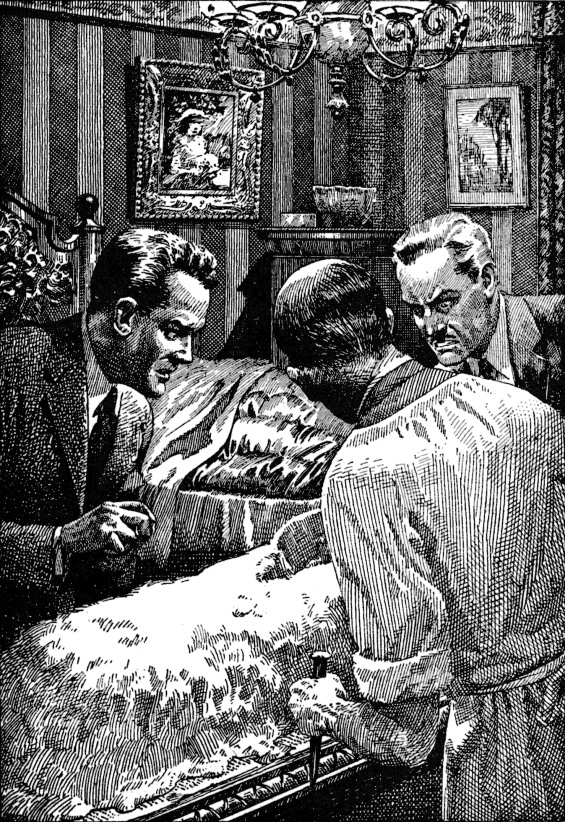
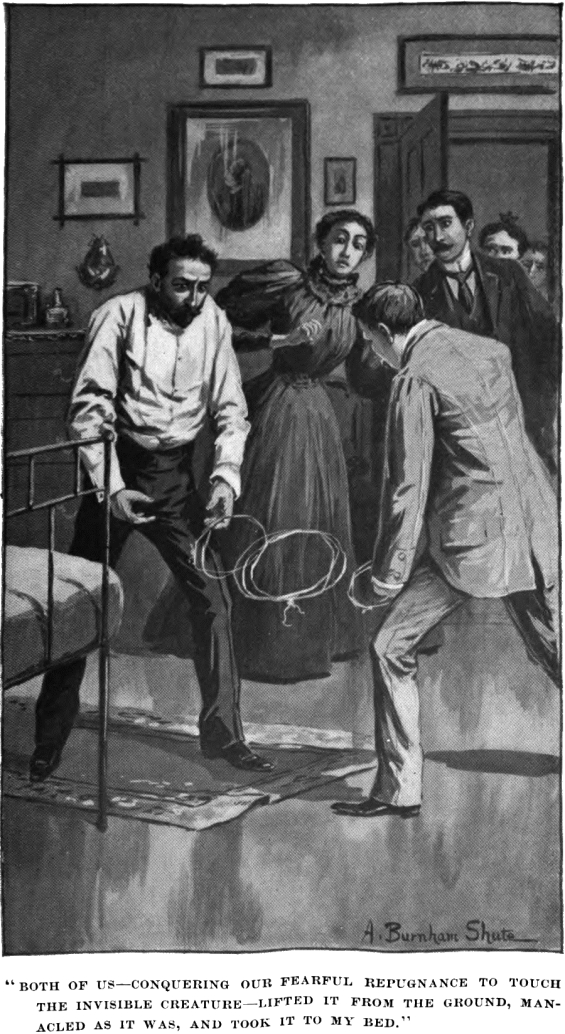
I’ve posted about this story before. It’s worth posting about again and again. What’s new now is this reading, which is PUBLIC DOMAIN, and therefore extremely handy. Included also, for the first time, is some really stunning art!

I’ve also added a PDF, for handy printing!

What Was It? by Fitz-James O'Brien

"In Five Minutes We Had A Plaster Mold Of The Creature"

What Was It? by Fitz-James O'Brien - illustration from Famous Fantastic Mysteries, December 1949

What Was It? by Fitz-James O'Brien - from A Stable For Nightmares, 1896

LibriVoxWhat Was It?
By Fitz-James O’Brien; Read by Peter Yearsley
1 |MP3| – Approx. 35 Minutes [UNABRIDGED]
Publisher: LibriVox.org
Published: May 2006
|ETEXT|
One of the earliest known examples of invisibility in fiction is What Was It? by Fitz-James O’Brien – He’s been called “the most important figure after Poe and before Lovecraft” and this story serves as a kind of a bridge between the supernatural and the scientific, between the likes of de Maupassant’s The Horla and Wells’ The Invisible Man.
First published in Harper’s Magazine, March 1859.

Here’s a |PDF| complied from the Famous Fantastic Mysteries, December 1949 publication.

Posted by Jesse Willis

Neil Gaiman on Edgar Allan Poe (his work should be read aloud)

SFFaudio News

I love introductions, afterwords, forewords. I buy collections of stories with stories I already have several copies of just for the new introductions, afterwords, and forewords. The only thing that’ll make me buy such a collection without a foreword, afterword, or introduction is if it has new illustrations.

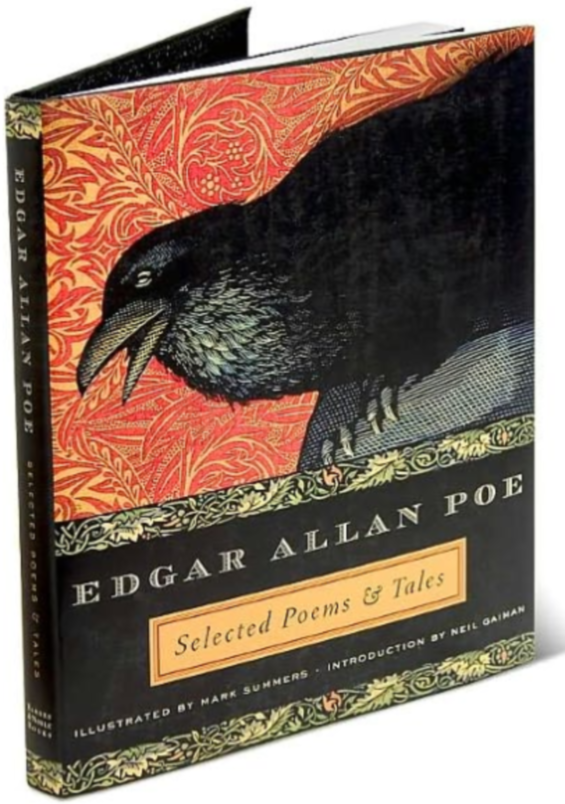
And so one collection I’d love to get my mitts on is Barnes & Noble’s Edgar Allan Poe – Selected Poems & Tales which has both an introduction and new illustrations by Mark Summers!

I first heard about it via Neil Gaiman’s website. Gaiman wrote the introduction, Some Strangeness In The Proportion: The Exquisite Beauties Of Edgar Allan Poe, to the wonderful looking collection.

Edgar Allan Poe: Selected Poems & Tales - with illustrations by Mark Summers and an introduction by Neil Gaiman

The entire inspiring essay is available over on Gaiman’s site.

Here are a few choice lines from it:

Poe isn’t for everyone. He’s too heady a draught for that. He may not be for you. But there are secrets to appreciating Poe, and I shall let you in on one of the most important ones: read him aloud.

Read the poems aloud. Read the stories aloud. Feel the way the words work in your mouth, the way the syllables bounce and roll and drive and repeat, or almost repeat. Poe’s poems would be beautiful if you spoke no English (indeed, a poem like “Ulalume” remains opaque even if you do understand English — it implies a host of meanings, but does not provide any solutions). Lines which, when read on paper, seem overwrought or needlessly repetitive or even mawkish, when spoken aloud reshape and reconfigure.

(You may feel peculiar, or embarrassed, reading aloud; if you would rather read aloud in solitude I suggest you find a secret place; or if you would like an audience, find someone who likes to be read to, and read to him or to her.)

And check out this illustration by Mark Summers (do you see the hidden skull?):

Illustration by Mark Summers from Edgar Allan Poe: Selected Poems & Tales

If you can’t see it, hit “Ctrl -” a few times.

And hey, my birthday is coming up people, and I don’t have this book!

Posted by Jesse Willis

Commentary: A beginning is a very delicate time.

SFFaudio Commentary

When ought you first introduce a kid to Dune? And what ought to be the first introduction? I’m thinking the paperbook, just after he or she has read The Hunger Games.

As evidence I submit, this 11 second video – recorded after hearing just the first few lines read aloud.

It delighted me more than any number of cute kitten videos viewed in the same month.

Posted by Jesse Willis

New Releases: AudioGo: The History Of The World In 100 Objects

New Releases

AudioGo has collected the popular BBC Radio 4 programme The History Of The World In 100 Objects as I guess what we’d call a 25 hour radiobook.

In 2010, the BBC and the British Museum embarked on an ambitious project: to tell the story of two million years of human history using one hundred objects selected from the Museum’s vast and renowned collection.

Presented by the British Museum’s Director Neil MacGregor, each episode focuses on a single object – from a Stone Age tool to a solar-powered lamp – and explains its significance in human history.

Music, interviews with specialists and quotations from written texts enrich the listener’s experience. On each CD, objects from a similar period of history are grouped together to explore a common theme and make connections across the world. Seen in this way, history is a kaleidoscope: shifting, interlinked, constantly surprising and shaping our world in ways that most of us have never imagined.

This box set also includes an illustrated booklet with additional background information and photographs, and each CD includes PDF images of the featured objects.

The landmark series on BBC Radio 4 that tells the story of humanity through 100 man-made objects from the British Museum’s unique collection.

Posted by Jesse Willis