The SFFaudio Podcast #634 – READALONG: A Fall Of Moondust by Arthur C. Clarke

Podcast

The SFFaudio PodcastThe SFFaudio Podcast #634 – Jesse, Paul Weimer, Maissa Bessada, Evan Lampe, and Will Emmons talk about A Fall Of Moondust by Arthur C. Clarke

Talked about on today’s show:
1961, the worst Arthur C. Clarke thing Jesse has ever read, co-writing, Frederich Pohl, comin back to the well for a load of cash, sequel Rama books, Maissa liked it, it grew on Evan, Childhood’s End, 2001: A Space Odyssey, he’s no Olaf Stapledon, sui generis, he wanted to be Olaf Stapledon, he doesn’t have the same ethos, Doris Lessing, on a more cosmic scale, August Derleth really liked H.P. Lovecraft, they’re not novels, THIS is a novel, the very first reader’s Digest condensed science fiction novel, a very thin volume, break out, be commercial, what’s in everybody’s mind, space race, we’re going to the moon, everybody on this boat is pretty boring, the society is fascinating, his basic conception is wrong, afraid of sinking into dust, just like Saddam Hussein’s WMDS, a construction of our own minds, kinda like a powder, the great sand dunes in Colorado, a giant pile of sand, a weird quirk of weird geology, a 1970s disaster movie, a long disaster movie, the audio drama, took some liberties, how wrong he is about society in the future, post-scarcity future, everybody gets an education, barbaric orphanages, he didn’t have the courage to think through all the implications of this post scarcity society, the pull quote, to keep the system going, not everybody is on board the train, we need all the brainpower we can to keep it going, off the rails, moonbus!, very weak, a tourist in the solar system, sea of dust, interesting world-building, those 90s songs, a book about the media, so interesting, completely wrong, still ahead of us, 2000whatever and 1960s, these people were young in the 1990s, Walter Cronkite, nothing changed, geostationary satellites, he’s just wrong about how media worked in such a spectacular way, the first disaster movie that’s THE DISASTER MOVIE, the western, Airport (1970), Deluge, a giant tidal wave that hits New York, there was a movie adaptation (yes), The Big Bus, a nuclear powered bus, Ned Beatty, Airplane! (1980), Airplane II, a steep decline, set on the moon with a space shuttle, The Towering Inferno, The Poseidon Adventure, its the template, probably a lot of dust up there, experiments, where the plot came from, novels are what sell, there’s nothing wrong with the book, its exactly what its supposed to be, Scott Danielson, “I’m ruined for stuff happens books”, that’s most series, most books, yo, the tone of the narrator, gelignite not, WWII era C4, this wasn’t going to work for out people, after the commercial break, totally competent, at his best he’s beautiful, masterful at short stories, Reading, Short And Deep, go about your business, any reaction, a negative reaction, really boring, a combination of it being boring and really didactic, ultimately it was good your ancestors…, has the opinion that Arthur C. Clarke has, shocking, with the voice of an aborigine, we’re all space faring folks now, we’re all white men now, 2017, the Down Under Fan Fund, Captain Cook National Park, how his ancestors were treated, this park doesn’t show the aboriginal POV, he’s got a fucking point, lived this experience, a forceful personality, a new and different point of view, in terms of cancellation, cancelling Clarke, nobody reads his stuff anymore, Jesse finds a beautiful illustration, dealing with a problem on the moon, so many whiny boomers on a bus, a lot of people on that bus, in terms of media, a media book, The Orange And The Apple, Isaac Newtown having sex with some lady, kind of a celebrity, media contacts, brainfarts on CNN, all the bluecheks start tweeting about it, it shoots up on the charts, moonbus at the bottom of the sea, doing an audiobook, those raunchy sex scenes in the king’s house, a great idea, The Martian by Andy Weir is a much better book and much better movie, the swearing quotient, shitty real-life disaster movies, a leak of oil into the Gulf Of Mexico, BP did it, Deepwater Horizon, the junk shot, in the popular consciousness, a phenomenon, fairly accurate except its not as cynically corrupt as it is in reality, much more cynical and modern, the Walter Cronkite era was probably more corrupt than many people know, in particular now, wars get started over this stuff, the whole Spanish–American War, the occupation of the Philippines 1895-1949?, Clark Ashton Smith, colony, a nice cute disaster, the puppy fell down the well stories, way to long, stuff happens, they’re making their own culture, the playing cards, filler, Heinlein engineer story, a rescue story, realistic, realism, disaster porn, why Airplane! works so well, his WWII fear, the whole commodore captain thing, him becoming a man, choosing to settle down, the sexual politics, the sex scene, the pill, it’s coming, miniskirts!, everybody’s still repressed, a weird line, Saturday Night Theatre, she doesn’t want to take the sleeping drug, you’ll take advantage of her, me neither, why is that funny?, why is that supposed to be funny?, they’re all boomers so it doesn’t matter, the stewardess, she’s jealous, him saying I’ll never have sex with you, take advantage of means “rape”, how could you think I could do that, the intended, that line from Churchill, “If you were my husband I’d poison you tea. Madam, if you were wife I’d drink it.”, a cultural change, he can’t anticipate, writing for a 1960s audience, not very science fictiony, the science fiction elements are hard SF, that’s all true I just don’t care, the Mountains of Inaccessibility, as a social SF book its both good and bad, as a hard SF book its interesting, very popcorn, how common space travel, divert a rocket casually, High Frontier, interesting stuff outside of this room at the bottom of the sea, how much stuff happens, why it was successful, Monica Hughes’ Crisis On Conshelf Ten, a Heinlein juvenile, sorry kid we’re living here now, go swim with your friends, Red Planet except on the moon, Nancy Drew on the Moon, The Deep Range, Earthdark aka “Crisis on Conshelf Ten 2”, Ian McDonald, the Luna series, corporate intrigue, tensions, Heinlein’s moon book, The Menace From Earth, Kepler Masterman, his girlfriend’s father had disappeared, kids on the moon solving mysteries, the Moon from the 1970s, 1890s moon, no boomers in buses, 2053, 2023, Keith David should narrate The Hobbit by J.R.R. Tolkien, The Thing (1982), Greenleaf, They Live (1988), if the laws don’t change, Biden’s gonna try and fuck up our copyright laws, might be all Paul’s job, great content, real grown up stuff, entertaining the boomers, reading the condensed books, just a bunch of rich people, not everybody can go to the Moon, miner’s stuck in a coal mine need entertainment, tryin’ to make some cash, he’s English so, two other bus people for stuff happens, the fraudster, credit card fraud, gold card or black card, the UFO guy, he’s Will on the bus, UFO talk, rightly so, Joe Rogan, NASA, the lid’s off, the tic tac, its not a fuckn alien, rightly dismissing, he poison’s the well, not in tears and muted, snake oil salesmen, one of Will’s mutuals, a story about a relative who is into UFO stuff, Ancient Aliens, a picture of his penis, taking advantage of something very real, its spiritual, there are conspiracies, the word now means alien spaceship, people conflate the two, center of attention, he shows this guy , that whole conversation is sunk, a detective also on the bus, on his own merits, not a post-scarcity satellite, too sympathetic to prosecute, ex-drug addict, a whole plane load of people that’s supposed to represent society, there’s no children (until the very end), moon babies, calm down get ahold of yourself, a nun with a baseball bat, 100% mockable, a parody book (just make it shorter), a good audio drama, READER’S DIGEST CONDENSED BOOKS people aren’t idiots?, I don’t want anyone abridging my Mark Twain, much punchier, a condensation, 347 – 404, 50 pages, Earthlight, Ray Bradbury, farming whales, a generation ship, not much of a plot, Apollo 15, a specific homage to Skylark III, Stanley G. Weinbaum’s The Red Peri, set on Pluto, its going to be short.
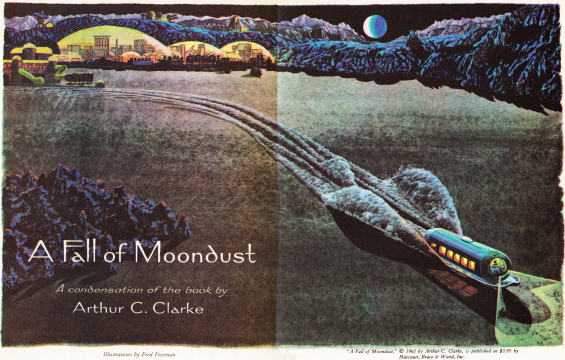
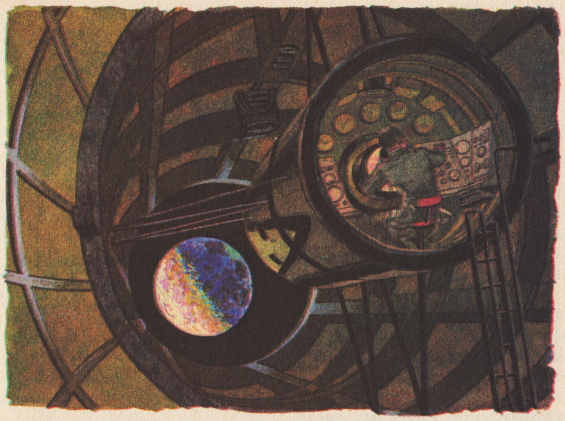
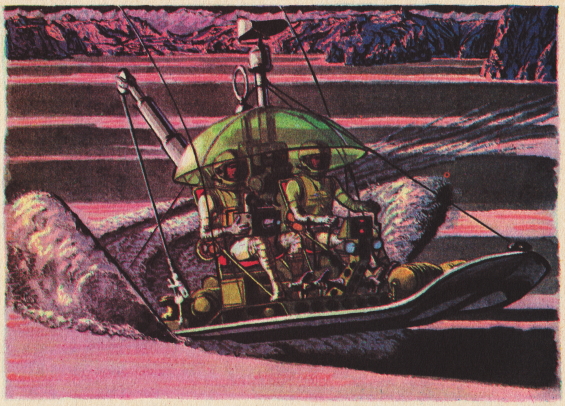
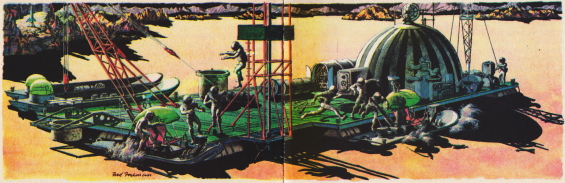
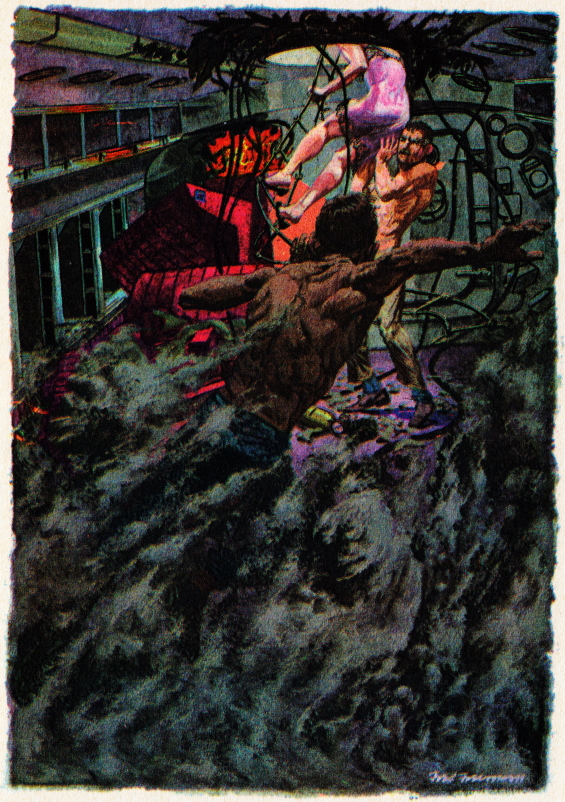
A Fall Of Moondust READER'S DIGEST

A Fall Of Moondust READER'S DIGEST

A Fall Of Moondust READER'S DIGEST

A Fall Of Moondust READER'S DIGEST

A Fall Of Moondust READER'S DIGEST

A Fall Of Moondust READER'S DIGEST

A Fall Of Moondust READER'S DIGEST

A Fall Of Moondust READER'S DIGEST

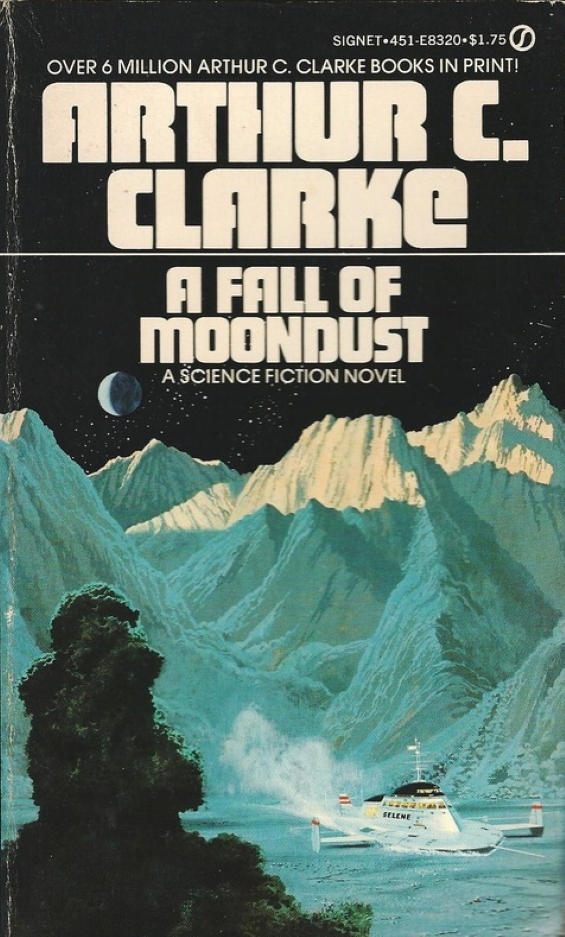
SIGNET - A Fall Of Moondust by Arthur C. Clarke

Posted by Jesse WillisBecome a Patron!

Review of The Martian by Andy Weir

SFFaudio Review

MartianThe Martian
By Andy Weir; Narrated by R.C. Bray
Publisher: Brilliance Audio
Publication Date: 22 March 2013
[UNABRIDGED] – 10 hours, 53 minutes

Themes: / astronaut / Mars / engineering / space exploration / NASA /

Publisher summary:

Six days ago, astronaut Mark Watney became one of the first people to walk on Mars. Now, he’s sure he’ll be the first person to die there. After a dust storm nearly kills him and forces his crew to evacuate while thinking him dead, Mark finds himself stranded and completely alone with no way to even signal Earth that he’s alive—and even if he could get word out, his supplies would be gone long before a rescue could arrive. Chances are, though, he won’t have time to starve to death. The damaged machinery, unforgiving environment, or plain old “human error” are much more likely to kill him first. But Mark isn’t ready to give up yet. Drawing on his ingenuity, his engineering skills—and a relentless, dogged refusal to quit—he steadfastly confronts one seemingly insurmountable obstacle after the next. Will his resourcefulness be enough to overcome the impossible odds against him?
Five stars for pure entertainment and because math made it suspenseful.

That’s right, math made it thrilling. Look at it this way, you’re stranded on a planet that’s essentially trying to kill you. You could just keel over and die … like I would most likely do in the same situation, or you could figure out how to stay alive.

Start with the math. NASA planned for 30 days worth of food for 6 people. The next time someone will be on the planet is in 4 years. Even rationing that food only gets you a little over a year’s worth.

Wait, what if you can’t even contact someone to tell them you’re alive and need to be rescued, more math.

It’s the math that made this book exciting. In fact, this XKCD comic pretty much explains it:

Knowing how long until you’re dead is the suspense.

Couple entertaining math (how is this even possible?) with one of the best characters ever created, Mark Watney, and you have an insanely great story.

Mark Watney is an absolutely hilarious character, especially coupled with the situation he’s in (stranded on Mars) and with whom he’s dealing with (NASA, aka the smartest people ever).

Exchanges like this are that much funnier when it’s freaking NASA he’s talking to:

“[11:49] JPL: What we can see of your planned cut looks good. We’re assuming the other side is identical. You’re cleared to start drilling. [12:07] Watney: That’s what she said. [12:25] JPL: Seriously, Mark? Seriously?”

Probably the best part is that it’s not cause he’s going crazy from being alone for so long, it’s just how he is and that’s awesome.

I not only thought of Watney as a close friend, but I felt like I lived on Mars in this book. You’re constantly aware of how much depends on every little thing not screwing up, how dependent someone is on things we take for granted on a planet that’s actually hospitable to life. And then everything goes wrong.

Which brings me to really the only kind of awkward thing about the book. With the way it’s set up (through log entries and third person omniscient when not with Watney), Andy Weir kind of has to go out of his way to tell you how things are going wrong. Suddenly, you’re brought out of the narrative to be informed how the constant pressure on one area caused the wearing down of material and suddenly … HUGE problem occurs.

Otherwise, I had a blast with this book. The narration by R.C. Bray was top notch. Not that I know anything different, but he nailed the sarcasm and wit of Watney and made this book go more than smoothly. I thought of him as Watney and completely forgot about the narration. That’s when you know it’s good.

This is one of those audiobooks I finished in such a short time because it’s all I wanted to do. I usually have audiobooks for the commute, but this is one you find yourself listening to at every possible moment. That’s when I know I’ve found gold. Eureka, put down what you’re reading and jump on The Martian train (I haven’t lost my metaphors have I?).

5 out of 5 Stars (Cause everything worked together to make this one damn fine read)

Posted by Bryce L.

The SFFaudio Podcast #326 – READALONG: The Lost World by Sir Arthur Conan Doyle

Podcast

The SFFaudio PodcastThe SFFaudio Podcast #326 – Jesse, Mr Jim Moon, and Bryan Alexander talk about The Lost World by Sir Arthur Conan Doyle

Talked about on today’s show:
The Lost World is a great read, Tom Barling illustrations of The Lost World, the Ladybird editions, King Kong, The Valley Of Gwangi, full of jokes, slapstick, witty banter, an awesome character, a role model for us all, Professor Challenger is Brian Blessed, every audio drama, every movie, Edgar Rice Burroughs, The Land That Time Forgot, a sideways angle Gilles deLEuze’s A Thousand Plateaus, Professor Challenger made the earth scream, “his simian disposition”, When The World Screamed, The Poison Belt, The Land Of Mist, The Disintegration Machine, an end of the world story, you could do it as a stage play with a single set, the humiliation chair, Challenger and his wife embracing, The Strand Magazine (U.K. vs. American editions), they knew what gold they’d found, competing with Argosy and the colourful pulps, Herland by Charlotte Perkins Gilman, it’s the same story, Lost Horizon, the 1998 quickie movie of The Lost World, other adaptations, Summerlee as a woman, the 2011 2-part BBC Radio drama adaptation, Diana Summerlee, a male book, Dracula, assembling a team of adventurers, the sacrificial American, a mad Texan, Maple White Land, From The Earth To The Moon by Jules Verne, both books have a major role played by a noble, Lord John Roxton, he rocks, the 3 part BBC Radio drama (available as a 3 CD set), the wise sage, comic relief, a double act, a towering bastard, a modern day Munchhausen, the frame story, an evolutionary biology exemplar, the central lake, a vaginal symbol, a 1912 book, becoming soft, the Boy Scouts, a moral equivalent to war, a testosterone shot, it’s a cartoon, Roxton’s test, Boys adventure, a genocide, slavery, the 1960 adaptation, the 2001 adaptation, a romance, ahistorical women, the 1960 adaptation, the prince is turned into a princess, every Edgar Rice Burroughs book makes this change, otherwise we couldn’t go back to our women, ape city from Planet Of The Apes, the Rod Serling scripted movie, one of the great scenes of history, The Red Queen: Sex and the Evolution of Human Nature, it’s not about gender roles, it’s about racism, these Indians are so degraded their barely above the average Londoner, stupid and wise, every magazine story in the 19teens is about race and going soft and miscegenation, their good negro, the description of rage, the red mist, getting savage, Heart Of Darkness, the white feather, spiritualism, anticipation WWI, Roxton has a ton of rocks (diamonds), evolutionary psychology, Hungerford, proving the ability to care for a large number of children, a classic case (undermined at the end), Gladis Potts, an amazing amount of stuff happens in this book, good scientific analysis, poor Malone, there’s reason to fear reporters of this era, a sophisticated view of the press, that’s always been the case, news was a big business in 1912, wire services, 15 years earlier (in Dracula), The New York Times, TV journalism, pointing at pictures and saying “oh dear!”, Charlie Brooker, Newswipe or Screenwipe, a high information culture, 5 posts a day, 3 editions a day, The War Of The Worlds, Now It Can Be Told by Philip Gibbs, the hoax aspect of the book, Doyle’s problem with science, quasi-hoax in the original illustrations, the way Sherlock Holmes stories are told, the Maple White illustrations, playing with the nature of the evidence, preserving an information and financial monopoly, meticulous description, the British tradition of the novel, a very realistic novel, protestant novel, is Robinson Crusoe real?, The Castle Of Otranto by Horace Walpole, Edgar Allan Poe, The Balloon Hoax, meta-textual questions, assorted deranged individuals, the imitators of H.P. Lovecraft, Dracula is a found footage novel, future proofing the story, At The Mountains Of Madness, Ruritanian romance, Mount Roraima, a partial pterodactyl wing, the trump card, pterodactyl wing, founding a private museum, the Evolution Museum in Kentucky, a fairy museum, The Structure Of Scientific Revolutions, science studies, the Royal Society, “we’ve discovered everything”, “we’re all done inventing”, the aether of the vacuum, “extraordinary claims requires extraordinary evidence”, an antecedent for Professor Quatermass, Bryan’s beard is intimidating, Bryan with beard and axe, The Horror Of The Heights, star jelly, Eadweard Muybridge, Sherlock Holmes as a the great Asperger’s hero, Neal Stephenson’s new novel is offensively hard SF, Larry Niven, you don’t have to understand science to do it, Jurassic Park, the movie, Steven Spielberg, the betraying geek, what saves them, kids and dinosaurs, American conservative standard American movie, Schindler’s List, A.I., the Americans are very repressed,

“I have wrought my simple plan
If I give one hour of joy
To the boy who’s half a man,
Or the man who’s half a boy.”

C.S. Lewis, Gomez the traitor, Lord John Roxton’s private war, the flail of the lord, half-breed slavers, hewers of word and drawers of water, this is totally colonialism, Rhodesia, Mungo Park, Water Music by T. Coraghessan Boyle, the 1925 silent film version, Willis O’Brien, the Brontosaurus, the 1960 version, the sound effects, the dinosaurs sound like tie fighters, The 39 Steps, show me the lizards, Jules Verne’s Journey To The Center Of The Earth, 1860s paleontology, Ray Bradbury: ‘dinosaurs are awesome’, Ray Harryhausen, creationism, the poor iguanodon, dinosaurs are inherently partly mythical, the dinosaurs are all female, parthenogenesis, Eaters Of The Dead by Michael Crichton, The Andromeda Strain, The First Great Train Robbery, Sean Connery and Donald Sutherland, Beowulf vs. neanderthals, Ahmad ibn Fadlan, Congo, intelligent apes, Gorilla Grodd, DC Comics, Planetary, Lord Greystoke, loving riffs on SF classics, Doc Savage, The Shadow, too much incident (for a modern book), value for money, Speed, the whole bus gimmick, Interstellar, shallow water planet, weird ice planet, the O’Neil colony, ideas are of primacy, a humorous bombastic semi-psychotic reading, Bob Neufeld’s narration for LibriVox, John Rhys Davies, the 2001 TV adaptation with Matthew Rhys as Malone, The Americans, the science, The Andromeda Strain‘s scientific density, Andy Weir’s The Martian: “we’re going to science the shit out of this”, five-dimensional beings, the Nolan brothers, Elysium, in the geography of the public mind, Conan Doyle’s passions, “I’m obsessed with fairies now!”, FairyTale: A True Story, science runs the risk of P.T. Barnum, we need a Conan Doyle and a Houdini.

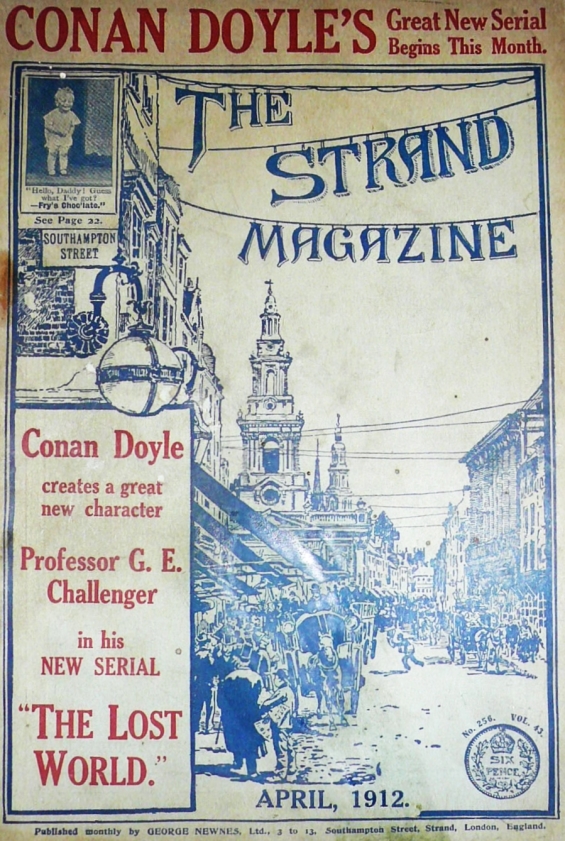
The Strand Magazine, April 1912
The Lost World by Sir Arthur Conan Doyle
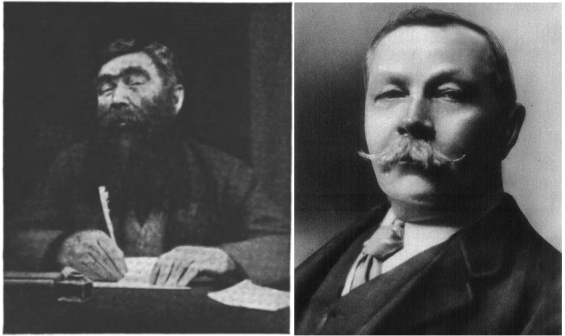
Professor Challenger and Sir Arthur Conan Doyle
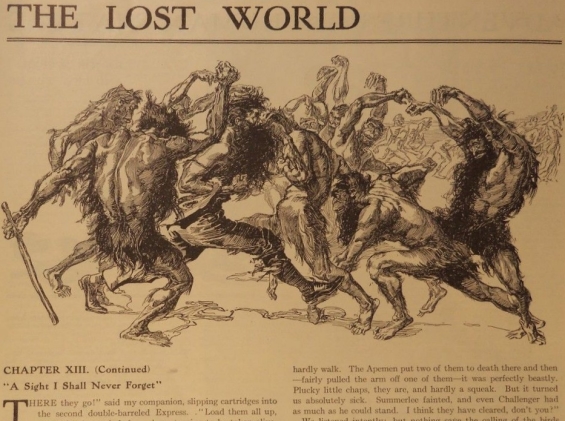
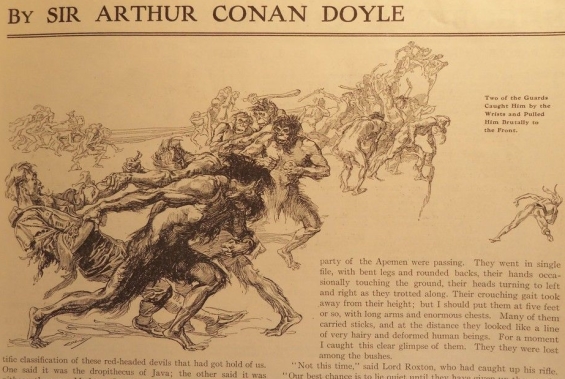
The Lost World - Chapter 8 from The Sunday Star June 23, 1912
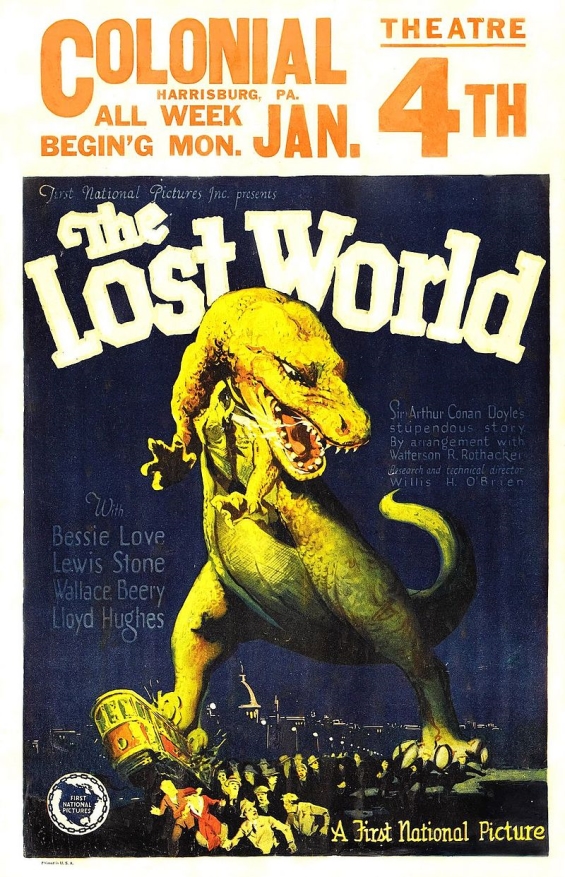
The Lost World (1925) film poster

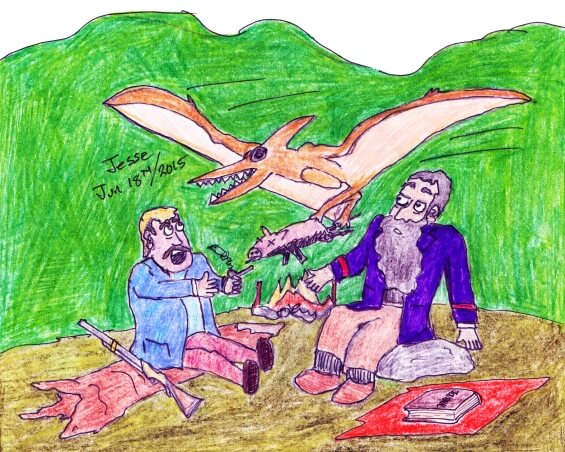
The Lost World by Sir Arthur Conan Doyle - Illustration by Jesse
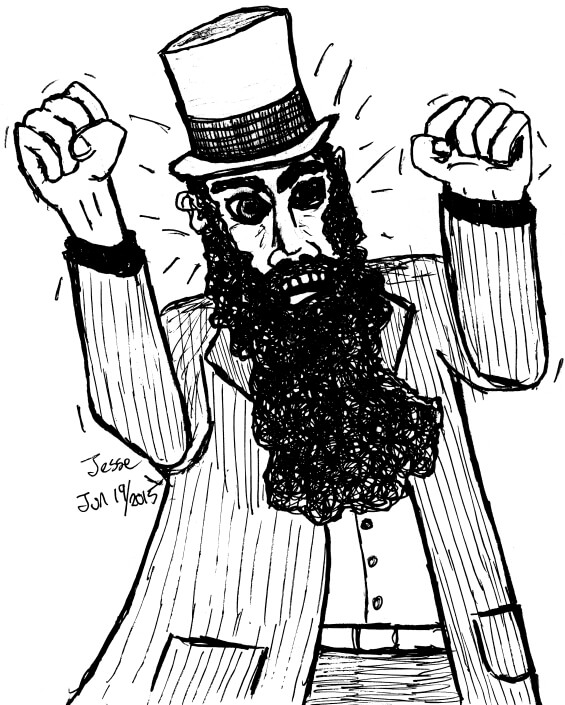
Professor Challenger - Illustrated by Jesse
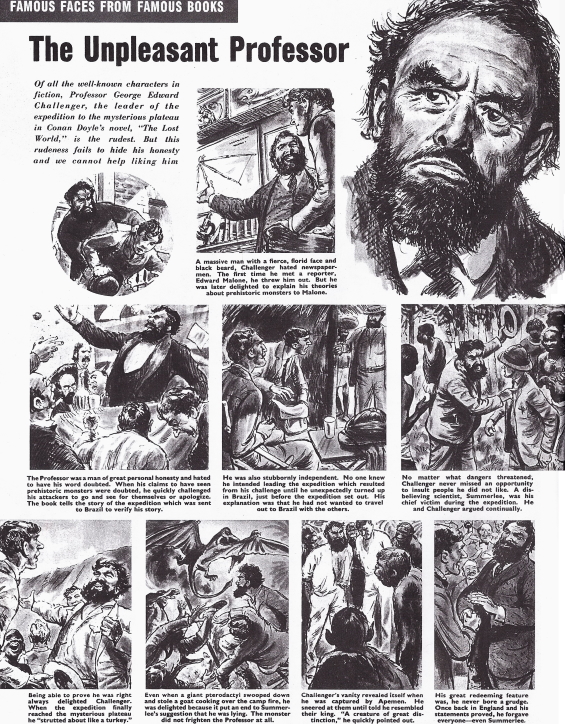
Best Of Look And Learn, No. 14, page 10 - Professor Challenger

Posted by Jesse Willis

The SFFaudio Podcast #264 – READALONG: The Martian by Andy Weir

Podcast

The SFFaudio PodcastThe SFFaudio Podcast #264 – Jesse, Jenny, Tam, Julie, Bryan, and Mike discuss The Martian by Andy Weir.

Talked about in this episode:
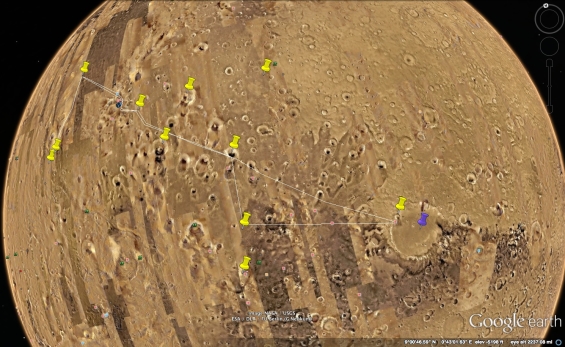
Dust on Mars is too thin to allow for sandstorms; terpkristin says NASA would never build a faulty antenna; and we finally introduce the book; is The Martian science fiction?; the one-way Mars mission Mars One; reminiscent of Heinlein’s Farmer in the Sky; Mike tracks Watney’s journey through Google Mars; why NASA picks boring locations to land their first missions; Andy Weir on Science Friday; the most far-fetched element of the book is its lack of budgetary concerns; Bradley Cooper in the film adaptation?; The Martian and Gravity have depressing implications; the novel’s (Heinleinian?) lack of character development; Mark Watney is in “full on Macgeyver mode”; most pilots are boring; many LOLs in the book; Andy Weir’s webcomic Casey and Andy; strong language in the novel; stoichiometry; feasibility of plot points; engineer-as-hero motif pitted against bureaucracy; Martian Odyssey by Stanley G. Weinbaum; Robinson Crusoe by Daniel Defoe; Robinson Crusoe on Mars starring Adam West; The Makeshift Rocket by Poul Anderson, a spaceship powered by beer; From the Earth to the Moon by Jules Verne and First Man on the Moon by H.G. Wells; Robinsoniad; Thunder and Lightning series by John Varley; Rocket Ship Galileo by Heinlein, featuring Nazis on the Moon!; the United States falling behind in the Space Race; Stephen Hawking on the dangers of artificial intelligence; Mars Attacks!; the novel’s lack of Earth focus makes it literally escapist; Heinlein’s prophetic Destination Moon; send more potatoes to space; pop culture references; “I’m a space pirate.”; The Case for Mars by Bob Zubrin, a non-fiction proposal for reaching the Red Planet; Red Mars and other Kim Stanley Robinson novels; Marooned starring Gregory Peck; GravityApollo 18, a found-footage horror film; Falling Skies; Bruce Campbell and Martin Koenig in MoontrapPrincess of Mars by Edgar Rice Burroughs; A Walk in the Sun by Geoffrey Landis; Transit of Earth by Arthur C. Clarke bears a strong resemblance to The Martian; new party game: “You an astronaut on Mars. What’s the last music you listen to before you die?”; We Who Are About To by Joanna Russ; hope in fantasy and science fiction; Jesse hopes they don’t make a sequel; locked-room scenarios; Portal; would Earth really expend so many resources to save a single human being?; Ascent by Jed Mercurio; T-Minus: The Race to the MoonLimit by Frank Schätzing; PlanetesThe Souther Reach by Jeff VanderMeer for more botanist action; The Apollo Quartet by Ian Sales; Voyage by Stephen Baxter, dramatized by BBC Radio.

The Martian by Andy Weir

The Martian by Andy Weir (Mars Itinerary)

Posted by Jesse Willis

Review of The Martian by Andy Weir

SFFaudio Review

The Martian by Andy WeirThe Martian
By Andy Weir; Narrated by R. C. Bray
Publisher: Podium Publishing (on Audible)
Publication Date: March 2013
[UNABRIDGED] – 10 hours, 28 minutes

Themes: / Mars / NASA / survival /

Publisher summary:

I’m pretty much f**ked.

That’s my considered opinion.

F**ked.

Six days into what should be the greatest two months of my life, and it’s turned into a nightmare. I don’t even know who’ll read this. I guess someone will find it eventually. Maybe 100 years from now. For the record… I didn’t die on Sol 6. Certainly the rest of the crew thought I did, and I can’t blame them. Maybe there’ll be a day of national mourning for me, and my Wikipedia page will say “Mark Watney is the only human being to have died on Mars.” And it’ll be right, probably. Cause I’ll surely die here. Just not on Sol 6 when everyone thinks I did. Let’s see…where do I begin?

This book should be subtitled: Keep It Together. Work the Problem.

Astronaut Mark Watney is marooned on Mars after a freak dust storm literally blows him away from his crewmates. Thinking he’s dead, the mission is scrubbed and the rest of the crew head back to Earth. Mark hopes to survive until the next NASA mission to Mars in four years.

Most of The Martian consists of Mark’s log entries which read like a MacGyver episode. He keeps as lighthearted a mood as possible while recording the details of how he is attempting to grow food, find water, and so forth. It is this lighthearted element which helps keep this from being merely a manual of “how to survive on Mars.” For example, Mark’s selection of entertainment from among the things left behind by his crewmates yields the complete series for Three’s Company. His occasional comments on the series afterwards made me laugh out loud.

Fairly early in the book, NASA’s side of the story begins being interwoven with Mark’s struggle for survival. Since Apollo 13 is one of my favorite movies, the comparison is inevitable and irresistible. NASA must juggle PR, competing agencies, rescue plans and more … while we see Mark doggedly surmount one obstacle after another. It is a welcome element because an entire book of Mark’s survival log was going to need some sort of additional depth to make it interesting.

Although I always felt fairly sure that Mark would survive, as the end of the book loomed near I got increasingly tense. What if these were his “found posthumously” logs? The author kept the tension up to the very end.

And at the end? I’m not ashamed to admit it. I cried.

Tears of joy? Tears of sorrow? Read the book and find out.

Or listen to it as I did. Narrator R.C. Bray did a good job of conveying Mark’s sense of humor and absorption in problem solving and survival. He also was good at the various accents of the international cast comprising the rest of the crew and NASA. He had a tendency to read straight storytelling as if it were a computer manual or something else that just needed a brisk run down.

The main thing a bit at fault was Bray’s German accent, which I kept mistaking for a Mexican or Indian accent. Those don’t seem as if they should be that interchangeable do they? My point exactly. However, I always knew who was speaking, I felt emotions as they came across, and it was a good enough narrating job. Not enough to make me look for other books in order to hear his narrations, but good enough.

This novel is not a short story and I felt it would have benefitted from more characterization. Yes, we get to know Mark Watney and, to a lesser degree, his crewmates and the NASA crew. However, to hear Mark’s story for so many days (sols) and get to know so little about him during that time … well, after a while it got a little boring, aside from the new problems to be solved or emergencies from which to recover.

We also got occasional forays into NASA and the spaceship crew, but more about Mark would have enriched the story. It didn’t have to be soul-baring and I realize he was writing a log, but after several hundred days some personalization would have crept in, one would think.

Anyway, that is not a huge factor because I enjoyed the story. But I was not surprised to see that the author is a computer programmer and it did cost the book a star.

Posted by Julie D.