The SFFaudio Podcast #198 – READALONG: The Martian Chronicles by Ray Bradbury

Podcast

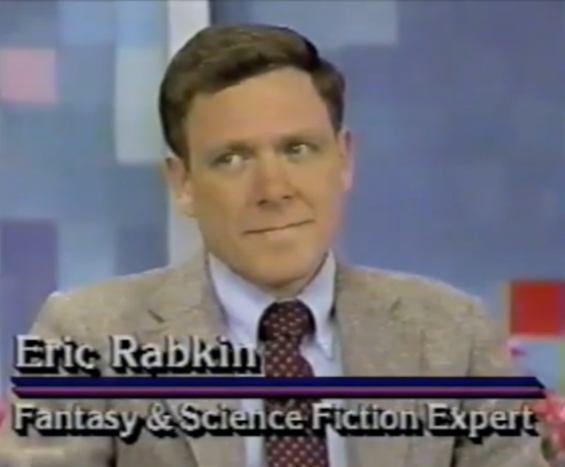
The SFFaudio PodcastThe SFFaudio Podcast #198 – Jesse, Tamahome, Jenny, and Professor Eric S. Rabkin discuss The Martian Chronicles by Ray Bradbury.

Talked about on today’s show:
Rock Hudson, The Martian Chronicles (TV adaption), Eric’s Coursera course (Fantasy and Science Fiction: The Human Mind, Our Modern World), The Million Year Picnic, I, Mars, The Moon Be Still As Bright, Usher II, the hot dog stand on Mars, fix-up, The Long Years (a robot family), Night Call Collect, There Will Come Soft Rains, a book of poems, novels of recurring characters, “composite novels”, “the culminating image of the whole book”, Cortez burning his ships, “were definitely going to need the daughters” (if the daughters are willing), Joanna Russ, Picnic On Paradise, The Million Year Picnic, “tamed nature”, the publisher’s motivation, Walter Bradbury, the market change (with Ballantine Books), “Mammon rules again”, the table of contents, Way In The Middle Of The Air, a more Edenic ending, 1984, North Korea, Earth Abides, the Golden Gate Bridge, getting a sense of the author, H.P. Lovecraft, colour, repetition, word choice, Spender, The Moon Be Still As Bright, Captain Wilder, the instinct to be cruel, the instinct to minimize the horror, the instinct to shoot the tomb robbers, feeling the emotion he’s trying to give us, the physics, nostalgic, seeing it from all sides, Farewell Summer, Bradbury’s gut reactions, The Martian Chronicles as a fairy tale, Isaac Asimov’s reaction, Fantasies set in space, Usher II and censorship, “the Poe machines”, the colour of Mars’ sky (blue and pink), the Martian canals, The Green Morning, Johnny Appleseed, the epigraph, “…space travel has again made children of us all.”, Christopher Columbus, the Chicken Pox plague, Another America, telepathy, the noble savage, a symbolic America, The Pedestrian, Bradbury was a strange guy, Fahrenheit 451, Edgar Rice Burroughs, the Martian high culture, the second expedition, “look up in space, we could go to the Moon!”, dinosaurs!, Mars Is Heaven, Science Fiction is supposed to have knowledge in it, imagery (sight, light, and fire), the brass band, Columbia, The Gem Of The Ocean, music, Humans are technological, Martians are emotional, the window, Beautiful Ohio, music dominates (not intellectual knowledge), Genevieve Sweet Genevieve, “fully lyrical”, the fire lay in the bed and stood in the window, the dog symbolizes the entire loss of the human race, the long monologues, getting it without filtering it, The Musicians, Rocket Summer, “it made climates”, the silences, the music as a symbol for American culture, the killing spree, The Off Season parallels with the second expedition, an inversion, Bradbury has it every way, Emma Lazarus, The New Colossus, Sam Parkhill, an epitome of perverted American ideals, Bradbury loves hot dogs, Dark Carnival, Something Wicked This Way Comes, mournful Mars, America by Ray Bradbury, the Wikipedia entry for The Martian Chronicles, The Taxpayer, the urge to improve, alas, the silhouettes on the house, Chernobyl vs Hiroshima, a grim meme, what gives this book it’s staying power?, Nightfall by Isaac Asimov, L’Anse aux Meadows and Roanoke, maybe it’s circular, “we’re the Martians now and we will be again”, Night Meeting, Stephen Hoye narrated Blackstone Audio, Bradbury’s reading, Bradbury’s first flight, Harlan Ellison, wasting time on the internet, Ylla, The Ray Bradbury Theater, Mardi by Herman Melville, making this book cohere, what part doesn’t fit?, reading it as short stories, “it’s an American book”, robots, decommissioning is murder, Ray Bradbury and Philip K. Dick had a shared contempt for litterers, crassness, The Electric Ant, Do Androids Dream Of Electric Sheep?, I Sing The Body Electric, Walt Whitman, “it’s the music!”, there’s no switch, gingerbread and tea, Helen O’Loy by Lester Del Rey, are there stories not included in The Martian Chronicles that should have been?, Way In The Middle Of The Air, The Other Foot, different editions of The Martian Chronicles, The Illustrated Man, The Fire Balloons, Stranger In A Strange Land, Grouch Marx (Lydia the Tattooed Lady), The Penal Colony by Franz Kafka, The Veldt, The City, Rod Steiger, Dandelion Wine, The Canterbury Tales by Geoffrey Chaucer.

The Martian Chronicles illustration by Michael Whelan
The Martian ChroniclesThe Off Season by Ray Bradbury - illustration by Vincent Napoli
Way In The Middle Of The Air by Ray Bradbury - illustrated by Robert Fuqua
The Earth Men by Ray Bradbury - Thrilling Wonder,  August 1948
Dwellers In Silence by Ray Bradbury - Planet Stories
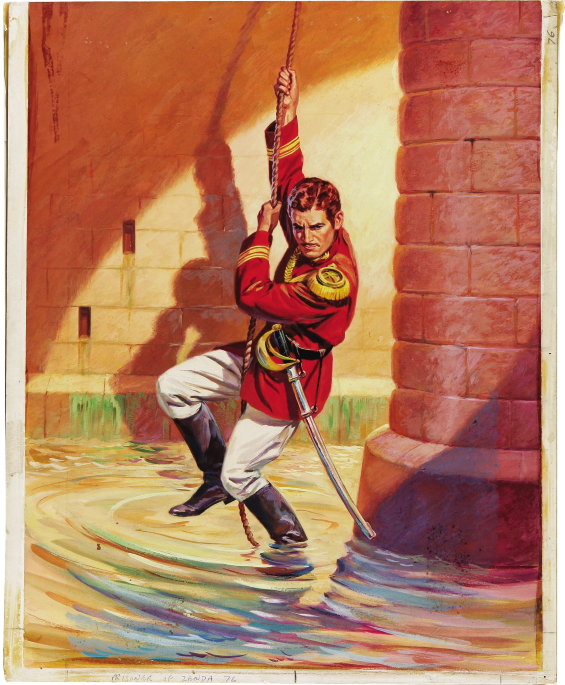
The Million Year Picnic by Ray Bradbury - illustrated by Leydenfrost

Posted by Jesse Willis
The SFFaudio Podcast #177 – NEW RELEASES/RECENT ARRVIALS

Podcast

The SFFaudio PodcastThe SFFaudio Podcast #177 – Jesse, Tamahome, Jenny, talk about the latest NEW RELEASES and RECENT ARRIVALS in audiobooks and paperbooks.

Talked about on today’s show:
Jenny’s beagle Bailey loves audiobooks, breed vs. brand, “Space Drama”, The Prankster by James Polster (from Brilliance Audio), stranded on Earth, novellas, Luke Daniels is everywhere, Space Cadet by Robert A. Heinlein, Between Planets by Robert A. Heinlein (Full Cast Audio), Ace Tachyon (aka Abner Senries), Methuselah’s Children by Robert A. Heinlein, immortality, Universe by Robert A. Heinlein, “Future History”, 1941, “the guy with the two heads”, Lazarus Long, The Notebooks Of Lazurus Long, kilted spacemen, Fate of Worlds: Return from the Ringworld by Larry Niven and Edward M. Lerner (Blackstone Audio), Ringworld, “big dumb object” (and the blog of the same name), space elevator, Energized by Edward M. Lerner, a NASA engineer is the main character!, Grover Gardner, terpkristin, geopolitical intrigue, hard SF, Larry Niven and Gregory Benford “bowl-world?”, Dyson’s sphere, library of congress subject headings, Dewey Decimal Classification, Grover Cleveland, a librarian’s license, are librarians born or trained?, “on the square and on the level”, Trucker Ghost Stories edited by Annie Wilder (Macmillan Audio), Tavia Gilbert, Peter Ganim, 21st Century Dead: A Zombie Anthology edited by Christopher Golden (Blackstone Audio), Simon R. Green, Ken Bruen, Daniel H. Wilson, Brian Keene, zombies are taking over, The Walking Dead (comic), Locke & Key, Joe Hill, Stephen King, “gears and robots” or “steamy robots”, Clockwork Angels: The Novel by Kevin J. Anderson, Neil Peart (of Rush), steampunk, steampunk music?, The Steampunk Bible edited by Jeff Vandermeer, Mr Jupitus In The Age Of Steampunk, maker stuff with tophats, is there a good steampunk book to wow Tam?, Murdoch Mysteries, Tesla vs Edison, steampunky, 1950s kitchen appliances, golden age SF, Boneshaker by Cherie Priest, Sword & Laser, VN by Madeline Ashby, Von Neumann machine, “she stopped being able to not harm humans”, gynoid vs. android, a girlnoid, guynoid vs. gynoid, Angry Robot, Saturn’s Children by Charles Stross |READ OUR REVIEW|, Exhalation by Ted Chiang, non-human main characters, Cloud Atlas by David Mitchell, post-apocalyptic Hawaii, “a hard entry point”, The Curious Incident Of The Dog In The Nighttime, fantastical, “fantasy noir”, “a noir cannot be series”, “investigative fantasy” or “hardboiled fantasy?”, darker than you think by Jack Williamson (Blackstone Audio), Jim Meskimen, embroiled in hardboiled?, The Humanoids, With Folded Hands, setee vs. seetee, Technomancer (Unspeakable Things: Book 1) by B.V. Larson (Brilliance Audio), space-kilt!, Red Planet by Robert A. Heinlein, naked on a frozen planet, Saint City Sinners by Lilith Saintcrow, Tanya Eby, Battle Royale by Koushun Takami, Morning Glories (comic), Midnight (Nightingale Trilogy: #2) by Stephen Leather, Ralph Lister, “supernatural noir”, hardboiled vs. noir, Philip Marlowe is hardboiled (perhaps with noir elements), Kiss Me Deadly by Mickey Spillane, noir as a visual vs. noir as a story, Hamlet, noir stories don’t need detectives (and usually don’t have them), femme fatale, James M. Cain, Body Heat, Chinatown, “it’s chinatown Jake” = things are so fucked up you should walk away, “kitty kat”, “fantasy adventure”, Wake of the Bloody Angel: An Eddie LaCrosse Novel by Alex Bledsoe, pirates!, Stefan Rudnicki, The Hammer And the Blade by Paul S. Kemp, Nick Podehl, Functional Nerds, Fritz Leiber’s Fafhrd and the Gray Mouser, the trouble with fish-gods, a buddy movie (book), dragons, Sky Dragons (Dragonriders of Pern) by Anne McCaffrey and Todd McCaffrey, Emily Durante, Brilliance Audio, Blood of the Emperor (The Annals of Drakis: Book Three) by Tracy Hickman, Margaret Weis, PKD!, Counter Clock World by Philip K. Dick, Gather Yourselves Together by Philip K. Dick (mainstream PKD) <-published posthumously, Eye In The Sky by Philip K. Dick, Dan John Miller (Brilliance Audio), The Zap Gun by Philip K. Dick (Brilliance Audio) <-an expansion of The Gun Project Plowshare, Mel Foster, Anthony Boucher liked it, The Man Who Japed by Philip K. Dick (Brilliance Audio), Repent Harlequin Said The Ticktock-man by Harlan Ellison, Dick was a crazy autodidact, didacticism, A World Of Talent and Other Stories (Eloquent Voice), Total Recall (aka We Can Remember It For You Wholesale), public domain Philip K. Dick stories, a strange dedication, Geek’s Guide To The Galaxy, John Joseph Adams, The Reel Stuff edited by Brian Thomsen and Martin H. Greenberg, Mimic by Donald A. Wollheim, the Total Recall remake is terrible and stupid, Inception, are “sci-fi” movies are opera for Americans?, Air Raid by John Varley, Loopers, time travel, many new Stanisław Lem audiobooks are up on Audible.com!, Lem READALONG!, Tam is always “Lemming”, Lemistry: A Celebration of the Work of Stanisław Lem, Eric S. Rabkin, Cyberiad, Luke Burrage’s review of Solaris, Noise: A Novel by Darin Bradley, Chris Patton, dystopias are refreshing, The Hunger Games by Suzanne Collins, Spider Robinson, The Road by Cormac McCarthy, Jesse is completely wrong, does a lack of engagement with the society in The Hunger Games make it not really SF?, science fictiony vs. Science Fiction, 1984, an ever evolving book of rules about idea fiction, Arguably: Essays by Christopher Hitchens, George MacDonald Fraser’s Flashman, The New York Review Of Books, arguing with books, Jenny’s favourite part of the NYRoB, the New York Review Of Books blog, academic writing vs. literary writing, Vanity Fair and Vanity Fair online, Simon Prebble has captured Chrisopher Hitchen’s voice, Jo Walton, the Booker Prize longlist, Bring Up The Bodies by Hilary Mantel (historical fiction), history, I, Claudius by Robert Graves, fictionalized history vs. historical fiction, Luke Burrage’s review of Wool by Hugh Howey, Jenny makes friends with all the authors.

Ace Double - The Man Who Japed by Philip K. Dick

Posted by Jesse Willis
The SFFaudio Podcast #171 – NEW RELEASES/RECENT ARRIVALS

Podcast

The SFFaudio PodcastThe SFFaudio Podcast #171 – Jesse, Tamahome, Jenny, Julie Hoverson, and Matthew Sanborn Smith talk about the latest NEW RELEASES and RECENT ARRIVALS in audiobooks and paperbooks.

Talked about on today’s show:
Matt is sorry, audiobooks and paperbooks, The Mongoliad (Book 1) by Greg Bear, Neal Stephenson, Mark Teppo, Erik Bear, Joseph Brassey, Cooper Moo, E.D. deBirmingham, Luke Daniels, Brilliance Audio, “speculative history”, shared worlds, Jenny appreciates the effort, Mongolian food yum!, Genghis Kahn And The Making Of The Modern World by Jack Weatherford, swordplay, Blackbirds by Chuck Wendig, Angry Robot Books, “our hirsute friend”, “Clyde Bruckman’s Final Repose“, Peter Boyle, The X-Files, “I’m on team more please”, Counter Clock World by Philip K. Dick |READ OUR REVIEW|, Your Appointment Will Be Yesterday, “The librarians have all the power and they use it for evil.”, Red Dwarf, Backwards, WWII in reverse, time’s arrow, South Park, Dreadnaught: The Lost Fleet: Beyond The Frontier by Jack Campbell, military SF, Steve Gibson (of Security Now), “Gratuitous Space Battles”, Battlestar Galactica, Star Wars, Battleship, Shadow Blizzard by Alexey Pehov’s website, D&D style action, George R.R. Martin, Shadow Prowler, is there a Russian Goodreads?, Luke Burrage, The Scar, The Hot Gate by John Ringo, Baen Books, Sword & Laser, Omega Point (A Richards And Klein Investigation) by Guy Haley, an angry AI, The Steel Remains by Richard K. Morgan, “don’t poke the nerds”, Farmer In The Sky by Robert A. Heinlein, collective tractor problems, Tunnel In The Sky by Robert A. Heinlein, Silent Running, bringing earth from Earth, Nick Podehl, “solar operas”, The Number Of The Beast by Robert A. Heinlein, a bloaty book, Sliders, lawyer world is our world, bickering about who is in charge, “sensual”, The Number Of The Beast Wikipedia entry, Amidala is Ozma?, Space: 1889, The Year’s Top Ten Tales Of Science Fiction: Volume 4 edited by Allan Kaster, After The Apocalypse by Maureen F. McHugh, Charles Stross, Robert Reed, Kiss The Dead by Laurell K. Hamilton, noir, Anne Rice, PUBLIC SERVICE ANNOUNCEMENT (email Jenny if you’re an audiobook reviewer in search of audiobooks to review), Thursday Next, Jasper Fforde, Hamlet, The Unwritten, Recorded Books, One Of Our Thursdays Is Missing by Jasper Fforde, Shadow Of Night by Deborah Harkness, a Martian day, Moon War by Ben Bova, the “Grand Tour” series, Kim Stanley Robinson, mowing the lawn while audiobooking, The Chaperone by Laura Moriarty, Downton Abbey, Cranford, The Orphanmaster by Jean Zimmerman, The Secret Pilgrim by John le Carré, A Perfect Spy by John le Carré, Michael Jayston, AuralNoir.com (SFFaudio’s long forgotten clone), “it’s about ideas”, John le Carré as a narrator, Rogue Male by Geoffrey Household, James Bond, Sherlock Holmes, Penguin Audio, Potboiler by Jesse Kellerman, Breaking Bad, a surreal chain of events, Kirby Heyborne, Homeland by Cory Doctorow, Eric S. Rabkin’s Coursera Course: Fantasy and Science Fiction: The Human Mind, Our Modern World, Night Watch by Linda Fairstein, A Game Of Thrones food, when is Winter coming?, Barbara Rosenblat, It’s The Middle Class Stupid by James Carville and Stan Greenberg, is that a speech impediment or an accent?, I Hate Everyone … Starting With Me by Joan Rivers, “You’re not the gay son I wanted.”, Suck It, Wonder Woman: The Misadventures Of A Hollywood Geek by Olivia Munn and Mac Montandon |READ OUR REVIEW|, The Newsroom, Attack Of The Show, Michael Caine, audio biographies, My Life by Bill Clinton, Bossypants by Tina Fey, 30 Rock, SecondWorld by Jeremy Robinson, On The Beach by Nevil Shute, Phil Gigante, The Stainless Steel Rat, Fatherland, Kop Killer by Warren Hammond, wife wife wife, Spider Play by Lee Killough, Beware the Hairy Mango, 19 Nocturne Boulevard, Fatal Girl (anime audio drama), internal consistency, is anime a genre?, Hayao Miyazaki, Tony C. Smith’s District Of Wonders network, StarShipSofa, Tales To Terrify, Crime City Central, Protecting Project Pulp, Lawrence Block, Lawrence Santoro is awesome, should we care about networks?, Mucho Mango Mayo (a new story every day), web-series writing month, Saki, H.P. Lovecraft, Jorge Luis Borges, Dis-Belief, cosmic horror, parallel universes.

Posted by Jesse Willis
The SFFaudio Podcast #166 – TOPIC: SFF FORMS (Short Story, Novella, Novellete, Novel, Fix-up, Trilogy, World)

Podcast

The SFFaudio PodcastThe SFFaudio Podcast #166 – Jesse, Luke Burrage, and Eric S. Rabkin discuss, at length, the SFF FORMS (Short Story, Novella, Novellete, Novel, Fix-up, Trilogy, World). Here’s the premise:

Science Fiction Forms: Short Story, Novella, Fix-Up, Novel, Trilogy, and World. Respectively, they might be exemplified thus: Short Story (“Mars Is Heaven!“), Novella (“Flowers for Algernon“), Fix-Up (The Martian Chronicles, which contains a revised version of “Mars Is Heaven!” or The Seedling Stars, Accelerando, and Beggars In Spain, all of which began as novellas), Novel (originals, like 1984, and derivatives like Flowers for Algernon or Varley’s novel Millennium coming from his short story “Air Raid“), Trilogy (original Foundation series), World (the ultimate Foundation world or Heinlein’s Future History [shared with others] or Banks’s Culture or LeGuin’s Hainish series [created just for the authors, but let’s not forget about fan fiction]). What are the special challenges and rewards in reading and writing in these diverse forms? What special challenges or rewards attend on reusing material in another form? Is the formal plasticity of SF unique among literary genres?

Talked about on today’s show:
Eric’s suggestion, literature with a capital “L”, The Dead by James Joyce, The Portrait Of The Artist As A Young Man, Doomsday Book by Connie Willis, Luke’s Science Fiction Book Review Podcast, the format, the themes, the variability of short story form, the feghoot, Day Million by Frederik Pohl, Accelerando, Stories Of Your Life And Others by Ted Chiang, The Tower Of Babel, stripped away vs. embellished to the nth degree, Flowers For Algernon by Daniel Keyes, Understand by Ted Chiang, The Bells by Edgar Allan Poe, The Black Cat, fantasy, the unexplicit story, valid reactions, the etymology of “text”, Earth Abides by George R. Stewart, a persuasive existential journey, The Scarlet Plague by Jack London, San Fransisco, short stories as objects of frivolity or training, the brilliance of an idea is not always enough, a novel can act as a community to an individual, Fahrenheit 451 by Ray Bradbury vs. The Fireman by Ray Bradbury, is the novel inherently more participatory than a short story?, the failure of technology vs. the power of nature, The Masque Of The Red Death, teaching Science Fiction with short stories and novels, The Science Fiction Hall Of Fame (Volume 1), the composite novel, Winesburg, Ohio by Sherwood Anderson, A.E. van Vogt, the fix-up, The Martian Chronicles by Ray Bradbury, Accelerando by Charles Stross, Lobsters by Charles Stross, the cat changes function, “an intellectual framework”, Robert A. Heinlein’s future history, the composite novel, Isaac Asimov, future history vs. psychohistory, Michael Moorcock, I, Robot, Robbie, the three laws, Stephen Byerly and Susan Calvin, unAsimovian assumptions, the full dose of SF, Reason, The Evitable Conflict, is Stephen Byerly a robot or a man?, the Mérode Altarpiece (a medieval iconographic trope), art history, Luke doesn’t think Asimov is that clever, R. Daneel Olivaw, the three laws are fairytale laws, positronic brains are positive, the three laws are for people (not just robots), The Bicentennial Man, Asimov’s powers, Asimov’s business acumen, Brandon Sanderson, shared worlds, gods, Mormonism, Daniel Clowes, The Death Ray, Elantris, “The Alexandria Quartet” by Lawrence Durrell, reading The Martian Chronicles backwards, Luke’s fiction, Alastair Reynolds, Sherlock Holmes, Baker Street Irregulars, whodunit ain’t the attraction, The Adventure Of The Speckled Band, a matter of cutting, A Clockwork Orange, it’s better without the extra chapter, the commercial effect (or the effect of commercialism), popular literature, the flabby novel, Robert J. Sawyer, Hominids, Calculating God, William Shakespeare, The Royal Ontario Museum, horse evolution, God needs a starship!?, where to find a paleontologist, “a hundred pages of nothing happening”, a circular argument, writing to the story’s demands, Kevin J. Anderson, commercial constraints shouldn’t be points of pride, the thickness of books, The Lord Of The Rings, does more succinct = more better?, novellas are novels with threads missing?, The Hobbit, the ambition of the author, Luke is rejecting the basic premise, The Stand by Stephen King, is it a better story short or long?, changes and updates and additional material, don’t let Asimov near a typewriter unless you want something written, Against The Fall Of Night by Arthur C. Clarke, The City And The Stars, expanding everything, Monster Story, “it came to me in a dream”, Minding Tomorrow, Nightfall (the short story) vs. Nightfall (the novel), “it’s a lot like a perfectly nice novel that eventually becomes a masterpiece”, The Lion of Comarre, it’s not a commercial podcast, a civil rowdiness, Eric’s Coursera course: Fantasy and Science Fiction: The Human Mind, Our Modern World, rechunking, forums, essays, 18,000 registered students, University of Michigan, only the competitors are qualified to judge the competitors, a history of the U.S. Civil War, Luke’s kitchen, grades, “there is no absolute abstract grade for anything”, Science Fiction and Politics (Courtney Brown), the governor of a steam engine, Luke confuses two professors, “yes, by golly, that was a very good thing of it’s kind”, The Odyssey by Homer, a foundational classic, The Bible, the Benjamin Franklin bible, there should be an SFBRP review of The Odyssey, Luke’s Matthew Mark Luke Skywalker, Star Wars, Joseph Campbell, time for coffee!

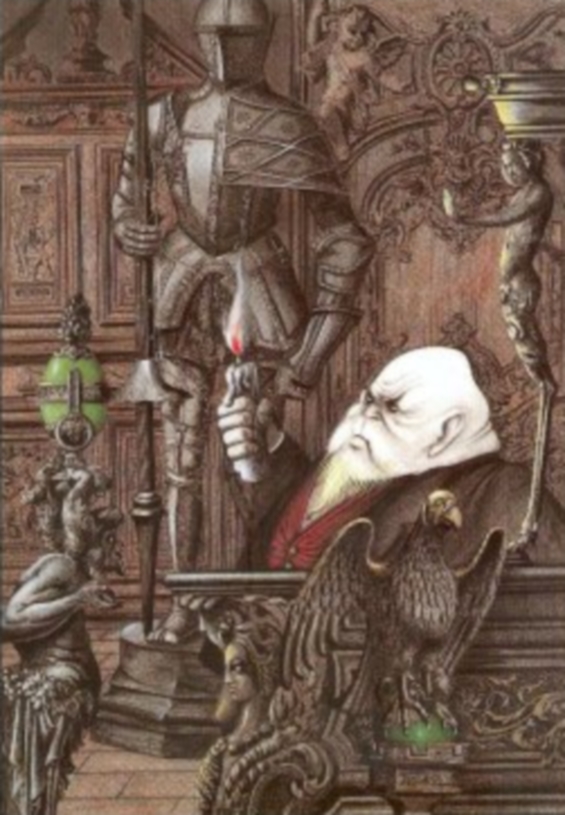
The Mérode Altarpiece

Startling Stories, November 1948 - Against The Fall Of Night by Arthur C. Clarke

Against The Fall Of Night by Arthur C. Clarke (page 11 of Startling Stories, November 1948)

Against The Fall Of Night by Arthur C. Clarke (page 12 and 13 of Startling Stories, November 1948)

Posted by Jesse Willis
Five Free Favourites #15: The 5 first appearances of SFFaudio Podcast semi-regulars

SFFaudio Online Audio

Five of my favourite podcasts, of our first 100 shows, include the first appearances of SFFaudio Podcast semi-regulars. This list is actually in order of how frequently they were on the podcast in those first hundred episodes.

Five Free Favourites

1. Luke Burrage first came to my attention through his Science Fiction Book Review Podcast. I had listened to his review of Robert J. Sawyer’s Hominids, and we talked about it on SFFaudio Podcast #022. Since then Luke’s been one of our most frequent guests.

The SFFaudio Podcast#028 – |MP3|-|POST| – Scott and Jesse talk to Luke Burrage of the Science Fiction Book Review Podcast

Other Luke Burrage podcasts in the first 100 episodes:
#034, #035, #051, #064, #065, #073, #076, #084, #097, #098

Divider

2. Gregg Margarite was the first friend I actively solicited over the internet. I just found that every LibriVox audiobook he was narrating was exactly to my tastes.

The SFFaudio Podcast#034 – |MP3|-|POST| – The SFFaudio Podcast #034 – READALONG: The Steel Remains by Richard K. Morgan

Other Gregg Margarite podcasts in the first 100 episodes:
#035, #042, #056, #073, #076, #082, #084, #087, #094, #098

Divider

3. The prolific Julie Davis runs several blogs and podcasts – most of which I follow avidly. I think I first heard her as a narrator on StarShipSofa in 2008, she then began narrating audiobooks for SFFaudio Challenges.

The SFFaudio Podcast #019 – |MP3|-|POST| – Scott and Jesse talk to Julie Davis of the Forgotten Classics podcast

Other Julie Davis podcasts in the first 100 episodes:
#029, #036, #056, #061, #072, #076, #077

Divider

4. Brian Murphy is one of my all time favourite bloggers. The great writing on his The Silver Key blog, which I extolled in this post back in 2008, drew us to him as a reviewer and in our 17th episode we convinced him spend an hour with us.

The SFFaudio Podcast#017 – |MP3|-|POST| – Scott and Jesse talk to Brian Murphy of The Silver Key blog

Other Brian Murphy podcasts in the first 100 episodes:
#025, #034, #042,

Divider

5. I first heard of Professor Eric S. Rabkin, a professor of English Language and Literature University of Michigan, back in 2003 when Scott sent me his first lecture series, Science Fiction: The Literature of the Technological Imagination |READ OUR REVIEW| from The Teaching Company. I was blown away. Then, after hearing the second second lecture series, Masterpieces of the Imaginative Mind: Literature’s Most Fantastic Works, in 2009, we invited him on to the podcast. Since then Rabkin has metaphorically delivered a series of intellectually concussive blows to our collective consciousnesses. We love to get Eric, as we now call him, on the show.

The SFFaudio Podcast#044 – |MP3|-|POST| – Scott and Jesse talk to Professor Eric S. Rabkin of the University Of Michigan

Other Eric S. Rabkin podcasts in the first 100 episodes:
#051, #095
Divider

Posted by Jesse Willis
The SFFaudio Podcast #149 – TOPIC: METAPHOR in Science Fiction and Fantasy

Podcast

The SFFaudio PodcastThe SFFaudio Podcast #149 – Jesse, Luke Burrage, and Professor Eric S. Rabkin talk about METAPHOR in Science Fiction and Fantasy.

Talked about on today’s show:
Science Fiction and Fantasy sort of undercut the scholastic meaning of metaphor, my friend Bill, metaphors come in two parts – the vehicle and the tenor, giants vs. ogres, denuding the metaphor, Aldebaran 6 has astonishingly beautiful humanoids, unknown vehicles deliver us, The Monsters by Robert Sheckley, The War Of The Worlds, a Tolkienesque task, A Voyage To Arcturus by David Lindsay, Dark Universe by Ron Goulart, Plato’s cave, blindness, dead metaphors, the Burning Bush, Saul vs. Paul, a sound idea, Germanic grounds for divorce, Star Maker by Olaf Stapledon, The Door Into Summer by Robert A. Heinlein, 1984 by George Orwell, “the clock stuck thirteen”, constructing meaning, William Shakespeare, awful as in creating awe, Moses and Mount Sinai, “shining like the sun”, a sun god, Sampson, hairy like the sun, bald like the moon, Genesis, “you may look upon my hindparts”, Childhood’s End by Arthur C. Clarke, unconscious metaphors, Frankenstein by Mary Shelley, wretch, catwomen from Venus, voluptuous sex objects, building up the vocabulary, Halting State by Charles Stross, Neuromancer‘s opening line, text adventure, Enoch lived 365 years (the sun god), The Tower Of Babel by Ted Chiang, comparing the constructed worlds of video games with the constructed worlds of Science Fiction, Battlefield 2, a meta-metaphor for understanding what Science Fiction does for understanding our world, hamartia needs range finding, The Time Machine by H.G. Wells, “any fool can see”, a system of metaphors for the characters and the reader provides meta-uses, metaphor means “carry across”, Greek moving vans are called metaphore, the Morlocks are the workers, the Eloi are the owners, the Time Traveler is the manager, Get That Rat Off My Face by Luke Burrage, Science Fiction as thought experiment, Michael Crichton, deus ex machina, The War With The Newts by Karel Čapek, Finnegan’s Wake, experimental novels, Germinal by Émile Zola, Flatland by Edwin A. Abbott, allusion vs. metaphor, Sampson vs. Goliath, Luke and Eric prime each other, is Science Fiction useful?, should SF be useful?, Science Fiction and Personal Philosophy (SFBRP #100), reading only the Bible, The Cold Equations by Tom Godwin, the hard lesson namely: “sometimes you’re just fucked”, Star Trek II, cannibalism, Eric objects, the physical world vs. unconditional love, NASA staff need to read The Cold Equations, Steve Jobs (and his reality distortion field), a world full of things other than minds, smart by accident, Apollo 13, give the astronauts poetry, the title itself crystallizes the meaning, The Scarlet Letter by Nathaniel Hawthorne, a parametric center, how do we maintain individuality in the face of fascism?, the vehicle/tenor heuristic, The Great Gatsby by F. Scott Fitzgerald, Nick Carraway, the car is the parametric central of The Great Gatsby, martian vampires, Apollo 1 disaster, Velcro and oxygen, “a failure of imagination”, learning from the past, the metaphor falls and leaves behind a lesson about reality.

Posted by Jesse Willis