The SFFaudio Podcast #285 – READALONG: The Girl Who Was Plugged In by James Triptree, Jr.

Podcast

The SFFaudio PodcastThe SFFaudio Podcast #285 – Jesse, Scott, Luke, and Jenny talk about The Girl Who Was Plugged In by James Triptree, Jr.

Talked about on today’s show:
Alice Sheldon, why no audiobook?, how James Triptree, Jr. died, the award, the Virginia Kidd agency, the PDF version, who owns it?, James Tiptree, Jr.: The Double Life of Alice B. Sheldon by Julie Phillips, Her Smoke Rode Up Forever, she was a spy, Racoona Sheldon, a murder/suicide or a suicide pact?, nearly blind, what would Seth think of that?, Huntington D. Sheldon, OSS -> CIA, Cordwainer Smith, Jesse is glad “new wave” is dead, re-reading, you must pay close attention, grammar, a potential audio version, caps and italics, Scott’s proto-cyberpunk, story summary, holographic TV, a “waldo” system, product placement advertizing, the 1998 TV adaptation for Welcome To Paradox (was very faithful), emotional, internal, the weird framing style device, is it NEW WAVE?, J.G. Ballard, an ancient version of the singularity, the reader needs to do a lot more work, Day Million by Frederik Pohl, who is the narrator talking to?, “Listen zombie, believe me…”, the truth is in question, Scott is falling down the Jesse Well, Evel Knievel, media and money, someone goes time traveling, the sharp faced lad, Luke goes biblical, why do we need firm ground?, P. Burke, a media controlled dystopia, post-modern stream of consciousness, its set in the 1970s, “Nixon Unveils Phase 2”, a loopy temporal anomalyizer project, bringing the horrible future into being, investment opportunities, what do people do in this future?, the Wikipedia entry on product placement, “gods”, media consumers, Kyle Marquis @Moochava tweet: “Yearly reminder: unless you’re over 60, you weren’t promised flying cars. You were promised an oppressive cyberpunk dystopia. Here you go.”, dystopic is this?, reserving the word dystopia, “a bad place”, Nineteen Eighty-Four by George Orwell, a world community, “the world is a dystopia for poor people”, buying into it, required consumption, a softer opt-in dystopia, Wool by Hugh Howey, the lack of truth, the six people in the GTX tower, Rupert Murdoch, government control vs. corporate control, biography of Anonymous, Wikileaks, Amazon.com, PayPal, MasterCard, Visa, Russia, Jony Ive, Jeff Bezos, Google, this one person, this relationship, the emotional part of the story, a suicide attempt, “her eyes leak a little”, the godlings, media stars, Fahrenheit 451 by Ray Bradbury, the family and the fourth wall, a tax-dodge marriage, the narrator is full of contempt for everything, a soap opera and the show around that, Jean Harlow‘s story, the actress in that movie vs. the person in that life, her Prada bag, her Jimmy Choo, her iPhone 6, the meta-story, the movies remind us why they’re famous, South America, they’re just shows that happen to love soap (not soap operas), another allusion, Green Mansions by William Henry Hudson, Rima the Bird Girl, Audrey Hepburn, tragic end, “your brain is a dystopia for you”, tragedy, what of the empty body?, the best expression of the system, a plastic brain, a red herring?, was she trying to kill her biological body?, plugged in emotionally, I Will Fear No Evil by Robert A. Heinlein, old man becomes young woman, grandfatherly lust, P. Burke thinks she is Delphi, The Matrix, if this is the start of the technology, The Beautiful People by Charles Beaumont, Scott Westerfeld’s Uglies series, vat-grown avatars, Wii miis, World Of Warcraft, Team Fortress 2, unique trumps beauty, the second smartest man in the world, scars are cool, trans-humanism, did anyone enjoy this book (story)?, Jenny loves this story, Scott liked it, the value of short fiction, James Triptree, Jr. writing is not like other people’s, it feels like an artifact, hey you daddy-o, Luke is the dissenting voice, Luke doesn’t like short fiction very much, Rudy Rucker’s Software and Wetware, Cory Doctorow, the futuristic patois, Luke doesn’t like the punk in cyberpunk, “it kind of just flops there”, KCRW’s Bookworm, Reading Like A Writer by Francine Prose, using people, “the real hairy thing…love?”, the narrator’s cynicism, Isaac Asimov’s thoughts on New Wave, New Wave as the literary version of SF, style over content, what Rudy Rucker was doing, what is the first cyberpunk book?, Anne McCaffrey’s short story The Ship Who Sang, what it’s not, who wants straightforward?, addressing the reader directly, Peter Watts, infodumping, “As you know Jim…”,

On this day I want to tell you about, which will be about a thousand years from now, there were a boy, a girl and a love story. Now although I haven’t said much so far, none of it is true. The boy was not what you and I would normally think of as a boy, because he was a hundred and eighty-seven years old. Nor was the girl a girl, for other reasons; and the love story did not entail that sublimation of the urge to rape and concurrent postponement of the instinct to submit which we at present understand in such matters. You won’t care much for this story if you don’t grasp these facts at once. If, however, you will make the effort, you’ll likely enough find it jam-packed, chockfull and tiptop-crammed with laughter, tears and poignant sentiment which may, or may not, be worth while. The reason the girl was not a girl was that she was a boy.

“There’s a great future there”, All You Zombies by Robert A. Heinlein, it’s not a time travel story?, newspapers, typewriters, telegrams, has writing gotten worse or is it just evolving?, brid -> bird, Luke thinks it’s all cyclical, this is just another princess, this is Princess Diana’s story, we are complicit, the message, everyone should have to read the news in a second language, being two steps removed from current events, the value of the short story (it’s short), speed dating books, good luck.
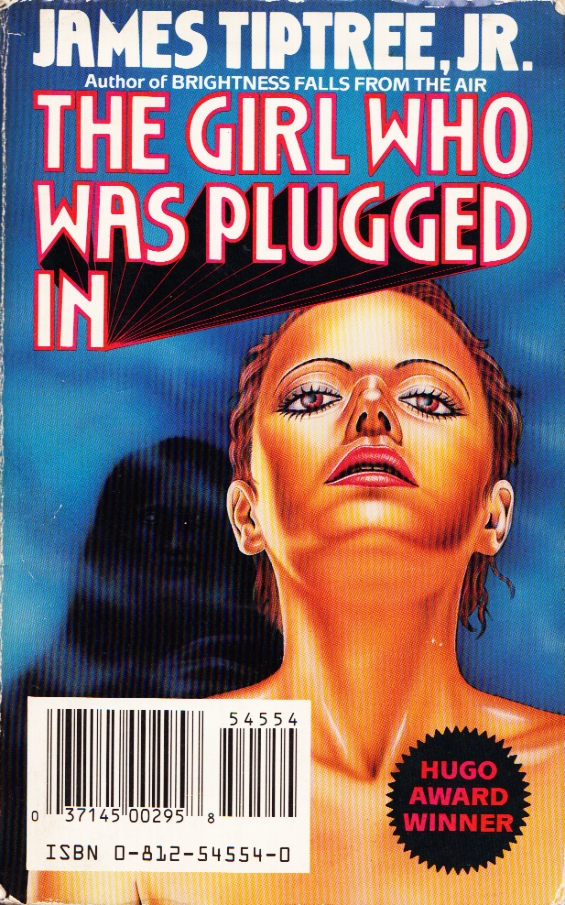
The Girl Who Was Plugged In by James Triptree, Jr.

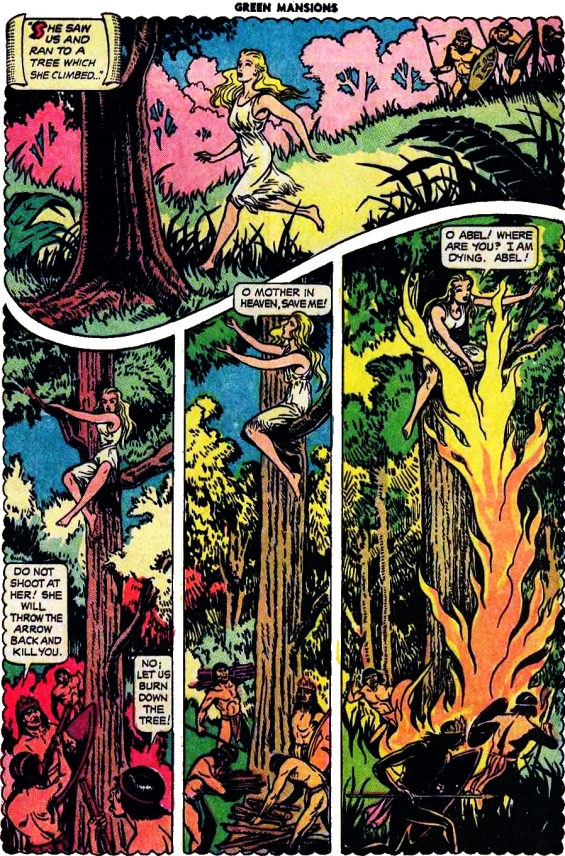
Rima the bird girl

Posted by Jesse Willis
The SFFaudio Podcast #283 – READALONG: Watchers by Dean Koontz

Podcast

The SFFaudio PodcastThe SFFaudio Podcast #283 – Jesse, Seth, and Steen discuss Watchers by Dean Koontz

Talked about on today’s show:
1987, Amazon and Goodreads reviews, what the fuck’s going on, super-clear = refreshing, mainstream, science fiction elements, a mainstream thriller with sufficently science fiction trappings, the bad guy, action and science fiction, supermarket fiction, Stephen King, Dean Koontz, Michael Crichton, flirting with the fantastic, Koontz could go deep if he wanted to, excitement and involvement, an intelligent dog, a human serial killer and the good guy is always super good, a lonely lady who needs fixing, no need for a job, Garrison, the vet, money ex machina, wish fulfillment, sniffing the books, writing instinctual, “I like books”, readers are readers, is Koontz wealth (?) an accident, the same book over and over again with different sentences, dogs, odd without a dog, back to dogs, the fictional golden retriever, service dogs, Trixie Koontz, dog POV, Travis and Nora, if I could only communicate…, five stars with more than 1,000 reviews, cat lovers, sappy wish fulfillment, clunky dialogue, Seth’s retired guide dog, emotional scenes, Einstein, emotional beats hitting home, the Outsider, slow pitch Science Fiction, the NSA, research as depth of feeling, why the eyes, the Mickey Mouse telephone, a direct philosophical descendant of Frankenstein, we must treat our creations with justice and mercy, the disfigured (?) monster, extreme violence is a turn-off, dogs as wild animals that we tamed, a glacial Frankensteinian process, dogs as infantilized wolves, a dog’s nature is to be cowardly, breeding for violence (?), no savagery gene, baboons, bonobos, the creepy cable-guy stalker, delusions of immortality (?), money, surreality, The Call Of The Wild reference, survivalists, true love with a threat, preppers, Home Alone, what do Europeans think of gun culture?, fully automatic uzi kits, the baking of the cookies, the Dean Koontz genre, Phantoms, the town of Snowfield is deserted, a sink-full of jewels, creepy with wish fulfillment, and fun, multiple bad guys (monster and otherwise), The Mysteries Of Udolpho, let’s look at the parallel structure…, snake killing, some (more) cookies, pity, the underlying strength of the book, did the Outsider think that it killed Einstein?, Dean Koontz likes: cookies, mercy, and guns, Koontz’s hair transplant, political things, the soliloquy on technology, computer hacking (prior to the web), a preoccupation with Central/South America, Lebanon, Delta Force, quasi-domestic operations, The Outsider by H.P. Lovecraft, the crappy 1988 movie of Watchers, the horror/1980s-gore aspect, Koontz and King adaptations, completely forgettable single word titles, Koontz’ preferred title would have been “Guardian”, Philip K. Dick’s first story Roog, offering urn, the education of Einstein (paralleling the education of Frankenstein’s monster), Agatha Christie, it makes you happy, 2 Jesses, “a book you will never forget!”, a candy book, The Giver, Lawrence Block, Donald Westlake, taking experiences from their own life, Ray Bradbury never had an experience that he didn’t turn into a fix-up novel, turn your brain off, smooth flowing fun, the complainers, the style of dialogue, a straw man of the dialogue, why is the Outsider after Einstein?, a “thing that should not be”, Huey, Dewey, and Louie, page turning machines, stewing in resentment, the Outsider has no bride and hasn’t read Paradise Lost, a shared love of Mickey Mouse, the yin and yang of humanity, the NSA agent’s role is like that of Detective Fix in Around The World In Eighty Days, the level of characterization, Dean Koontz is by himself on his own little island.

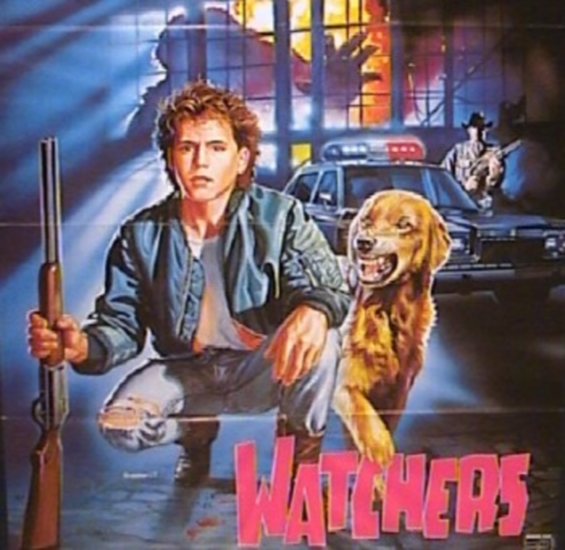
Watchers (1988)

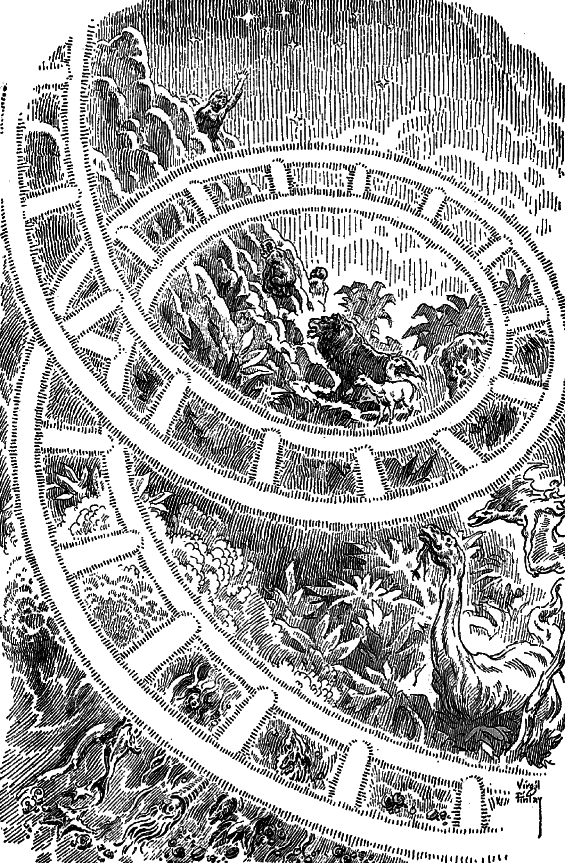
An Astronomers Theory illustration by Virgil Finlay

Posted by Jesse Willis

The SFFaudio Podcast #282 – READALONG: Ancillary Justice by Ann Leckie

Podcast

The SFFaudio PodcastThe SFFaudio Podcast #282 – Jesse, Tamahome, Bryan Alexander, and Julie Davis discuss Ancillary Justice by Ann Leckie.

Talked about on today’s show:
a recent novel, Hugo Award, Nebula Award, a long novel, a genderless society, an absence of vocabulary, a politics-biology-language fusion, a light space opera, a murder mystery, a multi-body perspective, foreshadowing a sequel, confusing historical allusions, empire, imagination, personal story, dialogic, magnetic fiction in space, a puppet-like main character, mysterious actions, an unsatisfactory explanation, slave women, a fight for emancipation, Do Androids Dream of Electric Sheep? by Philip K. Dick, auxiliaries, the story of Spartacus, Roman family bonding, Jane Austen, dystopia, slaves into servants, expected violence, Roman colonization, a distinct approach to human ethics, the Old Testament, old-fashioned faith, short stories, key words, views of reality, spiritual progress, omnipotent deities, reconstructed ancient religions, J.R.R Tolkien, Lieutenant Ahn, Hindu deities, tea, Jo Walton, coffee, Japanese morality, Shintoism, Horrible Histories, Scholastic books, Frank Herbert, religious engineering, Hellstrom’s Hive by Frank Herbert, government religion, Dune by Frank Herbert.

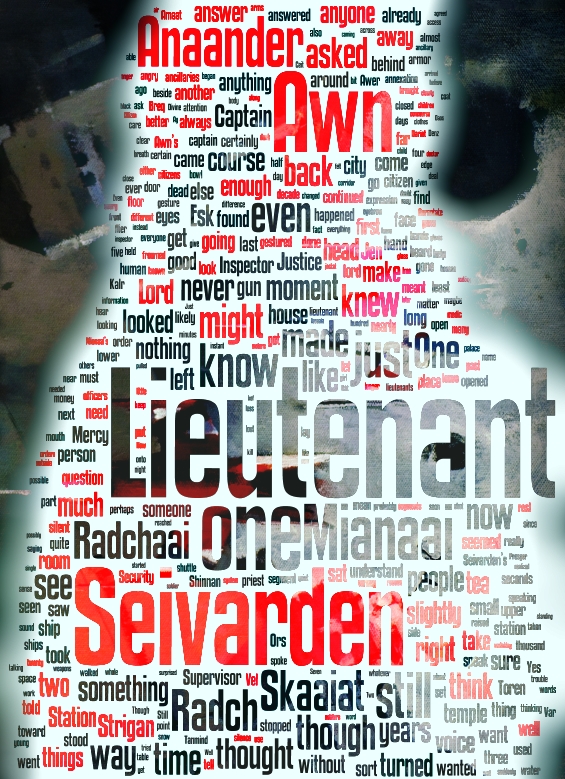
Ancillary Justice by Anne Leckie WORD CLOUD

Posted by Jesse Willis

The SFFaudio Podcast #281 – READALONG: Do Androids Dream Of Electric Sheep? by Philip K. Dick

Podcast

Do Androids Dream Of Electric Sheep? by Philip K. Dick

The SFFaudio PodcastThe SFFaudio Podcast #281 – Jesse, Mr Jim Moon, and Bryan Alexander discuss Do Androids Dream Of Electric Sheep? by Philip K. Dick.

Talked about on today’s show:
1968, science fiction by Philip K. Dick, Blade Runner, abridged version, audiobook, repetition of theme, an introductory novel to Philip K. Dick, The Man In The High Castle by Philip K. Dick, jam packed with action, one long day, the fake police station, a classic Dick move, how many androids are there in this book?, movies, androids, legitimate slavery, Luba, minority, androids v. slaves, reality of humans, psychological tests, visuals, dialogic science fiction, Wilder Penfield, The Terminal Man by Michael Crichton, mood organ, existential humor, satire, artificial, unbelievable world, endless competition, goat glands, Sydney’s Catalog, the BBC Radio 4 audio drama by Jonathan Holloway & Kerry Shale, parallel characters, undercut truth, an animal theme, religious allusions, Mercer, Unbreakable (M. Night Shyamalan), lurker, detective story, lack of world descriptions, less striking scenes in the movie, Galactic Pot Healer by Philip K. Dick, tomb world, fraud corpses, Mercer v. Jesus, lack of introduction in the movie, Frankenstein by Mary Shelley, the maker, hope of freedom, androids as fiends, humans yet not humans, what is the definition of human?, the question, the title, empathy to androids, Deckard’s predictions, Ubik by Philip K. Dick, predestination, fake things, simulacra, electrically modified ecology, emotional drug, consumerism, The Days of Perky Pat by Philip K. Dick, Nanny by Philip K. Dick, the vale of reality, the cuckoo clock in Blade Runner, layered symbols, visualizing future technologies, Kayla Williams, unobvious connections, paranoia, suspicion of government, The Exit Door Leads In by Philip K. Dick, unimportance of religious reality, environmental awareness, Silent Spring by Rachel Carson, dehumanization in war, androids = inverted human, Fahrenheit 451 by Ray Bradbury, television, The Veldt by Ray Bradbury, 1984 by George Orwell, podcasting, Metropolis (Fritz Lang), Max Headroom, “Five Minutes Into the Future”, The Red Room by H.P. Lovecraft, haunted media.

Marvel Comics Blade Runner

Blade Runner Haffmans Entertainer

Blade Runner Illustrated by Syd Mead

Do Androids Dream Of Electric Sheep? WORD CLOUD

SIGNETDoAndroidsDreamOfElectricSheepByPhilipK.DickCOVER565

SIGNET - Do Androids Dream Of Electric Sheep? by Philip K. Dick

Chris Moore illustration of Do Androids Dream Of Electric Sheep? by Philip K. Dick

Donato Giancola illustration for Do Androids Dream Of Electric Sheep?

Posted by Jesse Willis
The SFFaudio Podcast #280 – AUDIOBOOK/READALONG: Völsungasaga

Podcast

The SFFaudio PodcastThe SFFaudio Podcast #280 – Völsungasaga translated by Eiríkr Magnússon and William Morris; read by Corpang (of LibriVox). This is an unabridged reading of the saga (4 hours) followed by a discussion of it. Participants in the discussion include Jesse, Seth, and Mr Jim Moon.

Talked about on today’s show:
anonymous, 1000 AD, Beowulf, Germanic myth collection, Volsung Dynasty, quick character changes, irrational logic, biblical similarities, Sigurd, echoes of myths, family relationships in Hamlet by William Shakespeare, Tales of Dragons, a hodgepodge of influences, The Hobbit by J.R.R. Tolkien, The Lord of the Rings by J.R.R. Tolkien, dramatic events, wolves, half-historical and half-saga storytelling, origin from Homeric Myths, odes, cyclical time, less Christian influences than other written sagas, a source or influences on stories and also influenced by earlier sagas, Vikings on History Channel, moral lessons to be awesome, unconsciousness of glorious kings with immoral actions, The Old Testament, hierarchy of power, jealousy of wealth and power, Medieval Japan, neighbor relationships, attitudes toward prophesy and fate, stoicism and acceptance, Odin Mythology, simple naming of characters, absence of fear of death, reincarnation, female equality, werewolves, Roman Mythology, frequent raiding, laws protecting wolves, wolves as outlaws, Caligula, power creates rules, Christian epics with Christian rule system, power of sacrifice, irrational idea of original sin, The New Testament subverting the idea of superiority, master morality and the slave morality, a lot of similarity to Beowulf, a source for education and entertainment, reason for being dramatic, 13th century literature, history in a very vague and incorrect way, more atrocity earlier in the saga, parallel between fantasy and real life, Story of Attila, transmission of knowledge, Haida Gwaii’s similarity to Vikings, We are really here for the gold!, names of dwarfs, broken names, obsession of money creates craziness, atrocity and craziness as history, story created before medieval nobility, morality as generosity, guest morality, Richard Wagner, being near Vikings is dangerous, endurance of pain as superior, no laughs and mild jokes in Volsunga saga, disrespect is bad, burial traditions create conflict, William Morris, the absence of slaves in Tolkien Fiction, free society.

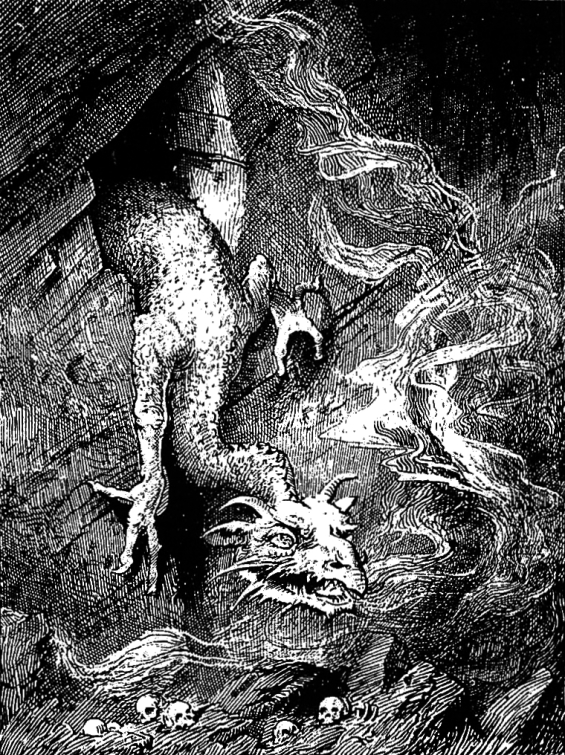
The Worm Fafnir illustrated by Lancelot Speed

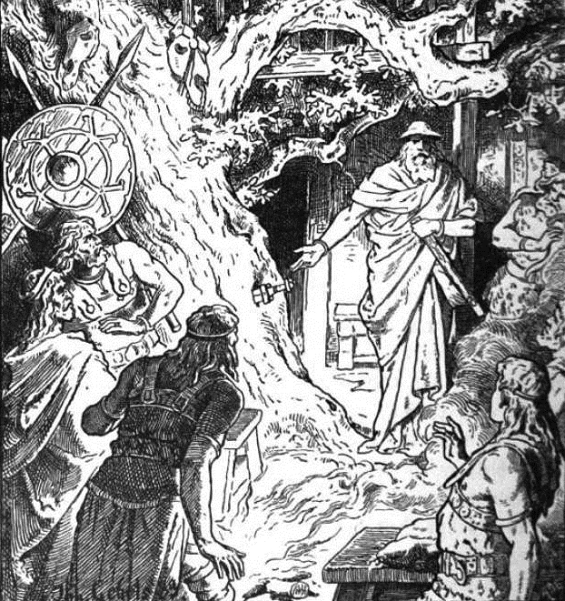
Sigmunds Schwert illustration by Johannes Gehrts

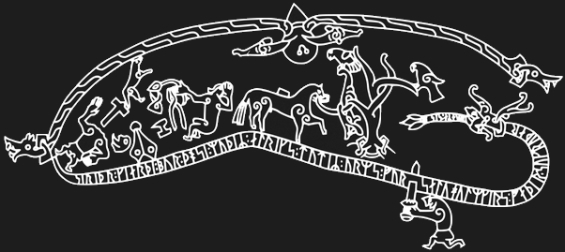
Ramsund Carving

Posted by Jesse Willis
The SFFaudio Podcast #278 – AUDIOBOOK/READALONG: The Wonderful Window by Lord Dunsany

Podcast

The Wonderful Window by Lord Dunsany

The SFFaudio PodcastDowncastThe SFFaudio Podcast #277 – The Wonderful Window by Lord Dunsany; read by John Feaster. This is an unabridged reading of the story (11 minutes) followed by a discussion of it. Participants in the discussion include Jesse and John Feaster.

Today’s podcast is sponsored by Downcast, a terrific podcast app for iPhone and iPad.

Talked about on today’s show:
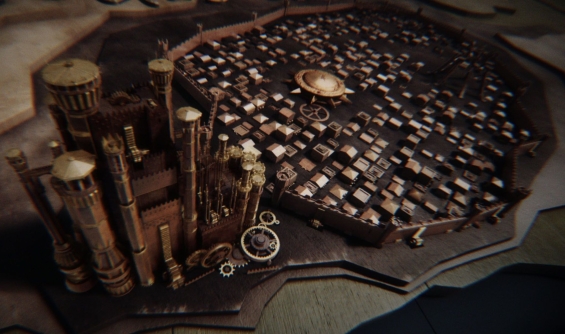
Saturday Review, February 4th, 1911, the secret story behind of all of modern fantasy, do you listen to podcasts?, our SPONSOR: Downcast, an app for iPhone and iPad, small size, big impact, location based downloading, a super-customized experience, audio drama, The Red Panda Adventures, Decoder Ring Theater, Downcast allows you to lock episodes, the key to understanding, the beginning of binge-watching, Sidney Sime, The Book Of Wonder by Lord Dunsany, its criminal that Lord Dunsany, H.P. Lovecraft, J.R.R. Tolkien, a new podcast idea, Appendix N: Inspirational And Educational Reading, The Dungeon Master’s Guide, take up this mantle, Gary Gygax, Dunsany’s last champion, Poul Anderson, John Bellairs, Leigh Brackett, Frederic Brown, Edgar Rice Burroughs, Lin Carter, L. Sprague de Camp, Fletcher Pratt, August Derleth, Lord Dunsany, Philip Jose Farmer, Gardner Fox, Robert E. Howard, Sterling Lanier, Fritz Leiber, H.P. Lovecraft, A. Merritt, Michael Moorcock, Andre Norton, Andrew J. Offutt, Fletcher Pratt, Fred Saberhagen, Margaret St. Clair, J.R.R. Tolkien, Jack Vance, Stanley Weinbaum, Manly Wade Wellman, Jack Williamson, Roger Zelazny, let’s understand it, S.T. Joshi, “the death of wonder”, bullshit, the inaccessibility of our fantasies, did the Arabic man see Golden Dragon City?, wouldn’t we see something different?, “the magi”, the Scheherazade salesman, its about writing fantasy, its about reading fantasy, reading life and real life, getting addicted to Game Of Thrones, it seems like it is about television, serial fiction, the August days are growing shorter, winter is coming, George R.R. Martin, prose poems, deft brushstrokes, a more devastating fairy tale, is the window a metaphor within that world, The Monkey’s Paw by W.W. Jacobs, the yellow robes, mood and temperament, what would Oprah see?, a soap opera, silent pictures, the constellations, The Crystal Egg by H.G. Wells, science fiction, Jesse’s pet theory on the opening credit sequence of Game Of Thrones, the four houses, dragons and bears, orrery, Ptolemy vs. Copernicus, epicycles, orbital clockworks, Ringworld by Larry Niven, the inside of a Dyson sphere, Westeros, a fish-eye lens, a D&D style hex system, the mechanistic unplaying of the plot, it’s not a half-assed Tolkien, HBO, a metaphor for The Wonderful Window, maybe it’s a bowl?, a fantastically wealthy Lannister home?, that guy’s based on The Kingpin, credit sequence, Dexter‘s morning routine, murdering coffee, “oh my god it’s over”, envisioning greater lives, some guy in Golden Dragon city is looking through a window at 1911 London, Lion City (London), make it WWI, the zeppelin terror, had it been written a few years later would we not assume the red bear as Communist Russia, escape to the secondary world, beaten down into the proper shape for Business, capital “B” business, “a touch of romance”, daydreaming, a frock coat, a bookstore, “emporium”, Walmart as a soul crushing emporium, howling newsboys, the birds in the belfries, “the seven”, analogues for priests and nuns, dragons the most evocative fantasy animal, a silver field, what prompts the destruction of Golden Dragon city, Darkon (2006), LARPers, interesting, good, and sad, fantasy lives on the weekend, a cardboard factory, typical American upper-lower class jobs, religion, plunking away god-dollars, the popular conception of D&D, video games, Elvis’ hips, KISS, better jobs, Detroit in ruins, work, podcasts to stave off the rats gnawing, John’s gaming group, soul crushing and beautiful, Edward Plunkett, H.G. Wells, toy soldiers, the start of modern war-gaming, empire, “this dang story”, 14th century Hungary, Angelmaker by Nick Harkaway, names, Friend, Spork, Carmilla (is a savory name), carnstein (flesh-stone), Mergin and Chater -> margin and cheater?, a used bookstore business is not one designed to make money (precisely), Chapters, the artificial love of books, the way Scrooge would run his business, the one room apartment, “tea-things”, we ended on a happy note, fantasy and escapism, there’s not much else past The Silmarillion, Elmore Leonard, Jack L. Chalker‘s last unpublished book, old-fashioned TV watching (no recording), “this window goes nowhere”, Mr. Sladden’s destruction of the window is better than had it been broken by someone else, the scent of mysterious spices, a breath of Golden Dragon City.

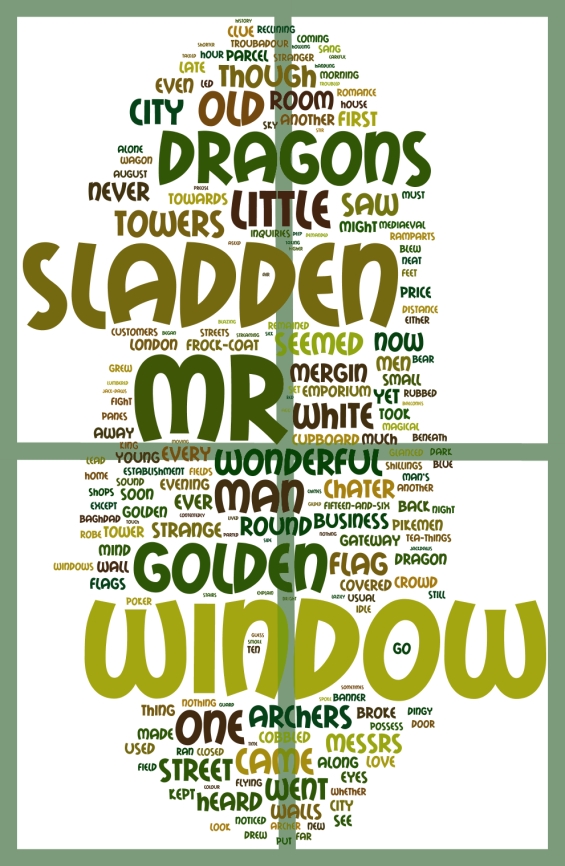
Word Cloud for The Wonderful Window by Lord Dunsany

Game Of Thrones as Golden Dragon City

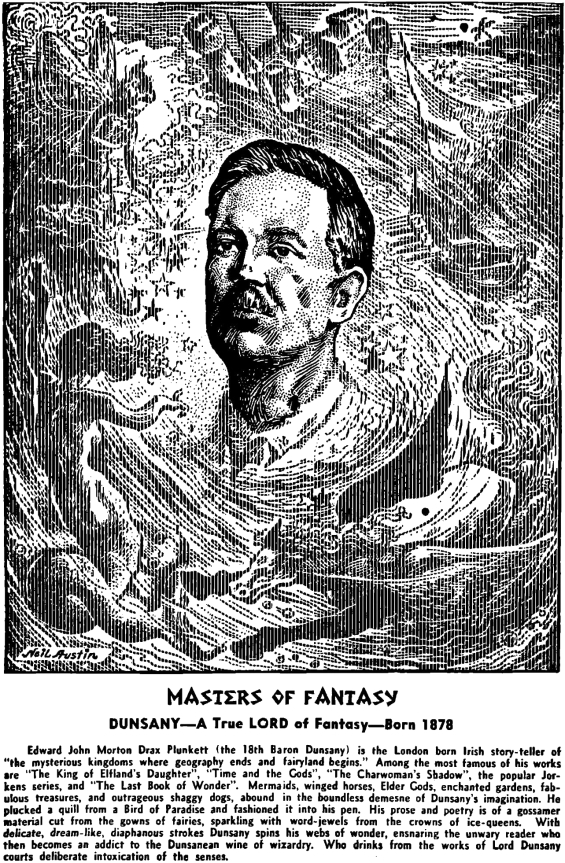
Masters Of Fantasy - Lord Dunsany by Neil Austin

Posted by Jesse Willis