
The SFFaudio Podcast #251 – READALONG: Up Against It by M.J. Locke

Podcast

The SFFaudio PodcastThe SFFaudio Podcast #251 – Jesse, Scott, and Tamahome discuss Up Against It by M.J. Locke.

Talked about on today’s show:
Hardcover, paperback, audiobook, who to blame?, it’s Jo Walton’s doing we chose this book (at the bottom), still a lot of juice in the genre, the ultimate cause, drawing in vs. pushing in, Corner Gas, a new wine bracket, the Radium Age of Science Fiction, Scott’s Goodreads review, Tam’s Goodreads review24, the characters, less torture, its more fun if you count the tropes, every trope is in there, including immortality, mimetic fiction (literary realism), Henry James, mimetic fiction in a science fiction universe, tiny infodumps, not one brand new idea, waveface virtual reality, Tonal_Z AI language (Chris Crawford’s Solvesol-interface concept?), in dialogue, Cory Doctorow (Whuffies), Bruce Sterling, Chris Crawford, Bruce Sterling’s Veridians (wow, it’s a whole big thing, design philosophy? manifesto), asteroid miner stories, Heinlein and later, The Island Worlds by John Maddox Roberts and Eric Kotani, The Moon Is A Harsh Mistress, there’s no newcomer, a generally agreed upon direction our future will be, John Scalzi’s brainpal, more than one kind of SF, rocket ships, the Charles Stross direction, Iain M. Banks, Souvenir by Philip K. Dick, Amish tech, their tech is subservient to their culture, it seems inevitable in our world, the received future, Earth in Up Against It in bad shape, Vancouver shantytowns, Edmonton, this isn’t a utopian book, dystopia, dystopic Earth, why are they in the Asteroid Belt, good world-building, good but not new, nothing new but the idea, incredibly self-aware people is weird (and cool), gene tampering, Oblivion is a good introduction to SF tropes (for people born in the year 2000), the level of SF tropes in movies is very low compared to those in SF books, Darwin Elevator, bad physics vs. excellent physics, sugar rocks, there’s no intro character (other than the A.I. pov), Little Brother by Cory Doctorow, collaborative teens, a visual adaptation, Ender’s Game, Planetes, Gravity, Babylon 5 had nothing new, I don’t go to TV SF for new ideas, books are where great ideas, what great ideas haven’t been explored, the news coming out of Eve Online, Steen Hansen, political machinations, gold farming, a simulated universe, a libertarian alliance was trojaned or something, happening to real people, World Of Warcraft, our real future is in leisure, Tam liked it more, nose-piercings, tattooing, the gender neutral pronouns, why would you want a purple nose?, Jesse doesn’t understand trans-humanism, normal readalongs, why didn’t I like this more, Tam liked it fine, hands for feet, chromes and mutes, Falling Free by Lois McMaster Bujold, not too bright in the brain area, The Integral Trees by Larry Niven, a planetless solar system, a mashup of Doctorow and Heinlein, smile -> erection, Chekhov’s Gun, Heinleinian sex vs. Doctorowian sex, there’s too much going on, an immature writer, Elmore Leonard, “she pillowed her cheek”, nobody pillows their cheeks in Jack London stories, Jane as an older Ripley, an artificial spiritual awakening, too many compromises too much bullshit, an authentically political book according to Staffer’s Book Review, double dealings, the thriller plot, exploring space, what does Scott prefer?, does Scott have a right to review Up Against It?, is it maturity?, 2312, Tobias Buckell’s blog essay about mature reviewers, caveats, “and get off my lawn”, idea fiction, competent but unstimulating, why is The Lord Of The Rings more interesting than Up Against It?, the themes, the next episode of A Good Story Is Hard To Find, Luke Burrage re-reviews A Canticle For Liebowitz, what we do when we do READALONGS (we unpack books), The Odyssey, Community, currently airing TV series have podcasts?, books with allegories, Scott wants it to mean something to him, The Zimmerman Telegram by Barbara Tuchman, WWI, the German ambassador in Mexico, Woodrow Wilson, Tom Clancy, mimetic fiction from the future, a history from the future, history, in some ways Eve Online is much more real than any fiction book, Scott finds value in general fiction, Mario Puzo, Tom Wolfe, Ernest Hemingway, John Steinbeck, meaning vs. ideas, horror, Snowblind by Christopher Golden for some alternative horror, The House Of The Seven Gables by Nathaniel Hawthorne, The Turn Of The Screw by Henry James, gothic fiction, witchcraft, Supernatural Horror In Literature by H.P. Lovecraft, there’s still potential for Science Fiction, a sequel?, an unneeded sequel, every subsequent milk of a book undercuts it, Dune has been worsened by every Dune that’s come since, Dune Messiah (Scott liked it), the fall of a charismatic leader, a backward casting shadow, Brian Herbert has done what his father wanted by ruining Dune?, why was Up Against It so long?, YA/adult book, George R.R. Martin doesn’t think Scott’s a fan of Hard SF, The Martian by Andy Weir, Phoecea, why are they mining?, there’s no economic reason to do so, was there an economic reason to go to the moon, we need to build a space fleet, no martian resources are unavailable on Earth, the Moon has Helium-3, Tam read Frank Schatzing’s Limit and his eyes are tired, what the frack, (was it ‘Simon pure science fiction like A Darkling Sea‘?  we didn’t talk about it but I thought I’d note it)
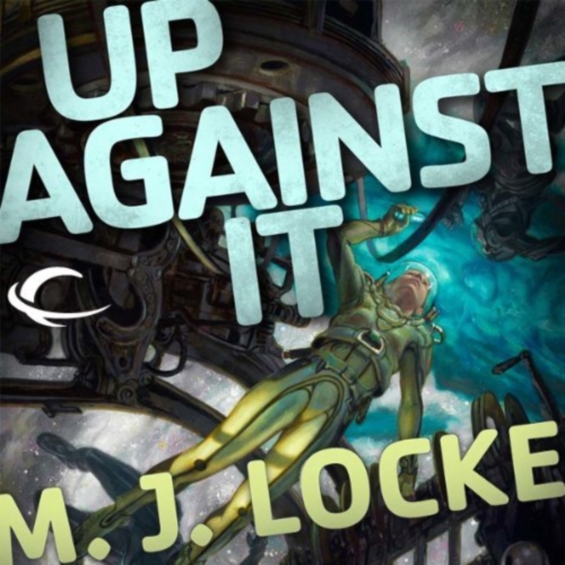
Up Against It by M.J. Locke

Posted by Jesse Willis

The SFFaudio Podcast #250 – READALONG: Scanners Live In Vain by Cordwainer Smith

Podcast

The SFFaudio PodcastThe SFFaudio Podcast #250 – Jesse, Tamahome, J.J. Campanella, and Marissa van Uden discuss Scanners Live In Vain by Cordwainer Smith.

Talked about on today’s show:
Cordwainer Smith’s first story, Fantasy Book, Frederik Pohl, roughness but with power, space is not for humans, A Game Of Rat And Dragon, a cool cat story, Edgar Allan Poe, H.P. Lovecraft, a bit romantic with a cat, cyborgs, habermans, cranching, Paul Myron Anthony Linebarger (aka Cordwainer Smith), was that a Mandarin fingernail?, Sun Yat-sen, Chiang Kai-shek, a specialist in propaganda, the spacers union, On The Waterfront, merchant marine (but super respected), all scanners are habermans but not all habermans are scanners, pork chops have gone extinct, The Instrumentality Of Makind series is set between 2000-8000 A.D. (with Scanners Live In Vain at 6000 A.D.), a rocketry problem, Day Million by Frederik Pohl, Call Me Joe, the first post-singularity story, what will it be like when I have Google installed in every part of my body, chest box and instruments, Steve Austin, there’s something symbolic going on, the TV Tropes entry is like a cynical version of the Wikipedia entry, Adam Stone, half-Chinese, somebody from the South, Nazis, anti-Semitic feeling, J.J. Pierce, The Island Of Doctor Moreau by H.G. Wells, can’t taste, can’t smell, can’t feel, can’t hear, practicing facial expressions, a U.N. of spacers, The Ship Who Sang by Anne McCaffrey, romantic not symbolic, Mr. Spaceship by Philip K. Dick, habermans vs. scanners, the dregs of society, no computers in the future, whatever the instrumentality is, Martel’s wife is very patient, honor, China, eunuchs, samurai means to server, ronin, a very Asian story, Game Of Thrones, respect not money, an alienness of outlook, love, duty, and humanity = I surrender, 20th century Asian history, reading Scanners Live In Vain as an editor, the opening and the ending, a cynical ending, a little injection of Philip K. Dick, The Electric Ant by Philip K. Dick, the graphic novel version, Martel as Edward Snowden, the NSA as the scanners, Fight Club, Alfred Bester, what’s the “the up and out”?, they have Etch A Sketches, the unforgiven, the “great pain of space”, Think Blue, Count Two, sleeper ships, an organic computer, Philip K. Dick’s question was ‘how do I know what’s real?’, “the First Effect”, reading authors, “writing is telepathy” (Stephen King, On Writing), a weird heightened operatic style, a mythical style?, “here’s to the habermans up and out”, a schizoid class, text message style, you don’t want or need an electronic teapot, brown betty, a bot-net in the refrigerator, my tootbrush is communicating with me!, firefly toothbrushes, a useful trap, when the technology enters your body, ice-cream.

Scanners Live In Vain by Cordwainer Smith

Posted by Jesse Willis

The SFFaudio Podcast #248 – AUDIOBOOK/READALONG: Goliah by Jack London

Podcast

The SFFaudio PodcastThe SFFaudio Podcast #248 – Goliah by Jack London; read by Gregg Margarite. This is a complete and unabridged reading of the short story (57 minutes) followed by a discussion of it. Participants in the discussion include Jesse, Bryan Alexander, Seth, and Maissa Bessada

Talked about on today’s show:
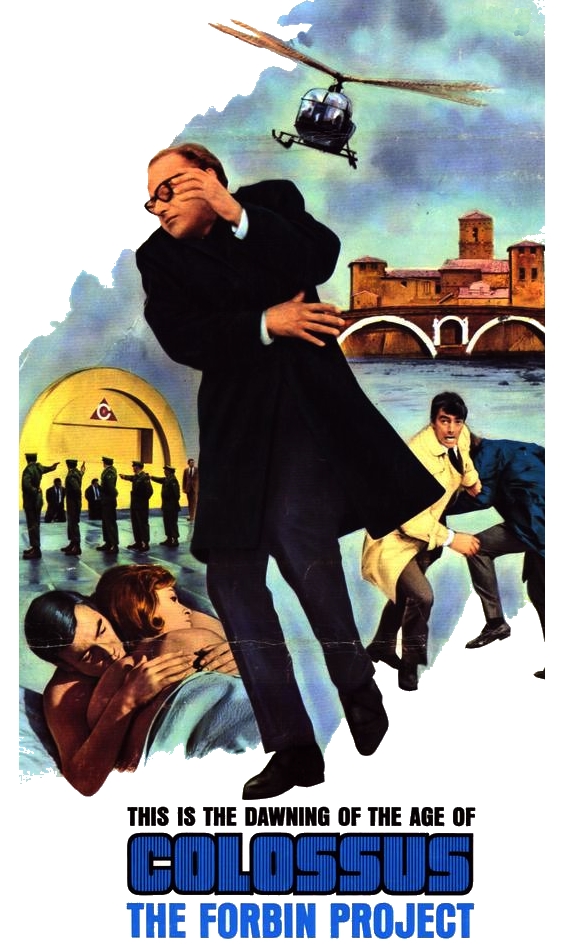
Colossus: The Forbin Project; title’s reference to biblical Goliath; story’s title a reference to the famous Pacific steam ship; colonial capitalism; the story’s Gilded Age context; child labor; Eugene Debs and American socialism; Karl Marx; Thomas Hobbes’s Leviathan; the story’s fictional energon evocative of Transformers energon; Nikola Tesla; Goliah has a palantir; Goliah as Santa Claus; the story’s invented island Palgrave in the South Sea; parallels to London’s other speculative fiction including The Iron Heel; the story’s unreliable narrator; Asgard; origin stories and foundation myths; nineteenth-century racism rears its ugly head again; Übermenschen; contempt for military and militarism; The Unparalleled Invasion; Seth works too hard; the theoretical increase of productivity through automation; 1984Twilight casting a sparkly shadow over modern culture; Edward Bellamy’s Looking Backward as a possible influence; Karl Marx’s German Ideology; the importance of laughter; Herland; the story as a response to nihilism; similarities between Guy de Maupassant and Friedrich Nietzsche; The Scarlet PlagueCanticle for Leibowitz; the medieval investiture controversy; animal metaphors in Goliah; accurate predictions of World War I; structural similarity to the Book of Job; “you don’t get a lot of laughter in the Old Testament”; Arslan by M.J. Engh; The Bookman literary magazine; It’s a Good Life by Jerome Bixby; steampunk by tag cloud; we make a dismal attempt at discussing the Stock Market; the dark underbelly of Goliah’s utopia; the unrealistic perpetuation of a utopia; Autofac and Pay for the Printer by Philip K. Dick; With Folded Hands by Jack Williamson; Star Trek: The Next Generation; Lenin’s dying wish; Jules Verne; Goliah relinquishing power; Hot Fuzz; more on the palantir and the NSA; “grumblers grumble”; attitudes toward the criminally insane; “Goliah has spoken”; nukes not MOOCs; Cuban Missile Crisis; Douglas MacArthur biography American Caesar by William Manchester; Doctor Who episode “The Happiness Patrol”; Japanese Manga Death Note; the “bread and roses” U.S. labor strike contemporary with Jack London; the Pax Romana; The Better Angels of Our Nature by Stephen Pinker, a discourse on lethal violence; the Franco-Prussian War; Earle Labor’s Jack London: An American Life available in audio.

Colossus The Forbin Project

Posted by Jesse Willis

The SFFaudio Podcast #247 – READALONG: On The Beach by Nevil Shute

Podcast

The SFFaudio PodcastThe SFFaudio Podcast #247 – READALONG: On The Beach by Nevil Shute; read by Simon Prebble. Jesse fends off illness to lead us in an intriguing discussion about Nevil Shute’s apocalyptic novel. This podcast features Jesse, Jenny, Seth, and Paul.

Talked about on today’s show:
Reversed seasons in Southern Hemisphere; novel originally serialized in London weekly periodical The Sunday Graphic; “on the beach” as naval phrase meaning “retired from service”; the novel almost universally acclaimed by critics and readers alike; what is the ideal time frame for an end-of-the-world scenario?; On The Beach as bleak existential novel; the author’s avoidance of political or religious polemic; 1959 movie starring Gregory Peck, Ava Gardner, and Anthony Perkins; Australia as a secular nation; Earth Abides by George R. Stewart; Endgame by Samuel Becket; the novel as a metaphor for terminal cancer patients; The Star by Arthur C. Clarke; abstract sterile end-of-world mechanics, a “cosy catastrophe“; 2008 BBC radio adaptation; 2000 TV movie starring Bryan Brown, modernized and featuring a much more optimistic tone; Roland Emmerich’s disaster flick 2012; could the novel’s characters done more to ensure the continued survival of humanity?; fallout shelters, “duck and cover!”; Chernobyl; rampant alcoholism; euthanasia; attitudes toward media–were newspapers responsible for the war?; regression of technology in the novel; The Waveries by Fredric Brown; we wish the Cosy Catastrophe genre would supplant Paranormal Romance; reflection of a pre-WWI era arms race; 1959 movie version tackles Cold War paranoia; U.S. government’s criticism of the novel; Five Years by David Bowie; faced with the end of the world, our panel would evidently read Marcel Proust; needless revisions in film adaptations; much action takes place “off the page” in the novel; lookism; The Scarlet Plague by Jack London; Simon Prebble’s excellent audio narration; George Orwell’s 1984Man’s Search for Meaning by Viktor Frankl and logotherapy; Jay Lake and his bout with cancer; Daphne du Maurier’s Rebecca, adapted by Alfred Hitchcock, and how we’re haunted by the people who are no longer with us; the novel’s three-dimensional characters; Nevil Shute employs typical British understatement; Lord of the Rings‘s Denethor and the idea of hopelessness; Egyptian tomb goods and attitudes towards death; Jesse plans his funeral rites.

On The Beach - illustration by John Rowland

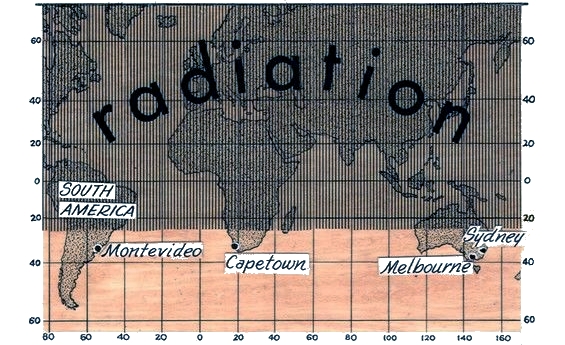
On The Beach - Ralph Lane adaptation - RADIATION

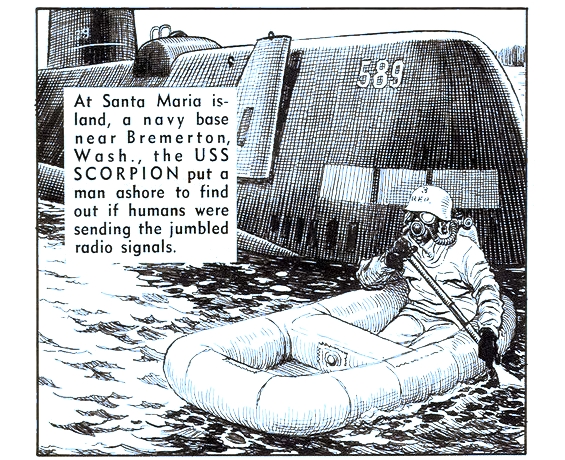
Scorpion at Bremerton - illustration by Ralph Lane

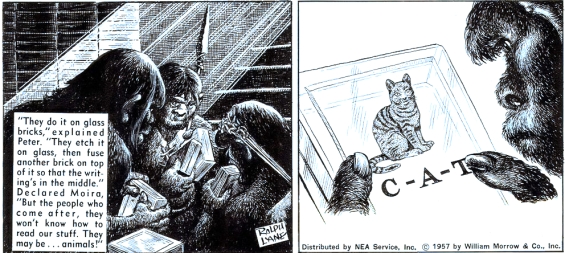
ON THE BEACH - illustration by Ralph Lane - glass bricks

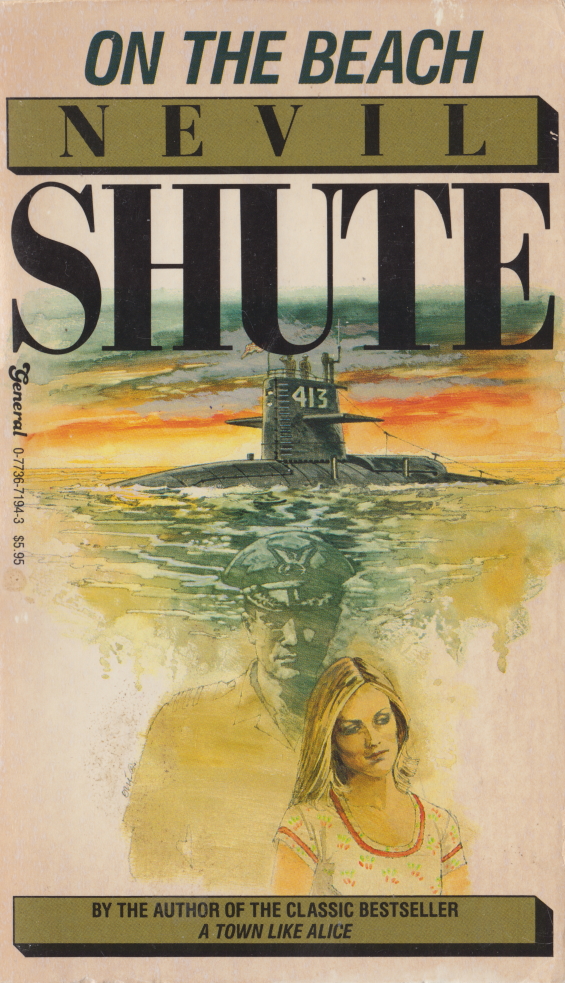
GENERAL - On The Beach by Nevil Shute

Posted by Seth Wilson

The SFFaudio Podcast #246 – AUDIOBOOK/READALONG: Hypnos by H.P. Lovecraft

Podcast

The SFFaudio PodcastThe SFFaudio Podcast #246 – Hypnos by H.P. Lovecraft; read by Mr. Jim Moon. This is a complete and unabridged reading of the short story (23 minutes) followed by a discussion of it. Participants in the discussion include Jesse, Mr Jim Moon, Julie Hoverson, and Melvin Cartegena.

Talked about on today’s show:
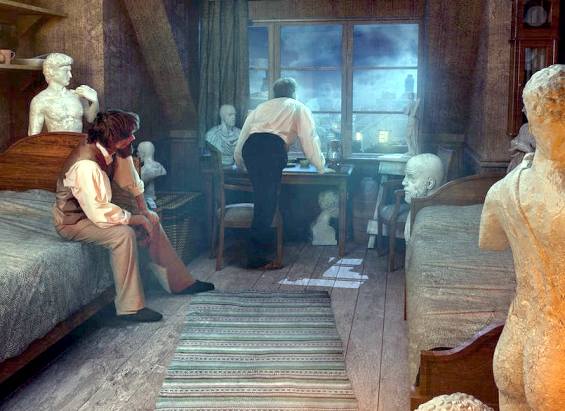
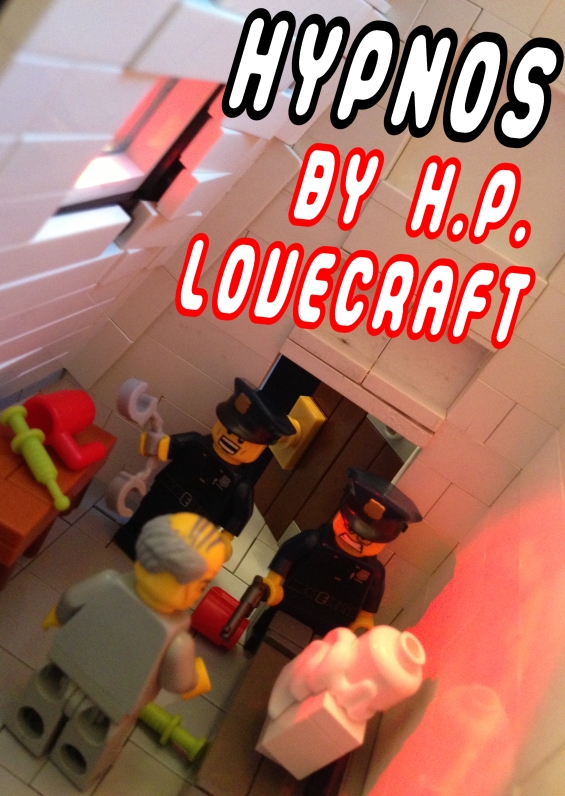
An early Lovecraft story, a favourite Lovecraft, getting tangled in the mythos, similar elements, Beyond The Wall Of Sleep, chronology, artists vs. scientists, Polaris, alternative dream realities, a mystic connection to a star, The Dreams In The Witch House, the funniness, a man falls in love with a statue, statuesque features, Greek mythology, He, sudden and instant friends, recurrent themes, a smarter friend, is this the original Fight Club?, The Hound, The Murders In The Rue Morgue by Edgar Allan Poe, not enough drugs in Kent, London, the Fu Manchu Limehouse connection, caffeine and amphetamines, aging, astral projection, ‘a man with Oriental eyes’, Sigmund Freud, Albert Einstein, Abdul Alhazred (was a Lovecraft persona), The Nameless City, Einsteinian theory, S.L. = Samuel Loveman, “all the cosmos is a jest”, wordless understanding, The Picture of Dorian Gray, an Olympian brow, Hypnos is the god of sleep the son of night and the brother of death, Charles Baudelaire, The Statement Of Randolph Carter, Harley Warren = Samuel Loveman, Ambrose Bierce, together but ahead, a column of gold, a red light, breaching the chambers of Hypnos, ambiguity, a symbolic or allegorical Tyler Durden, a way to avoid writing dialogue, “control the universe and everything under it”, in dreams you do control the universe, Lucid dreaming, “it’s not like Inception“, certain techniques, dream logic, Seattle, Tetris before bed, documenting dreams, Lucid dreaming is ultimately pointless, Julie’s dreams, NREM vs. REM dreaming, the function of dreams, sorting and practicing, incubating a dream at the temple of Hypnos, Phantasy (one of Hypnos’ sons), plungings and soarings, scary dreams, aether, The Police, Wrapped Around Your Finger, someplace beyond time, drifting, Ovid’s family tree for the family of Hypnos, Death and Sleep look like each other, Neil Gaiman’s The Sandman, Phobotor, Phanatos, Hypnos lived in a cave without a door, at the entrance of the cave were poppies and other flowering drugs, mandragora, old guys at young gay parties, screaming starts happening, if it were written today, who is this story being told to, a confession from an asylum or hospital, a cosmic joke, a schizoid break, his brow was white as of marble, volumes exchanged in a look, Freddy Krueger, dream mythology, Dreamscape, Inception, The Dream Master by Roger Zelazny, Uncle Scrooge in The Dream Of A Lifetime, Sleepwalkers, Naomi Watts and Ray Wise, Guy de Maupassant, a sequel, Masters Of Horror: Cigarette Burns, John Carpenter, many remakes, There’s A Family Of Gnomes Behind My Walls And I Swear I Won’t Disappoint Them Any Longer by J.R. Hamantaschen, weird dubiousness, Masters Of Horror: The Dreams In The Witch House, Wake up Julie!

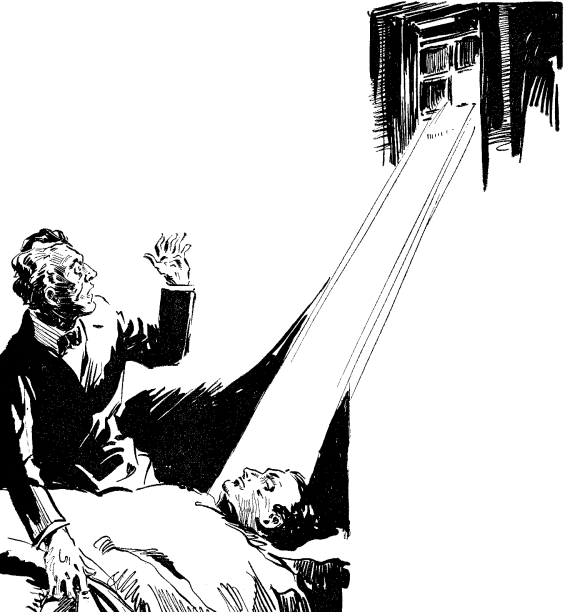
Hypnos by H.P. Lovecraft - illustration by William F. Heitman

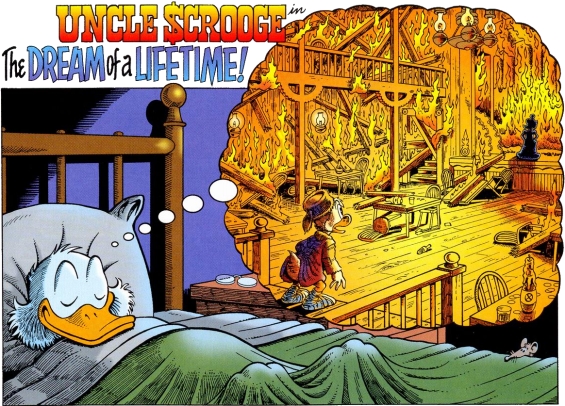
Uncle Scrooge in The Dream Of A Lifetime

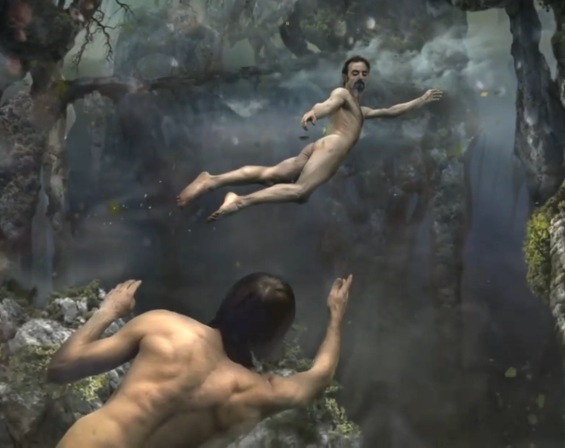
CineBooks - Hypnos

CineBooks - Hypnos

Hypnos by H.P. Lovecraft LEGOized

Posted by Jesse Willis

The SFFaudio Podcast #243 – READALONG: Herland by Charlotte Perkins Gilman

Podcast

The SFFaudio PodcastThe SFFaudio Podcast #243 – Jesse, Jenny, Bryan Alexander, Terpkristin, and Maissa Bessada discuss the 1915 novel Herland by Charlotte Perkins Gilman.

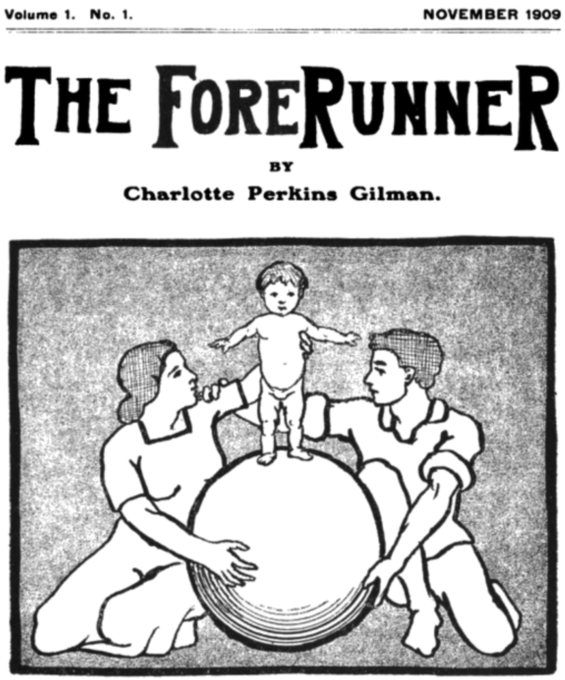
Talked about on today’s show: [Note: references to the novel are in bold, while references to the eponymous country are not.] “Lost utopian novel”; first appeared in book form in 1979 as part of an effort to rediscover works by female authors; was it suppressed by patriarchy?; the novel launches with action; features Heinlein-esque; the story feels very alien despite transpiring on Earth, takes place in an unnamed jungle region presumed to be either South America or Africa; Herland grouped as part of a trilogy along with an unrelated novel Moving the Mountain and the direct sequel With Her in Ourland; the book originally appeared in serialized form in Charlotte Perkins Gilman’s own magazine; grounded in “utopian” and “lost race” tradition of the period which pick apart aspects of society; Heinlein’s and Gilman’s sexism compared and contrasted; “virgin impregnation” compared with conception of Christ; foundation of Herland as a Roman-style slave revolt; “what a world of slaves it was” Goslings quote echoed in Herland; utopian ecology (plants, animals); Jesse calls it “Mother Knows Best totalitarianism”; “intentional Darwinism”; eugenics foreshadowing World War II; Bryan brings up The King in Yellow again; protagonists give threefold approach to women; punishment in Herland more akin to child-rearing foregoing execution; Leviticus does advocate execution; both the male protagonists and the Herland women are archetypical; The Yellow Wallpaper; utopia or dystopia; unreliable narrator and narrative; Jesse argues that there’s “no drama in a perfect society” and the book has a terrible plot; eighteenth-century feminist utopia Millennium Hall; Jenny says the sequel’s plot is even worse; immortality and living in Heaven; no dogs in Herland, only cats; subservience of aesthetics to productivity; “their country was as neat as a Dutch kitchen”; childhood Jesse conflated cats and dogs; cats and dogs emblematic of gender relations in Herland; Herland is a baby-proof world; more about narrator bias in the novel; Gilman projecting her own views on mental disorder into the book; 1984 parallels; The Mysterious Doctor Fu Manchu; comparison to Goslings; why does Herland want to integrate men?; sexual dynamics in marriage; Castle Waiting by Linda Medley, a medieval utopia about bearded women; Y: The Last Man series by Brian K. Vaughan; female politicians behaving like men e.g. Margaret Thatcher; Barbara W. Tuchman and the “fallen tower” of World War I era society; utopian societies lack practical advice for the here-and-now; Origin of Species debated as source of eugenics; education in Finland; education as driving force in Herland; “only our best become teachers”; Montesori; No Child Left Behind; the perils of individualism in a utopia; “fashion and women go together” says Jesse; Jenny shares insights on potential contributions from women in the sequel; a debate on why Herland never took off; patriotism and its linguistic roots; more on the novel’s World War I context; Willa Cather’s WWI novel One of Ours; “trilogy” of novels packaged as e-book.

The ForeRunner by Charlotte Perkins Gilman

Posted by Jesse Willis