The SFFaudio Podcast #240 – READALONG: Frankenstein by Mary Shelley

Podcast

The SFFaudio PodcastThe SFFaudio Podcast #240 – Jesse, Scott, Julie Davis, and Bryan Alexander discuss Frankenstein by Mary Shelley.

Talked about on today’s show:
The 1818 edition versus the 1831 edition, the half-made up prologue, Leaves Of Grass, are there any body changes?, “the corpus”, Downpour.com’s version with Simon Templeman, Anthony Heald, Stefan Rudnicki, Frankenstein vs. the monster, creature, wretch, demon, insect, incoherent with rage, face to face, moving on, the fainting hero or heroine, swooning, Lovecraftian fainting, cosmic horror, Herbert West: Re-Animator, Young Frankenstein, Cool Air by H.P. Lovecraft, Edgar Allan Poe, M.R. James, becoming god, why are we reading a book by a teenager from almost 200 years ago, Edinborough, the broken reader, Sir Walter Scott, Ivanhoe, etymology, Paradise Lost, Gulliver’s Travels, Percy Shelley, William Shakespeare, Macbeth, Caliban, The Tempest, Science!, hey I’m killing your family and stuff, Spirits!, Russia, the Arctic, Prospero, Caliban the dogsbody, Sycorax, the pre-science world to the science world, Christopher Marlowe, “I’ll burn my books!”, the education of young Victor, religious swearing, Brian Aldiss, spark, the electrical element, Galvani and the frog’s legs, more chemical (than electrical), the Romantics, the heart of the the book, “the modern Prometheus”, nature, the North Pole, Siberia, Things As They Are; Or, The Adventures of Caleb Williams by William Godwin, berries and nuts, vegetarianism, the bringing of fire, The Wonderstick (the coming of the bow) “spooky action at a distance”, fire as technology, Eric S. Rabkin, fire -> knowledge -> enlightenment, the blasted oak, the family tree destroyed, this mortal clay, body stealing, Burke and Hare (are a lot of fun), ‘there are some things man was not meant to know’, a motherless monster, Young Frankenstein, what’s so cool about Young Frankenstein is that it solves the problems caused by previous movie adaptations, “Hey there handsome”, is the creature really hideous?, “a very Jewish movie”, “this is a boy that the world will love”, community, Victor had no Igor, Eyegor, or Fritz, well formed, euphemisms, dull yellow eye, proportionate limbs, is he veiny?, black and flowing hear, a pearly whiteness, a feminist novel, a misogynist fantasy, the framing narrative, males behaving badly, Gothic, gender coding, the curse of the Frankensteins, Frau Blücher, the Kenneth Branagh adaptation of Frankenstein, The Revolt Of Islam by Percy Bysshe Shelley, Justine (and the lack of justice she receives), Anne Rice, “I’m never going to sleep again”, the path of evil, Victor had a temper, the abnormal brain (Abbie someone), a “blank slate”, Henry Frankenstein, Young Frankenstein retcons the book and the 1931 movie (and the Hammer movies), Froderick Frankenstein, Boris Karloff, Transylvania Station, The Body Snatcher, Robert Louis Stevenson, The Black Cat (1934), Bela Lugosi, a movie from a parallel dimension, the perfect romantic character, the “noble savage” and the “blank slate”, flowery language and obfuscation, a baby story, that’s Science Fiction right there, an eight foot baby, how do we detect the world, what is light?, a blind man given sight, sphere vs. pyramid, Johann Wolfgang von Goethe, an urbane monster, the ideal syllabus, Mary Shelley is showing the heck off, Paradise Lost, The Sorrows Of Young Werther, suicide, Lives Of The Noble Greeks And Romans by Plutarch, Ruins Of Empires by Constantin-François de Volney, Frankenstein’s lab notes, Safie, the Ottoman Empire, Turkey as a proxy for European society, Olaf Stapledon, the hapless fate of the aboriginals of North America, Shelley’s hanging out with radicals, an anti-American dream, three years after the fall of Napoleon, Lord Byron, dreams, “how are we living with each other?”, Prometheus Unbound, The Last Man, Prometheus should be our hero, Harlan Ellison, Walton, Bryan’s dissertation was on Frankenstein, The Rime Of The Ancient Mariner, The Narrative Of Arthur Gordon Pym Of Nantucket, At The Mountain Of Madness, Star Trek, doppelgangers, doubles all the way down, perfectly symmetrical, The Prestige by Christopher Priest, Melmoth The Wanderer by Charles Maturin, The Saragossa Manuscript by Count Jan Potocki, the fire and ice, “in the cottage we are the monster”, lookism, when they see the monster, “as a lion rends the antelope”, Blade Runner‘s ending, all those murders, a child having a temper-tantrum, where you gonna get that wood?, standing on an ice-floe, Dante’s Inferno and the final circle of hell, Inferno by Larry Niven and Jerry Pournelle, Bryan reads Frankenstein every year, teaching Frankenstein in high-school, a perfect ending, is the monster still out there?, Edison’s 1910 film adaptation of Frankenstein (it’s 10 minutes), imagine Tesla adapting Frankenstein, a shameless self-promoter, “Victory Frankenstein fucked with Mother Nature, and She bore him a strong son”, ‘there are some things that man was not meant to know’, Walton wants to find the source of the pole’s magnetism, “it’s not just loving your family – it’s also loving your fellow being”, “if you make a mistake – own up”, Walton learns from the story, Young Frankenstein, it’s an ethics book, mad scientists, a Kennedy son, Moby Dick, C.L.R. James, a ship as a microcosm of society, “I smell readalong!”, Hitlerland: American Eyewitnesses to the Nazi Rise to Power by Andrew Nagorski, “the kids loved Uncle ‘Dolf”, “charisma leaking out all over the place”, charisma and beauty, a bear doesn’t understand charisma, real-life parallels, what is the function of Henry Clerval in the book, is he us?, a homoerotic reading, Percy and Bryon go hiking, it’s Simon Pegg and Nick Frost, World’s End, Shaun Of The Dead, Hot Fuzz, Elizabeth’s provenance and the weird relationship with her cousin/brother/owner Victor, a subterranean psychodrama, Victor’s wild dream in which Elizabeth dies and then turns into his mom, grave worms, a maternal figure and a corpse.
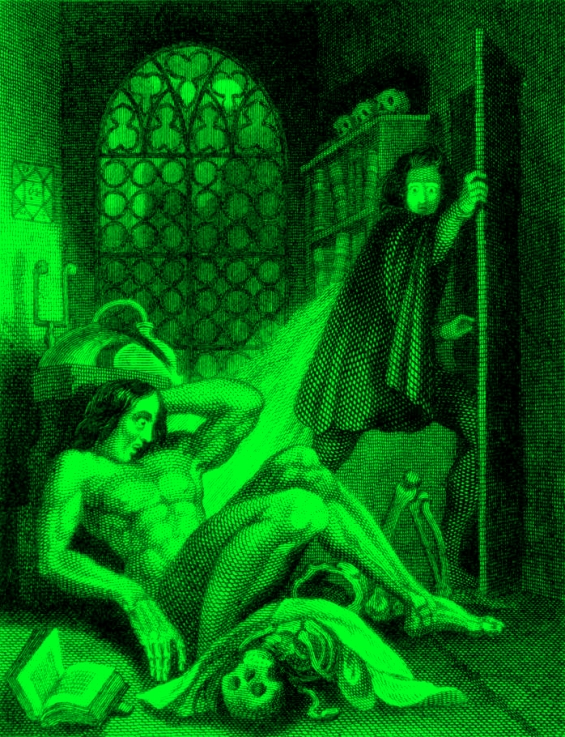
Theodor von Holst - Frankenstein

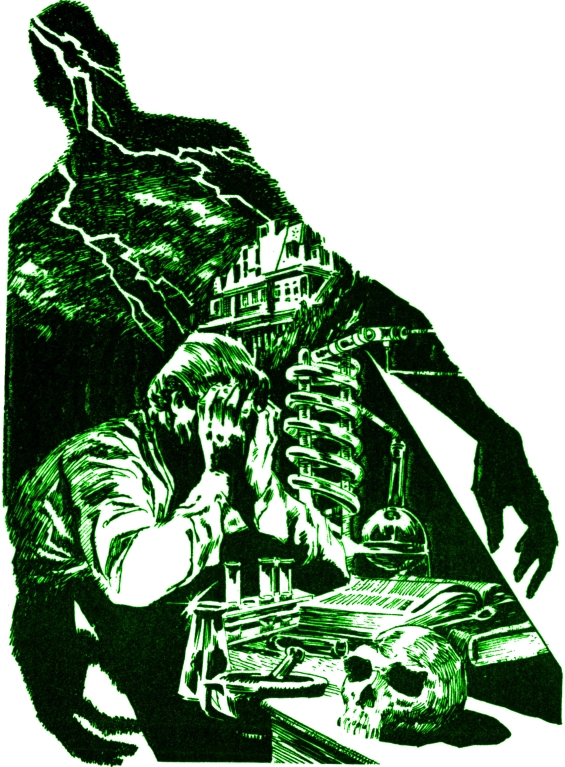
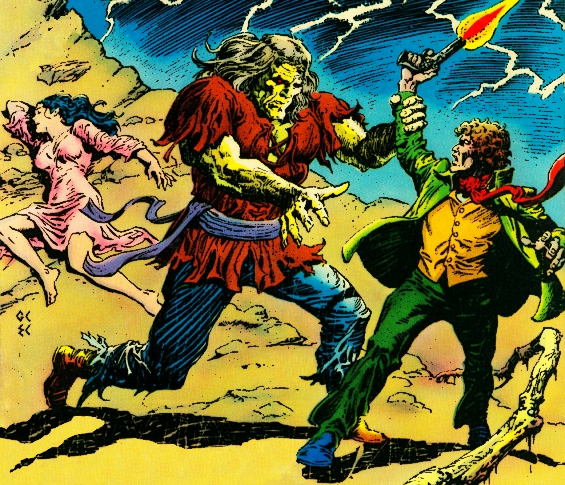
Frankenstein - illustration (possibly by Ernie Chan)

Frankenstein

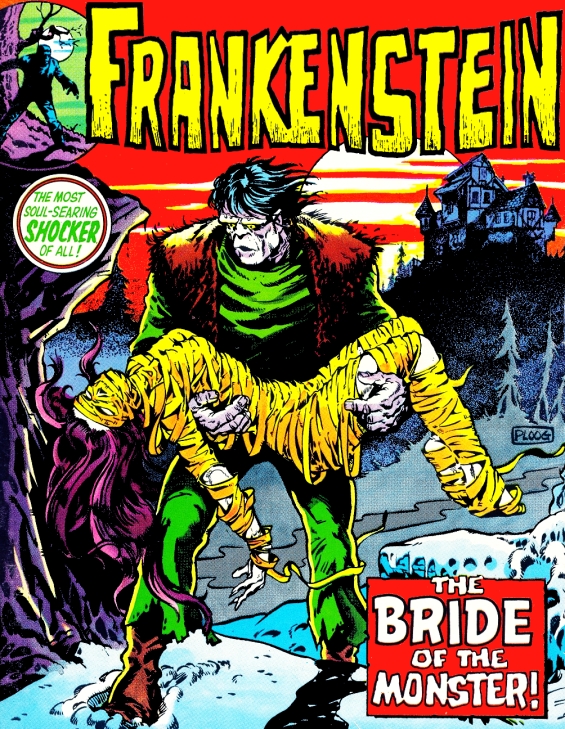
FRANKENSTEIN - The Bride Of The Monster - illustration by Mike Ploog

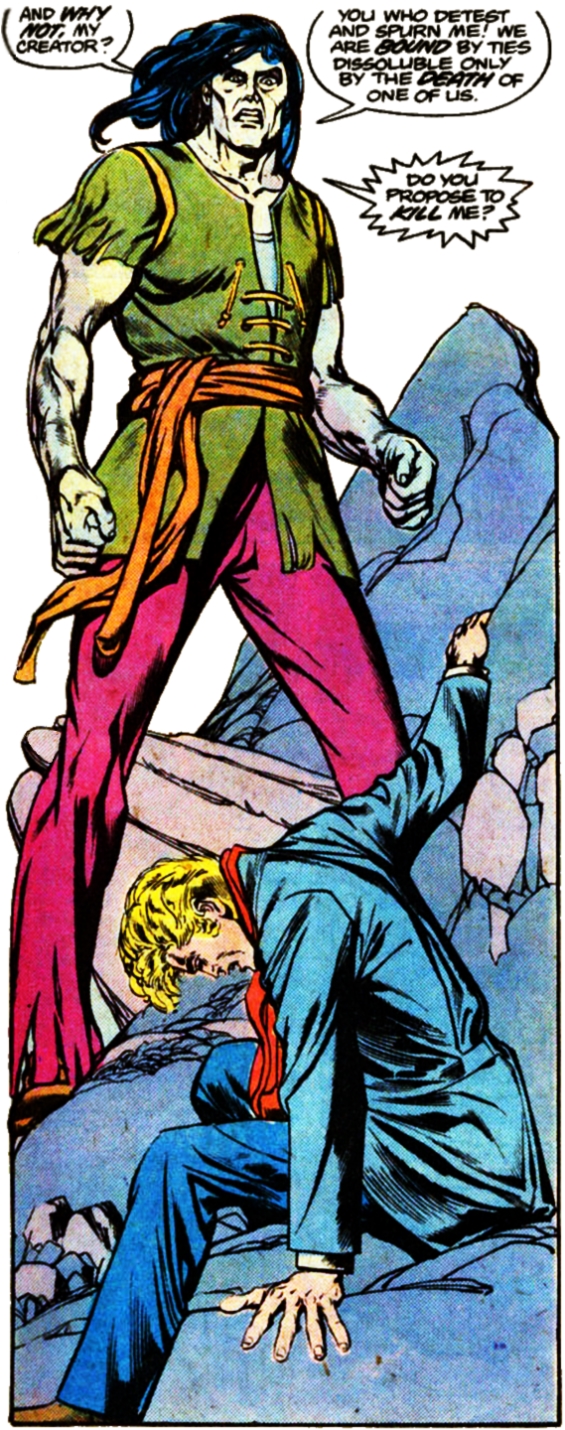
FRANKENSTEIN - illustration by Dino Castrillo

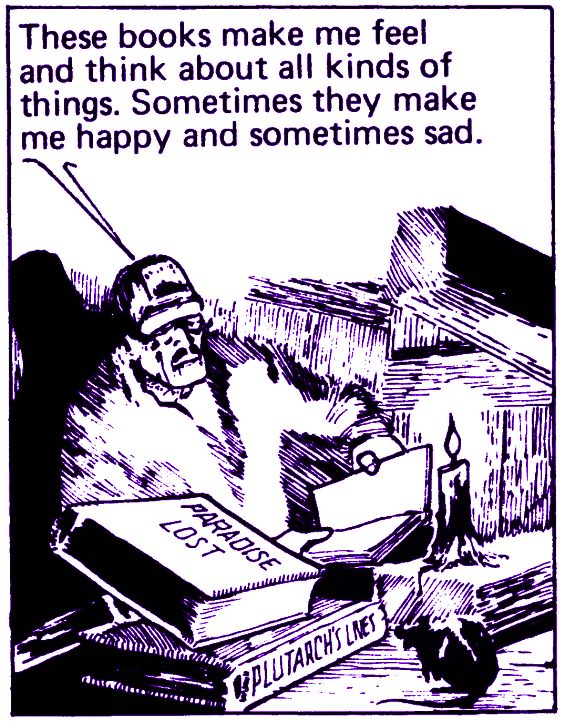
These Books Make Me Feel...

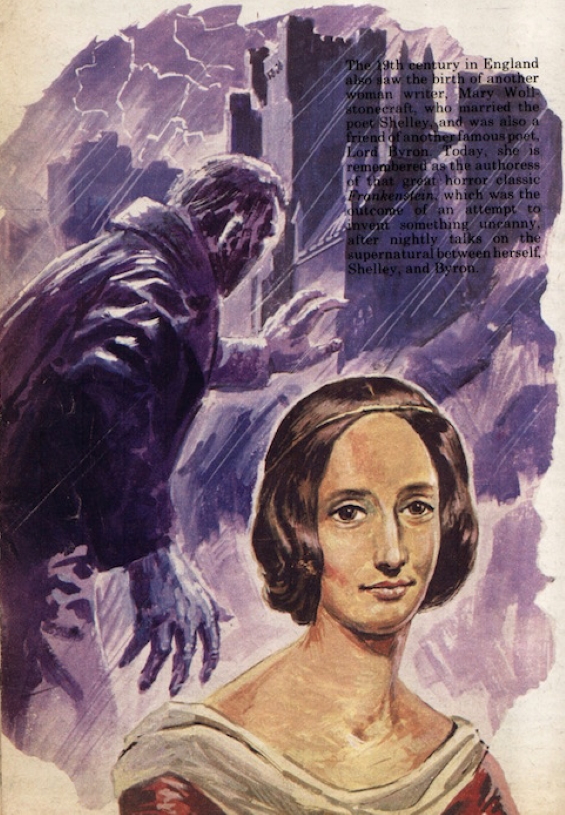
World Of Wonder - Mary Shelley

LEGOized Frankenstein

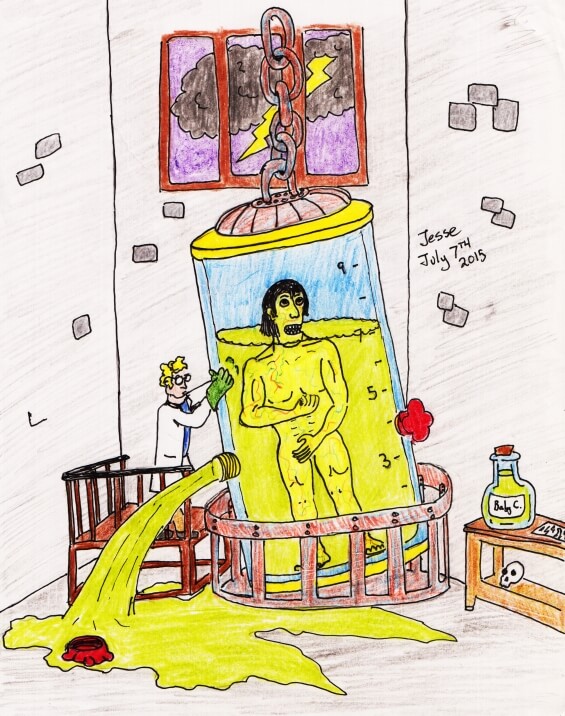
The Creation Of Frankenstein's Creature - illustrated by Jesse

Posted by Jesse Willis

Protecting Project Pulp: Prominent Author by Philip K. Dick

SFFaudio Online Audio

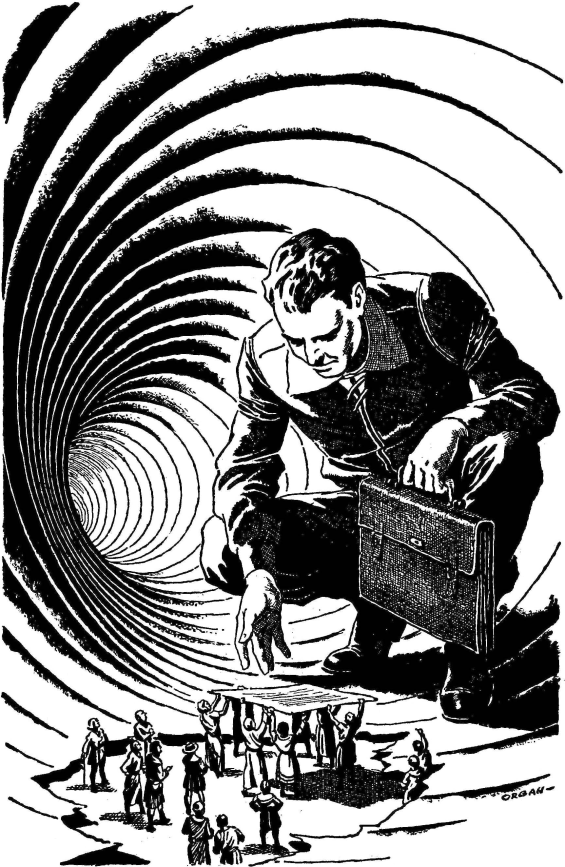
Prominent Author is a great example on the joke theory of short stories. Look to the meaning of character names, listen for the clever turns of phrase (‘he wasn’t just a cog in the machine anymore’) then add in the fun bit of stuff happening with the wife and wife’s girlfriend back at home – Philip K. Dick knew his stuff.

Nick Camm’s accent doesn’t quite fit the story, but his narrative abilities sure do. In fact, now that I think about it, it’s pretty clear to me that Protecting Project Pulp hits more home runs than any other podcast in the District Of Wonders network!

Paul Orban illustration from Prominent Author by Philip K. Dick

Protecting Project PulpProtecting Project Pulp No. 67 – Prominent Author
By Philip K. Dick; Read by Nick Camm
1 |MP3| – Approx. 47 Minutes [UNABRIDGED]
Podcaster: Protecting Project Pulp
Podcast: November 4, 2013
“It was the dawn of a golden age of transportation. Terran Development was ready to market a fourth dimension ‘vehicle’ which afforded almost instantaneous travel. For instance Henry Ellis commuted 160 miles to work in five steps and a few seconds. Then, one morning, he met some people on the way…” First published in If: Worlds Of Science Fiction, May 1954.

And, here is a |PDF| made from this story’s first publication.

Posted by Jesse Willis

The SFFaudio Podcast #236 – AUDIOBOOK/READALONG: The Hills Of The Dead by Robert E. Howard

Podcast

The SFFaudio PodcastThe SFFaudio Podcast #236 – The Hills Of The Dead by Robert E. Howard, read by Paul Boehmer (courtesy of Tantor Media’s The Savage Tales Of Solomon Kane). This is a complete and unabridged reading of the story (60 minutes) followed by a discussion of it. Participants in the discussion include Jesse, Mr Jim Moon, Matthew Sanborn Smith, and Bryan Alexander

Talked about on today’s show:
Second-to-last Solomon Kane story chronologically, “Red Shadows” and “Wings of the Night” close contenders for Solomon Kane stories, the latter featuring harpies from Jason and the Argonauts, history of Solomon’s staff explained in other stories, fetishes (not THAT kind!), juju stick, magical weapons, Wandering Star edition illustrated by Gary Gianni, comic book adaptations, vampire-slaying, story uncharacteristically well-plotted including foreshadowing, “plains and hills full of lions” oh my!, lion sleeping habits, “Africa is full of never-explained mysteries” excuses plot holes, prefigures Richard Matheson’s I Am Legend, Kate Beckinsale’s Underworld movies, one of few stories to depict ‘nation of vampires’, Kiss of the Vampire (film), Transylvania, homeopathic symbolism, sex sells, ‘Howardian damsel in distress’, voodoo, feminization of the jungle, homoerotic undertones, Howard biography Blood and Thunder by Mark Finn, post-Colonial critique, vampires in fiction oscillate between sexualized and homicidal, Stephen King slams Stephanie Meyer’s Twilight vampires, Nosferatu (relatively unknown at the time of this story’s writing) introduced the idea that sunlight kills vampires, the Devil as source of Kane’s lustful urges, “Howard doesn’t do metaphors very well”, vampire-zombie continuum, Howard as great visual writer, animal characteristics ascribed to Kull and Conan but not Kane, snake imagery (related to serpent in Garden of Eden?), Slave Coast, vultures, nature of the soul, “Rogues in the House” (written in one sitting while Howard had a headache), the dangers of over-interpreting Howard, Howard’s subconscious, early 20th-century magazines preoccupied with race, Cosmpolitan (it was once a literary magazine), race hierarchy, Solomon Kane less racist than Howard himself, racial hierarchy, Berbers, Solomon Kane’s conflicted personality, the New Model Army, Howard’s characters are solitary, Puritans, Kane has a death wish, Kane’s celibacy, significance of Solomon Kane’s name, Ben Jonson satirizes Puritan names (in Bartholomew Fayre), so does Terry Pratchett (in Lords and Ladies, Mormonism, concept of congregation of all believers, English Civil War and its sects, Grendel in Beowulf as descendant of Cain, Sandman comics, Kane is “always on the road”, Matthew Hopkins witchfinder general, wood imagery, we learn what a palaver is, The Dark Tower series, temptation, inquisition, H. P. Lovecraft, cohesion of Howard’s works, history of the English language, George Harrison’s coyright infringement, parallel evolution in fiction, Clark Ashton Smith, Charles Baudelaire, genocide, the importance of a shared reader-author premise, shared cultural values, Hitler, The King in Yellow, Woodrow Wilson was a racist, zombies vs. animals.

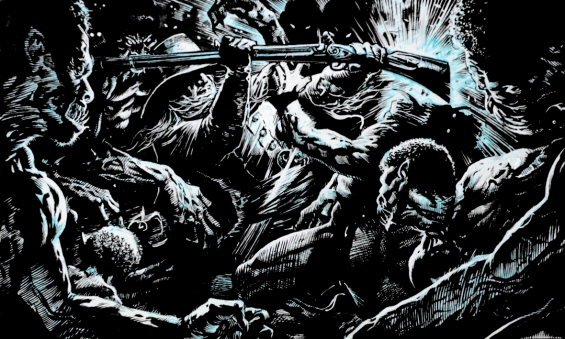
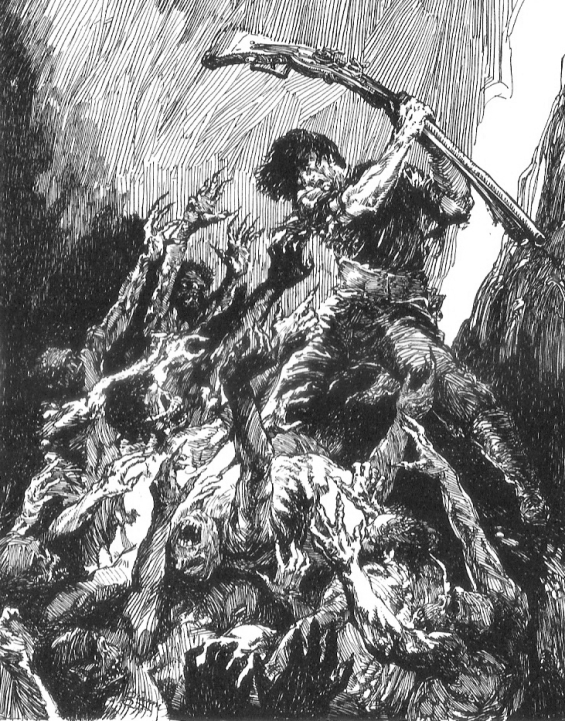
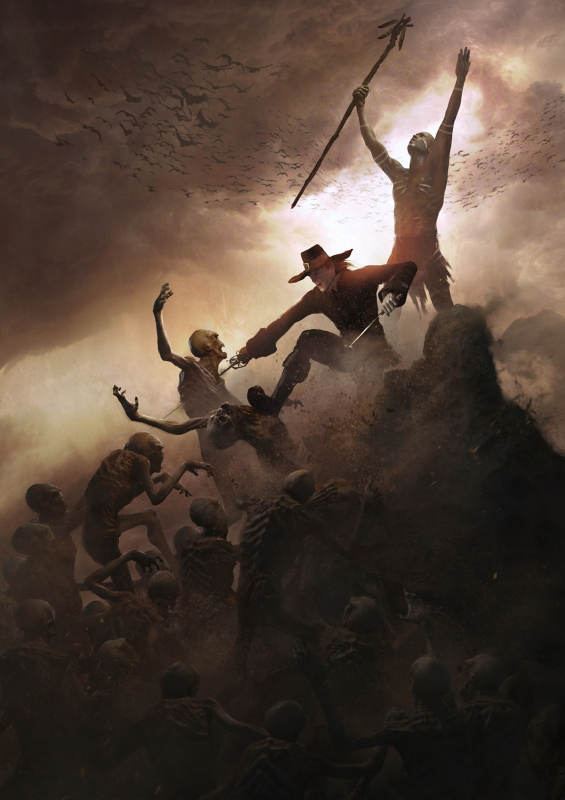
The Hills Of The Dead - Illustration by Greg Staples

The Hills Of The Dead by Robert E. Howard

The Hills Of The Dead

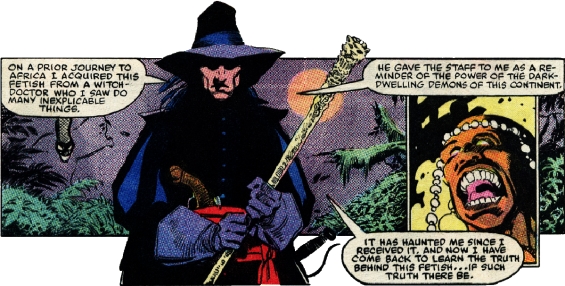
Solomon Kane's Fetish Staff

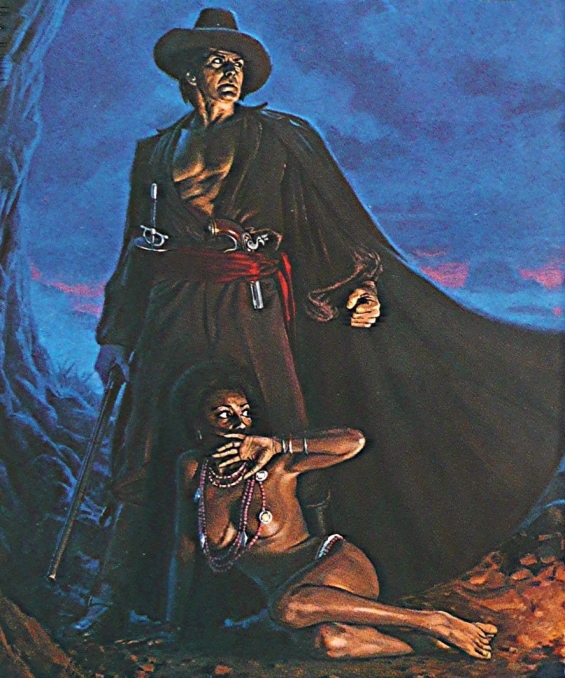
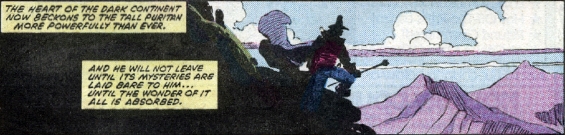
Solomon Kane in Africa

The Hills Of The Dead by Robert E. Howard

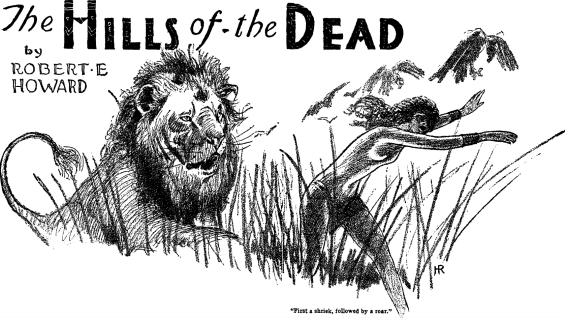
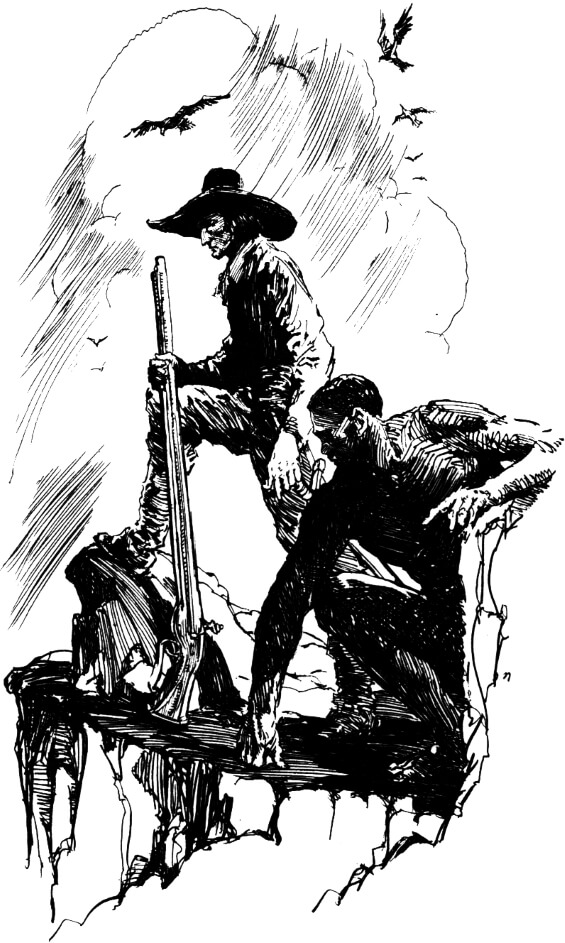
The Hills Of The Dead by Robert E. Howard - illustration by Hugh Rankin from Weird Tales, August 1930

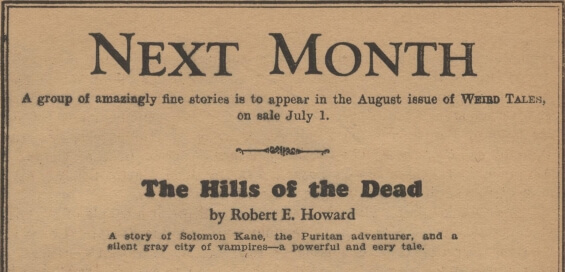
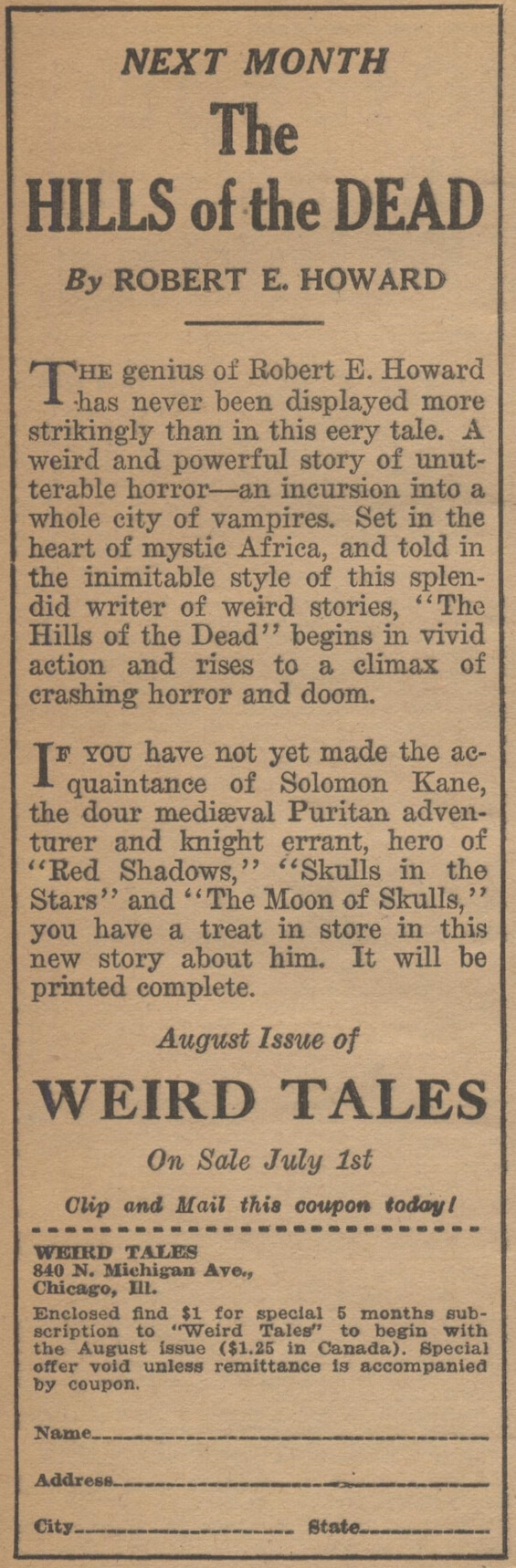
ad for The Hills Of The Dead by Robert E. Howard from WEIRD TALES, July 1930

ad for The Hills Of The Dead by Robert E. Howard from WEIRD TALES, July 1930

The Hills Of The Dead - illustrated by Gary Gianni

Guillem H. Pongiluppi illustration of The Hills Of The Dead

Marcus Boas art - Robert E. Howard's Hills Of The Dead

Posted by Seth Wilson

Review of MaddAddam by Margaret Atwood

SFFaudio Review

MaddAddam by Margaret AtwoodMaddAddam (MaddAddam #3)
By Margaret Atwood; Read by Bernadette Dunne, Bob Walter and Robbie Daymond
Publisher: Random House Audio
Publication Date: 3 September 2013
ISBN: 978-0-7393-8399-5
[UNABRIDGED] – 13 hours, 23 minutes
Listen to an excerpt: | MP3 |

Themes: / post-apocalypse / survival / religion / genetic engineering / megalomania / mythology /

Publisher summary:

Months after the Waterless Flood pandemic has wiped out most of humanity, Toby and Ren have rescued their friend Amanda from the vicious Painballers. They return to the MaddAddamite cob house, newly fortified against man and giant pigoon alike. Accompanying them are the Crakers, the gentle, quasi-human species engineered by the brilliant but deceased Crake. Their reluctant prophet, Snowman-the-Jimmy, is recovering from a debilitating fever, so it’s left to Toby to preach the Craker theology, with Crake as Creator. She must also deal with cultural misunderstandings, terrible coffee, and her jealousy over her lover, Zeb.

Zeb has been searching for Adam One, founder of the God’s Gardeners, the pacifist green religion from which Zeb broke years ago to lead the MaddAddamites in active resistance against the destructive CorpSeCorps. But now, under threat of a Painballer attack, the MaddAddamites must fight back with the aid of their newfound allies, some of whom have four trotters. At the center of MaddAddam is the story of Zeb’s dark and twisted past, which contains a lost brother, a hidden murder, a bear, and a bizarre act of revenge.

“There’s the story, then there’s the real story, then there’s the story of how the story came to be told. Then there’s what you leave out of the story. Which is part of the story too.”

Preach, Mother Atwood. This past week has had me reimmersed into the MaddAddam trilogy, starting with a fifth re-read of Oryx and Crake since we discussed it for a readalong.

When you read all the books of a trilogy close together, and you already know the story having read each of them at least once before, it is a lot easier to fill in the gaps and see the intricate detail that Atwood has built into this world. It isn’t just the Waterless Flood causing the dilemmas the Crakers are born into, the world was going to hell for decades before that. This book tells more of that story. While Oryx and Crake and The Year of the Flood were parallel narratives, MaddAddam starts from where those books end, and then traces back around to tell the story of Zeb. His story is told largely by Toby, to the Crakers, in the form of myth-like bedtime stories. What is the power of myth? The minute someone tells it, it has a high likelihood to change, whether that is to protect the listeners or to make it easier on the storyteller. There is so much about story in this novel.

“People need such stories, Pilar said once, because however dark, a darkness with voices in it is better than a silent void.”

I scanned these books for questions I had from the first novel, and I won’t include my discoveries here, but there are definitely answers in this novel.  And more questions.

The audiobook is a real treat – the three narrators do not share the job evenly, and by the time the third narrator comes along, there is a wonderful reason why he has waited so long.  Highly recommended, but do start with Oryx and Crake!

Posted by Jenny Colvin

The SFFaudio Podcast #220 – AUDIOBOOK/READALONG: The Machine Stops by E.M. Forster

Podcast

The SFFaudio PodcastThe SFFaudio Podcast #220 – The Machine Stops by E.M. Forster; read by Elizabeth Klett (for LibriVox). This is a complete and unabridged reading of the story (1 hour 13 minutes) followed by a discussion of it. Participants in the discussion include Jesse, Professor Eric S. Rabkin, and Mr. Jim Moon.

Talked about on today’s show:
Novelette or novella, novellini?, E.M Forster wrote some Science Fiction?, genre boundaries, H.G. Wells, adventure, horror, The Time Machine, a critique of English society, dystopias, diegesis, a didactic approach, The War Of The Worlds, a bogus bifurcation of the body and the spirit (or the mind), ambiguous possibility, the “Machine” of the titles, Morlocks and Eloi, a reversal, a complement, prophetic vs. appropriate, looking through my blue plate, this book is the biggest existential critique of my lifestyle, it was lovely to meet Jim and Eric, a caricature and a critique, blackberry season, a swaddled lump of flesh, a curiously intrusive narrative technique, a fable, author backchat, in C.S. Lewis’ Narnia, J.R.R. Tolkien, lampshading, breaking the fourth wall, an aural phenomena, a fable, a parable, philosophical scenarios, Plato’s Myth Of The Cave, The Republic, Socrates, ontological imaginary equivalents, The Metamorphosis by Franz Kafka, the narrator isn’t exactly human, “back chat”, man is not necessarily the measure of all things, empiricism vs. rationalism, the unanswerable questions of the stars, everyone is a lecturer in the future, “second hand ideas”, the French Revolution not as it was but as it might be in our society, Alexander The Great’s monstrous rampage through Asia, “the juice of the individual human experience”, we have many books, books as experience generators, Ion, J.R.R. Tolkien, “there is a muse”, the rhetor, aiming out of the subterranean, why are we obsessed with essays?, SAT style essays, a quasi-Aristotelian view of happiness, what does a happy horse look like?, fleet fleets make happy shipwrights, happiness verb, man is not an animal like the others, the body doesn’t matter, man is a mind, big fat babies, the wealthy vs. the working, the bloom of Victorian society (men in sheds), a satire of academia, the Logical Positivists, natural deductive logic, Mr. Jim Moon does a lot of research, rehashing, Terry Jones, Christopher Columbus, Nathaniel Hawthorne, an unexpected continent, the North-West Passage, telling powerful and relevant, the use of the word “idea”, “forms”, Rene Descartes, interpenetration, Orion, the hunter giant,” when you give a bad podcast do you ask for euthanasia afterwards?”, you’re not there for the characters, a very erudite story, Vashti (from the Book of Esther), Purim, the worst possible kind of mother, “the book”, unmechanical, religion, what is the machine exactly?, is the machine Capitalism? Google? Wikipedia? The Internet? Communism?, the beds only come in one size, the six sided cell, a hive society, command societies, totalitarianism, “machines are in the saddle and ride mankind”, the trains make us run on time, a network of machines is the Machine, a perfected machine disallows individuality, “In the dawn of the world our weakly must be exposed on Mount Taygetus”, the worship of Helios, Ancient Greece, the homeless don’t die, despite being set in the future this is a danger in human existence, a perfect social system (utopia), an inversion of the ancient Spartan technique, not to go against the Greek, an inversion of the Garden of Eden story, in real life, a very disturbing story, a hopeful ending, a white snout, sexual competition as in Dracula, have we learned our lesson?, a passion for connection, Wall-E, infantilized adults, vomitorium, Logan’s Run, We by Yevgeny Zamyatin, an anti-romantic Eden, “they give me no ideas”, “metal blind”, Brave New World by Aldous Huxley, E.M. Forster invented Skype?, pneumatic tube, Paris, Looking Backward by Edward Bellamy, the business of Science Fiction isn’t technological prediction, a totalizing synergy, the blue slates, an Edwardian future, the machine religion, humans enslaved by their own social attitude, Cory Doctorow, the mending committee doesn’t know how to fix anything, personifying and deifying the machine, Voltaire’s “The better is the enemy of the good.”, Protagoras, the Sophists, a sophist editorial cartoon, give me money and pay attention to me, an incredibly weak story with spectacularly fruitful ideas, what does it mean to say “I read something and liked it?”, The City And The Stars by Sir Arthur C. Clarke, its left to us to ponder some very deep questions, we’re not at The City And The Stars tech yet, the 1970s and the 1990s was the time for Brave New World, complementary drugs, the work and the context we read them in, recycling of knowledge and group consensus, exciting and relevant for our time, where and when we are when we first read something is important, Against The Fall Of Night, The Catcher In The Rye, To Kill A Mockingbird, Have Space-Suit, Will Travel, Little Brother, the civilized society and the outer savage, Dr. Eric & Mr. Moon.

LEGOized - The Machine Stops by E.M. Forster

Which Killer Deserves To Have Been Read His Miranda Rights?

Posted by Jesse Willis

The Highwayman by Lord Dunsany (read by Mike Vendetti)

SFFaudio Online Audio

The Highwayman by Lord Dunsany

I love The Highwayman by Lord Dunsany. It’s a terrific twelve minute tale, a prose poem of career criminals turned beneficent brigands. And my friend Mike Vendetti liked it a whole bunch too, have a listen a listen to his reading of it! |MP3|

Here’s a fully illustrated |PDF|.

Posted by Jesse Willis