The SFFaudio Podcast #373 – AUDIOBOOK: Moby Dick by Herman Melville

Podcast

The SFFaudio PodcastThe SFFaudio Podcast #373 – Moby Dick by Herman Melville, read by Stewart Wills.

This UNABRIDGED AUDIOBOOK (24 hours 12 minutes) comes to us courtesy of LibriVox.org. Moby Dick was first published in 1851.

The next SFFaudio Podcast will feature our discussion of it!

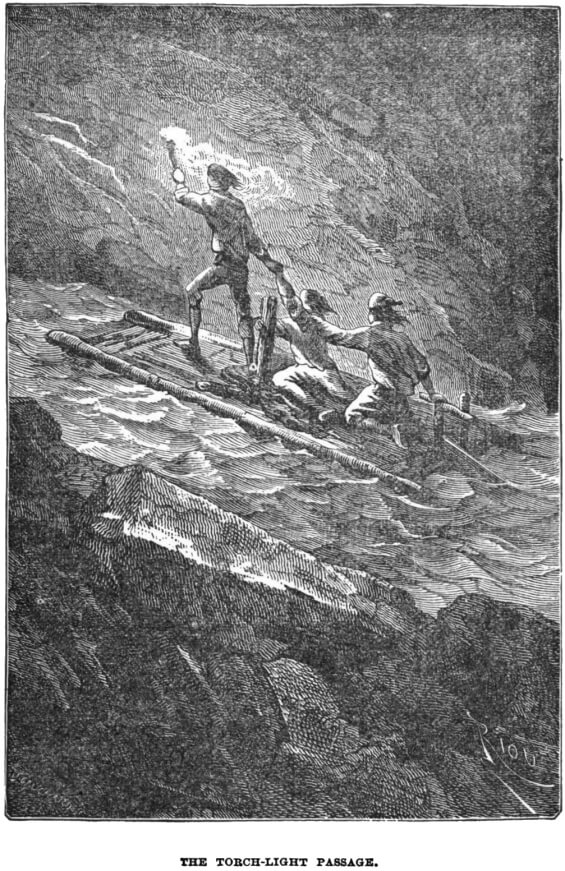
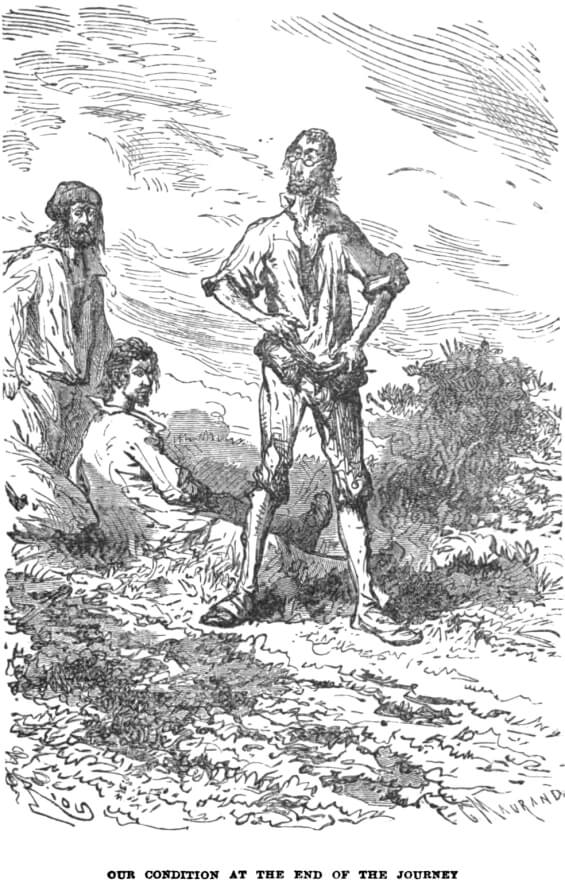
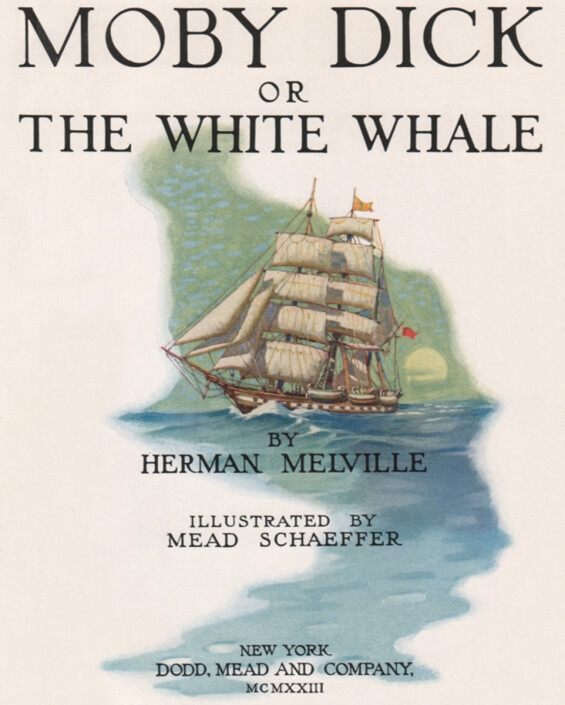
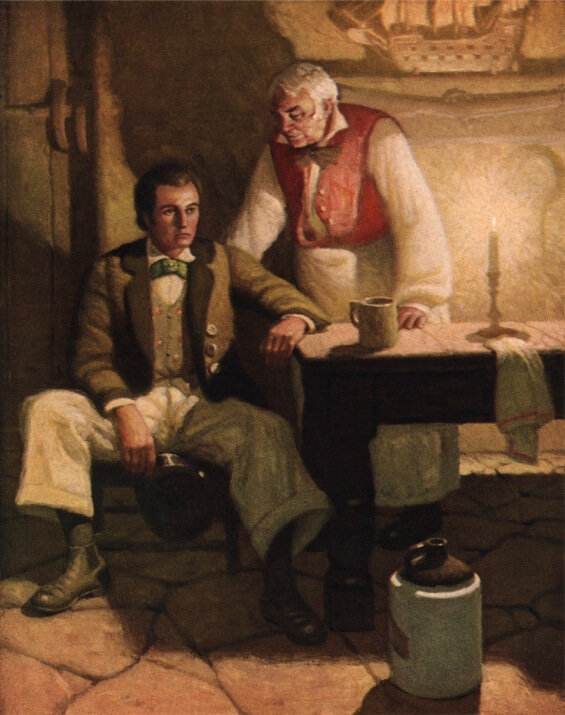
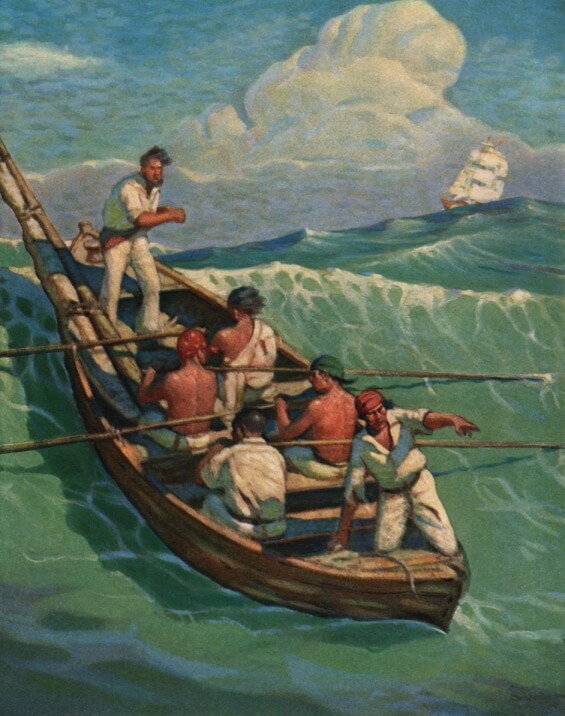
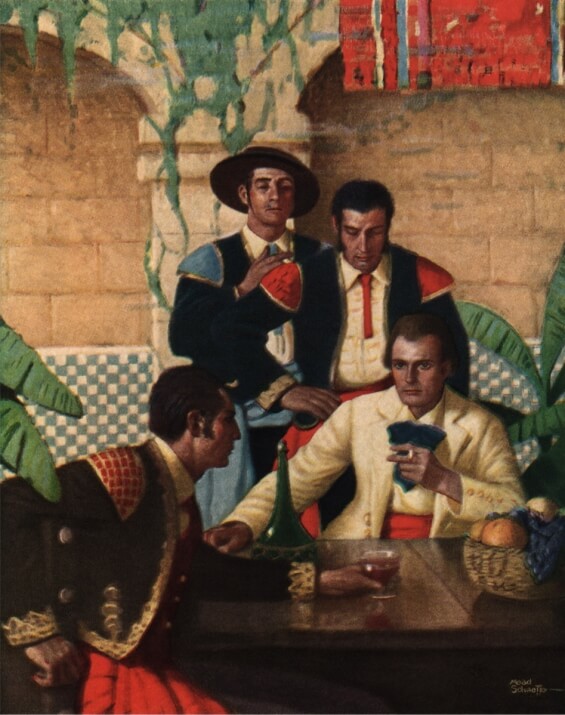
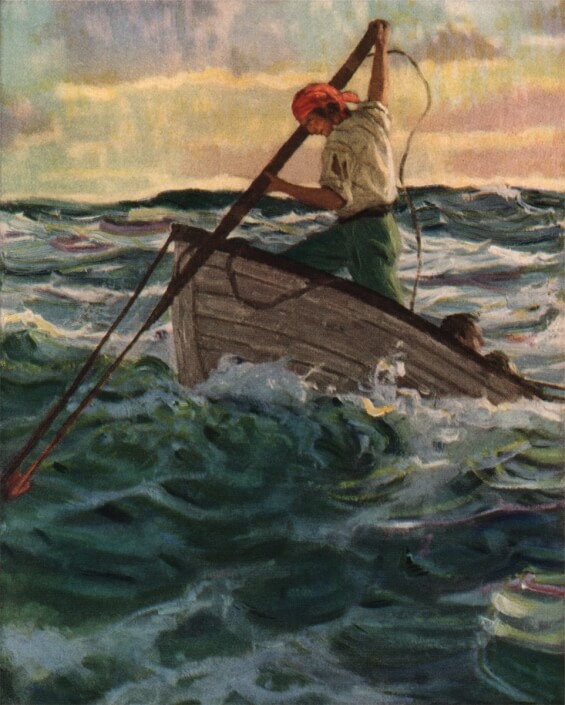
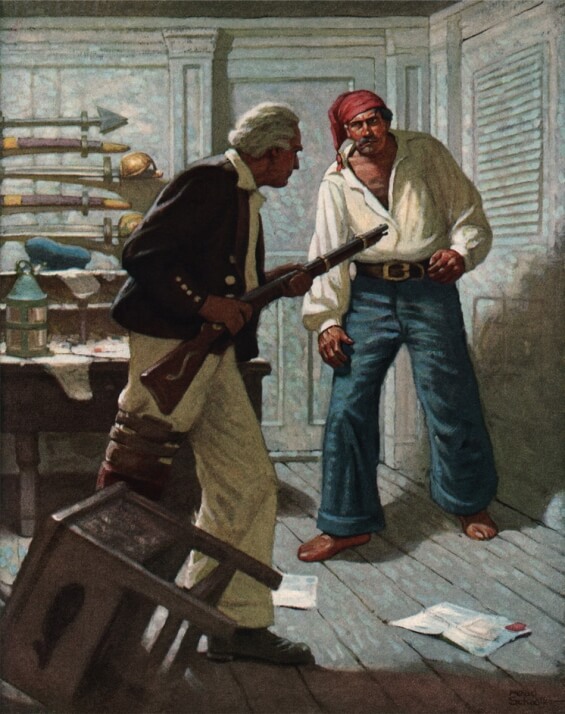
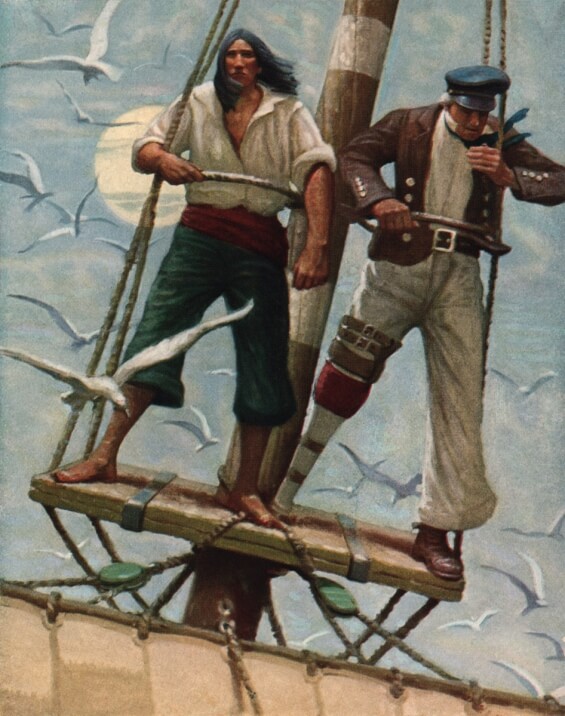
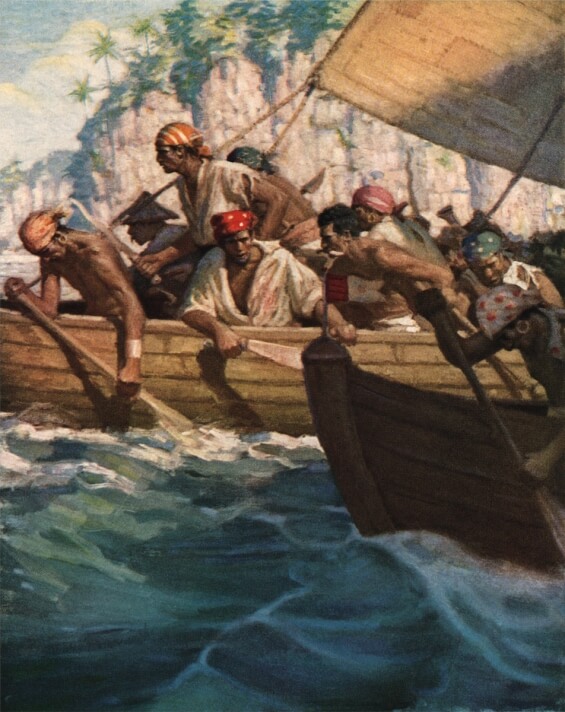
Moby Dick or The White Whale by Herman Melville - Illustrations by Mead Schaeffer

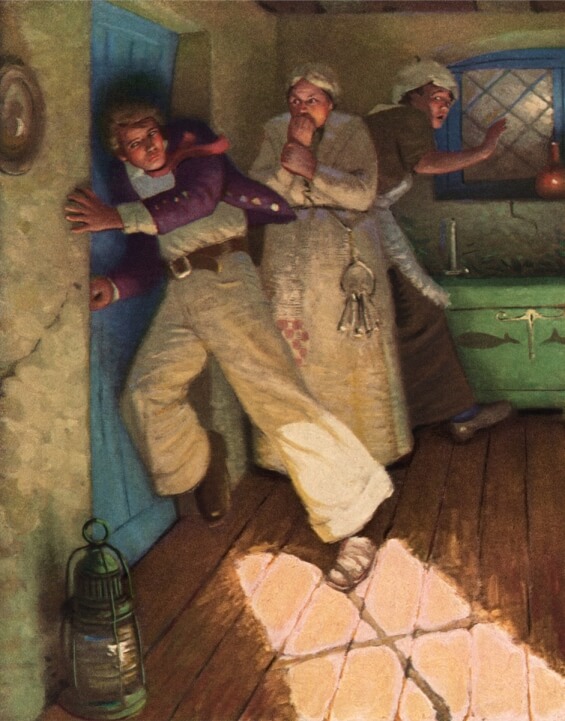
Moby Dick or The White Whale by Herman Melville - Illustrations by Mead Schaeffer

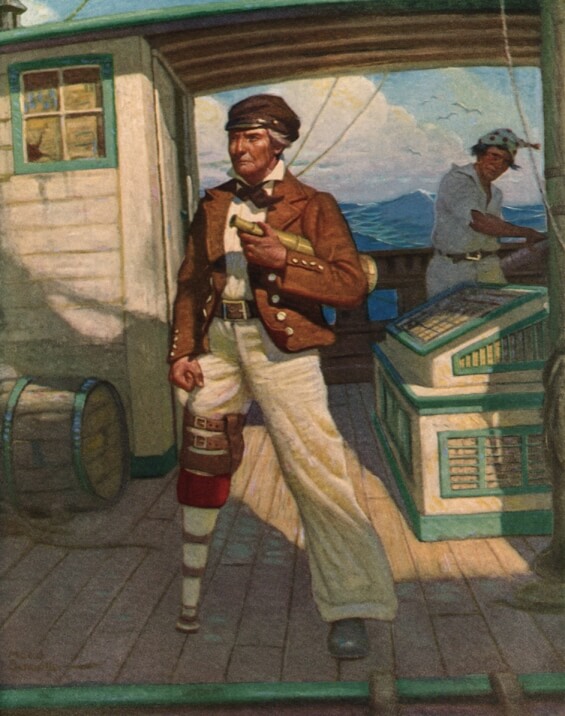
Moby Dick or The White Whale by Herman Melville - Illustrations by Mead Schaeffer

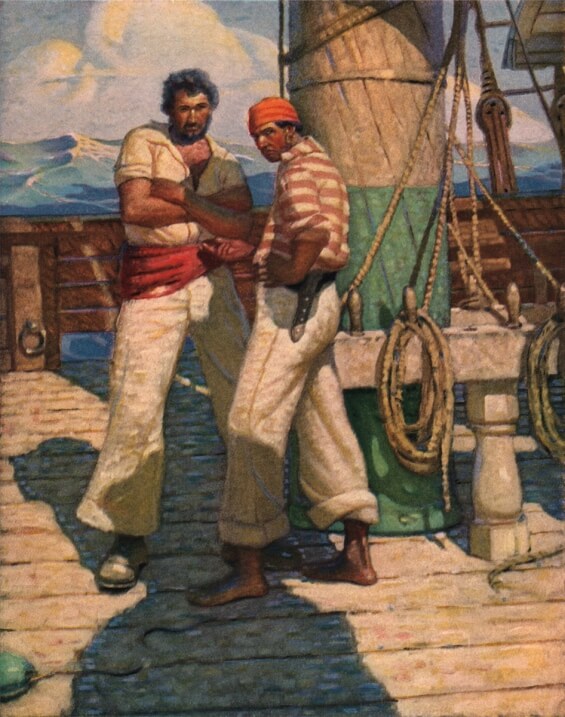
Moby Dick or The White Whale by Herman Melville - Illustrations by Mead Schaeffer

Moby Dick or The White Whale by Herman Melville - Illustrations by Mead Schaeffer

Moby Dick or The White Whale by Herman Melville - Illustrations by Mead Schaeffer

Moby Dick or The White Whale by Herman Melville - Illustrations by Mead Schaeffer

Moby Dick or The White Whale by Herman Melville - Illustrations by Mead Schaeffer

Moby Dick or The White Whale by Herman Melville - Illustrations by Mead Schaeffer

Moby Dick or The White Whale by Herman Melville - Illustrations by Mead Schaeffer

Moby Dick or The White Whale by Herman Melville - Illustrations by Mead Schaeffer

Moby Dick or The White Whale by Herman Melville - Illustrations by Mead Schaeffer

Moby Dick or The White Whale by Herman Melville - Illustrations by Mead Schaeffer

Posted by Jesse Willis

The SFFaudio Podcast #372 – AUDIOBOOK/READALONG: June 6, 2016 by George Allan England

Podcast
June 6, 2016 by George Allan England - first published in Collier's April 22, 1916

The SFFaudio PodcastThe SFFaudio Podcast #372 – June 6, 2016 by George Allan England; read by Julie Davis of A Good Story Is Hard To Find. This is an unabridged reading of the short story (52 minutes) followed by a discussion of it. Participants in the discussion include Jesse, Paul Weimer, Julie Davis, and Maissa Bessada.

June 6th, 2016 was first published in Collier’s in April 22, 1916.

Talked about in this episode:
as a story, a fine imagination about all the technologies we’ll have in the future, a time capsule to open after 100 years, storytelling aside…, accurate predictions?, a historical artifact, Looking Backwards, what were you thinking, nothing is accurate, a third right, if you squint real hard, a terrible plot, the sappiest romance, he foresaw Marilyn Monroe, he got texting, radio movies = television, any particular paragraph, technology and social change, alcohol isn’t made anymore, socialist pushing, prohibition, that experiment failed, smoking is still in fashion (but falling out of favor), unless you’re sanitized, he got Skype right (kinda), wouldn’t it be great if we could…, burning our clothes, everything is made of paper and only used once, paper underwear, it’s illegal to make noise or to be sick, as a dystopian story, “Repent, Harlequin!” Said The Ticktockman by Harlan Ellison, free public transit, everything is aluminum, everything is regulated, weather regulated, cloud seeding, from the Territory of Patagonia to the State of Labrador, the President of England, the 1970s push for the metric system in the USA, everyone is cooperating now, the United States of Asia, the Asian fleet is stationed in Hawaii, Japan or China, they made NAFTA really work, the TPP, a 2016 airplane that’s already broken, the anti-grav element, automation from a distance, the self driving car, the “Tesla” thing, more Philip K. Style, 250km per hour, the Trans-Atlantic aircraft, how amazing that would have sounded, he got some things right, why this story is so extraordinary, Philip K. Dick’s 2016, a slice of life from one day 100 years into the future, what he got right, 28 million people live in New York, a social trend that nobody predicted (except for Clifford Simak), Make Room, Make Room, Stand On Zanzibar, what Science Fiction is doing, the “where’s my flying car” or “where’s my jetpack?” phenomenon, obsessed with hygine, Purell everywhere, there’s no crime in this story, she was promised more rain, what makes one a great writer, the human element, the essence of the story, the role of women, a 1960s lady, and his heart melted, businesses actually paying their taxes, the kind of socialism we can get behind, everyone knows what everyone is doing all the time, everybody knows where everybody is, convenience vs. Big Brother, everyone has everything they need, children are to be seen and not heard, where’s the children, Brave New World without the drugs, Soma in the ozoneators, the women’s suffrage movement, the Prohibition movement, every leap year women got the opportunity to ask men to marry them, marriage, cellphones (or satphones) telepathy, a slidewalk as in The Roads Must Roll by Robert A. Heinlein, Iridium Satphone, an urgent telepathic call from Hong Kong, bluetooth technology, the Sub-Atlantic tube, a trans-atlantic tunnel, Channel Tunnel, email, video ads on the subway, newspapers are completely gone, how much would George Allan England like us talking about this story on this date?, headphones, what a world of wonders we do live in, to George, we’re not there yet (for non-commercial cremation), filling in New York harbour, we bend nature to our will, the big eugenics thing, the eugenics board, the fallacy of eugenics, Muhammad Ali, how fallible and foolish people are, alcohol going out of fashion, turning off alcohol would be like banning marriage, The Drunken Botanist, the benefits of alcohol, people in 9,000bc, the archaic art of letter writing, a little gesture of the time, investing in the characters, the PDF is a bit hard to read, muting the feminine philosophy, feminism, he will make more in the end, the images, did the art come first and the story follow?, etherically connected, centrally regulated atomic clocks, a Pickwick Papers situation, Charles Dickens, the illustrator died, monthly installments, the invention of the cliffhanger, Paul is related to Charles Dickens.
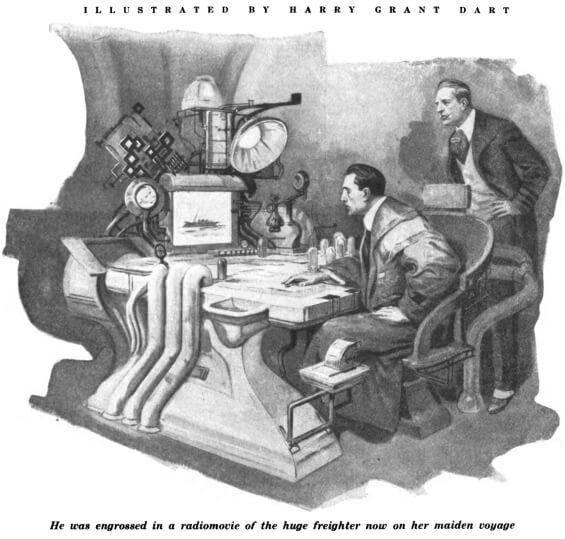
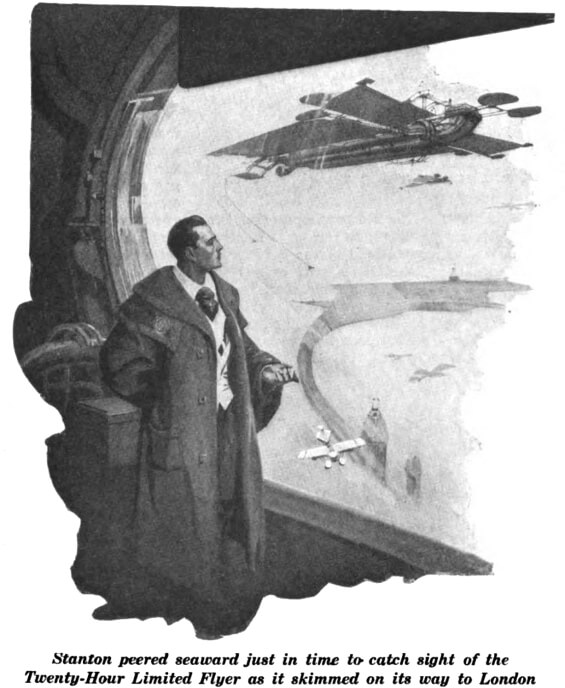
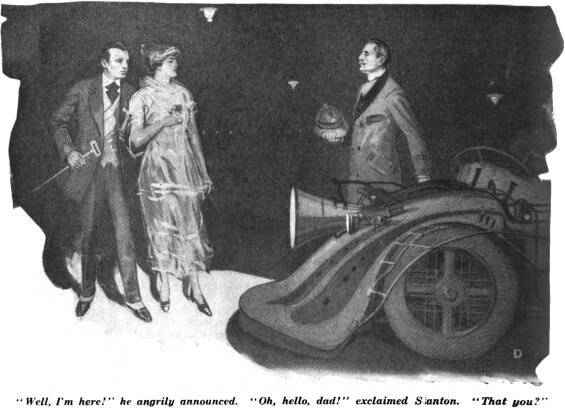
June 6th, 2016 by George Allan England - illustrated by Harry Grant Dart

Posted by Jesse Willis
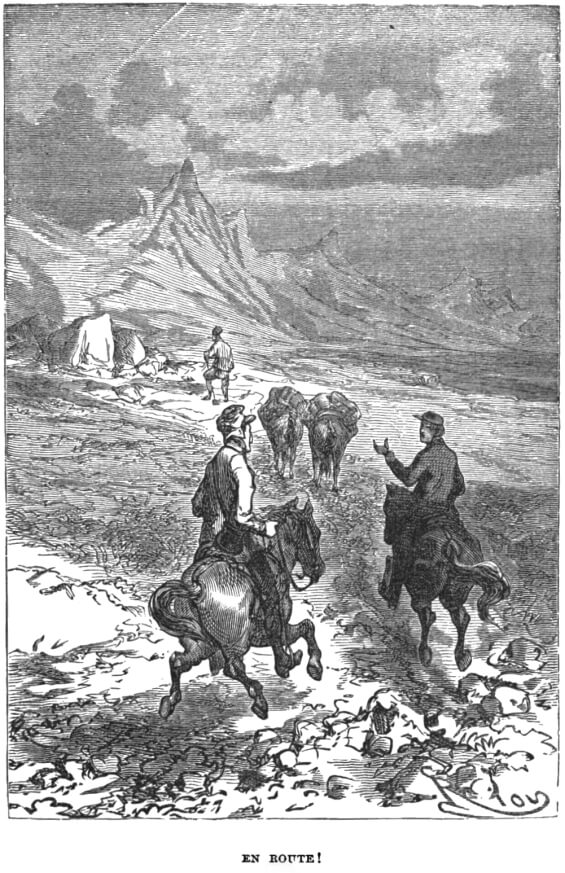
The SFFaudio Podcast #368 – AUDIOBOOK: The First Men In The Moon by H.G. Wells

Podcast
H.G. Wells' The First Men In The Moon
The SFFaudio PodcastThe SFFaudio Podcast #368 – The First Men In The Moon by H.G. Wells, read by Mark F. Smith.

This UNABRIDGED AUDIOBOOK (7 hours 50 minutes) comes to us courtesy of LibriVox.org. The First Men In The Moon was first serialized in Cosmopolitan, November 1900 to April 1901.

The next SFFaudio Podcast will feature our discussion of it!

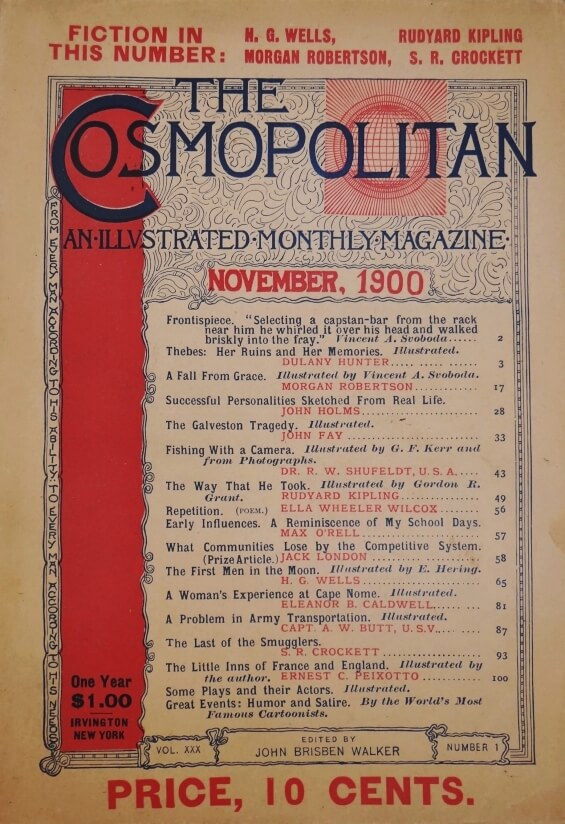
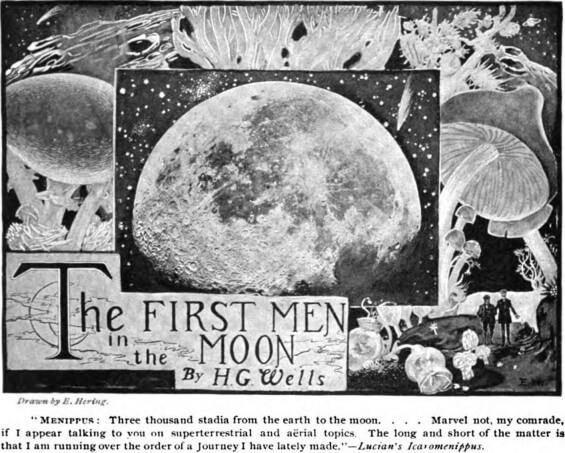
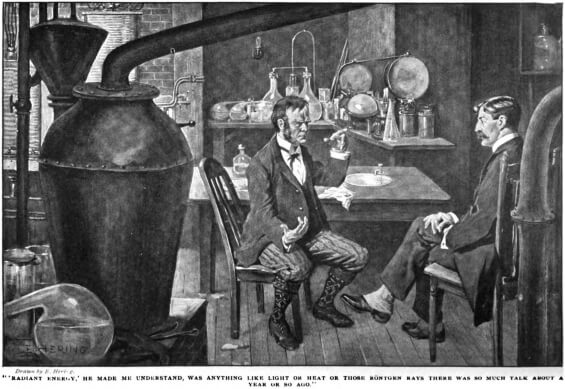
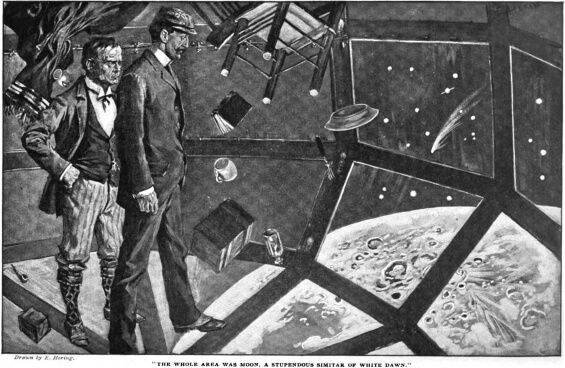
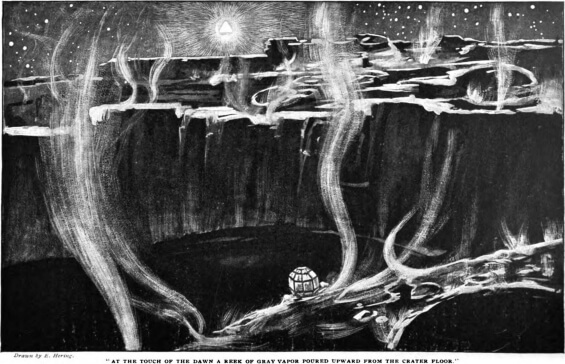
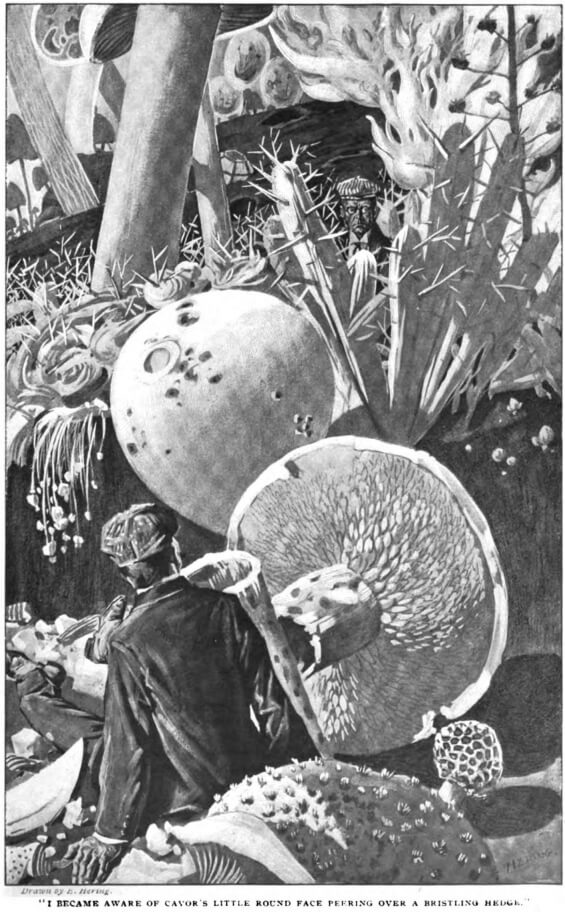
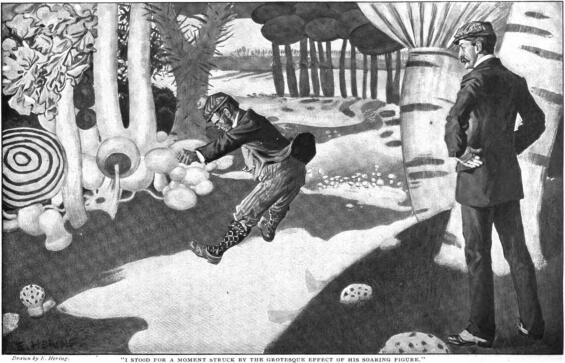
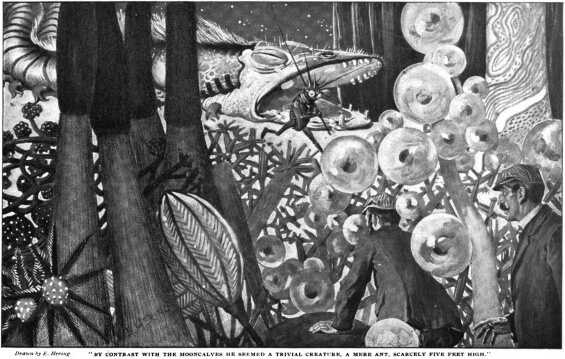
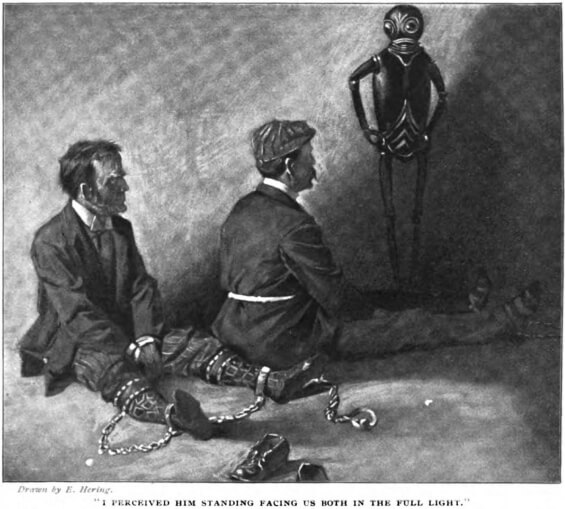
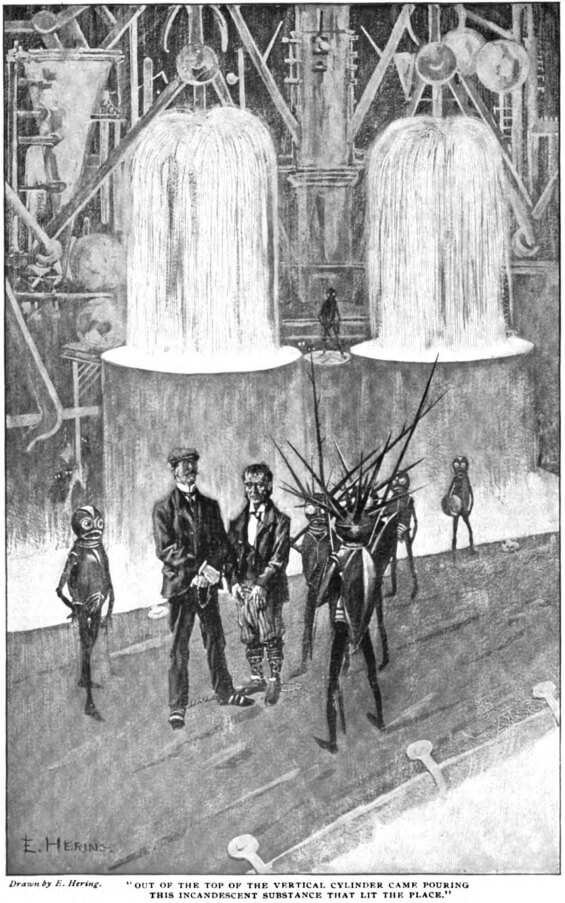
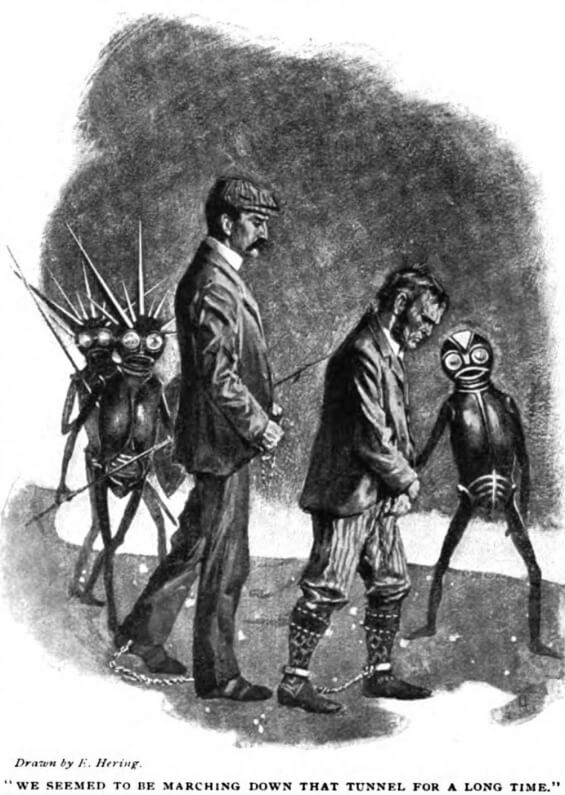
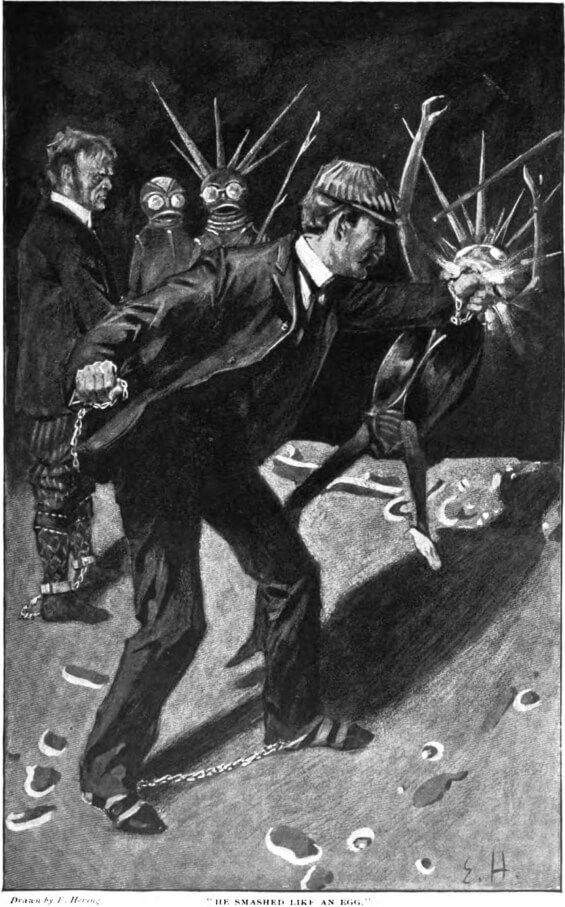
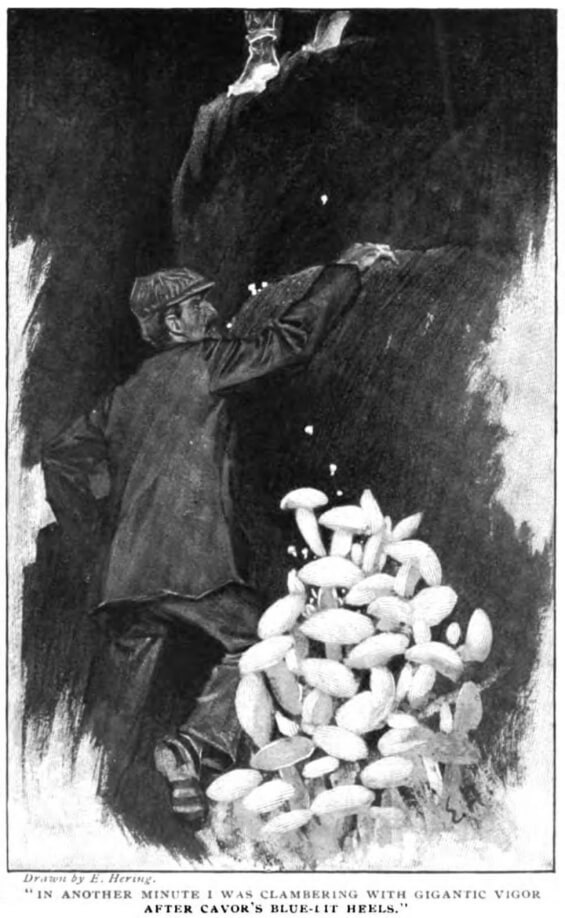
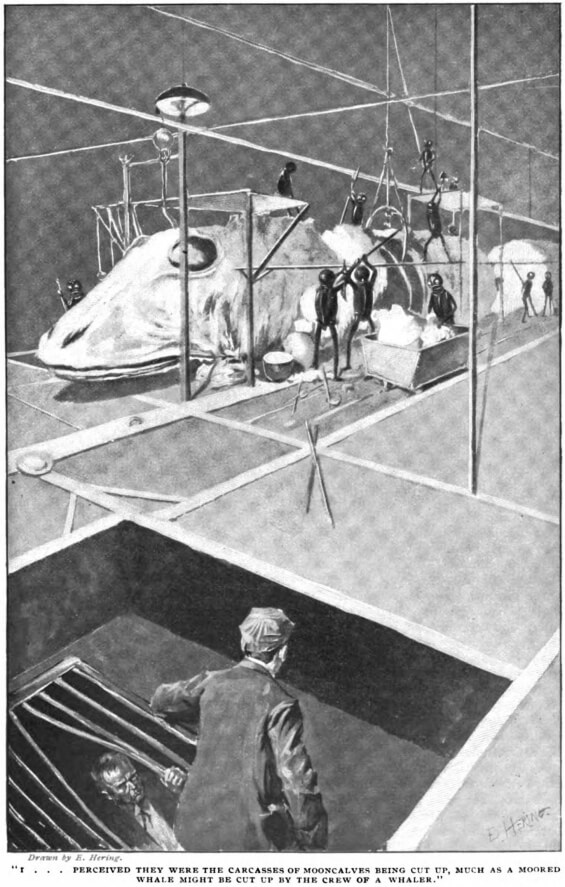
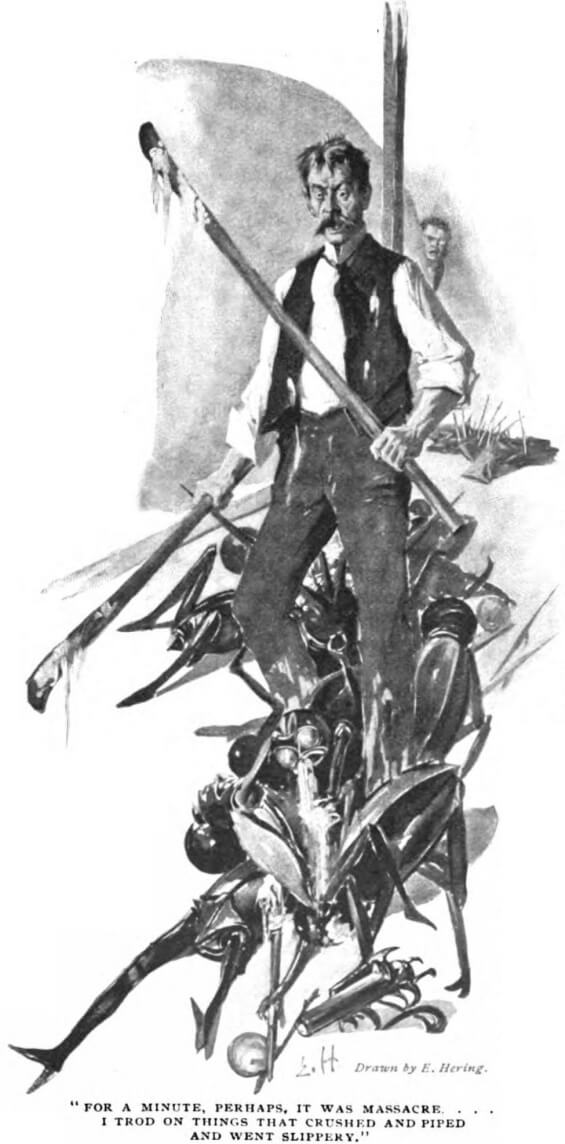
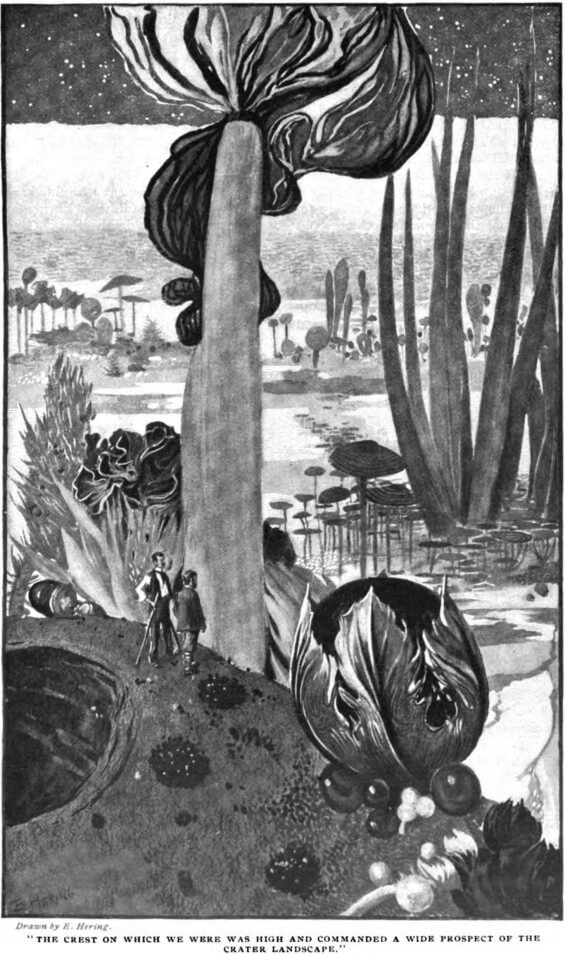
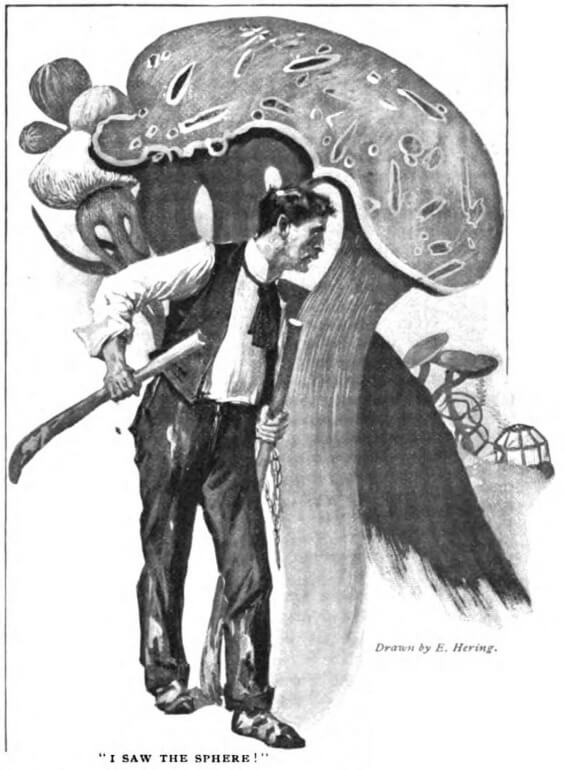
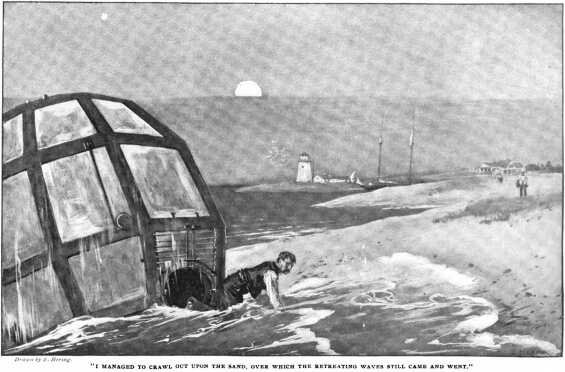
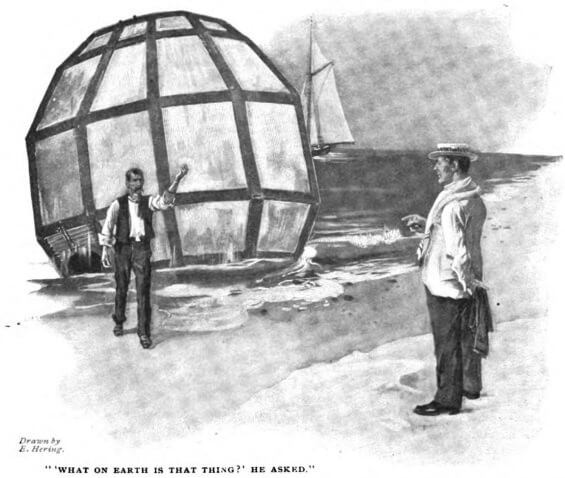
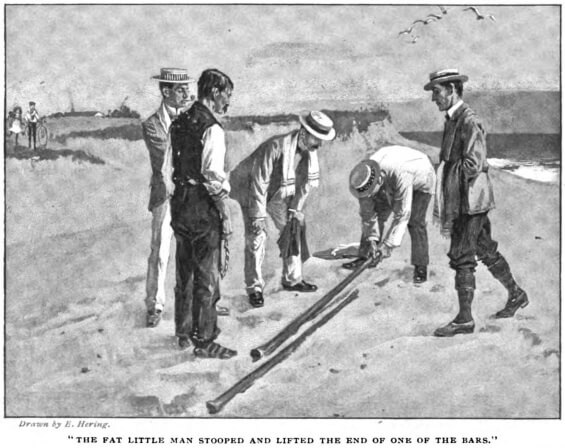
Cosmopolitan Magazine (Nov., 1900 - June, 1901). H. G. Wells' "The First Men in the Moon."  illustrations by E. Hering

Cosmopolitan Magazine (Nov., 1900 - June, 1901). H. G. Wells' "The First Men in the Moon."  illustrations by E. Hering

Cosmopolitan Magazine (Nov., 1900 - June, 1901). H. G. Wells' "The First Men in the Moon."  illustrations by E. Hering

Cosmopolitan Magazine (Nov., 1900 - June, 1901). H. G. Wells' "The First Men in the Moon."  illustrations by E. Hering

Cosmopolitan Magazine (Nov., 1900 - June, 1901). H. G. Wells' "The First Men in the Moon."  illustrations by E. Hering

Cosmopolitan Magazine (Nov., 1900 - June, 1901). H. G. Wells' "The First Men in the Moon."  illustrations by E. Hering

Cosmopolitan Magazine (Nov., 1900 - June, 1901). H. G. Wells' "The First Men in the Moon."  illustrations by E. Hering

Cosmopolitan Magazine (Nov., 1900 - June, 1901). H. G. Wells' "The First Men in the Moon."  illustrations by E. Hering

Cosmopolitan Magazine (Nov., 1900 - June, 1901). H. G. Wells' "The First Men in the Moon."  illustrations by E. Hering

Cosmopolitan Magazine (Nov., 1900 - June, 1901). H. G. Wells' "The First Men in the Moon."  illustrations by E. Hering

Cosmopolitan Magazine (Nov., 1900 - June, 1901). H. G. Wells' "The First Men in the Moon."  illustrations by E. Hering

Cosmopolitan Magazine (Nov., 1900 - June, 1901). H. G. Wells' "The First Men in the Moon."  illustrations by E. Hering

Cosmopolitan Magazine (Nov., 1900 - June, 1901). H. G. Wells' "The First Men in the Moon."  illustrations by E. Hering

Cosmopolitan Magazine (Nov., 1900 - June, 1901). H. G. Wells' "The First Men in the Moon."  illustrations by E. Hering

Cosmopolitan Magazine (Nov., 1900 - June, 1901). H. G. Wells' "The First Men in the Moon."  illustrations by E. Hering

Cosmopolitan Magazine (Nov., 1900 - June, 1901). H. G. Wells' "The First Men in the Moon."  illustrations by E. Hering

Cosmopolitan Magazine (Nov., 1900 - June, 1901). H. G. Wells' "The First Men in the Moon."  illustrations by E. Hering

Cosmopolitan Magazine (Nov., 1900 - June, 1901). H. G. Wells' "The First Men in the Moon."  illustrations by E. Hering

Cosmopolitan Magazine (Nov., 1900 - June, 1901). H. G. Wells' "The First Men in the Moon."  illustrations by E. Hering

Cosmopolitan Magazine (Nov., 1900 - June, 1901). H. G. Wells' "The First Men in the Moon."  illustrations by E. Hering

Cosmopolitan Magazine (Nov., 1900 - June, 1901). H. G. Wells' "The First Men in the Moon."  illustrations by E. Hering

Posted by Jesse Willis
The SFFaudio Podcast #366 – AUDIOBOOK: The Prince And The Pauper by Mark Twain

Podcast

The Prince And The Pauper by Mark Twain

The SFFaudio PodcastThe SFFaudio Podcast #366 – The Prince And The Pauper by Mark Twain, read by John Greenman.

This UNABRIDGED AUDIOBOOK (6 hours 50 minutes) comes to us courtesy of LibriVox.org. The Prince And The Pauper was first published in 1881.

The next SFFaudio Podcast will feature our discussion of it!

The Prince And The Pauper by Mark Twain - illustration by Charles Beck

The Prince And The Pauper by Mark Twain - illustration by Charles Beck

The Prince And The Pauper by Mark Twain - illustration by Charles Beck

The Prince And The Pauper by Mark Twain - illustration by Charles Beck

The Prince And The Pauper by Mark Twain - illustration by Charles Beck

The Prince And The Pauper by Mark Twain - illustration by Charles Beck

The Prince And The Pauper by Mark Twain - illustration by Charles Beck

The Prince And The Pauper by Mark Twain - illustration by Charles Beck

The Prince And The Pauper by Mark Twain - illustration by Charles Beck

The Prince And The Pauper by Mark Twain - illustration by Charles Beck

Posted by Jesse Willis
The SFFaudio Podcast #365 – AUDIOBOOK/READALONG: The Dunwich Horror by H.P. Lovecraft

Podcast

The SFFaudio PodcastThe SFFaudio Podcast #365 – Jesse, Bryan Alexander, and Mr Jim Moon talk about The Dunwich Horror by H.P. Lovecraft.

Talked about on today’s show:
Weird Tales, April 1929, set in 1928, the Wikipedia entry, “one of the few tales Lovecraft wrote wherein the heroes successfully defeat the antagonistic entity or monster of the story”, the heroes were a nice family who kept to themselves, hounding the downtrodden, the story structure, the lily white mom, a virgin birth to an extraordinary son, an invisible brother, the holy trinity, it’s Jerusalem all over again, another fallen world, Dostoevsky’s The Grand Inquisitor, she’s sooo virginal, towards racism, non-human entities, deeply inset, the whole of Dunwich is inbred, more sanctified, extreme exogamy, Wilbur Whateley’s literary model, Frankenstein’s monster, yellow skin, lustrous black hair, hounded by the community, nudism is not a sin on your own land, they’re non-Christians, persecution, one of the great problems of Frankenstein, the creation of new life in a socially horrible way, for lack of a better appendage, some of the things Wizard Whateley says are troubling, Wilbur’s strangeness, reserve books, deny all access to this kid, the Call Of Cthulhu RPG is modeled on this story, Yog-Sothoth’s appearances in other stories, Through The Gates Of The Silver Key by E. Hoffman Price and H.P. Lovecraft, the opener of the way, Randolph Carter, Wilbur’s diary, the clearing off of the Earth, a lonely teenager, contempt for his mom, her albinism, somewhat deformed, gestures and hints, her unnamed son, Wilbur is dark, another step down the albinism route, The Invisible Man by H.G. Wells, the Alan Moore and Jacen Burrows Providence adaptation (issue 4), Robert Black, the Wilbur stand-in is Willard, the audio drama, family photos, the madwoman in the attic (the mad brother in the attic), dad’s always feeding him, he’s just a big kid, wonderfully atmospheric, he’s a horror writer, the normal way to read this story, weird fiction, The Colour Out Of Space, science fiction, Providence, Rhode Island, Athol, dread and horror, straight-up horror, Lovecraft and race, Lovecraft and class, poor white people are monstrous and horrific, inbred and weak, a fun Malcolm Gladwell piece, To Kill A Mockingbird demonized poor white folk, Trump-bashing, Oswald Spengler’s The Decline Of The West, have we peaked?, patronizing the poor, this is shocking, Theodore Dreiser, Jacob Reese’s How The Other Half Lives, Dracula by Bram Stoker, Degeneration: Fear Of The White Race Declining, war, we’ll all be Teddy Roosevelt and Baden-Powell, WWI, prohibition, the first U.S. propaganda committee, the end of The Shadow Over Innsmouth, rural threat, The Terrible Old Man, a cultural flip-flop, the rural folk as the other, the tipping point, urban migration, canary women in munition factories, the yeoman past, the gold doubloons, where did that money come from?, practicing alchemy?, Keanu Reeves, a ghurka knife, Dracula’s money belt, poor Wilbur, dogs wanna eat him!, dogs are mean, barking at things we cannot see, the dog as index of character, good people feed you bad people eat you, unlike the whippoorwills?, The Great God Pan by Arthur Machen, Wilbur is a little goaty, concepts and styles, the gods having union with humans and birthing the monstrous, a neuroscientist, a gibbering wreck, a trail of destruction, literal devolution, absolute corruption in human form, Helen Vaughn, a mystery story, disturbing hints, an enturely different story with entirely different tropes, a classic bad seed story, a giant monster on the loose story, a New England kaiju story, the Moodus Noises, hollow earth stories, lost race stories, Edward Bulwer-Lytton’s The Coming Race, ravines of problematic depth, Lovecraft casts a spell upon the reader, entranced by the language, landscape description, Elmore Leonard, stage-setting, the river as a serpent, oddly suggestive, feeling uneasy, the weird tale aspect, a little too round and a little too even, pulling down all the stones on all the hilltops, At The Mountains Of Madness, Dreams Of Animals, other families, the etymology of panic, somebody’s panic face, red scares, yellow perils, bank panics, the god Pan,

The word derives from antiquity and is a tribute to the ancient God, Pan. One of the many gods in the mythology of ancient Greece: Pan was the god of shepherds and of woods and pastures. The Greeks believed that he often wandered peacefully through the woods, playing a pipe, but when accidentally awakened from his noontime nap he could give a great shout that would cause flocks to stampede. From this aspect of Pan’s nature Greek authors derived the word panikon, “sudden fear,” the ultimate source of the English word: “panic”.

multiples of Pan:

Pan could be multiplied into a swarm of Pans, and even be given individual names, as in Nonnus’ Dionysiaca, where the god Pan had twelve sons that helped Dionysus in his war against the Indians.

a scapegoat, panic is the sense that everything around you is alive, 1806, a beautiful valley, a few cows, not interested in the modern economy, industry “didn’t take”, party line telephones, gossip, no phone at the Whateley farm, are they all practice hidden religions, The Horror Of The Burying Ground, a humor piece, an experimental embalmer, Herbert West: Embalmer, they’re alive!, everyone goes to their graves alive, gothic horror, comedy, set in Vermont?, Will Murray, Lovecraft’s revisions, tongue in cheek, blackly comic self-parody (almost), The Horror Of The Museum, Hazel Heald, in the 19th century everyone was afraid of premature burial, Edgar Allan Poe, a New York City echo, the different adaptations, the 2009 SciFi channel version, Jeffrey Combs, Dean Stockwell (Dr Yueh), the 1970 movie adaptation, a satanist movie, a lot of the story is in it, an anti-hero, Professor Armitage, Dennis Wheatley, cosmic horror, a beholder from Dungeons & Dragons gone berserk, a staff with a thunderbird totem, don’t go near the hills on certain nights of the year, a resentment, the degenerate side of the family, the opening credits, the love interest, the natural order, the big interpolation, an abomination, like Philip K. Dick, a source for films (mostly bad), The Resurrected, Blade Runner, Total Recall: 2070, Minority Report TV series, The Man In The High Castle TV series, the problem is there’s no real hope…, exactly the opposite of Dick’s idea, what that means for us, the medium shift (from book to movie), The Stone Tape (the BBC radio drama adaptation), checking out a book as a plot point, the Suspense radio drama adaptation of The Dunwich Horror, OTR, The War Of The Worlds, a Lovecraftian flavour, a sense of weirdness, using the whippoorwills, the Dark Adventure Radio Theatre adaptation, Wayne June is Mr Creeps, The Great God Pan, Out Of The Earth, The Thing In The Woods by Margery Williams, Ooze, an episode of Lovejoy, Ian McShane, regular uncursed artifacts, Deadwood, Dunwich On Sea (or In Sea?), a Swinburne poem, Stone Angel, The Ancient Track, Lovecraft’s description of other books in poems, a restatement of the Whateley family, Jesse reads a poem, Mr Jim Moon quotes from Zaman’s Hill, Lovecraft Country, Massachusetts and Vermont, very rural, Wizard Alexander, so articulate, glib stereotype, it would be childish to say it was indescribable…, a master of horror with a deep seated love of humour.

The Dunwich Horror by H.P. Lovecraft - illustrated by Hugh Rankin

The Dunwich Horror - illustration by Rowena Morrill

BART - The Dunwich Horror by H.P. Lovecraft

Lancer Books - The Dunwich Horror by H.P. Lovecraft

Posted by Jesse Willis
The SFFaudio Podcast #364 -AUDIOBOOK/READALONG: The Lottery In Babylon by Jorge Luis Borges
Podcast

The SFFaudio PodcastThe SFFaudio Podcast #364 – Jesse, Bryan Alexander, Mr Jim Moon, and Paul Weimer talk about The Lottery In Babylon by Jorge Luis Borges

Talked about on today’s show:
aka The Babylonian Lottery, 1941, 1962, The Library Of Babel, baffling mystifying, blurring and seeping, The Garden Of Forking Paths, the framing story, the context, he’s leaving, in this “statement”, missing fingers, a rented cloak, a tattoo of the second letter of the Hebrew alphabet, fleeing the city, Samuel Taylor Coleridge’s Rime Of The Ancient Mariner meets Forrest Gump, abomination and criminal, the sacred disorder of our lives, an affection for the company, Solar Lottery is a similar Philip K. Dick novel, company vs. corporation, like everyone in Babylonia…, that’s a lot of proconsuls, metaphorical, metonymies for the high and the low, Dark City, those Borgesian moments, deliberate inaccuracies, the hand changed hands, Borgesian translations, The Pit And The Pendulum, a story without hop with Hope as the title, not having firm ground on any detail solidifies the Borgesian effect, Labyrinths, the company’s communications, a mask factory, trash and kipple, Thomas Ligotti, one of the heresies, lottery is a myth we tell ourselves to make sense of chance, The Red Tower, an authentic madman, sacrifices, priest or sorcerer, Kabbalist magic, the mysterious assassination, where’s A?, he’s B, he turned into a god!, deified, a god of Chance, Heliogabalus, Martian Time-Slip by Philip K. Dick, an autistic boy, they’re reading the same books, omnivorous readers, reincarnation, thinking through reincarnation, Jesse’s weird theory, I’m Napoleon, more than just wish-fulfillment, what if we are living in a universe in which there is only one soul, the Platonic references, no need to follow the laws of time, John Rawls’ the Veil Of Ignorance, it’s a lottery in essence, a rich European healthy body, what we would want for other people is what we would want for ourselves, justice, if we take it as literally true…, we can’t see all of his body, waiting for Charon to show up in his boat, a perfect story for the middle of the twentieth century, the least inequality, the most inappropriate story for the twenty-first century, a radical document, when is this taking place, after Elagabalus but before the fall of Babylon?, the barbers, the mythology, to omit -> to interpolate -> to change, making a curved line between points, this is the symbolic scheme, infinite draws, all that is necessary is that time is infinitely divisible, one of those Xeno stories…, an infinitely divisible strawberry pie?, something tricky going on here, the company’s origins as a religious explanation for fate, as noted on the Wikipedia entry, Qaphqa (Kafka), The Castle, a sacred latrine -> it’s a holy shit -> it’s a pisser, mask factories, the messages come from the kipple, the sacred lions, scribbles on the ruined walls of the mask factory, thicker layers, the tease of Plato, we’re still in the cave, the Allegory Of The Cave, if it’s not a cabal… (kabbal?), it must be the lottery, were all a part of the secret cabal, the Paranoia RPG, trust the computer, trust the company, Jim’s punishment and Jesse’s reward, a spy LARP, the intertwined nature, I have throttled the sacred bulls, declared invisible for a year, based on a Robert Silverberg story, no matter what happens he gets executed, a universal solvent, application to the modern day scientific view, random chains of cause and effect, science as a conspiracy theory, god playing dice, medium sized objects are subject to physical laws, the ghosts and shadows of quantum mechanics, an expert in Anglo Saxon, studying Norwegian history as one does, some hidden premise, reminiscent of Olaf Stapledon, was To See The Invisible Man by Robert Silverberg inspired by this story?, like Lovecraft family Borges’ family had a huge library, of these executors…, enriched torture, a Swiftian character, the last sentence as a thesis statement, what’s the worse horror, the lottery as a consolation religion, think about that in 1941.

The Babylonian Lottery by Jorge Luis Borges

Posted by Jesse Willis