LibriVox: Beside Still Waters by Robert Sheckley

SFFaudio Online Audio

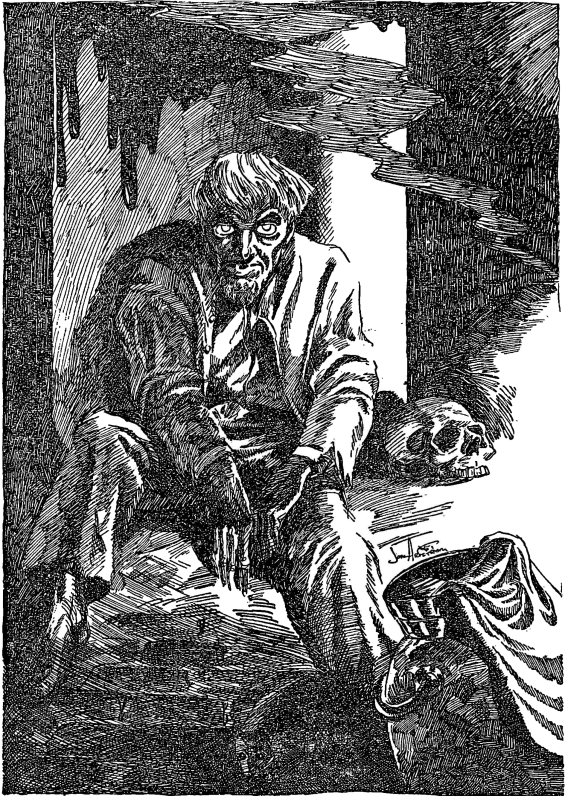
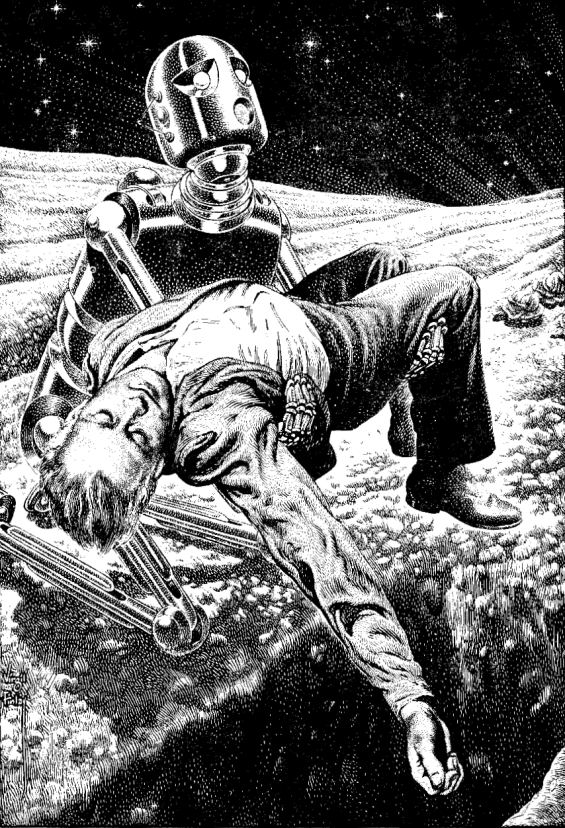
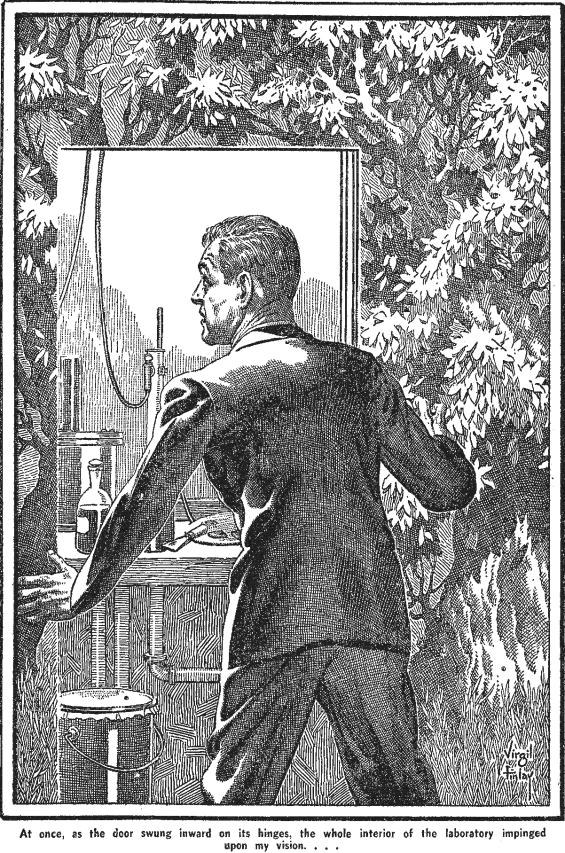
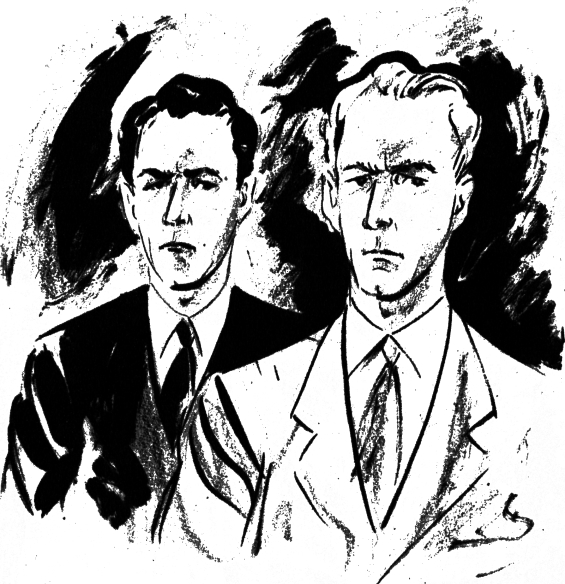
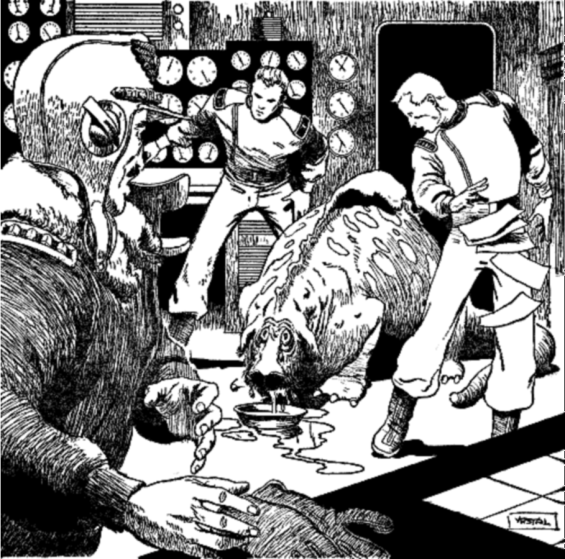
Robert Sheckley was a joker, a satirist, a poker of fun at all of the silliness in life. But there’s something more going on in this short short story from 1953. Sure there’s the existentialist angle, and of course there’s the requisite Sheckley humor, but it’s the other quality in Beside Still Waters that makes this Sheckley story a bit different. You can see it right there in the title (taken from Psalm 23 of the Hebrew Bible), and you can see it in the Virgil Finlay’s illustration for the story too:

Beside Still Waters by Robert Sheckley - Illustration by Virgil Finlay

Beside Still Waters is an elegiac tale, offering only a cup of sadness to the reader, it’s the sort of story that Clifford D. Simak might have written. And that should be recommendation enough.

LibriVoxBeside Still Waters
By Robert Sheckley; Read by Frank Malanga
1 |MP3| – Approx. 10 Minutes [UNABRIDGED]
Publisher: LibriVox.org
Published: November 28, 2010
When people talk about getting away from it all, they are usually thinking about our great open spaces out west. But to science fiction writers, that would be practically in the heart of Times Square. When a man of the future wants solitude he picks a slab of rock floating in space four light years east of Andromeda. Here is a gentle little story about a man who sought the solitude of such a location. And who did he take along for company? None other than Charles the Robot. First published in Amazing Stories Oct.-Nov. 1953.
|ETEXT|

And here’s the |PDF| I made from the original magazine publication.

Posted by Jesse Willis

The Shadow And The Flash by Jack London

SFFaudio Online Audio

The Shadow And The Flash by Jack London

Famous Fantastic Mysteries, June 1948 COVER - The Shadow And The Flash by Jack London

Famous Fantastic Mysteries, June 1948 - The Shadow And The Flash by Jack London

Here’s one of Gregg Margarite’s earliest narrations for LibriVox. Because it was so early it sounds like one of his more amateur recordings – mostly because Gregg reads it too fast. But one thing that didn’t really change, that needed no refinement, his skill at picking stories to record. This Jack London short story is fun Science Fiction. It’s about a pair of nearly identical, ferociously competitive, brothers. The tale was written in 1902, five years after The Invisible Man, by H.G. Wells, was published as a novel.

Indeed, the plot is rather … how shall I put this ? … familiar ? … with the The Invisible Man. But that’s okay as there’s a line aknowledging it by one of the brothers. At least it’s a hat-tip in that direction. But instead of one mad scientist as in Well’s novel, we have two in The Shadow And The Flash – in fact were they a pair of superheroes (or supervillains) that’d be each of their names (The Shadow and The Flash) as they get their powers from the way they approached the problem of invisibility – that is to say from opposite ends, as it were.

It was at about seven minutes in before the story really took off – here’s the part that grabbed me:

Lloyd warmed to the talk in his nervous, jerky fashion, and was soon interrogating the physical properties and possibilities of invisibility. A perfectly black object, he contended, would elude and defy the acutest vision.

“Color is a sensation,” he was saying. “It has no objective reality. Without light, we can see neither colors nor objects themselves. All objects are black in the dark, and in the dark it is impossible to see them. If no light strikes upon them, then no light is flung back from them to the eye, and so we have no vision-evidence of their being.”

“But we see black objects in daylight,” I objected.

“Very true,” he went on warmly. “And that is because they are not perfectly black. Were they perfectly black, absolutely black, as it were, we could not see them—ay, not in the blaze of a thousand suns could we see them! And so I say, with the right pigments, properly compounded, an absolutely black paint could be produced which would render invisible whatever it was applied to.”

“It would be a remarkable discovery,” I said non-committally, for the whole thing seemed too fantastic for aught but speculative purposes.

LibriVoxThe Shadow And The Flash
By Jack London; Read by Gregg Margarite
1 |MP3| – Approx. [UNABRIDGED]
Publisher: LibriVox.org
Published: March 12, 2009
A tale about two brothers who take different routes to achieving invisibility, as narrated by their best friend. First published in The Bookman, June 1903. Later published in The Windsor Magazine, October 1904, and in Famous Fantastic Mysteries, June 1948, Leoplan #502 (May 18, 1955).

Here’s The Windsor Magazine edition |PDF|, here’s the Famous Fantastic Mysteries edition |PDF|, and here’s a Spanish translation from Argentina’s Leoplan |PDF|.

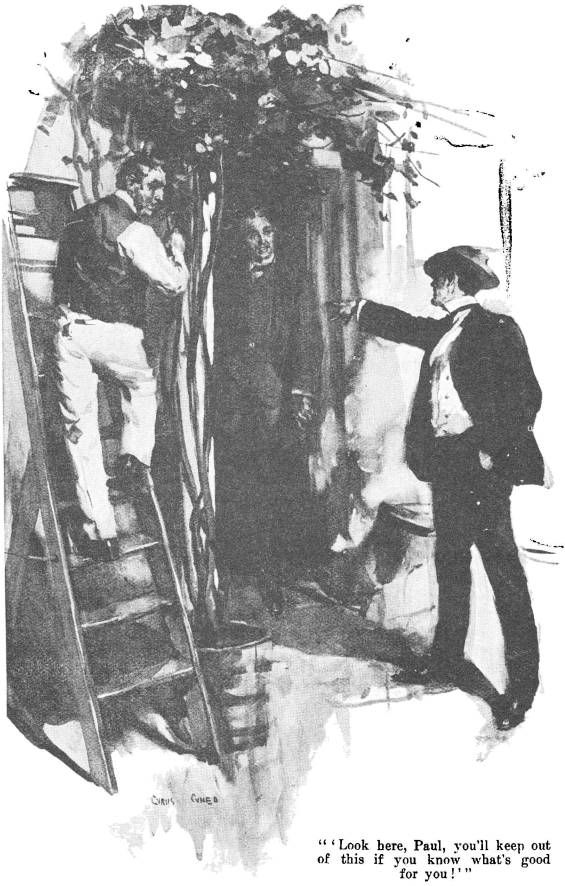
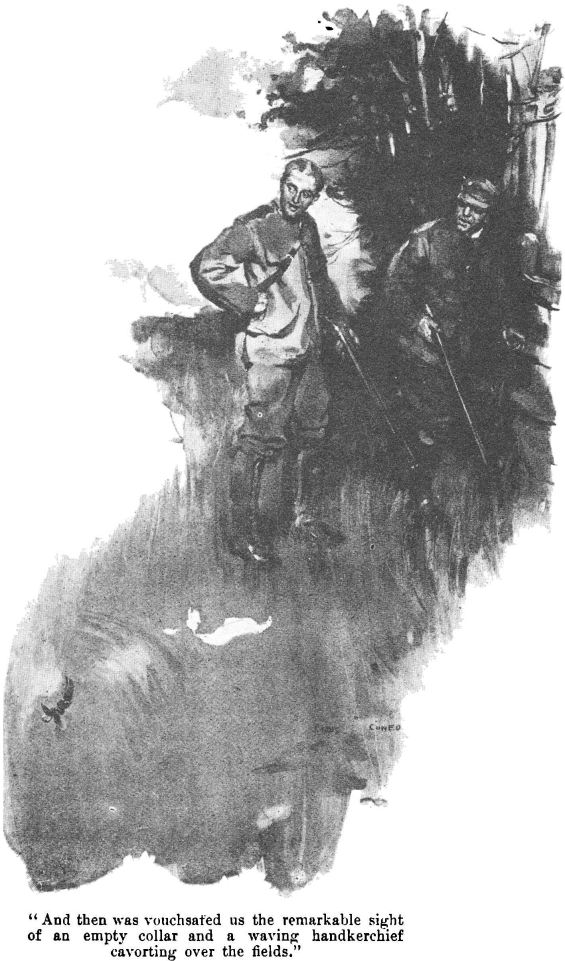
Illustrations from The Windsor Magazine publication:
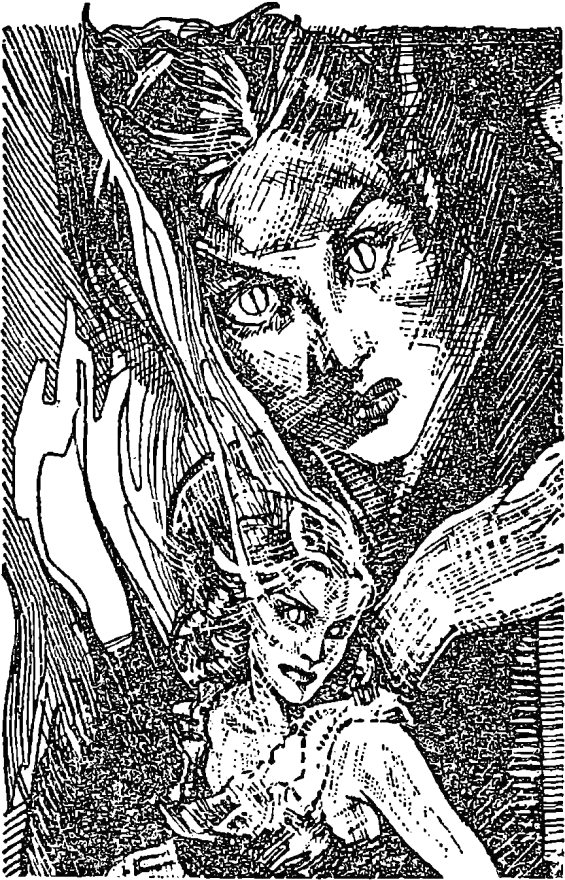
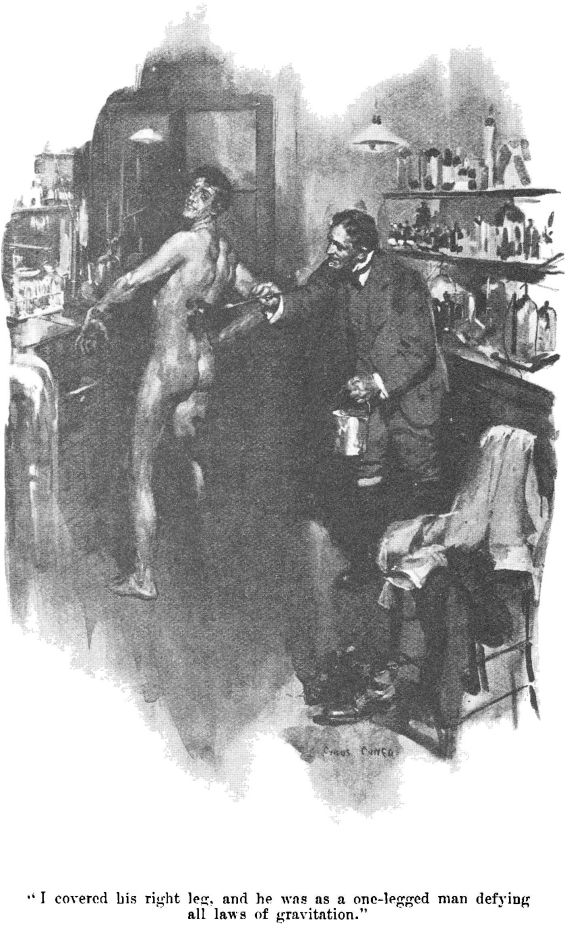
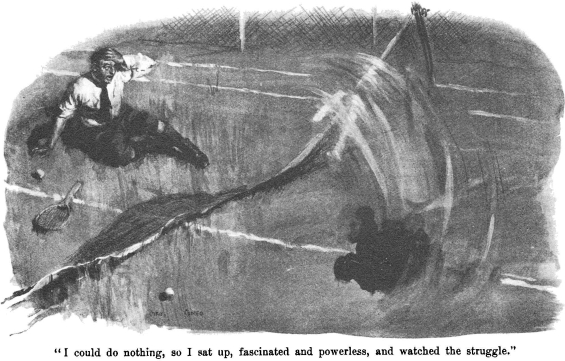
The Shadow And The Flash - illustration from The Windsor Magazine

Virgil Finlay’s illustration from Famous Fantastic Mysteries:
Famous Fantastic Mysteries, June 1948 - The Shadow And The Flash illustration by Virgil Finlay

Raul Valencia’s illustrations from LeoPlan 502:
The Shadow And The Flash - illustration by Raul Valencia

Posted by Jesse Willis

StarShipSofa: The Truth Is A Cave In The Back Mountains by Neil Gaiman

SFFaudio Online Audio

StarShipSofaSFFaudio EssentialThe latest StarShipSofa podcast, episode #232, features Neil Gaiman‘s 2010 novelette The Truth Is A Cave In The Back Mountains as its “main fiction.” The narrator is Richie Smith and the story begins at about 12 minutes in.

|MP3|

Podcast feed: http://www.starshipsofa.com/feed

iTunes 1-Click |SUBSCRIBE|

There are few words that can get me as excited about a story as “Neil Gaiman” – he’s one of only a handful of living writers that’ll make me read anything he writes.

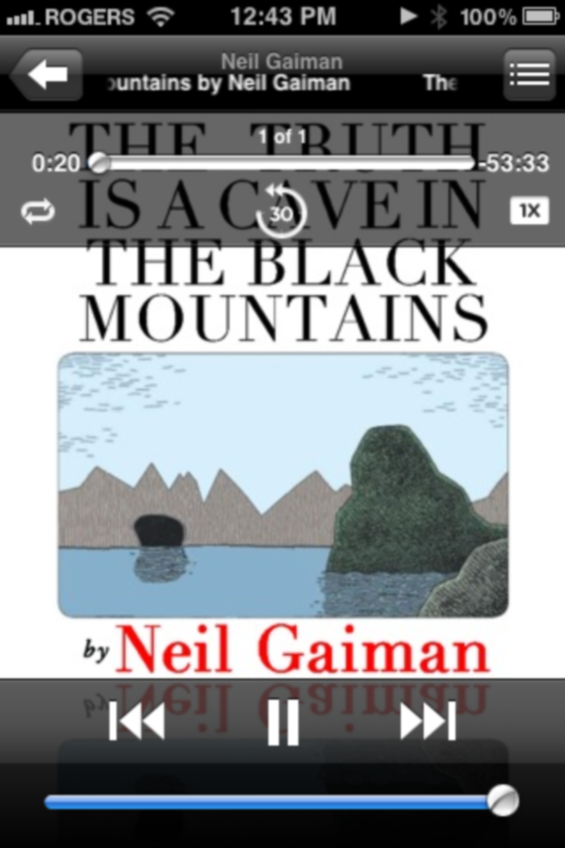
And when a story gets podcast I tend to go a little crazy, extracting the narration from any framing bits within the podcast, running that extracted audio through Levelator, and making my own art for the resulting MP3. Like this:

iPhone Screenshot of THE TRUTH IS A CAVE IN THE BLACK MOUNTAINS by Neil Gaiman

I took the original cover art by the wondrous Tom Gauld from the collection (Stories) where the novelette first appeared, photoshopped it (actually Paint.neted it), used MyFont.com’s “What The Font” feature to find the font (Didot LTStd-Roman), and put it all together.

Looking at it from the outside, it probably sounds completely bonkers to you. And perhaps it is.

But what can I do?

The medication that I’ve been taking for it (two carefully measured cups of coffee every morning) aren’t reducing the behavior in the slightest. Do you think I should up my dosage?

Update: Having now finished listening, I find The Truth Is A Cave In The Back Mountains to be yet more proof that Neil Gaiman is one of the best authors of any century. What Ted Chiang is to Science Fiction Neil Gaiman is to Fantasy.

Posted by Jesse Willis

Beyond Lies The Wub by Philip K. Dick

SFFaudio Online Audio

There’s probably always going to be a place in my heart for Philip K. Dick’s Beyond Lies The Wub. It was my first PKD short story. It’s very short and usually runs just over fifteen minutes read aloud – which I frequently do. And even though Dick claimed only to have been paid $15 for it*, I find it absolutely invaluable.

I’ve felt that way from the very first time I heard it, back in 2006. The narrator, Mac Kelly, delivered the story at a measured pace that really sang the story to me.

Since then I’ve become even more enamored with Gregg Margarite’s rendition, recorded for LibriVox in 2009.

And that’s the one I’d like to share with you. I share it with you now, but you can share it with your friends too because, not only is the story public domain, the audiobook itself is too!

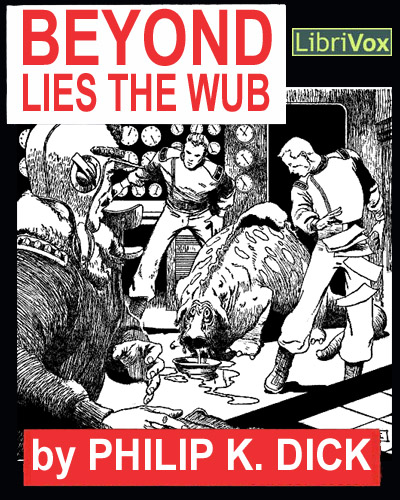
LibriVox - Beyond Lies The Wub by Philip K. DickBeyond Lies The Wub
By Philip K. Dick; Read by Gregg Margarite
1 |MP3| – Approx. 16 Minutes [UNABRIDGED]
Publisher: LibriVox.org
Published: May 4, 2009
|ETEXT|
The slovenly wub might well have said: Many men talk like philosophers and live like fools. First published in Planet Stories, July 1952.

Planet Stories, July 1952 - TABLE OF CONTENTS BANNER

Planet Stories, July 1952 - Beyond Lies The Wub by Philip K. Dick - Page 69

Wub illustration from Planet Stories, July 1952

And here’s a combination of the narration with the magazine scans:

Posted by Jesse Willis

*As reported in Dick’s introduction to the story in First Voyages, a 1981 anthology of the first published short stories by famous SF authors.

The SFFaudio Podcast #154 – AUDIOBOOK/READALONG: An Occurrence At Owl Creek Bridge by Ambrose Bierce

Podcast
An Occurrence At Owl Creek Bridge
By Ambrose Bierce
The SFFaudio PodcastThe SFFaudio Podcast #154 – Scott, Jesse, Tamahome, Mirko and David Stifel talk about An Occurrence At Owl Creek Bridge by Ambrose Bierce (read by Bob Neufeld for LibriVox).

Talked about on today’s show:
The Devil’s Dictionary, comic irony, an American classic, German drama, Famous Monsters Of Filmland, Sleep No More, Nelson Almstead, The Twilight Zone, The Outer Limits, One Step Beyond, civil war stories, quantum mechanics, The Damned Thing, the genres: horror, ghost, “weird”, “weird war”, “dream”, or SUSPENSE, alternate reality, why is An Occurrence At Owl Creek Bridge so popular with high-school English teachers?, time perception, not-SF, “the man who was engaged in being hanged”, passivity, “go for it hands”, “a dream story”, David used to have out of body dreams, “stream of consciousness”, subjectivity, Henry James, the radio drama adaptations (Escape, Suspense, CBS Radio Mystery Theater),

“Each year thousands of short stories roll out from a multitude of typewriter, march across the pages of our magazines toward well deserved oblivion. Few are memorable, fewer still are classics. They pass the time and are forgotten even before the paper on which they are written is reduced to black ash. But occasionally a story is written that is a true classic, an unforgettable tale.”

astral projection, H.P. Lovecraft, Accessory Before The Fact by Algernon Blackwood, near death experience, Bierce’s headwound, Sigmund Freud, A Dream Play by August Strindberg, The Horla by Guy de Maupassant, the driftwood, the slowdown of time, it’s a mystery story, a million blades of grass, infinite detail and infinite depth, Isaac Asimov, The Turn Of The Screw, The Twilight Zone version (which was a French short film), what’s with the corporal?, of the body, a hidden pun or joke, it was a setup, a great suspicion of death or dying, the kicking legs = running, unconscious insight result in surprise and relief, the tongue, wish fulfillment, the suspicion begins, naturalistic interpretation, Igor (Son Of Frankenstein), the history of hangings, botched hangings, popping heads, Hang ‘Em High, Braveheart, can it be truly spoiled?, war,

“Death is a dignitary who when he comes announced is to be received with formal manifestations of respect, even by those most familiar with him. In the code of military etiquette silence and fixity are forms of deference.”

constitutional rights, the Alfred Hitchcock Presents adaptation, The Twilight Zone short film version, HuffDuffer, CBS Radio Mystery Theater adaptation, “it’s best read”, an audio drama adaptation, impressionism, mapping back, additional scenes, a water moccasin, narration, is it a miracle that the rope breaks, a heavenly Eden like land, gates, Sergei Bondarchuk’s War And Peace, Leo Tolstoy, altered state, (The Crawling Chaos), sex choking, speculative fiction, life passing before you, the telescoping of time, remembering the classics, 100,000 high school teachers, one of the most podcast short stories, O. Henry stories are cute, an existential story, “trapped in a world he never made”, an exegesis.

From Eerie Magazine #23

An Occurrence At Owl Creek Bridge - Illustration from Smith's Weekly, March 12, 1938

Posted by Jesse Willis

The SFFaudio Podcast #153 – AUDIOBOOK/READALONG: Small Town by Philip K. Dick

Podcast

The SFFaudio PodcastThe SFFaudio Podcast #153 – Small Town by Philip K. Dick, read by Gregg Margarite. This is a complete and unabridged reading of the short story followed by a discussion of it with Jesse, Tamahome, and Gregg Margarite!

Of Small Town Philip K. Dick wrote:

“Here the frustrations of a defeated small person — small in terms of power, in particular power over others — gradually become transformed into something sinister: the force of death. In rereading this story (which is of course a fantasy, not science fiction) I am impressed by the subtle change which takes place in the protagonist from Trod Upon to Treader. Verne Haskel initially appears as the prototype of the impotent human being, but this conceals a drive at his core self which is anything but weak. It is as if I am saying, The put-upon person may be very dangerous. Be careful as to how you misuse him; he may be a mask for thanatos: the antagonist of life; he may not secretly wish to rule; he may wish to destroy.”

Talked about on today’s show:
Gregg is getting better at girls, girls are always questioning you, horror, urban fantasy, The Twilight Zone, Science Fiction, Fantasy, Rod Serling, paranoid Verne Haskell, a lead quarter, the redistribution of wealth, playing god, “…and he rested and he made a sandwich”, god games, SimCity 2000, churches can’t be stopped, Microcosmic God, “shoved into the next dimension”, is it slipstream?, Stopover In A Quiet Town, transformers are the science, diorama, the train doesn’t run them over, “moral”, “extremely moral”, train guys, Lego, erector sets, Lincoln Logs, Meccano, matchbox cars, small towns can be hell, comic book stores, “urbane-al-ity”, is Verne the god of Woodland?, pet shops and mortuaries, little man, SFSignal’s Sword And Sorcery Panel suggest characters should be the focus, “Finished!”, world warping, John Carter, handwavium, “make out”, Beyond The Door, Dick’s faithless women, Clans Of The Alphane Moon, how risque were SF mags in the 1950s?, San Fransisco, Silvia is one of Dick’s most common female character names, a life sized diorama, The Tell Tale Heart, The Days Of Perky Pat, The Three Stigmata Of Palmer Eldritch, the game of Life, Barbie, chew-z, the documentary Marwencol (2010), “he wants love”, Mark Hogancamp’s world is open, living in a real dream world, Deja Thoris has a time machine, Jeff Malmberg, A Clockwork Orange, adding layers, “well done Jeff”, R. Crumb, Blade Runner‘s androids take photographs to take memories, “reality and consciousness are fluid constructs”, crazy vs. differently enabled, Esopus magazine, a world without irony, authenticity, people are complicated, Greenwich Village, cross-dressing, WWII.

Small Town by Philip K. Dick second publication in the April 1967 issue of Amazing Stories

Marwencol

Posted by Jesse Willis