News, Reviews, and Commentary on all forms of science fiction, fantasy, and horror audio. Audiobooks, audio drama, podcasts; we discuss all of it here. Mystery, crime, and noir audio are also fair game.
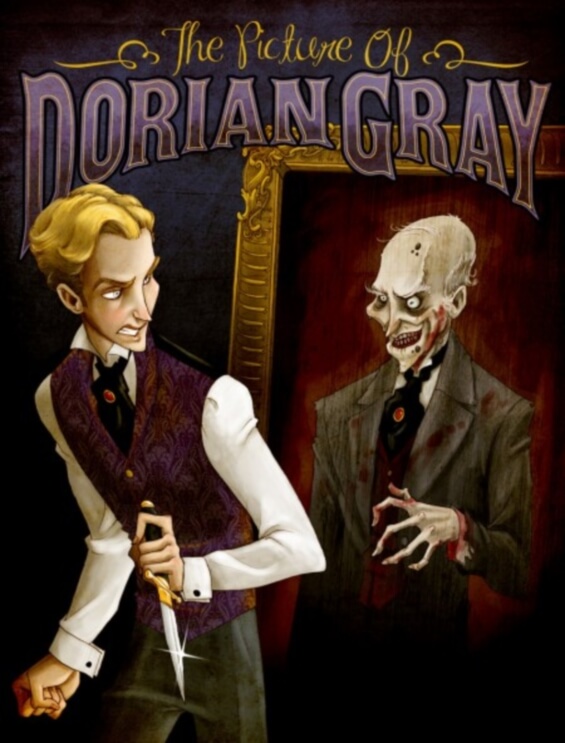
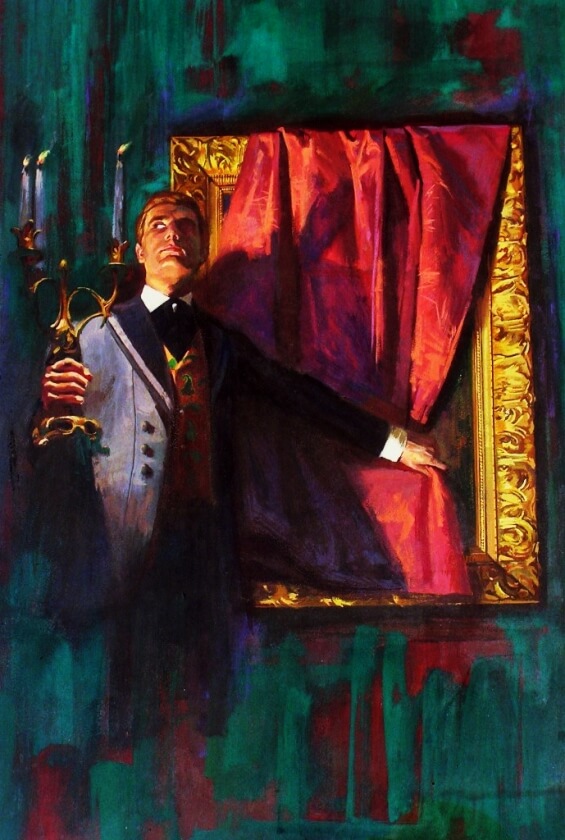
The SFFaudio Podcast #333 – The Picture Of Dorian Gray by Oscar Wilde. Participants in the discussion include Jesse, Julie, Seth, and Rose.
Talked about on today’s show:
the 1891 version, the 1890 version, Heather Ordover‘s reading of The Picture Of Dorian Gray, a rich odor of lilac, a saddle-bagged divan, Mark Twain’s A Double Barrelled Detective Story, making fun of somebody, a single esophagus, elaborate descriptions, oriental texts, the monotony and tedium of this kind of life, Lord Henry’s epigrams, entertainment vs. a savage critique of society, the dark side, being clever vs. delving deeper, Basil, sin, vanity, a Faustian pact, eternal beauty, beauty as inspiration, don’t say such things in front of Dorian!, the preface, epigrammatic writing, the trial, celebrity, the libel lawsuit, Basil’s trip to France, giving in to the senses, the decadent movement, turns of phrase, the cost of everything and the price of nothing, little witticisms, art and artists, the Gothic parts, those who find ugly meanings in beautiful things, taking the preface seriously, Edgar Allan Poe, should I take this seriously, the decline of the epigrammatic novel, linguistic sophistry, “all influence is immoral”, being immoral is fine, the seven deadly virtues, The Hound by H.P. Lovecraft, a wizard’s medallion, so full of ennui, St. John is a mangled corpse, devastating ennui, only the somber philosophy of the decadents, Baudelaire, that detestable course, Lovecraft’s response to what Wilde was responding to, the Black Museum, voluminous black hangings, the uncovered grave, just like Dorian Gray, another literary connection, The Great Gatsby, skeletons in his closet, the critic and the spectator, all art is quite useless, putting too much into art, the lowest form of art, Lord Henry never involves himself, Wilde can’t adhere to his own philosophy, putting yourself into art, the yellow covered book, he was poisoned by a book, swayed by everything, the book argument, Sibyl Vane, Juliet, Imogen, Viola, perpetuating Basil’s error, lots of cool things in it, the jewels and the clothing and the fabric, Renaissance poisonings, evil as a mode to realize the beautiful, so many good things to like, Sibyl Vane as a reflection of Dorian Gray, reflected suicide, Vane as a triple entendre, killed by her grease paint, the Yellow Book, Jesse loves intertextual things, À Rebours by Joris-Karl Huysmans, ten bound copies bound in different colours, double the amount of orchids and no white ones, every flavour of feeling and experience, indulging in every kind of experience, living your life as a piece of art, the Yellow Book rebound for every mood he was in, camouflage, yellow as code for gay, the yellow nineties (the 1890s), adding a layer, To Kill A Mockingbird, 1894, The Yellow Book (magazine), 1895, The King In Yellow by Robert W. Chambers, symbolism of artistic movements, the vane family, Dorian as a byproduct of melodrama, an allegory for artistic movements, a reaction to Victorianism, reveling in immorality, a sin of thoughtlessness, eventually all that’s left is evil, the rage of Caliban, this is a really important book, the deal with the devil, super-realistic, a very constructed book, making a very real point, the second time Caliban comes up, the Lipincott’s version, the critics mostly savaged the book, then the preface as a standalone defense, the volume publication, edits, the second appearance of Caliban, The Tempest by William Shakespeare, Miranda, the beginning of chapter 7, the Jewish manager, The Horror At Red Hook, racism, a pompous humility, going bankrupt over a poet, anti-semitism, making fun of Charles Dickens, is it just Dorian Gray that’s racist?, the most amazing waistcoat, gorgeous servility, behind the scenes, the “Bard”, you can’t trust anything Lord Henry says, private letters, Dorian Gray starts to resemble in his interests and his appearance the Jew manager, ugly on the outside, overly dramatized servility, Mrs. Vane’s words, indentured servitude or genuine theatrical enthusiasm, wanting Sibyl Vane to succeed, you can’t trust appearances, the chapter about jewels, cloth, Dorian Gray is obsessed with exterior appearance, Fitz-James O’Brien’s The Diamond Lens, a microscopist, what you need is a diamond for your microscope, it doesn’t count, casual racism, this is why we cannot censor books, “man” instead of “Jew”, the hideous man in an amazing waistcoat, re-reading Uncle Tom’s Cabin by Harriet Beecher Stowe, we love them, in one letter, a massacre of Jews, Wilde loves to shock, Basil is who Oscar Wilde sees himself as, artists pouring things in to books that they can’t themselves see, an accumulated spackle (of censorship), Geoffrey Chaucer, Julie’s movie group, Philomena, what are we doing?, putting a taboo on looking at power, horrible corruption, Basil’s murder, first time reads, Lord Henry’s wife is named Victoria, why it isn’t called a “portrait” of Dorian Gray, The Oval Portrait by Edgar Allan Poe, “It’s perfect!”, The Canterville Ghost as a redemptive and sweet story, an obvious homage to Mr Hyde from Strange Case Of Dr Jekyll And Mr Hyde by Robert Louis Stevenson, how do you balance, looking at temptation, starting in a garden, the poison of the book, Henry is wreathed in smoke [like Satan!], something with strawberries, if this is a Faustian tale…, the issue we all deal with all of the time, The Long Conversion Of Oscar Wilde, flirtations with Catholicism, 1888, the very first book where spoiler applied is Strange Case Of Dr Jekyll And Mr Hyde, we know about the painting, the scientist friend should have been named Dr Jekyll, Jesse watched almost every movie version, I need my equipment…I hate you, a later suicide, this book applies to the entire Victorian society, saying the same thing a different way, Sherlock Holmes, 1891, The Yellow Wallpaper, 1892, The Time Machine, 1897, Dracula, The Island Of Dr Moreau, 1899, Heart Of Darkness, will the books of this decade be remembered in 120 years?, The Rosie Project, Fifty Shades Of Dorian Gray, are we sympathetic?, nudges, and the audio drama, will you stay tonight, the 1945 film version is very good and faithful, the use of color, fifty shades of silver, 1973 TV movie version (is on YouTube), Dark Shadows, Angela Lansbury as Sibyl Vane, 1976 version, Jeremy Brett as the painter, the 2009 horror movie version is horrible, Colin Firth, the niece, every Dorian Gray is handsome, too handsome, why is no one asking about his youthful appearance?, diet or exercise, male Dorian Grays, the Selfie Of Dorian Gray, modern gender views, really quite gay, Wilde, Stephen Fry, Wilde’s children and wife, the term “homosexual”, indecency.
The SFFaudio Podcast #332 – The Picture Of Dorian Gray by Oscar Wilde, read by Bob Neufeld.
This UNABRIDGED AUDIOBOOK (9 hours 23 minutes) comes to us courtesy of LibriVox.
The Picture Of Dorian Gray was first published in the July 1890 issue of Lipincott’s magazine, and then in 1891, in an expanded and revised edition. This audiobook is made from the latter publication.
The next SFFaudio Podcast will feature our discussion of it!
The SFFaudio Podcast #311 – Ethan Brand by Nathaniel Hawthorne; read by Fred Heimbaugh. This is an unabridged recording of the story (44 minutes) followed by a discussion of it. Participants in the discussion include Jesse, Julie, Seth, and Rose.
Talked about on today’s show:
The story as a “culminate chapter” to an unfinished novel; H.P. Lovecraft’s description of the story in his essay on supernatural fiction (see our Podcast of the Seven Gables); Ethan Brand as Byronic (anti)hero; Nyarlathotep by H.P. Lovecraft; the uncanny nature of laughter; Hawthorne’s Biblical allegory; “Puritans and sin, they go hand in hand”; Ethan Brand and Adam’s search for forbidden knowledge; the almost-total absence of women in the story; the vices of the townspeople in the story; Hawthorne’s regret of the Salem witch trials; parallels to House of the Seven Gables; Hawthorne’s sense of humor; similarities to Goethe’s Faust; the Jew and his picture box; how the Holocaust ruined our reading of literature; what exactly does Ethan Brand see in the picture box?; the biblical story of Job; the intersection of sin and evil; the sin of suicide–can it be absolved?; the ambiguity of the final laughter; morality vs. intellect; the multifaceted symbolism of the story’s final image; association with Cain and Abel; double meaning of the name Brand; the internal nature of Brand’s sin; the image of girls running off to join the circus is apparently timeless; The Heart of Ethan Brand 1944 radio drama by Weird Circle; is redemption possible?; relics, iconoclasm, and capitalism; fruitlessness of pursuing knowledge; the story’s roots in Hawthorne’s experience; staring into fire; the audio drama’s departure from evil; “Jesse does not eat babies–or even veal.”; using people as a means to an end; degrees of evil; the sin of pride; Paradise Lost; Rappaccini’s Daughter; the story’s measured tone; Sinners in the Hands of an Angry God; Dombey and Son; the dog chasing its tail; unconditional love; the alternate pronunciation of “kiln”; parallels in Oscar Wilde’s The Picture of Dorian Gray; contradictions in story’s final image; white as image of purity in Oscar Wilde’s The Happy Prince and other fairy tales; phantom limbs; more on The Happy Prince, The Selfish Giant, The Centerville Ghost by Oscar Wilde; the power of audiobooks; “hair-raising image of corruption”; Ethan Brand as a novel.
The SFFaudio Podcast #255 – The Repairer Of Reputations by Robert W. Chambers; read by Mark Turetsky. This is a complete and unabridged reading of the short story (1 hour 25 minutes) followed by a discussion of it. Participants in the discussion include Jesse, Mr Jim Moon, and Mark Turetsky!
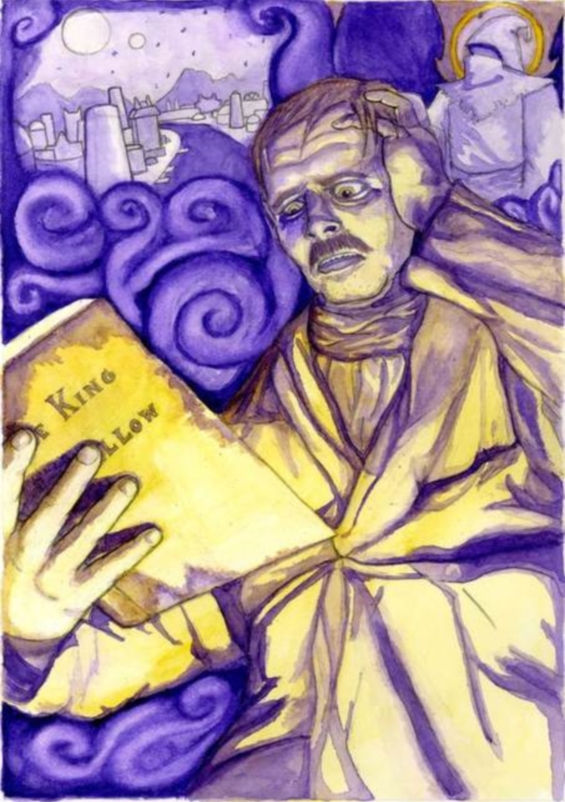
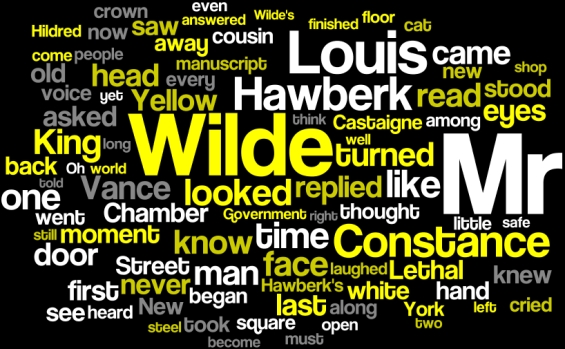
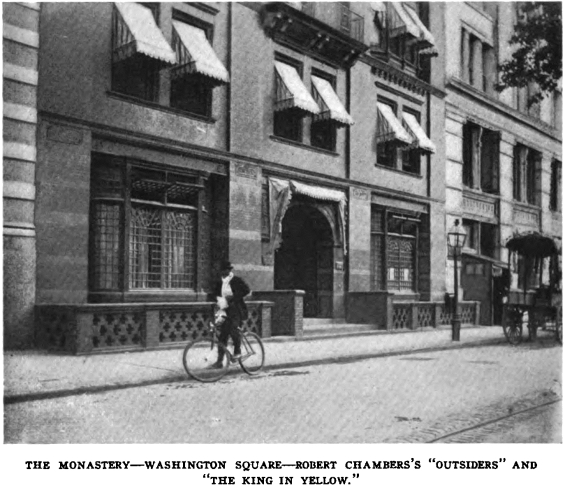
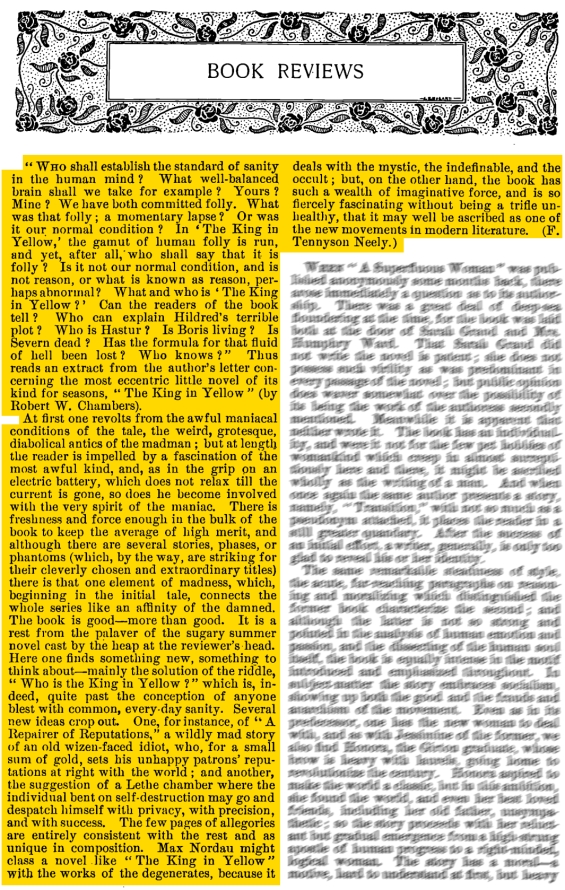
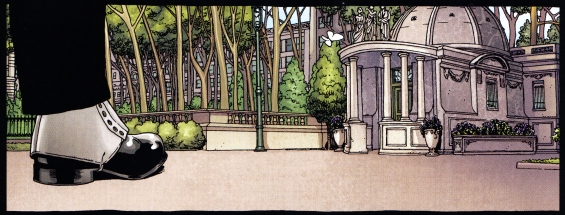
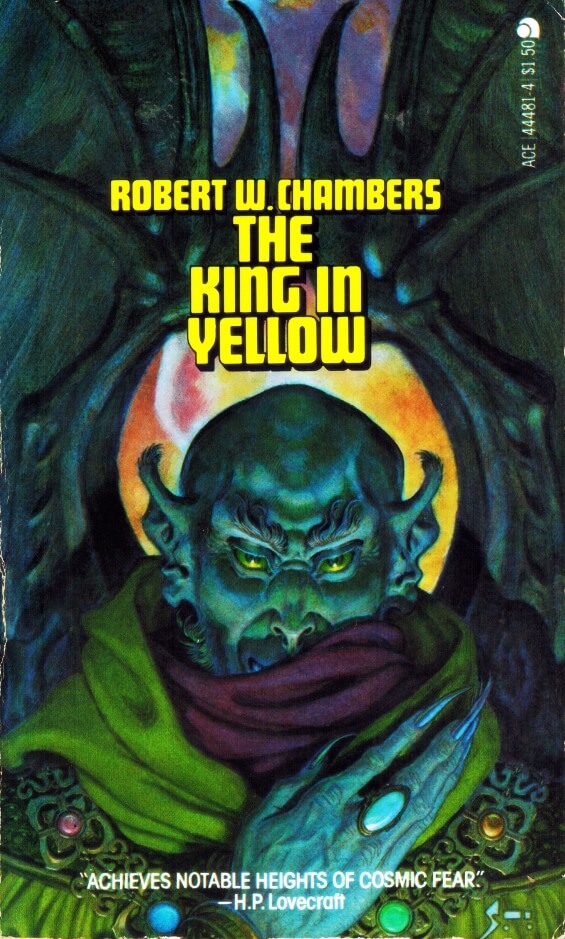
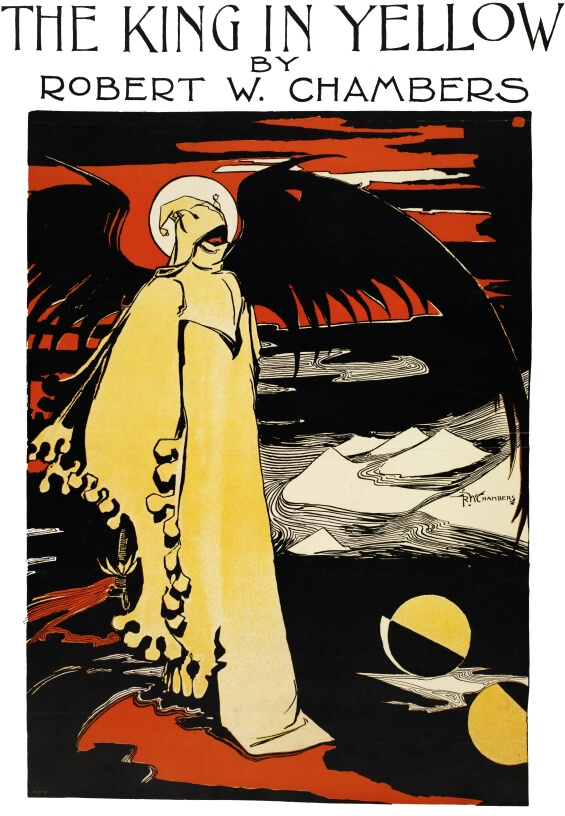
Talked about on today’s show: The King Of Yellow, 1895, novelette, the connections between the stories, Cynthia, the coda, The Mask, Paris, the lethal chamber (a suicide booth), the Fates, revision of judgement, questioning the reader’s sanity, The Yellow Sign, Hildred Castaigne, the future setting (or lack thereof), the statue of Garibaldi (at Washington Square Park), the Carcosa Mythos, weird tales, weird romances, New York City, Mr. Wilde, Hawberk, Dr. Archer, the geography of Washington Square, the elevated train, a subway entrance (as a death chamber), the Wikipedia entry, Futurama (and New New York), a bohemian place, NYU, why is everything militarized?, what’s with the jingle of metal?, the expansion of the American Empire, “citation needed”, dragoons, hussars, lancers, the Prussian style, New Jersey, the texture of the fantasy future, a courtly atmosphere, colouring psychosis, a Napoleonic fascist sate, the meta-fictional nature of The King In Yellow, the Cthulhu Mythos vs. the Yellow Mythos, a surrealist existential nightmare, a fall from a horse, “he’s in the biscuit box”, it’s not horror, weird fiction, Ambrose Bierce, Science Fiction, science, the pinnacle of technology is a dreadnaught, The Structure Of Scientific Revolutions by Thomas Kuhn, Copernicus, Ptolemy, Galileo, the Moons of Jupiter, we’re living in a paradigm, a time of scientific flux, modern atomic theory (and The Mask), H.P. Lovecraft’s cosmicism, Steve Job and the “reality distortion field“, a social reality, Mr. Wilde’s career is the ability to distort social reality, “Napoleon, Napoleon, Napoleon”, Charlemagne, George Bernard Shaw: “The reasonable man adapts himself to the world; the unreasonable one persists in trying to adapt the world to himself. Therefore, all progress depends on the unreasonable man.“, Emperor Norton, California, Ambrose Bierce, “A sure sign of a genius is that all of the dunces are in a confederacy against him.”, the Hawberk (aka the Duke of Avonshire), the Metropolitan Museum, why does Louis visit Hildred?, the lethal chamber is central to the action, under the thrall of the Yellow Sign, Who Knows? by Guy de Maupassant, insanity and isolation, how is Hildred employed?, how Schizophrenia works, going along with the delusion, what is the significance of the cat?, the crisis comes when the cousin has to move, the crush on Constance, the anti-story nature of the work, the unreliable narrator (not Mark!), “suspension of disbelief”, Samuel Taylor Coleridge (and the old romantic poets), a reaction against science, are the ships real?, aren’t the ships and cavalry set up as a Chekov’s Gun that will go off?, internal inconsistencies, how old are the characters?, Hildred vs. Louis, the statue of General Sheridan, Académie Julian, artists and prostitutes and models, The Mask by Robert W. Chambers, what photography did to painting, impressionism, disruptive ideas, the homunculus, the missing fingers, the damaged ears, Mr. Wilde’s manuscript is the story we’re reading!, is the Chamber is a reference to Chambers himself?, The Street Of The First Shell by Robert W. Chambers, the siege of Paris (during the Franco-Prussian War), Two Fishers by Guy de Maupassant, the Benedict (80 Washington Square East), HBO’s True Detective and the connections to The King In Yellow by Robert W. Chambers, detecting reality (and identity), the purple ears vs. pink ears, how does repairing reputations work?, Hildred’s reputation, a Strangers On A Train-esque clearing house for murder, Scandal (we haven’t seen it), Osgood Oswald Vance, crouching, who killed Mr. Wilde?, the cat did it!, the cat must be symbolic, Oscar Wilde and The Yellow Book, a web of fantasies, “folie à deux”, ‘don’t make fun of crazy people because their folly lasts longer than our own’, we don’t have perfect access to reality, WWI, a social reality vs. a harsh physical reality of artillery, madman vs. a fool, craziness vs. folly, Omar Khayyám, Act 1, Act 2 will make you insane, densely packed with world and incidence, revolutionary science, speculation, no Shyamalan twists please, Cohle and Hart, precedents for a twelve year gap, Battlestar Galactica, Vikings, Rome, Lost, it won’t be a happy ending, suicide is hugely important in both stories, ‘death is not the end’, back to the cat, The Street Of The Four Winds by Robert W. Chambers, cats, dark magic, evil omens, The Black Cat by Edgar Allan Poe, No mask?, Stefan Rudnicki talking about The King In Yellow, the “pallid mask”, is it a skull?, Boris, the face in the fates, the bird on the statue, a jigsaw puzzle, “the long arm of The King In Yellow reaches forward and backward in time and space”, David Lynch’s Lost Highway, is Mr. Wilde real at all?, a very readable book, stylistically it’s surprising modern, the artisty milieu, a freshness, “beware of The King In Yellow“.
The SFFaudio Podcast #181 – The Beckoning Fair One by Oliver Onions, read by Julie Davis (of Forgotten Classics and A Good Story Is Hard To Find). This is a complete and unabridged reading of the novella (2 Hours 40 Minutes) followed by a discussion of it. Participants in the discussion include Scott, Jesse, and Julie Davis!
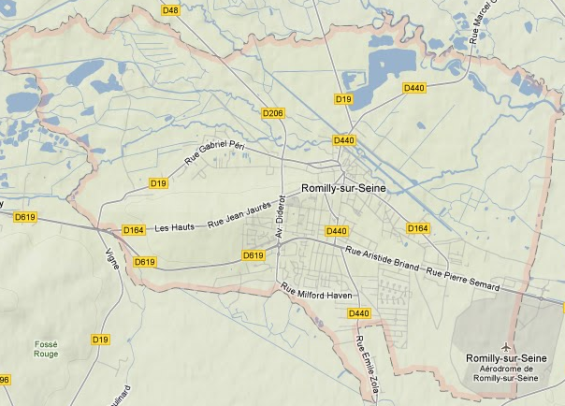
Talked about on today’s show: Yay!, Scott has another busy year, The Odyssey, Beowulf, length vs. content, is The Beckoning Fair One too long for it’s material?, modern colloquial terms (for 1910), Stephen King, The Forbidden Books Group Presents, Necronomipod: The Lair Of The Bookish Worm did a podcast discussion of The Beckoning Fair One, The Shining, writer protagonists, Bag Of Bones, The Haunting Of Hill House by Shirley Jackson, The Turn Of The Screw by Henry James, surprise endings, ambiguity, a writer’s point of view, Julie’s sister can see ghosts, now is the time in the podcast for a personal ghost story, the ghosts of Logan, Utah, troubled or troublesome nuns, are ghostly experiences possible during the daylight?, doppelgänger, an urban phenomena, a haunted hotel room, a vivid vision of a drowning, a disappearing maid, nightmares, a premonition, Christine, why are there no haunted beach?, haunted cars, gremlins, hiking, a haunted hiking trail, machete vs. axe, ‘there’s something wrong with that bedroom’, there’s something wrong with that, the ontological argument, House, M.D., between the ultraviolet and the infrared, a great title, the dripping of a faucet, The Sarah Bennett Quintet, suicide, Oleron is unconscious of the things that he’s conscious of, who’s sleeping in my bed?, a ghostly brushing, “he wakes up to himself”, a harp cover, Oléron is an island in France, and Romilly is a city in France, is the house playing him like a harp?, the final chapter, Jesse’s not super swift, a shut in, vegetable refuse, wig-stands, a large lumpy pudding, the recurring “triangle”, it has esoteric meaning to Freemasons, how did Elsie end up in the closet?, “you get to decide”, an alternative suspect, the tramp in the basement, the Hobo marks, “don’t push the religious angle”, firemarks (fire insurance marks), starving artists, why men have to get married, a Jonathan Swift shout-out, Elsie had a Brobdingnagian complexion, “I need you and I want you to marry me.”, sticking with the spooky, maybe Julie’s in an insane asylum?, Community, Red Dwarf is an excellent Science Fiction show, The Booth At The End, H.P. Lovecraft, Dagon, The Colour Out Of Space, The Statement Of Randolph Carter, The Dunwich Horror, amorphous horror, a gelatinous voice, Gregg Margarite, The Facts In The Case Of M. Valdemar by Edgar Allan Poe, this podcast is making me hurry for rosewater pudding, The Sixth Sense, Signs, Joaquin Phoenix, The Master, Baron Münchhausen, The Takeaway Movie Date, The Big Book Of Ghost Stories edited by Otto Penzler, Donald E. Westlake, the ghost of the paperback, Jesse has a guardian angel?, Parker, Jason Statham is a modern action movie star like they had in the 1980s, The Bank Job, Anarchaos by Curt Clark (aka Donald E. Westlake), Smoke, Humans, Firebird by Jack McDevitt, Will Duquette, Hans Christian Andersen, Oscar Wilde.
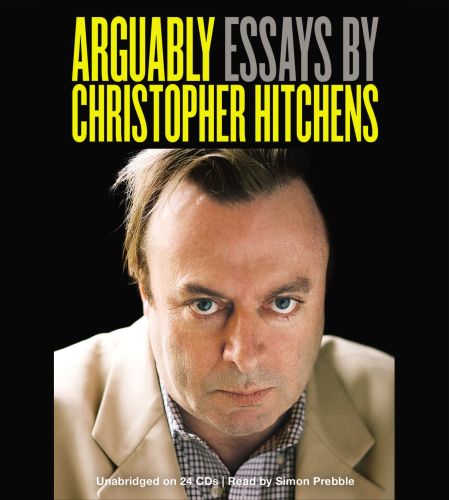
Arguably: Essays
By Christopher Hitchens; Read by Simon Prebble
24 CDs – Approx. 28.5 Hours [UNABRIDGED]
Publisher: Hachette Audio
Published: September 1, 2011
ISBN: 9781611139068
Themes: / Non-fiction / History / War / Biography / Science Fiction / Fantasy / Iran / Afghanistan / Germany / North Korea / France / Dystopia / Utopia / Religion / Tunisia / Piracy / Terrorism / Feminism / Pakistan /
The first new collection of essays by Christopher Hitchens since 2004, Arguably offers an indispensable key to understanding the passionate and skeptical spirit of one of our most dazzling writers, widely admired for the clarity of his style, a result of his disciplined and candid thinking. Topics range from ruminations on why Charles Dickens was among the best of writers and the worst of men to the haunting science fiction of J.G. Ballard; from the enduring legacies of Thomas Jefferson and George Orwell to the persistent agonies of anti-Semitism and jihad. Hitchens even looks at the recent financial crisis and argues for arthe enduring relevance of Karl Marx. The audio book forms a bridge between the two parallel enterprises of culture and politics. It reveals how politics justifies itself by culture, and how the latter prompts the former. In this fashion, Arguably burnishes Christopher Hitchens’ credentials as-to quote Christopher Buckley-our “greatest living essayist in the English language.”
Here’s a question I was thinking about while listening to Arguably.
What is fiction for?
One answer, the bad one, is that it’s for entertainment. That’s certainly where many readers are willing go, and the fiction writers who write it too. Maybe that’s precisely why so much fiction is just so very shitty.
To me, if you aren’t exploring ideas in your fiction, then you really aren’t serving a greater purpose. Idea fiction, fiction with ideas rather than just action and plot, is to my mind a kind of supplement to the wisdom found in writings on history, biography and science.
Of the many lessons learned I in listening to the 107 essays in Arguably I was particularly struck by the wisdom Christopher Hitchens gleaned from his reading of fiction. Hitchens reviews many books in this collection, nearly half of the essays are book reviews. Books like 1984, Animal Farm, Flashman, The Complete Stories Of J.G. Ballard, Our Man In Havana, and even, surprisingly, Harry Potter And The Deathly Hallows all get fascinating, critical, and reverent reviews.
Yet Hitchens also takes the lessons with him into his writing about his travels. Hitchens writes about visits to such places as North Korea, Cyprus, Afghanistan, and Kurdish Iraq. When talking about his visit to Beirut we see what comes when Hitchens, a man of ideas, acts upon them. The essay, The Swastika and the Cedar sees the convictions of the commited anti-fascist Hitchens beaten and nearly kidnapped for an act of vandalism on a prominently displayed swastika. Writes Hitchens:
“Well, call me old-fashioned if you will, but I have always taken the view that swastika symbols exist for one purpose only—to be defaced.”
In a review of two books, Lolita and The Annotated Lolita, Hitchens applies the controversial subject in a real life look at the modern, and very non-fictional oppression and objectification of women. Indeed, the ideas he appreciated in fiction helped Hitchens to come to grips with the real world.
I think the worst essay in this collection is the one on the serving of wine and restaurants, Wine Drinkers Of The World, Unite. It was simply a waste of the talent, too light, too easy a target. And yet, even that essay, the worst essay in all 107 has a memorable anecdote: “Why,” asks Hitchens’ five year old son, “are they called waiters? It’s we who are doing all the waiting.”
As to the narration of the audiobook. I’m ashamed to admit that I was initially dismayed when I saw that Christopher Hitchens had not narrated this audiobook himself. I was wrong to worry. Incredibly, Simon Prebble seems to have have become Hitchens for this narration. Prebble perfectly captures the erudite words, so eloquently performs them, and with an accent so like that of Hitchens’ own so as to make me think that it was Hitchens who had actually read it.
I think the worst essay in this collection is the one on the serving of wine and restaurants, Wine Drinkers Of The World, Unite. It was simply a waste of the talent, too light, too easy a target. And yet, even that essay, the worst essay in all 107 has a memorable anecdote: “Why,” asks Hitchens’ five year old son, “are they called waiters? It’s we who are doing all the waiting.”
Here’s a list of the book’s contents, with links to the original etexts when available, along with my own notes on each:
The Private Jefferson – a review of Jefferson’s Secrets: Death And Desire At Monticello by Andrew Burstein
Jefferson Vs. The Muslim Pirates – a review of Power, Faith, And Fantasy: America In The Middle East: 1776 To The Present by Michael B. Oren
Benjamin Franklin: Free And Easy – a review of Benjamin Franklin Unmasked: On the Unity of His Moral, Religious, And Political Thought by Jerry Weinberger
John Brown: The Man Who Ended Slavery – a review of John Brown, Abolitionist: The Man Who Killed Slavery, Sparked The Civil War, And Seeded Civil Rights by David S. Reynolds
Abraham Lincoln: Misery’s Child (aka Lincoln’s Emancipation) – a review of Abraham Lincoln: A Life by Michael Burlingame
JFK: In Sickness And By Stealth – a review of An Unfinished Life: John F. Kennedy, 1917–1963 by Robert Dallek
Saul Bellow: The Great Assimilator – review of six novels by Saul Bellow (The Dangling Man, The Victim, The Adventures Of Augie March, Seize The Day, Henderson The Rain King, and Herzog)
Vladimir Nabokov: Hurricane Lolita – reviews of Lolita by Vladimir Nabokov and The Annotated Lolita edited and annotated by Alfred Appel, Jr.
John Updike: No Way – a review of The Terrorist by John Updike (with reference to The Coup too) John Updike: Mr. Geniality – a critical review of the affable Due Considerations: Essays And Considerations by John Updike
Vidal Loco – Gore Vidal went crazier, more elitist and perhaps more racist as he got older (with attention and quips for Quentin Crisp and Oscar Wilde and Joyce Carol Oates)
America The Banana Republic – Hitchens on the “socialistic” bank bailout of 2008 (“socialism for the rich and free enterprise for the rest”)
An Anglosphere Future – a review of The History Of The English Speaking Peoples by Andrew Roberts (with reference to both Sherlock Holmes and The White Company by Sir Arthur Conan Doyle as well as to Cecil Rhodes and Rudyard Kipling)
Political Animals – a review of Dominion: The Power Of Man, The Suffering Of Animals, And The Call To Mercy by Matthew Scully
Old Enough To Die – on capital punishment as applied to children In Defense Of Foxhole Atheists – a visit to the United States Air Force Academy and the tax funded proselytizing
ECLECTIC AFFINITIES Isaac Newton: Flaws Of Gravity – a stroll through the medieval streets of Cambridge with the scientists, mathematicians, and philosophers who worked there
Gustave Flaubert: I’m With Stupide – a review of Bouvard et Pécuchet by Gustave Flaubert translated by Mark Polizzotti The Dark Side Of Dickens – a review of Charles Dickens by Michael Slater a biography (Hitchens was a not uncritical admirer of the subject)
Marx’s Journalism: The Grub Street Years – a glowing review of Dispatches for the New York Tribune: Selected Journalism Of Karl Marx edited by James Ledbetter, foreword by Francis Wheen (Marx admired the United States, and other fascinating facts about the father of communism)
Rebecca West: Things Worth Fighting For – an introduction to Black Lamb and Grey Falcon: A Journey Through Yugoslavia by Rebecca West
Ezra Pound: A Revolutionary Simpleton – a review of Ezra Pound, Poet: A Portrait Of The Man And His Work: Volume I: The Young Genius, 1885-1920 by A. David Moody (a biography of the fascist poet)
John Buchan: Spy Thriller’s Father – a review of John Buchan The Presbyterian Cavalier by David R. Godine (with discussion of The 39 Steps and a fantasy novelette The Grove Of Ashtaroth)
Fraser’s Flashman: Scoundrel Time – a look at the George MacDonald Fraser series of Flashman books and the connection with The Adventure Of The Empty House
AMUSEMENTS, ANNOYANCES, AND DISAPPOINTMENTS Why Women Aren’t Funny – a controversial essay on why more comedians are male and why women laugh at them the way they do
As American As Apple Pie – a literary and chronological history of the blowjob, with reference to Valdamir Nobokov’s Lolita
So Many Men’s Rooms, So Little Time – a fascinatingly insightful argument on what’s was going on with the Larry Craig bathroom airport scandal and related phenomena
A War Worth Fighting – a persuasively systematic review of Churchill, Hitler And The Unnecessary War: How Britain Lost Its Empire And The West Lost The World by Pat Buchanan
Just Give Peace A Chance? – a critical review of Human Smoke by Nicholson Baker
Don’t Mince Words – the disenfranchisement of south Asians in Britain isn’t the cause of bombings, hatred of women is.
History And Mystery – al-Qaeda in Iraq, jihadists, or “insurgents”? Do words matter? Of course they bloody well do.
Words Matter – political slogans make of “every adult in the country” an “illiterate jerk who would rather feel than think”
This Was Not Looting – how can a government “loot” it’s own weapons manufacturing facility? The government of Iraq managed it according to The New York Times.
The “Other” L-Word – a lighthearted piece on the prominence of the word “like” and it’s use
The You Decade – what’s wrong with you (marketing to the selfish)
Suck It Up – the Virginia Tech shootings prompted the wrong response from the world (namely that it prompted one)
A Very, Very Dirty Word – the English empire, in centuries to come, may only be remembered for soccer and the phrase “fuck off”


 The SFFaudio Podcast #333 – The Picture Of Dorian Gray by Oscar Wilde. Participants in the discussion include Jesse, Julie, Seth, and Rose.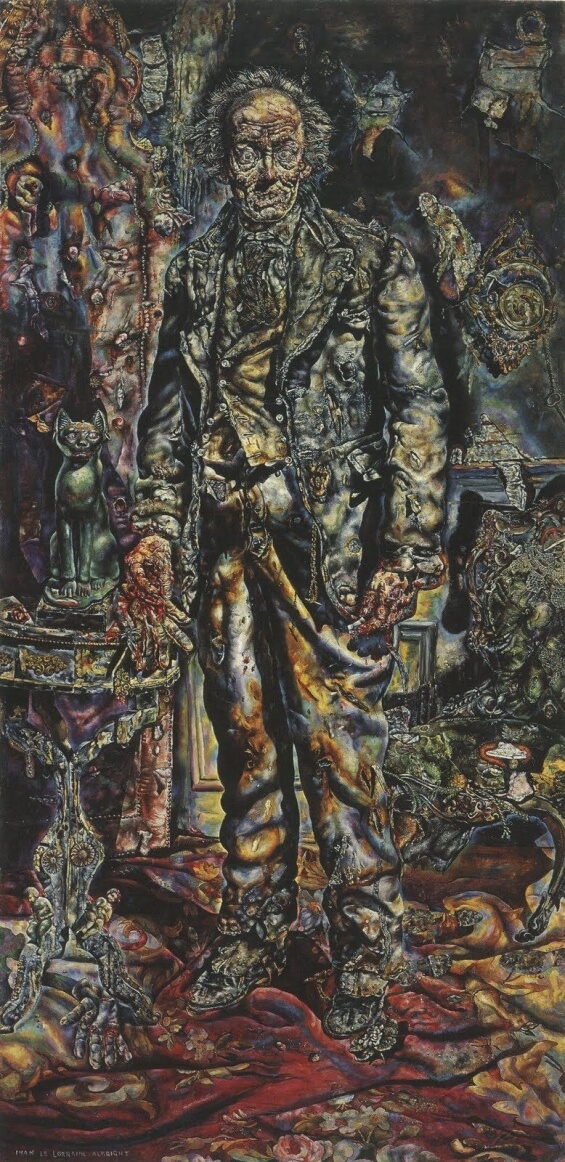

 Arguably: Essays