
SFBRP #151: Time Travel Special, part 1 – Mark Twain – A Connecticut Yankee in King Arthur’s Court

SFFaudio Online Audio

The Science Fiction Book Review Podcast Episode #151 of The Science Fiction Book Review Podcast is a special episode on Mark Twain’s A Connecticut Yankee in King Arthur’s Court and similar time travel tales. It is both special and strange. First it’s strange because it’s the first part of a two part discussion of time travel and not a regular book review. Secondarily it is special because I participated in it!

Or as Luke puts it:

Time Travel Special part 1: Luke and Jesse discuss A Connecticut Yankee in King Arthur’s Court by Mark Twain as a jumping off point for the topic of “A being out of time.”

|MP3|

Podcast feed: http://www.sfbrp.com/?feed=podcast

Discussed on the show:
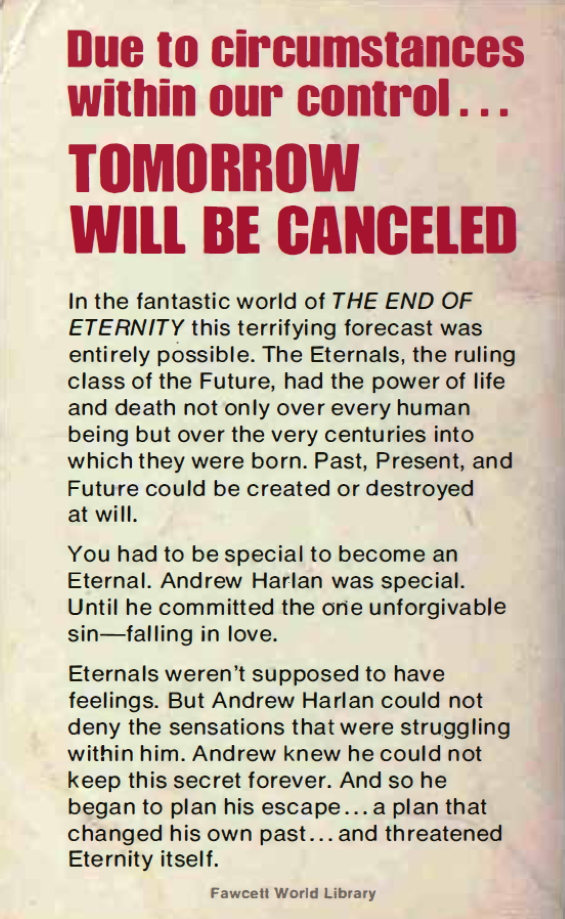
The Invisible Man by H.G. Wells, Smoke by Donald E. Westlake, romance and time travel, science fiction’s hold on time travel, the process of time travel vs. the man out of time, Army Of Darkness, A Connecticut Yankee in King Arthur’s Court is totally political, retellings and abridgements of A Connecticut Yankee in King Arthur’s Court, Jonathan Swift’s Gulliver’s Travels, framing stories, “a dispute with crowbars”, the LibriVox audiobook edition, 1889 illustrations on Gutenberg.org, the Blackstone Audio audiobook, Stuart Langton, Yankee vs. English accents, the Arthurian characters, Idiocracy, taking the piss out of the British, a very thin satire, The Marching Morons by C.M. Kornbluth, The Ugly Little Boy by Isaac Asimov, The Door Into Summer by Robert A. Heinlein, The Accidental Time Machine by Joe Haldeman, the effect on electricity on progress, Thomas Edison, dynamite, SFBRP #100, Then End Of Eternity by Isaac Asimov, comparing the 19th century man with the 21st century man, smartness man and the most moral man, democracy, “what we really need are newspapers”, the tyrannies of monarchy and religion, pick your own oppression, the man from the past comes to the present, adventures, “the Vulcan project”, great insults, Sandy’s reproach, “Mark Twain is fucking hilarious”, the characters bamboozle each other (and the reader too), attributed to Mark Twain, Oscar Wilde, Will Rogers, Groucho Marx, “he is his own target”, occupy Wall Street, Ray Nelson’s Eight O’Clock In The Morning, John Carpenter’s They Live, the 1%, the Robber Barons, Carnegie and Nobel, A Connecticut Yankee in King Arthur’s Court is an essential adult read!, “you think you might know this book, but really you don’t know this book”, Luke gives it 4 out of 5 stars, sfbrp.com/episode-lists, feedback from #150 (ebooks, audiobooks and paperbooks)

After The Explosion

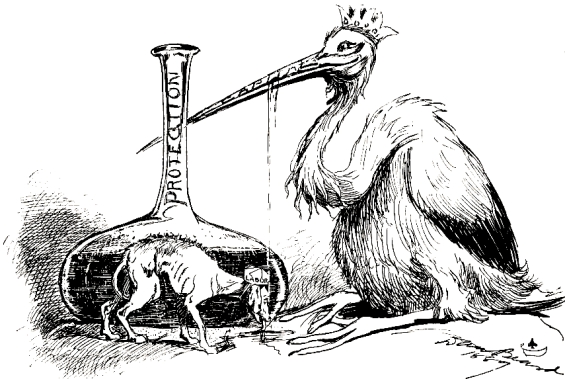
Protection / Capitalism

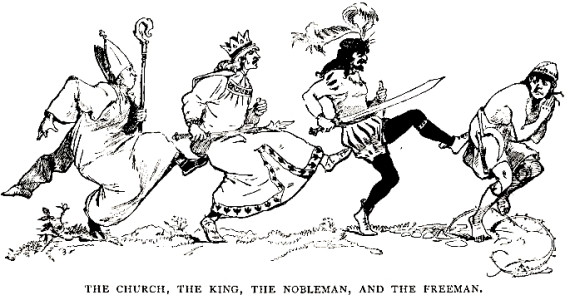
The Chruch, The King, The Nobleman, The Freeman

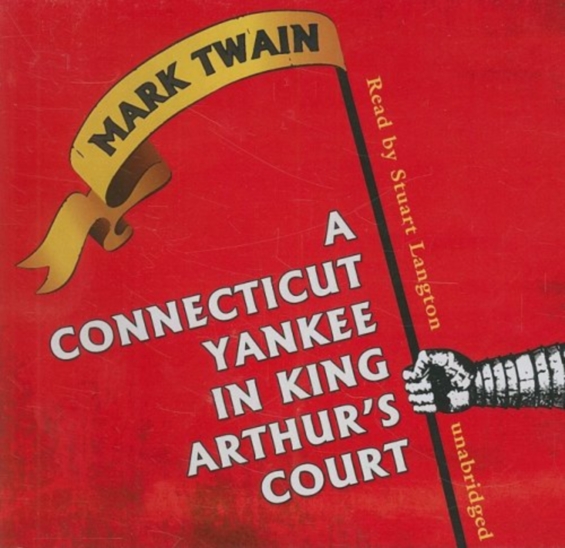
Blackstone Audio - A Connecticut Yankee in King Arthur’s Court by Mark Twain

Posted by Jesse Willis

The SFFaudio Podcast #145 – READALONG: Little Brother by Cory Doctorow

Podcast

The SFFaudio PodcastThe SFFaudio Podcast #145 – Little Brother by Cory Doctorow. Jesse, Tamahome, Professor Eric S. Rabkin and Jenny discuss Little Brother by Cory Doctorow. |ETEXT|

Talked about on today’s show:
Tam can’t trust anyone over 25, Jesse’s review in 2008, re-reading Little Brother in 2012, South Carolina, did Jenny vote Herman Cain (Stephen Colbert)?, SOPA/PIPA, non-fiction essay combined with YA, cliche, didacticism vs. propaganda vs. agitprop, we loved the infodumping, the underlying Oedipal structure, Robert A. Heinlein, libertarian bent, The Moon Is A Harsh Mistress, Starship Troopers, Ray Bradbury, Something Wicked This Way Comes, ‘this book has well devolved mythic structure’, levers vs. buttons, relevance, Homer, Electronic Frontier Foundation, the future of money, Luke Burrage’s review of Down And Out In The Magic Kingdom, money is hard to understand, Little Brother is a call to arms, National Defense Authorization Act (suspending habeous corpus as outlined in Article One of the United States Constitution), Nineteen Eighty-Four, George Orwell, Ms. Galvez’s Social Studies class, history, Heinleinian straw men vs. Doctorowan straw men, DHS, TSA, pebbles in your shoes, gait recognition, Oedipus = lame-foot, Charles Walker, the yippies, “this is a masterwork”, Jesse hates sequels, will the sequel to Little Brother deliver anything like what we might expect?, idea based writing vs. character based writing, w1n5t0n, trust, Marcus’ moral problem (RFID cloning without consent for the “greater good”), what act of violence is allowable?, moral relativism, the ends vs. the means, adolescence, “when is it time to overthrow the government?”, treason, Jenny makes “a gorgeous point”, Cory Doctorow’s choice to set Little Brother in, Law & Order (Lenny Briscoe), British North American Act, Canada didn’t have a bill of rights until 1981, The Charter Of Rights And Freedoms, Canada’s founding fathers are not demi-gods, Byron Sonne, G-20, is Little Brother a libertarian book?, “freedom is something you have to take for yourself”, Friedrich Hayek, Prometheus Award, the government of California is the hero (or the CHP), authority tries to perpetuate itself, UC Berkley, sex, juvenile vs. YA, “we live on Mars but we keep our houses extremely hot”, Snow Crash by Neal Stephenson, The Dervish House, Ready Player One, The Diamond Age, Eric makes a minor discovery, Big Brother -> Little Brother, Star-Begotten by H.G. Wells has the origin of “Big Brother”, Olaf Stapledon, “man is the boy who won’t grow up”, Spanish Civil War, The Midwich Cuckoos by John Wyndham (aka The Children Of The Damned), The Iron Heel by Jack London, comparing Doctorow with London, what is propaganda?, pamphleteering, Joseph Goebbels, Eric thinks etymologically, propagation and ideology, the Wikipedia entry on propaganda, is The Moon Is A Harsh Mistress propaganda?, “Oceania is now”, more strawful men, Sinclair Lewis, agitprop fiction, Science Fiction, “it’s a call to arms”, being a hacker, “go forth and hack my children”, “pay attention”, Gitmo by the bay, Iraq, Hacking The X-Box, Mac vs. PC ads, the hacker ethic is the science ethic, LARPing, “just to be smarter about the world around me”, alternative schooling, BART (Bay Area Rapid Transit), SkyTrain, The People Mover (The DPM), jitney, first person perspective, how to care, the terrorism detector and super-AIDS, Jane Jacobs, Jenny’s favourite character was Andrew, crystallizing the Oedipal issues, the Scoville scale, “the word is mister”, Ange vs. mom, The Tempest, severe haircut lady’s sadism, The Dark Knight Returns, is there a hero-normative angle?, The Puppet Masters, Friday, Have Spaceship-Will Travel, the ideal audience, Good Night Moon, Kirby Heybourne’s narration, transitional objects, Cory’s analogies are wonderful, taking a hiatus from Science Fiction, a pleased (but silent) smile, Jesse still has all his LEGO, a balding grey haired kid, Paranoid Linux, Jenny is ambivalent about whether she is of two minds, that couldn’t really happen here … could it?, Erich Fromm’s Escape from Freedom, the closer you get to power the more obvious it becomes, idelogical blindness, Drew wants to be able to believe, “He loved big brother.”

Kaiser Wilhelm II biting the world
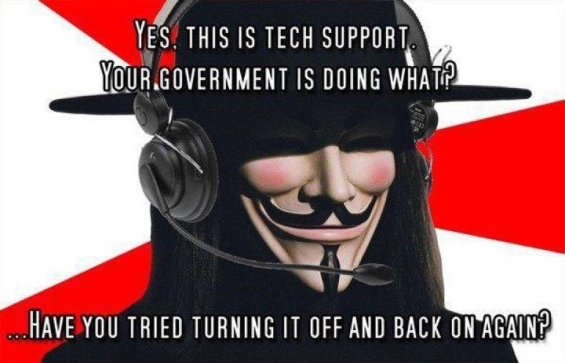
Govenment Tech Support

Posted by Jesse Willis

Commentary: How (and why) I make ebooks out of paperbooks

SFFaudio Commentary

When you’ve got an old paperback book that’s coming apart at the spine, with pages falling out all over the place it’s time to consider making it immortal. In order to do that, in a reasonable period of time, you must kill the book. That’s the hardest part of the process. The actual transformation is pretty easy.

To do it I use a Fujitsu ScanSnap S1500 which came with Adobe Acrobat Standard 9. Here are three videos I put together that show the process of turning a paperback into an ebook:

And here’s a PDF |SAMPLE| of the result.

Update:
John writes in to say:

I read your recent post about digitizing print books with interest. I wondered if you might be able to expand on your process a bit, as it seemed to me like a few steps were missing from your video.

Indeed, here are my answers to some specific questions:

How do you actually sever all the pages from the book?

Most of the time this can be done just with your hands, at least with paperbacks and old magazines. The only tools I’ve ever needed to use are flathead screwdriver, to pry up staples found in some mags from the 1960s and 1970s, and scissors which I’ve used to trim out glued edges. If you’re doing a hardcover with sewn binding you’d probably be able to do it with just an X-Acto knife.

When you run the pages through the scanner, does it scan both sides of the page simultaneously? Or do you have to scan them all twice?

The Fujitsu ScanSnap is not only superfast, it’s also supersmart, it scans both sides at the same time (technically the term is “duplex”).

If so, how do you collate them so the pages are all in the right order?

The bundled software, called ScanSnap Manager, allows you to customize the named output files. I usually have them just come out as 001, 002, 003, etc..

How long does it take you to digitize a single book?

Lets see I’ve just scanned the February 1976 issue of Fantasy & Science Fiction which has 128 pages (64 leaves). In the scanning itself I set a stopwatch. It took 1 minute 30 seconds to scan the entire mag. The software took another 45 seconds of processing. And I spent about 30 seconds correcting orientation on a few pages. So under three minutes for 128 pages

Have you tried this on hardcovers as well, or just paperbacks?

I don’t think I’ve done more than a couple of hardcovers, they were really easy though as they were essentially unbound already.

Posted by Jesse Willis

The SFFaudio Podcast #143 – NEW RELEASES/RECENT ARRIVALS

Podcast

The SFFaudio PodcastThe SFFaudio Podcast #143 – Scott, Jesse, Tamahome, and Kristin (A.K.A Terpkristin) talk about recently arrived audiobooks, new releases and more.

Talked about on today’s show:
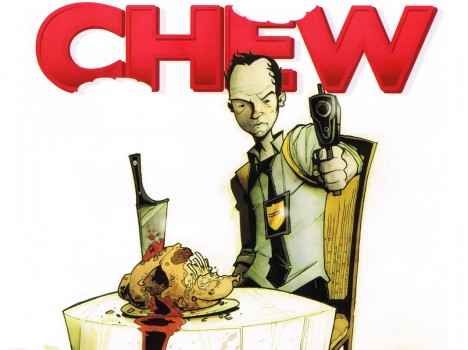
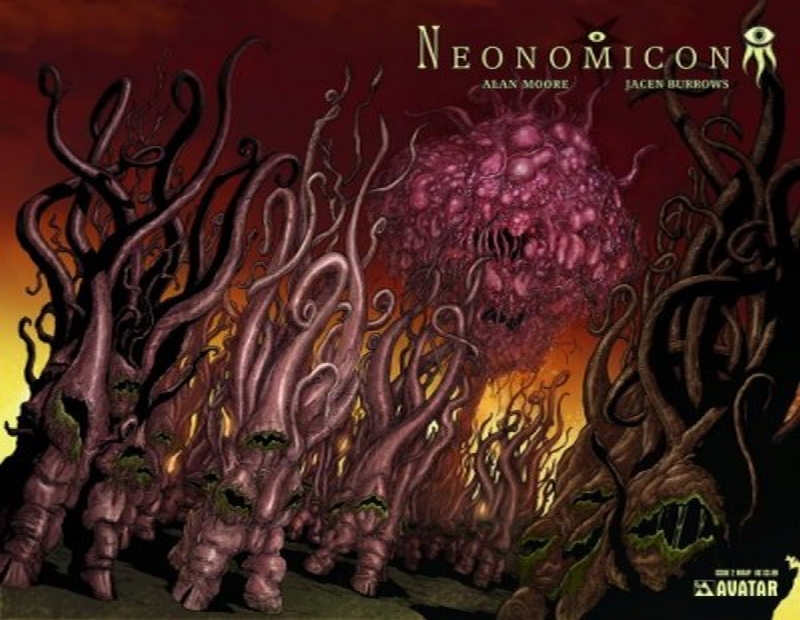
The origin of the name ‘Terpkristin’, Scott has a pile of audio, (see also the NewAudioBookIn twitter feed), Hominids and Humans from Robert J. Sawyer, evolved Neanderthals, Farseer (the dinosaur book), Flashforward, Kristin’s scientific evaluations, “needs more ego”, Pamela Sargent’s Earthseed (Seed, #1), Greg Bear’s Forge of God, memorable earth destruction, Peter F. Hamilton’s Void Trilogy (‘Hawking m-sink’ weapon), the Star Trek movie, Burning Chrome anthology by William Gibson includes Johnny Mnemonic, when will they list all the short stories on the audiobook package?, precursor to Neuromancer, William Gibson’s non-fiction Distrust That Particular Flavor is out from Tantor (Jesse will establish later), he’s a crossover, who will read Sisterhood Of Dune?, extending a series, Zelazny’s Amber series, Glasslands (Halo, #8) by Karen Traviss (she also did a lot of Star Wars books), “stuff happens fiction”,  Eve Online, “gateway books”, James Blish Star Trek books, Splinter Of The Mind’s Eye, The Thirteen Hallows by Michael Scott and Colette Freedman, I Am Number Four, YA series, “contractual sweatshop”, Infernal Devices by K.W. Jeter, a steampunk pioneer, “quick off the mark”, Little Big by John Crowley narrated by the author, Stephan Rudnicki was denied Aegypt (at 43 min), the legend of the Cottingley Fairies, Sir Arthur Conan Doyle believed it, “the Fairy Gap”, Larry Niven’s The Ringword Engineers and The Ringworld Throne, The Protector, the Security Now science fiction episode, “The Ringworld is unstable!  The Ringworld is unstable!”, A Canticle For Leibowitz by Walter M. Miller Jr., NPR dramatized it, good for Scott and Julie’s A Good Story Is Hard To Find podcast?,  Working For The Devil (Dante Valentine, #1) by Lilith Saintcrow, Dante is a woman?, Neal Stephenson’s Currency (The Baroque Cycle, Book 3, Vol. 7), they broke it down, Kristin read the whole thing!, Tantor has drm-free downloads, A Fall Of Moondust by Arthur C. Clarke, a Poseidon adventure on the moon, BBC Radio drama version, Timecaster by Joe Kimball, sounds like Minority Report, an idea for someone else to write, the Assassin’s Creed game, Brent Weeks’s Night Angel trilogy, hoodies are popular, the comic Chew‘s gruesome premise, Mur Lafferty likes it (5 stars on Goodreads!), Aces High (Wild Cards, #2) edited by George R.R. Martin, Jenny’s special message about A Wrinkle In Time, the 50th anniversary, a parallel world thing, the Pern series, The Greg Mandel trilogy by Peter F. Hamilton, my review of Mindstar Rising (Greg Mandel, #1), psychic powers, Lady And The Tramp, Scott’s box of audio has become infected with a zombie virus, Rise by Gareth Wood, “we’re not desolate or empty!”, entering New Releases territory, Blackstone, Raylan by Elmore Leonard, Justified tv show does a good Leonard, style, Out Of Sight movie and book, it was J-lo’s best, Sixth Column by Heinlein, Jesse can’t remember it, The Voice From The Edge series by Harlan Ellison, he’s got a passion, I Have No Mouth And I Must Scream was dramatized on BBC radio too, Robert Sheckley’s Immortality, Inc. (our readalong should be out next week), Bronson Pinchot narrated, (I think this is where I lost my mic because I was trying to say “transplant!” from that audiobook), A Door Into Ocean by Joan Slonczewski, a classic feminist science fiction novel, no men needed, Brilliance audiobooks are cheap!, “Someone explain the point of Audible” (at least I can still text), “What’s the fascination with zombies?”, societal significance or commercial? (I’m starting to think they’re ignoring me), Twilight and their ilk, Night Of The Long Knives by Fritz Leiber, how these subgenres are grouped together, vs the U.K., Dragonflight by Anne McCaffrey is fantasy or science fiction?, Star Wars gadgetry, Alan Moore’s Lovecraft salute comic Neonomicon, the Audible app, Tamahome is in the hole

Posted by Tamahome

Convention panel (Readercon 2011): Capturing the Hidden History of Science Fiction

SFFaudio News

Here’s a convention panel from Readercon 2011 entitled “Capturing the Hidden History of Science Fiction.” It was recorded back in July 2011 and the panelists include Fred Lerner, Barry N. Malzberg, Jamie Todd Rubin, Darrell Schweitzer and Eileen Gunn. Apparently one of the panelists objected to it’s existence on YouTube, but it’s up and online again.

[via SFSignal]

Posted by Jesse Willis

The SFFaudio Podcast #139 – AUDIOBOOK/READALONG: The Pyramid Of Amirah by James Patrick Kelly

Podcast

The SFFaudio PodcastThe SFFaudio Podcast #139 – The Pyramid Of Amirah by James Patrick Kelly, read by James Patrick Kelly. This is a complete and unabridged reading of the short story (16 Minutes) followed by a discussion of it (by Jesse, Tamahome, and James Patrick Kelly himself). Here’s the ETEXT.

Talked about on today’s show:
Call him Jim!, James Patrick Kelly’s FREE READS podcast, “a gift story”, PBS, Mayan temples, ancient Mayan empire, Copán (Honduras), “time passes”, “2,000 words of nothing happening and 200 words of everything changes”, is it Science Fiction or Fantasy?, David G. Hartwell, Katherine Cramer Year’s Best Fantasy 3, 3D TV, the Earstone is the iPod Nano’s successor, Catholicism, religion, it’s a Horror story, sacrificial victims who volunteer, is Amirah hallucinating?, David Hume on miracles, take a miracle and make it a recipe, Memphis (Egypt), is religion a fantasy?, what is slipstream?, proto-slipstream, “Kelly Link is a goddess”, Feeling Very Strange: The Slipstream Anthology edited by James Patrick Kelly and John Kessel, cognitive dissonance, slipstream encourages cognitive dissonance, “for every religion there is an equal and opposite religion”, “making the familiar strange and the strange familiar”, horror, comedy, Fantasy, The Lord Of The Rings, Science Fiction, Nine Billion Names Of God by Arthur C. Clarke, The Crawling Chaos, James Patrick Kelly doesn’t fully understand The Pyramid Of Amirah, is the Dalai Lama happy?, stay in your god tombs, The Girl Detective, Karen Joy Fowler, Carol Emshwiller, Franz Kafka, readers are happier when they’re really really surprised, most readers don’t re-reread stories, slipstream is a balcony on the house of fiction, behind the push of science is the turbulence of religion and the fantastic, Bruce Sterling, Ted Chiang is slipstream?, J.R.R. Tolkien, some short stories are Rorschach tests, Bruce Coville’s Full Cast Audio, Robert A. Heinlein’s juvenile novels, the love hate relationship with Heinlein, Heinlein’s villains are all straw men, Starship Troopers, The Moon Is A Harsh Mistress, Heinlein’s sexy mother, Heinlein’s late career needed editing, Stranger In A Strange Land, stories in dialogue with other stories, Think Like A Dinosaur is in dialogue with The Cold Equations by Tom Godwin (and the controversy about it), The New York Review Of Science Fiction, not all problems are institutional problems (you are going to die), institutional facts vs. brute facts, John W. Campbell, was Campbell a terrible editor?, “all stories must have telepathy”, the story that must not be named (in Galaxy SF April 1975), Jim Baen, religious Science Fiction, Death Therapy by James Patrick Kelly, Terry Carr, The Best Science Fiction of the Year #8, collaborations, John Kessel, Jonathan Lethem, Robert Frazier, ISFDB, The Omega Egg, Mike Resnick, Kafkaesque: Stories Inspired by Franz Kafka, Tachyon Publications, The Secret History Of Science Fiction, The Drowned Giant by J.G. Ballard, The Lottery Of Babylon by Jorge Luis Borges, Max Brod, Joe Hill, Heart Shaped Box, You Will Hear The Locust Sing by Joe Hill, T.C. Boyle, Michael Chabon, Carter Scholz, Don DeLillo, Lucius Shepard, The Nine Billion Names Of God by Carter Scholz, A Recursion In Metastories by Arthur C. Clarke, post-cyberpunk stories, what is post-cyberpunk?, Mirrorshades: The Cyberpunk Anthology, Cheap Truth, the way technology changes the way we are, Cory Doctorow, Charles Stross, a new cyberpunk anthology is in the works, is there pre-cyberpunk?, Blade Runner, Philip K. Dick isn’t really cyberpunky, steampunk has a vision, what is the ethos of a steampunk story?, alternate history, goggles and zeppelins vs. computer hacking and mirror-shades, Pavane by Keith Roberts, William Gibson, Boneshaker by Cherie Priest, Bernardo’s House is an iconically Jim Kelly short story, Isaac Asimov, robots, a post-cyberpunk character, a prim and proper sex doll, There Will Come Soft Rains by Ray Bradbury, Mary Robinette Kowal, puppets, a stage adaptation of There Will Come Soft Rains.

A Recursion In Metastories by Arthur C. Clarke (Galaxy SF, October 1966 - Page 78)

The Pyramid Of Amirah by James Patrick Kelly - from Fantasy & Science Fiction, March 2002

Posted by Jesse Willis