
 Reading, Short And Deep #021
Eric S. Rabkin and Jesse Willis discuss Moon-Face by Jack London
Moon-Face was first published in The Argonaut, July 21, 2016
Here’s a link to the PDF of the story.
Posted by Scott D. Danielson
News, Reviews, and Commentary on all forms of science fiction, fantasy, and horror audio. Audiobooks, audio drama, podcasts; we discuss all of it here. Mystery, crime, and noir audio are also fair game.

Reading, Short And Deep #021
Eric S. Rabkin and Jesse Willis discuss Moon-Face by Jack London
Moon-Face was first published in The Argonaut, July 21, 2016
Here’s a link to the PDF of the story.
Posted by Scott D. Danielson

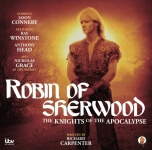 Robin Of Sherwood: The Knights Of The Apocalypse
By Richard Carpenter; Performed by a full cast
2 Hours – CD or Digital Download [AUDIO DRAMA]
Publisher: Spiteful Puppet
Published: June 30, 2016
England in the reign of King John and a dark force is intent on conquest. Only the hooded man can stand against it… The church lies impotent at the mercy of the Pope and the interdict against the kingdom. With the people living in fear and a series of disappearances that threaten the very fabric of noble society, Robin ‘i’ the hood and his band of outlaws must race to rescue the past so that the future may be protected. A journey to Huntingdon and beyond Sherwood will see them battle their most dangerous enemy yet as Herne’s son faces The Knights of the Apocalypse…
If you close your eyes you’ll see it – it being a new two part episode of the classic ITV television series Robin Of Sherwood, minus the grainy 16mm film stock. From the opening Clannad theme – you’ll see it all – that brightly lit forest green, those grey stone castles and churches, the flashing swords, the flying arrows. You’ll of course hear them all too.
Early into The Knights Of The Apocalypse we learn that England is suffering under the “Interdict”, a punishment of all of England for King John’s offence of the Catholic Church. This really happened. The titular Knights of the Apocalypse, though fictional, are said to be a breakaway branch of the Knights Templar – and the ultimate historical destruction of the Templars is very effectively retroactively-foreshadowed in this production.
The two hours, in two parts, had me struggling with the heroes, thinking deep thoughts, rallying against the heavy hand of oppression, chuckling at the baddies, laughing with the heroes, worried at what might possibly happen next, then heart-warmed, and ultimately delighted at the lightfooted sweep all the little details added up to. This is an epic as big as The Swords Of Wayland and as revolutionary as Robin Hood And The Sorcerer.
Barnaby Eaton-Jones, the producer, seems to have made it his mission to make The Knights Of The Apocalypse as true to the original show as humanly possible. Soliciting initial funding using an indiegogo campaign, Eaton-Jones paired a script by the now deceased Richard Carpenter, Robin Of Sherwood‘s creator (he also wrote some of the show’s finest episodes), and tracked down every living member of the original cast to this production. The result is truly tremendous! It is amazing to hear the voices of that old cast once again – Mark Ryan (the brooding Saracen swordsman Nasir), Ray Winstone (forever the hot-headed Will Scarlet), Clive Mantle (smiling and gentle Little John), Jason Connery (that noble second incarnation of Robin, the hooded man), curly haired Judi Trott (voicing the summer maid of Sherwood, Marian), Phil Rose (the friendly friar, Tuck), and Peter Llewellyn Williams (Much, the simple miller’s son).
A lot of folks probably think of Alan Rickman as the most iconic Sheriff of Nottingham – he was terrific – but for me the worst (and by that I mean best) Sheriff of Nottingham will always be Nickolas Grace. Grace is back to his old tricks; playing that cowardly cartoon of law, that malefactor of injustice, all the while wonderfully dripping contempt and venom from every sour word. We get Grace in several scenes, including some with his equally contemptible brother, the Abbot Hugo, played wonderfully once again by Philip Jackson. A few of the voices are new, filling in for the deceased Robert Addie (Guy of Gisbourne) and Daniel Abineri (Herne, now played by his son). But we also get some audio drama stars like Colin Baker and Terry Molloy playing guest villains.
The Knights Of The Apocalypse is a magical experience. Its story will satisfy, so much so that it could slip-in right next to that final TV episode that aired June 28, 1986. No, this is not a reboot, not re-imagining, not a rerun – this is a reunification. You’ll be reunited in righteous camaraderie with the merry folk of Sherwood – doing the work that must be done, for the good of the people, and breaking the law as needs must.
In reading some of the other early reviews I think they’ve short-shrifted both the historicity and the timeliness (or maybe the timelessness) of what’s going on in The Knights Of The Apocalypse. This really isn’t just a story about how a cute cult TV show got a little fan service 30 years after the last episode aired. No, this is a story about power, politics, economics, about religion. This is a story about class and class struggle, human virtue and human vice. For who is King John, that off-screen terror, if not the hubristic government the governs for the rich and not for all? Who is the Sheriff of Nottingham if not a cynical functionary enforcing the unjust laws unequally, and for his own gain? And why is it, exactly, that an old folktale about a band of heroes who break the law for the good of the people so very, very resonant exactly 30 years (or approximately 550 years) after they were first told?
Here’s a recent piece of publicity:
Posted by Jesse Willis
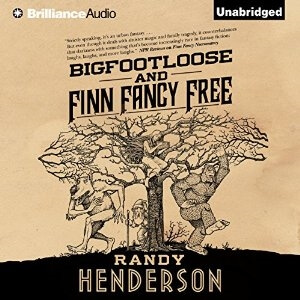 Bigfootloose And Finn Fancy Free (#2 in The Arcana Familia)
By Randy Henderson; Read by Todd Haberkorn
13 Hours 36 Minutes [UNABRIDGED]
Publisher: Brilliance Audio
Published: February 2016
In this sequel to Randy Henderson’s acclaimed debut novel, Finn Fancy Necromancy, Finn Gramaraye is settling back into the real world after his twenty-five-year-long imprisonment in the otherworld of the Fey. He’s fallen in love again with Dawn, the girl next door who waited for him. He’s proved his innocence of the original crime of Dark Necromancy, and he’s finding a place in the family business – operating a mortuary for the Arcane, managing the magical energies left behind when an Arcane being dies to prevent it from harming the mundane world.
This is one of those “if you liked the first book, you’ll like this one” types of sequels. I have a great time with Henderson’s humor and his story is a unique, geekier urban fantasy than normal. It has many of the same urban fantasy tropes, but his twist adds something … less sexy, but filled with humor that mostly works.
And I say “mostly” because, and this could just be me, he’s also one of those author’s obsessed with the ’80s for some reason. I know, write what you know, but it’s almost like some authors (maybe just Henderson and Ernest Cline for all I know) think that you only have street cred if you’re an ’80s geek. Knowing other types of geekery is not at the same level and beneath ’80s geekery.
Now, admittedly, the Finn Fancy series has to do with a guy who gets outcast when he’s a kid during the ’80s and comes back in the present so that’s pretty much all he knows. So I get it, I get why, but at the same time I’m tired of it now. And now that we’re on book two, did we still really need to name all the chapters with ’80s lyrics or songs? I mean, the protagonist is now learning about what happened since his exile.
But those complaints aside, I really did enjoy Bigfootloose and Finn Fancy Free. Henderson’s humor shines with or without ’80s references and it’s a lot of fun. I like his whole mythos with the fae, fae-bloods, arcana, and any other magical you can think of. It’s a great world and well presented.
For the audio, Todd Haberkorn, the narrator, presents Finn well – relatable, silly, and serious all when he needs to be.
The Finn Fancy series is recommended if you enjoy urban fantasy, but you’ve done the same vampires/wizards/werewolves stories and you need something new…with those same creatures… I promise it’s different too.
3.5 out of 5 Stars (recommended)
Posted by Bryce L.
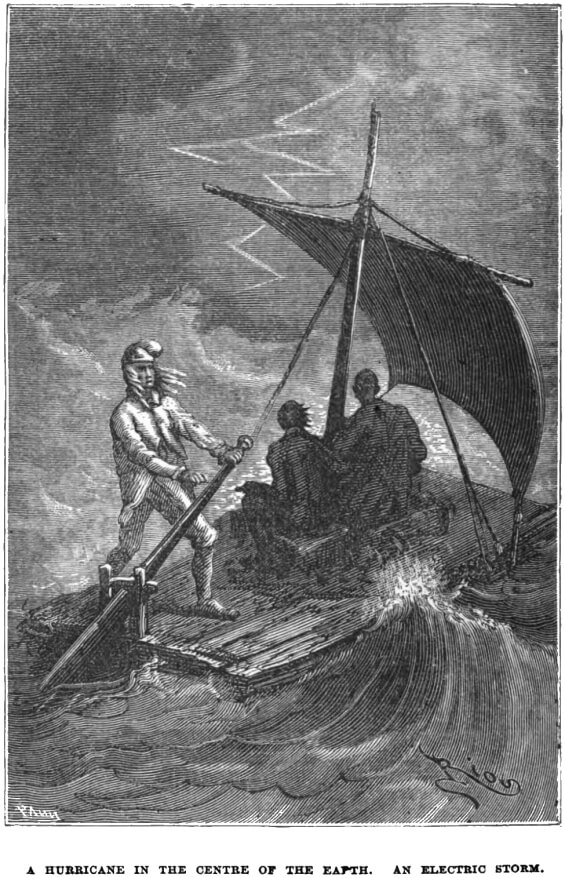
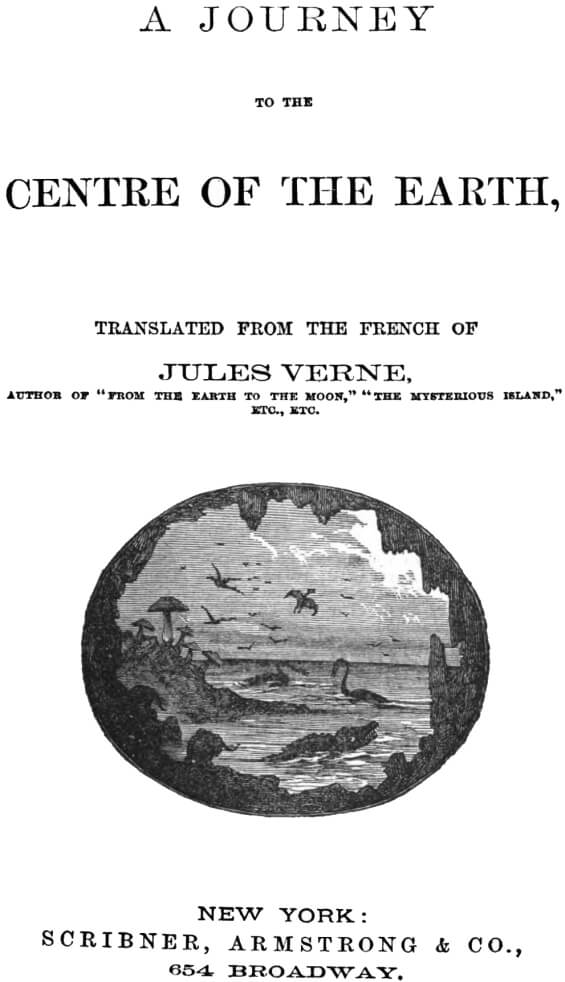
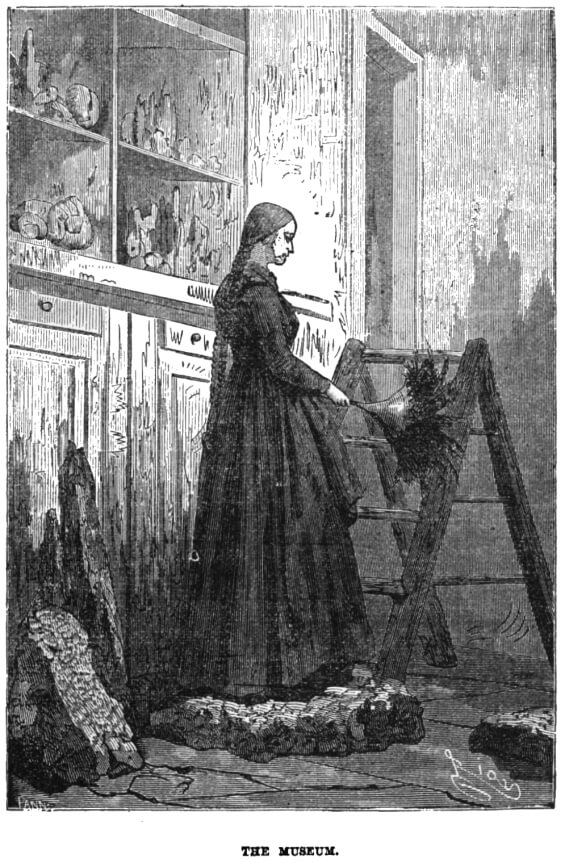
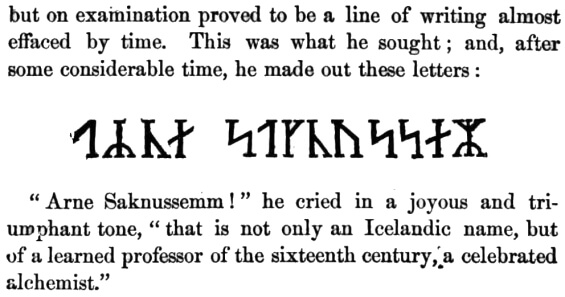
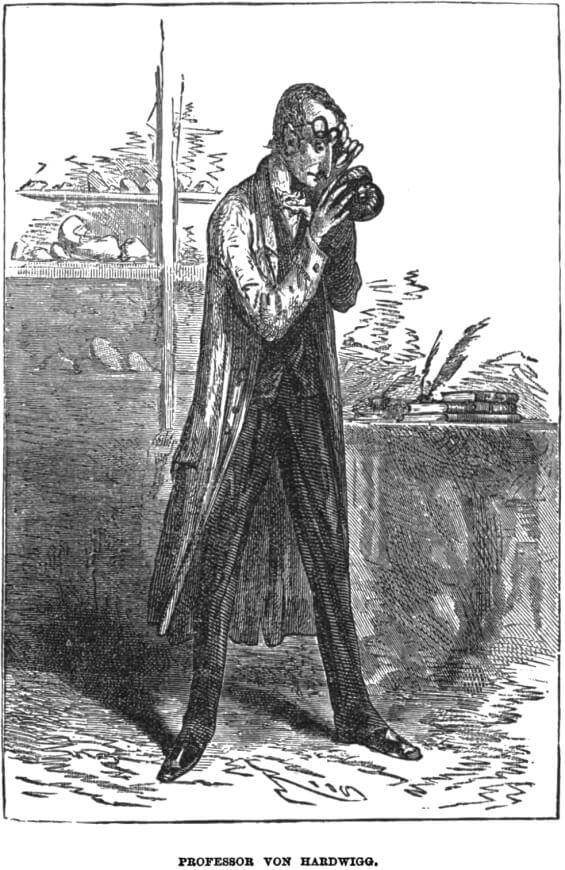
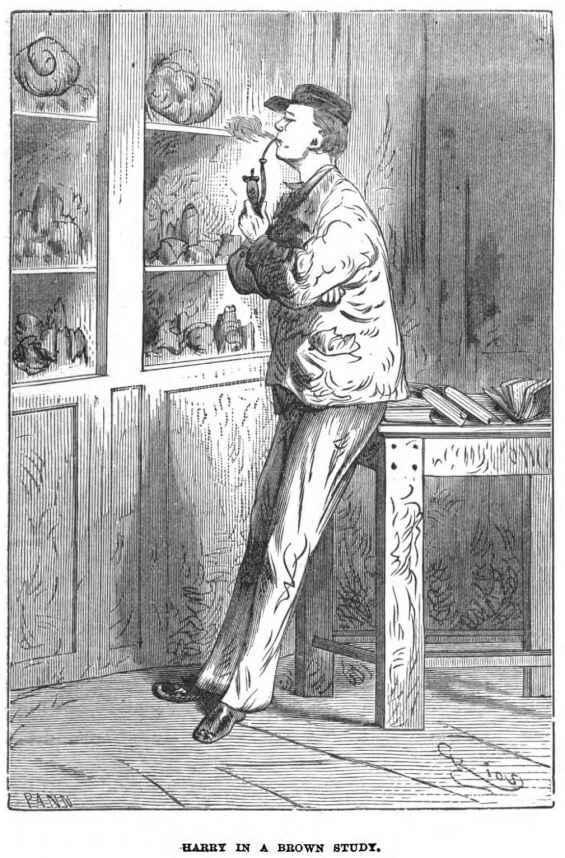
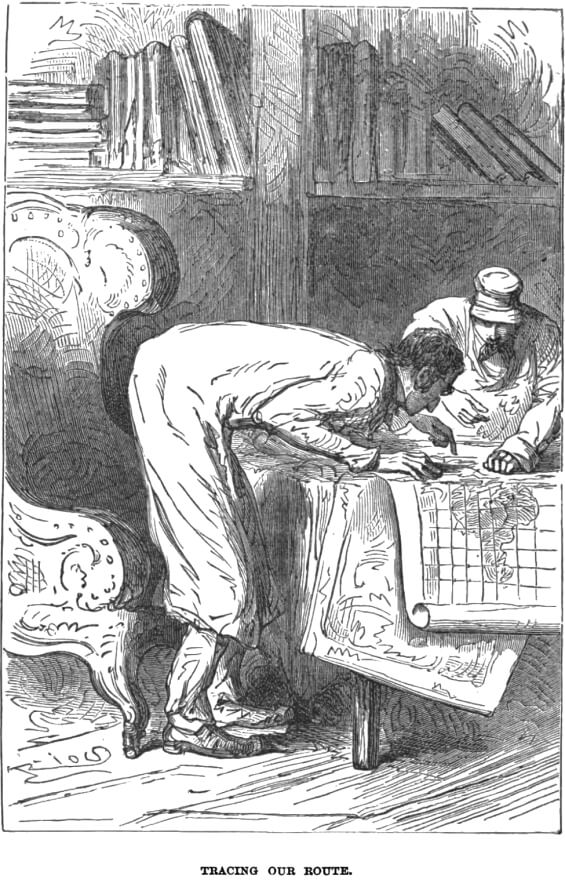
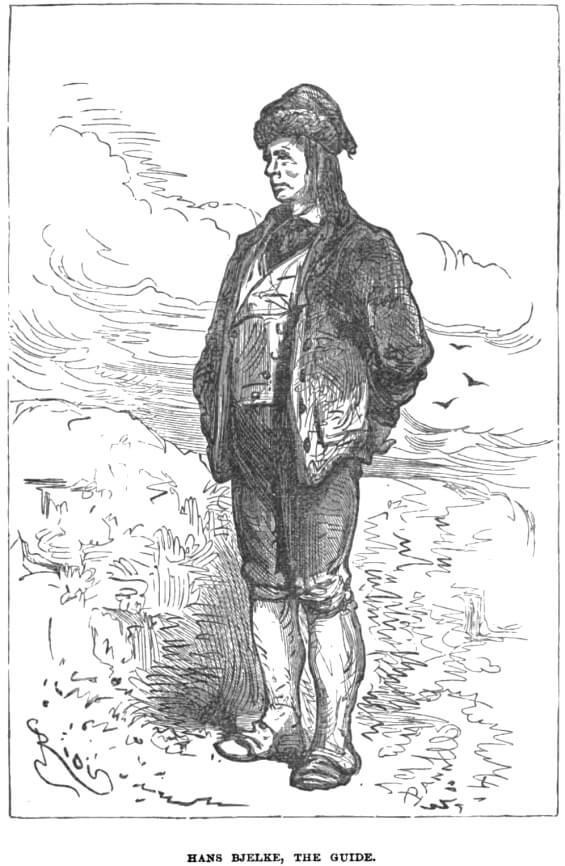
 The SFFaudio Podcast #375 – Journey To The Center Of The Earth by Jules Verne, read by Rick Kistner.
This UNABRIDGED AUDIOBOOK (7 hours 29 minutes) comes to us courtesy of Lit2Go, a great website offering individual chapter MP3s and streaming audio (all available HERE).
PLEASE NOTE: One six minute segment of the audiobook (in chapter 40) was missing but I have seamlessly edited in the missing section from a LibriVox narration that used the same translation.
Journey To The Center Of The Earth was first published in French in 1864 and in English in 1871.
The next SFFaudio Podcast will feature our discussion of it!

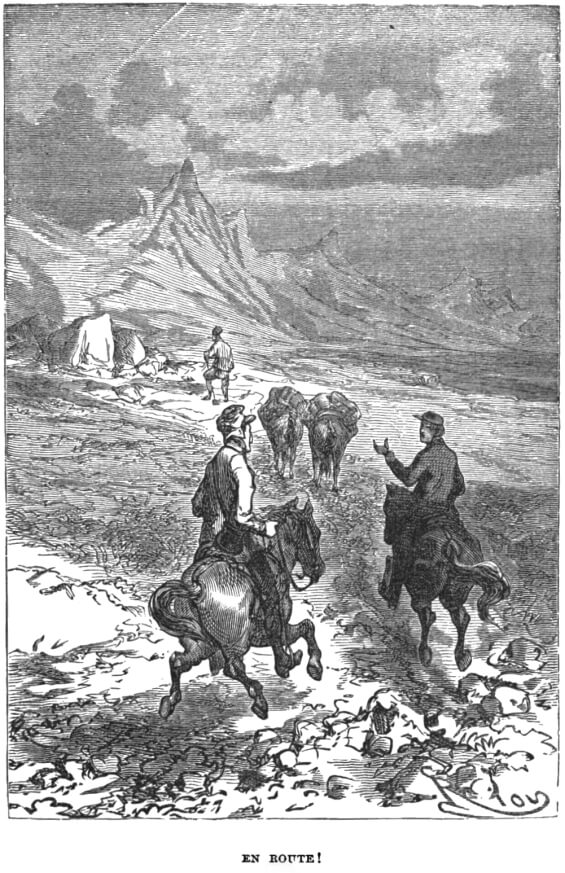
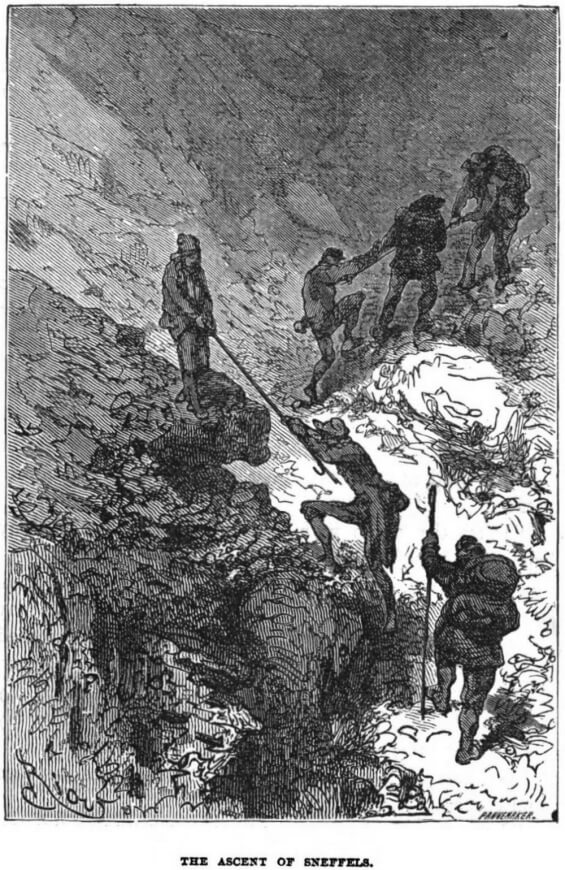
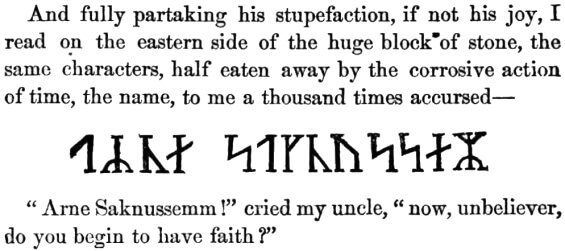
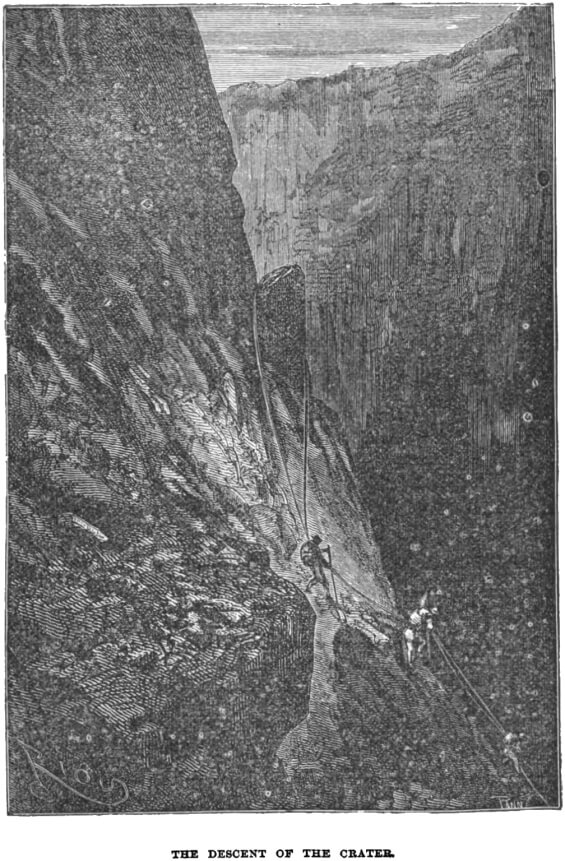
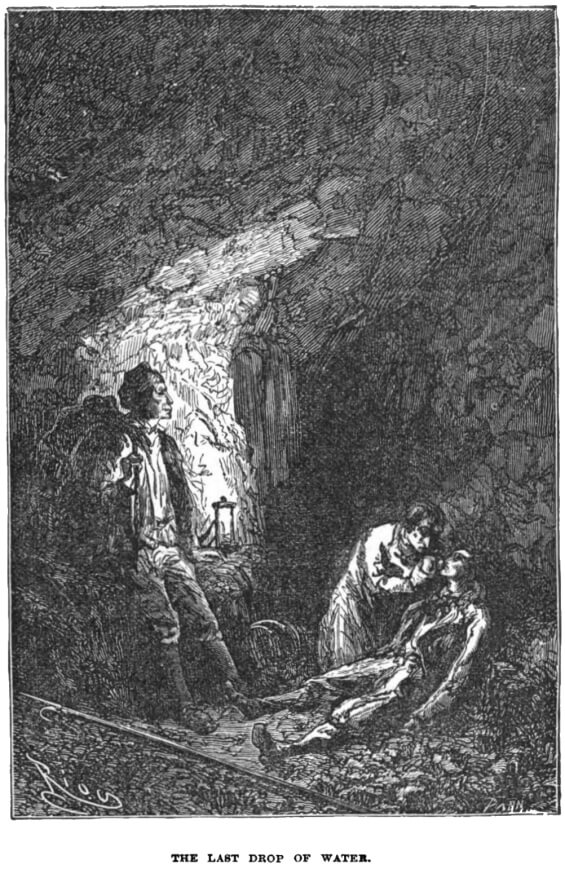
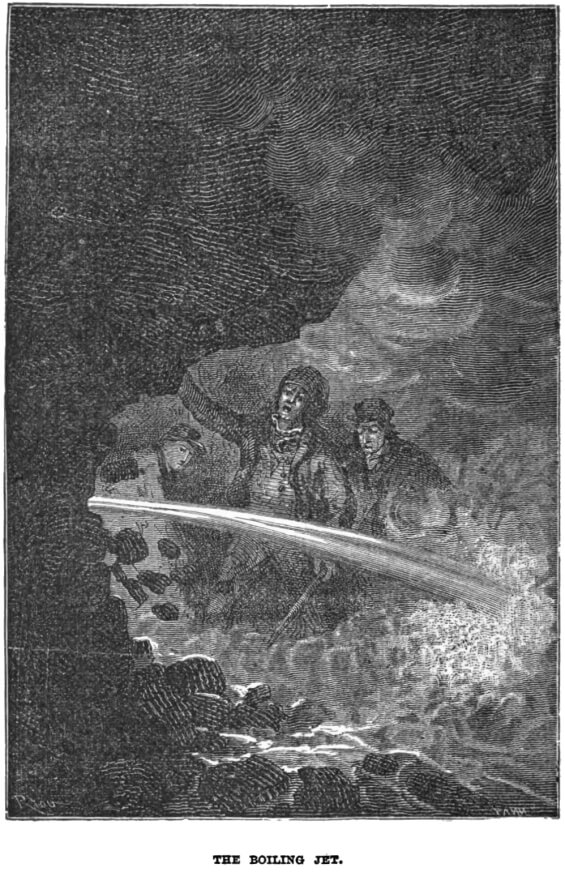
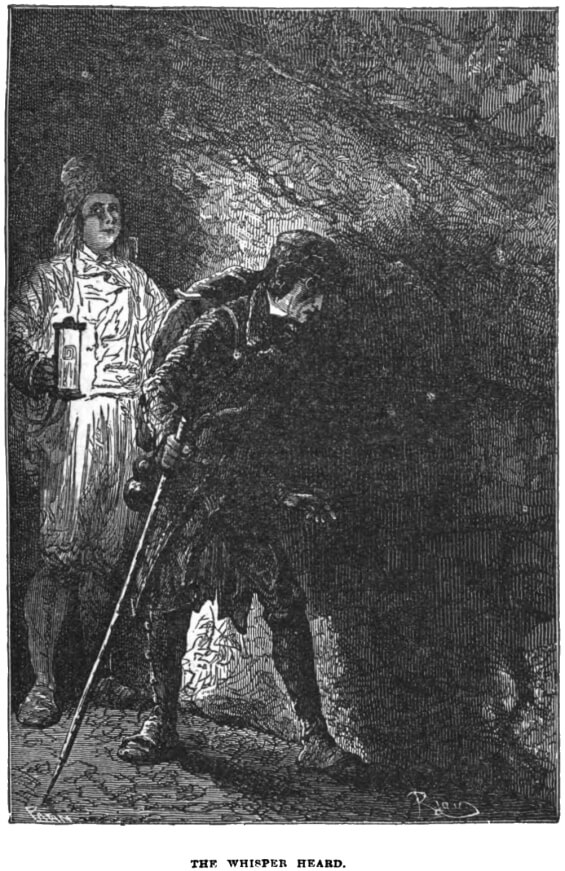
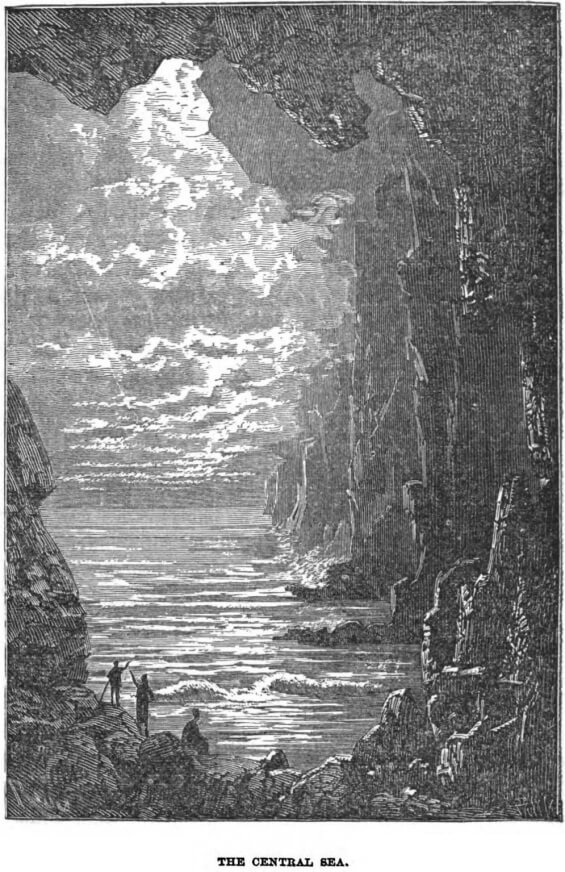
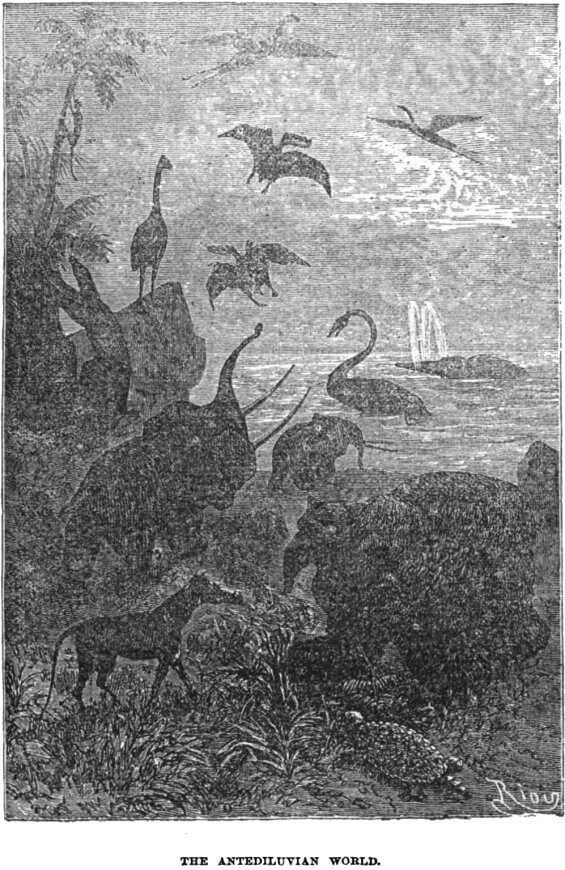
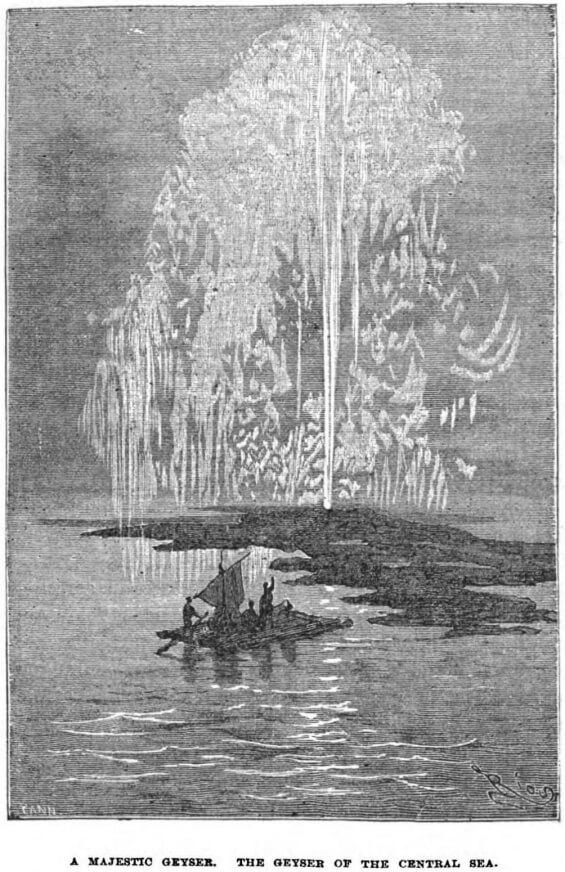
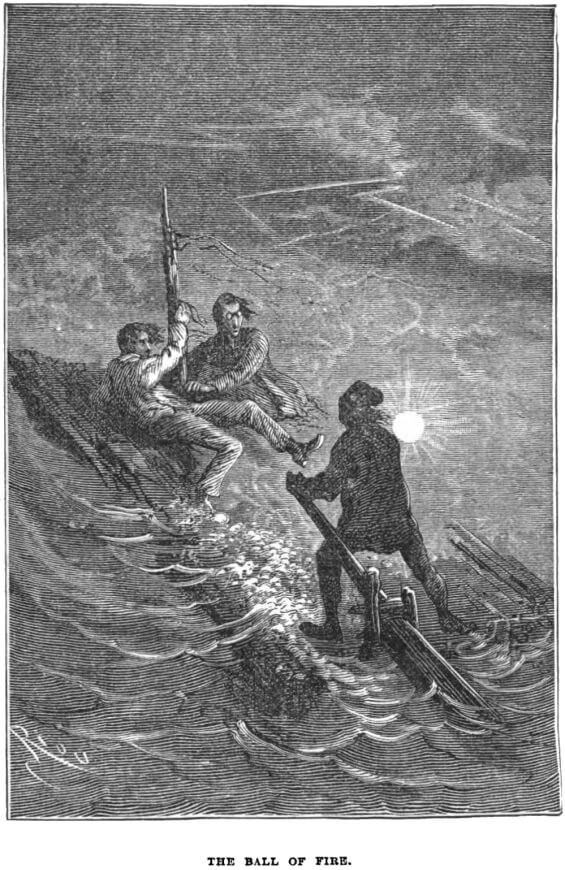
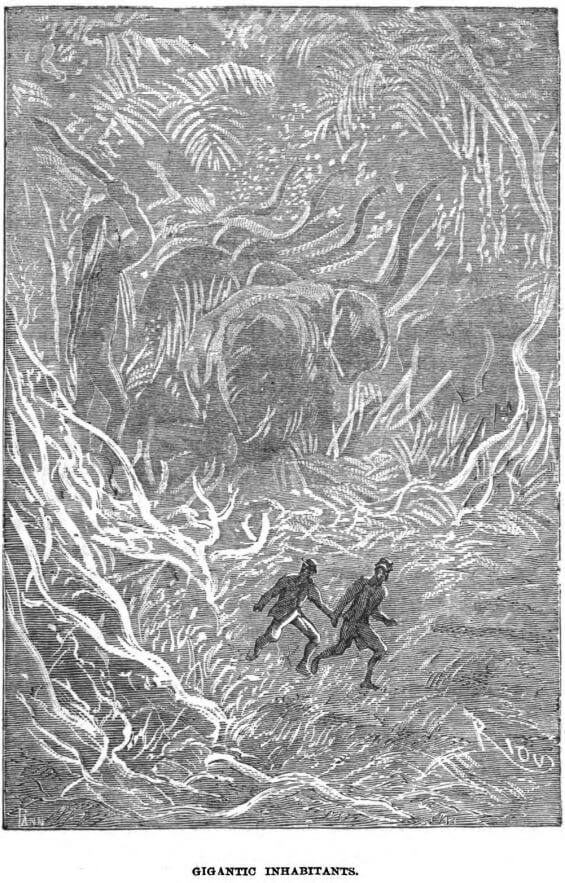
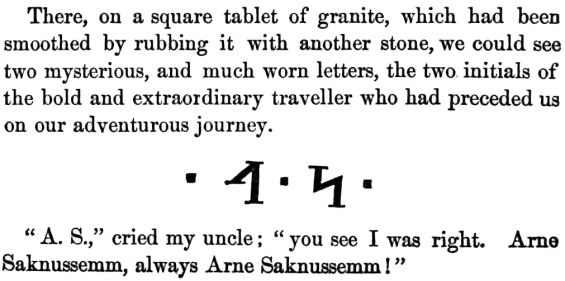
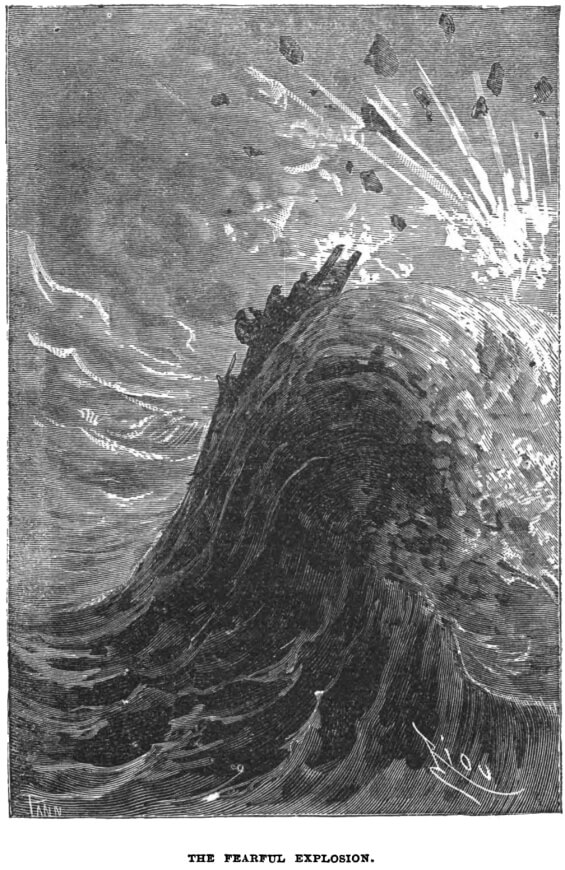
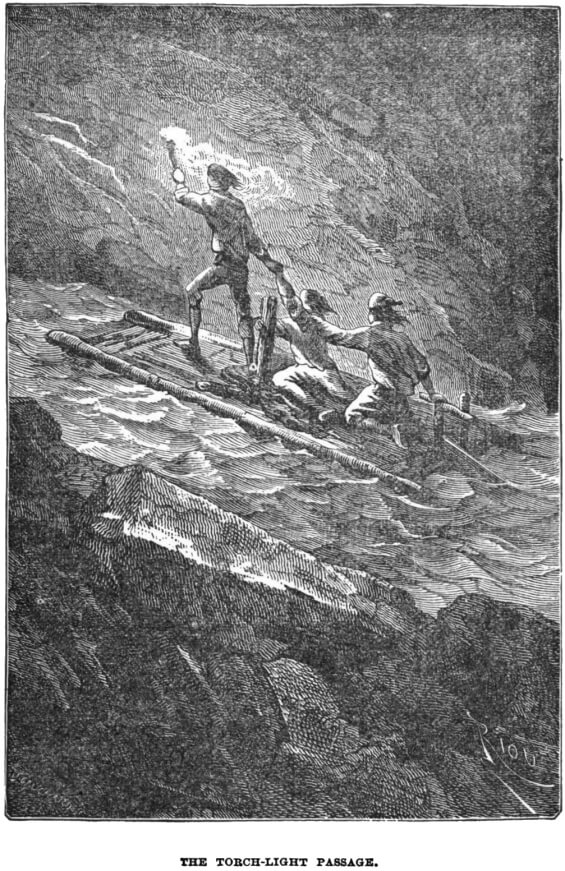
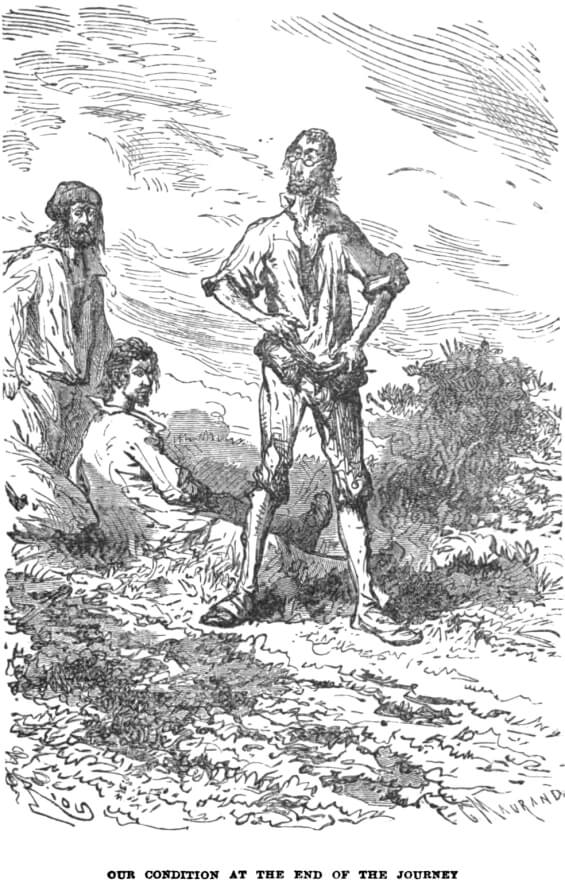
Posted by Jesse Willis
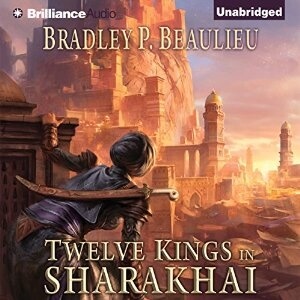 Twelve Kings in Sharakhai (The Song of the Shattered Sands, #1)
By Bradley P. Beaulieu; Read by Sarah Coomes
25 Hours 57 Minutes [UNABRIDGED]
Publisher: Brilliance Audio
Published: September 2015
In the city of Sharakhai, Çeda fights in the pits to scrape by a living. She, like so many in the city, pray for the downfall of the cruel, immortal Kings of Sharakhai. Then on the holy night when the powerful yet wretched creatures known as the Asirim wander the city and take tribute in order to protect the Kings, one of them tells Çeda the origin of their dark bargain. And this dangerous secret may be the very key she needs to throw off the iron grip the Kings have had over Sharakhai….
Stunning, immersive world………………check
Deep, rich history……………………..check
Epic scale…………………………..check
Compelling plot……………………………..check
Exciting ending……………………………check
3/5 Stars
So why only 3 stars if this books scores so well on so many levels? Well, it comes down to the characters. I really didn’t feel much for them. Ceda starts out really cool and compelling. She’s the mysterious “White Wolf” who beats the crap out of an abuser in the fighting pit. How much cooler can you get?
But then as the story moves on, she pretty much gets her butt handed to her by just about every single person. She’s not clever and doesn’t say clever things, and she’s, frankly, annoying after a while.
Emre is the other main character and he’s equally as bland. He’s got a great history and great reasons to be a great character, he grew up on the street, helped save Ceda from the street and had it rough. But there’s not much to him. He seems to have trained Ceda in being boring and that’s it.
Now, the ending to this book is great, but had I not listened to this on audiobook I don’t know if I ever would have gotten this far.
And speaking of the audio, the narrator, Sarah Coomes, did do an excellent job. Her accents were, for the most part, on point although she has a tendency to make all older men sound just about the same, not to mention older women, especially seers or spiritual types. They sounded just about the same.
On the whole, I was really impressed with this book … until I started getting bored and the more I started to get bored the more I realized it was because of the main characters, I just didn’t care if they achieved their goals or not and only slightly cared whether they lived to do it or not.
Posted by Bryce L.
Reading, Short And Deep #020
Eric S. Rabkin and Jesse Willis discuss Strange Exodus by Robert Abernathy
Strange Exodus was first published in Planet Stories, Fall 1950.
Here’s a link to the PDF of the story.
Posted by Scott D. Danielson