News, Reviews, and Commentary on all forms of science fiction, fantasy, and horror audio. Audiobooks, audio drama, podcasts; we discuss all of it here. Mystery, crime, and noir audio are also fair game.
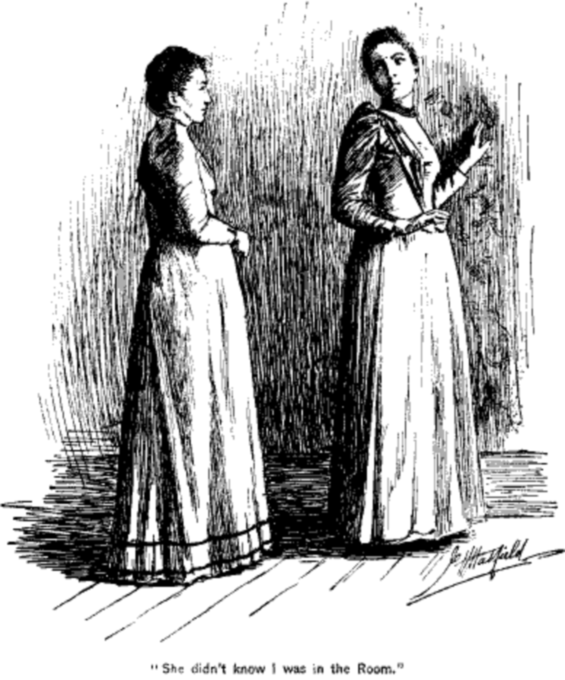
Professional narrator Xe Sands (Xe is pronounced “exy”) recorded a terrific sounding audiobook of Charlotte Perkins Gilman’s The Yellow Wallpaper back in June.
Sez Xe:
Originally, I wanted to record “The Lottery,” by Shirley Jackson. Sadly, it is not in the public domain. But then, for some reason, this wonderful, dark, gothic story of a woman’s descent into madness came to mind. Not sure whether to thrilled to have the perfect piece, or somewhat disturbed that a tale of neuroses run wild popped into my mind so easily, but I digress…
I think I’ve grown a bit angry.
Let me start with this – how the story is generally encapsulated:
“…a woman whose mental illness makes her a prisoner in her own home.”
“…a young wife and mother succumbing to madness ”
So why is this a problem? It’s true, right? She is unbalanced. She does descend into madness. But it’s all a question of why, WHY does she “succumb” to madness?
And this is where I grow a bit angry. Most of the dismissive language used in these summaries miss the point: that this story is a treatise on the attitudes toward women’s mental health during this period (written in 1899). The narrator, who we are supposed to believe is unreliable, is actually perfectly coherent and early on in the story, likely a far better judge about what would actually help her. It is the ignorance and arrogance of her husband that is the unreliable narrator, for his filter regarding her condition and what would help it, cannot be trusted to give the reader an accurate picture of what ails his wife.
Take a look at this bit from the author, “Why I Wrote the Yellow Wallpaper.” And tell me if attitudes are really all that different today? All I can say is that it is wonderful that she was able to save herself…and I think she put a hint of that in this story:
“He says no one but myself can help me out of it, that I must use my will and self-control and not let any silly fancies run away with me.”
Luckily for Gilman, she was able to do what her narrator could not.
The SFFaudio Podcast #178 – An unabridged reading of The Yellow Wallpaper by Charlotte Perkins Gilman (32 minutes, read for LibriVox by Michelle Sullivan) followed by a discussion of it. Participants in the discussion include Jesse, Tamahome, Jenny Colvin, and Julie Hoverson.
Talked about on today’s show:
Charlotte Perkins Gilman vs. Charlotte Perkins Stetson, wall-paper vs. wallpaper, a seminal work of feminist fiction, a ghost story, a psychological horror story, the Wikipedia entry for The Yellow Wallpaper, Alan Ryan, “quite apart from its origins [it] is one of the finest, and strongest, tales of horror ever written. It may be a ghost story. Worse yet, it may not.” postpartum depression, “the rest cure”, phosphates vs. phosphites, condescending husbands, infantilization of women, superstitions, is she dangerous?, is she only pretending to go insane or is she actually mad?, will reading The Yellow Wallpaper drive you to insanity?, an androcentric society, Titus Andronicus by William Shakespeare, Life by Emily Dickinson
MUCH madness is divinest sense
To a discerning eye;
Much sense the starkest madness.
’T is the majority
In this, as all, prevails.
Assent, and you are sane;
Demur,—you ’re straightway dangerous,
And handled with a chain.
Jenny is the husband’s sister (or mistress?), “gymnasium or prison, she doesn’t know she’s living in a short story”, does the family think she’s crazy a the story’s start?, biting the bed is a bit suspicious, barred windows, suicide, has she forgotten that she’s the wrecked the wallpaper to begin with, a haunted house vs. a haunted woman, is the supernatural only within minds?, Julie goes crazy without something to read, first time motherhood can be a struggle, duplicity, crazy people are known to make unreasonable requests, “why is the cork on the fork?”, Dirty Rotten Scoundrels, what’s the rope for?, “all persons need work”, counting the holes, are women moral by default?, Herland by Charlotte Perkins Gilman, utopia, “everything is both beautiful and practical”, the eighteenth amendment to the U.S. Constitution (prohibition), the husband faints (and so she wins?), creeping vs. crawling, the creepiest ending, smooch vs. smudge, neurasthenia, William James (brother of Henry James), “Americanitis”, the fashion of being sick, hypochondria as a fad, the “fresh air” movement, Kellogg’s cereal 9and other patented medicines), a yogurt colonic, mental illness is shameful in Asia, mental illness vs. oppression, an absolutely unreliable narrator, Stockholm syndrome style thinking, “You think you have mastered it, but just as you get well under way in following, it turns a back-somersault and there you are. It slaps you in the face, knocks you down, and tramples upon you.” worrying a tooth, tooth loss as an adult is horrific, as a kid it’s fun, why are we rewarded by the tooth-fairy?, is the tooth-fairy universal?, was chronic fatigue syndrome a fad?, fame is popular, Münchausen’s syndrome (the disease of faking a disease), take up a hobby!, distinguishing genuine from real, syndrome (symptoms that occur together) vs. disease (dis-ease), “which is worse…”, how to look at doctors, Tam’s doctor is nicer than House, M.D., witch doctors, non-invasive cures, gallium, Vitamin C, The Disappearing Spoon: And Other True Tales of Madness, Love, and the History of the World from the Periodic Table of the Elements by Sam Kean, Julie Hoverson’s reading of The Yellow Wallpaper, the unnamed narrator (let’s call her Julie), “what’s with the plantain leaf?”, a modern version of The Yellow Wallpaper would be set at fat camp (is that The Biggest Loser), starts off, Flowers In The Attic by V.C. Andrews, arsenic doughnuts (are not Münchausen syndrome by proxy), The Awakening by Kate Chopin, civilizing influence, bathing!, “men know what side their sex is buttered on”, In The Next Room (or The Vibrator Play) by Sarah Ruhl, Changeling (screenplay by J. Michael Straczynski), what is your Yellow Wallpaper?, fiction is Jesse’s wallpaper, ‘tv, videogames, comics … none of these make you crazy’, heroin chic, Julie has many yellow papers, Tam’s yellow wallpaper is the bookstore, Sebastian Junger vs. J.G. Ballard, 1920s, The Great Gatsby by F. Scott Fitzgerald, posing gowns, identical wigs, Jenny’s yellow wallpaper is dreams, The Evil Clergyman (aka The Wicked Clergyman) by H.P. Lovecraft, nice wallpaper, authorial self-interpretations, Eric S. Rabkin, re-reading as an adult something you read as a kid, The Prince Of Morning Bells by Nancy Kress, The Portrait Of A Lady by Henry James, The Lord Of The Rings by J.R.R. Tolkien, old time radio comedies, should you read fiction from the beginning? Start with Canterbury Tales by Geoffrey Chaucer?, Hyperion by Dan Simmons, Jonathan Swift, Peter F. Hamilton, E.E. ‘doc’ Smith, Mastermind Of Mars by Edgar Rice Burroughs.
There are several readings of The Yellow Wallpaper on LibriVox, but the best one to my ears is Michelle Sullivan’s. I think that’s the one we’ll use on an upcoming SFFaudio Podcast.
The Yellow Wallpaper
By Charlotte Perkins Gilman; Read by Michelle Sullivan
1 |MP3| – Approx. 32 Minutes [UNABRIDGED]
Publisher: LibriVox.org
Published: June 7, 2008
First published in The New England Magazine, January 1892.
The Yellow Wallpaper
By Charlotte Perkins Gilman; Read by Justine Young
1 |MP3| – Approx. 28 Minutes [UNABRIDGED]
Publisher: LibriVox.org
Published: May 2, 2006
First published in The New England Magazine, January 1892.
The Yellow Wallpaper
By Charlotte Perkins Gilman; Read by Lola Rogers
1 |MP3| – Approx. 35 Minutes [UNABRIDGED]
Publisher: LibirVox.org
Published: February 13, 2007
First published in The New England Magazine, January 1892.
The Yellow Wallpaper
By Charlotte Perkins Gilman; Read by jaggO
1 |MP3| – Approx. 41 [UNABRIDGED]
Publisher: LibriVox.org
Published: March 25, 2007
First published in The New England Magazine, January 1892.
The Yellow Wallpaper
By Charlotte Perkins Gilman; Read by Kirsten Ferreri
1 |MP3| – Approx. 21 Minutes [UNABRIDGED]
Publisher: LibriVox.org
Published: August 8, 2006
First published in The New England Magazine, January 1892.
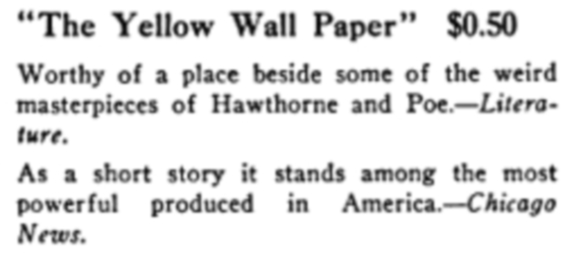
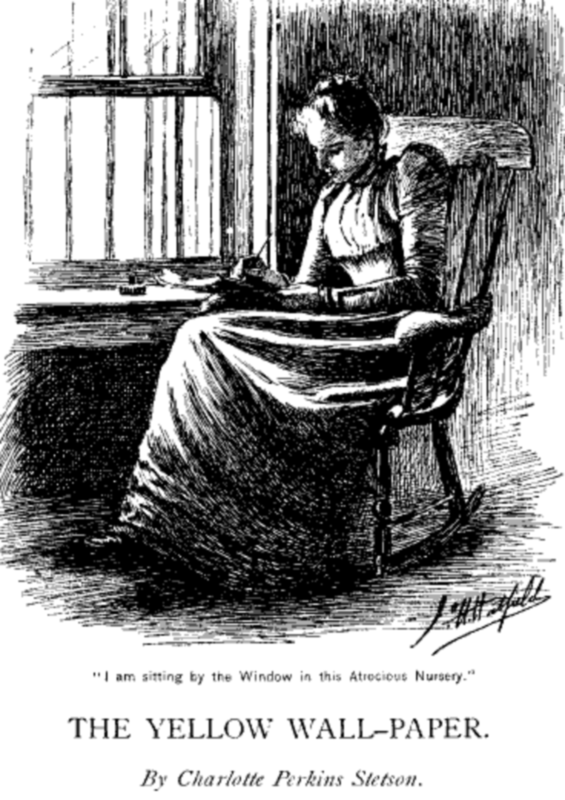
Here’s a |PDF| made from the original publication.
And here’s one with the modernized title and with the author’s more familiar married name |PDF|.
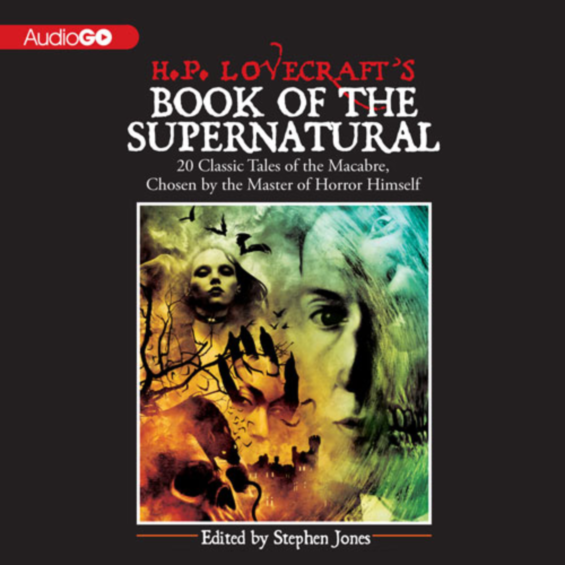
Recently arrived, and currently being soaked in through my skin and ears, is this giant collection of weird fiction. Assembled from a list of stories found in H.P. Lovecraft’s essay Supernatural Horror In Literature, it is a collection of well known and obscure classics by authors that H.P. Lovecraft loved.
Looking at the table of contents I noted that I’d already read several of the stories in this collection – including The Turn Of The Screw (we did a podcast about that one), the engimatic Christmas horror Markheim, the scientific ghost tale What Was It?, the unutterably creepy and horrific The Voice In The Night very recently, and many years ago, perhaps in high school, The Yellow Wallpaper. But even though I’ve read some of these stories already I’m still very excited. Each of the stories seems to be preceded by some relevant words by Lovecraft himself – and at the very least I will be listening to the mini-introductions to those stories I am well familiar with.
Until then I will content myself in listening to the unknown ones. For example, the frightful first person narrative of Who Knows? by Guy de Maupassant is thrilling and wondering me in the exact same way The Horla almost exactly one year ago. It’s wonderful!
H.P. Lovecraft’s Book Of The Supernatural
Edited by Stephen Jones; Read by Bronson Pinchot, Stephen Crossley, Davina Porter, Madeleine Lambert, Mark Peckham
MP3 DOWNLOAD – Approx. 16 Hours 44 Minutes [UNABRIDGED]
Publisher: AudioGo
Published: August 1, 2012 Written by arguably the most important horror writer of the twentieth century, H.P. Lovecraft’s 1927 essay Supernatural Horror in Literature traces the evolution of the genre from the early Gothic novels to the work of contemporary American and British authors. Throughout, Lovecraft acknowledges those authors and stories that he feels are the very finest the horror field has to offer: Washington Irving, Edgar Allan Poe, Henry James, Rudyard Kipling, Bram Stoker, Robert Louis Stevenson, Guy de Maupassant, Ambrose Bierce, and Arthur Conan Doyle, each prefaced by Lovecraft’s own opinions and insights in their work. This chilling collection also contains Henry James’ wonderfully atmospheric short novel…The Turn of the Screw. For every fan of modern horror, here is an opportunity to rediscover the origins of the genre with some of most terrifying stories ever imagined.
Here’s the table of contents:
Introduction by editor Stephen Jones – Approx. 7 Minutes Notes on Writing Weird Fiction By H.P. Lovecraft – Approx. 11 Minutes The Tale of the German Student by Washington Irving – Approx. 14 Minutes Markheim by Robert Louis Stevenson – Approx. 49 Minutes Who Knows? by Guy de Maupassant – Approx. 34 Minutes The Invisible Eye by Erckmann-Chatrian – Approx. 41 Minutes The Torture by Hope by Villiers de l’Isle Adam – Approx. 15 Minutes Ms. Found in a Bottle by Edgar Allan Poe – Approx. 29 Minutes What Was It? by Fitz-James O’Brien – Approx. 34 Minutes The Middle Toe of the Right Foot by Ambrose Bierce – Approx. 24 Minutes The Turn Of The Screw by Henry James – Approx. 4 Hours 52 Minutes The Dead Smile by F. Marion Crawford – Approx. 57 Minutes The Wind In The Rose-Bush by Mary E. Wilkins-Freeman – Approx. 38 Minutes The Yellow Wallpaper by Charlotte Perkins Gilman – Approx. 36 Minutes The Recrudescence of Imray by Rudyard Kipling – Approx. 30 Minutes The Hands Of Karma (Ingwa-banashi) by Lafcadio Hearn – Approx. 11 Minutes The Burial Of The Rats by Bram Stoker – Approx. 1 Hour 7 Minutes The Red Lodge by H.R. Wakefield – Approx. 35 Minutes The Captain Of The Pole-Star by Sir Arthur Conan Doyle – Approx. 1 Hour 6 Minutes The Villa Desiree by May Sinclair – Approx. 28 Minutes The Voice In The Night by William Hope Hodgson – Approx. 36 Minutes Novel of the White Powder by Arthur Machen – Approx. 48 Minutes
H.P. Lovecraft’s Book Of The Supernatural
Edited by Stephen Jones; Read by Bronson Pinchot, Stephen Crossley, Davina Porter, Madeleine Lambert, Mark Peckham
MP3 DOWNLOAD – [UNABRIDGED]
Publisher: AudioGo
Published: August 1, 2012 Written by arguably the most important horror writer of the twentieth century, H. P. Lovecraft’s 1927 essay Supernatural Horror in Literature traces the evolution of the genre from the early Gothic novels to the work of contemporary American and British authors. Throughout, Lovecraft acknowledges those authors and stories that he feels are the very finest the horror field has to offer: Washington Irving, Edgar Allan Poe, Henry James, Rudyard Kipling, Bram Stoker, Robert Louis Stevenson, Guy de Maupassant, Ambrose Bierce, and Arthur Conan Doyle, each prefaced by Lovecraft’s own opinions and insights in their work. This chilling collection also contains Henry James’ wonderfully atmospheric short novel…The Turn of the Screw. For every fan of modern horror, here is an opportunity to rediscover the origins of the genre with some of most terrifying stories ever imagined.
The audio sample says it includes “20 classics of the macabre.” I’ll try to get a list.
Here’s the TOC:
an introduction by editor Stephen Jones Notes on Writing Weird Fiction By H.P. Lovecraft The Tale of the German Student by Washington Irving Markheim by Robert Louis Stevenson Who Knows? by Guy de Maupassant The Invisible Eye by Erckmann-Chatrian The Torture by Hope by Villiers de l’Isle Adam Ms. Found in a Bottle by Edgar Allan Poe What Was It? by Fitz-James O’Brien The Middle Toe of the Right Foot by Ambrose Bierce The Turn of the Screw by Henry James The Dead Smile by F. Marion Crawford The Wind in the Rose-Bush by Mary E. Wilkins-Freeman The Yellow Wallpaper by Charlotte Perkins Gilman The Recrudescence of Imray by Rudyard Kipling The Hands of Karma (Ingwa-banashi) by Lafcadio Hearn The Burial of the Rats by Bram Stoker The Red Lodge by H.R. Wakefield The Captain of the Pole-Star by Sir Arthur Conan Doyle The Villa Desiree by May Sinclair The Voice in the Night by William Hope Hodgson Novel of the White Powder by Arthur Machen
Our good friend, Professor Eric S. Rabkin, is teaching one of the free summer Coursera courses. It’s entitled Fantasy and Science Fiction: The Human Mind, Our Modern World and all of the required readings, except for two of the novels, are available free online!
Here’s the official description:
Fantasy is a key term both in psychology and in the art and artifice of humanity. The things we make, including our stories, reflect, serve, and often shape our needs and desires. We see this everywhere from fairy tale to kiddie lit to myth; from “Cinderella” to Alice in Wonderland to Superman; from building a fort as a child to building ideal, planned cities as whole societies. Fantasy in ways both entertaining and practical serves our persistent needs and desires and illuminates the human mind. Fantasy expresses itself in many ways, from the comfort we feel in the godlike powers of a fairy godmother to the seductive unease we feel confronting Dracula. From a practical viewpoint, of all the fictional forms that fantasy takes, science fiction, from Frankenstein to Avatar, is the most important in our modern world because it is the only kind that explicitly recognizes the profound ways in which science and technology, those key products of the human mind, shape not only our world but our very hopes and fears. This course will explore Fantasy in general and Science Fiction in specific both as art and as insights into ourselves and our world.
This course comprises ten units. Each will include a significant reading, typically a novel or a selection of shorter works. I will offer video discussions of each of the readings and also of more general topics in art and psychology that those readings help illuminate. Each unit will include online quizzes and ask you to write a brief essay offering your own insights into the reading. In order, the units are:
Grimm — Children’s and Household Tales
Carroll — Alice’s Adventures in Wonderland and Through the Looking-Glass
Stoker — Dracula
Shelley — Frankenstein
Hawthorne & Poe — Stories and Poems
Wells — The Island of Dr. Moreau, The Invisible Man, “The Country of the Blind,” “The Star”
Burroughs & Gilman — A Princess of Mars & Herland
Bradbury — The Martian Chronicles
LeGuin — The Left Hand of Darkness
Doctorow — Little Brother
In Unit I, the specific stories are the ones in the Lucy Crane translation (1886) which was published by Dover and is available online through Project Gutenberg (http://www.gutenberg.org/ebooks/5314). In Unit V, the specific readings are: Hawthorne’s “The Birthmark,” “Rappaccini’s Daughter,” “Dr. Heidegger’s Experiment,” and “The Artist of the Beautiful“; Poe’s “The Fall of the House of Usher,” “The Tell-Tale Heart,” “The Black Cat,” “The Facts in the Case of M. Valdemar,” “The Bells,” “The Raven,” “Annabel Lee.” All the readings except Ray Bradbury’s The Martian Chronicles and Ursula K. LeGuin’s The Left Hand of Darkness will be available online at no charge.




 The Yellow Wallpaper