
The SFFaudio Podcast #271 – AUDIOBOOK/READALONG: The Prisoner Of Zenda by Anthony Hope

Podcast

The Prisoner Of Zenda
The SFFaudio PodcastThe SFFaudio Podcast #271 – The Prisoner Of Zenda by Anthony Hope; read by Andy Minter. This is a complete and unabridged reading of the novel (5 hours 30 minutes) followed by a discussion of it. Participants in the discussion include Jesse, Tam, Seth, and Paul Weimer.

Talked about on today’s show:
1894, the movies, Moon Over Parador, ripoff vs. homage, Dave, the Ruritanian influence, Robert Louis Stevenson, Sherwood Smith, a feminist Ruritanian romance, book trends, Seth kind of enjoyed it, put British taboos in a make believe country, accent on the romance, an eastern German state, the bathroom key in Spanish, to avoid research, a fake name for a real place, Bavaria, A Scandal In Bohemia by Sir Arthur Conan Doyle, the sister-in-law, Rudolph Rassandale as a pseudonym for Anthony Hope, autobiographical wish fulfillment, an author avatar, not exactly modern storytelling, a male romance, “getting close to something happening”, a chaste-ness, innuendos, what’s lacking in the non-comic book adaptations, red-headedness, the black and the red, Rose, the Red rose of Ruritania, “if it’s red it’s right”, Black Michael, the real king is a prat, the better man, Eric S. Rabkin is all about “food and sex”, Jesse is all about “it’s all a dream”, mirroring and inverting, The Prestige, Madame Maubin, the dream, Total Recall, doubling echoing, the attack plan, Rupert! Rupert!, a happy version of the drunk king, the drugged wine, half the kingdom, that’s really good writing, The Princess Bride, a Fantasy edgecase, is it Fantasy?, “wading in the waters outside the island of Fantasy”, adopted into Fantasy, Coronets And Steel by Sherwood Smith, Doctor Who, The Androids Of Tara, electro-swords in a feudal future, Double Star by Robert A. Heinlein, a professional actor, Mars as Ruritania, A Princess Of Mars by Edgar Rice Burroughs, Latveria (in the Marvel universe), Doctor Doom, just a time passer, a finite number of monarchs, Utopia by Sir Thomas More, the noble house of Elphberg (elf berg), Austria, the beautiful streets of Streslau, the tell-tale hair colour, the problem of cheating, the sequel Rupert Of Hentzau, Queen Victoria, The Red And The Black by Stendhal, George R.R. Martin, the ostensible antagonist is Black Michael but actually the baddie is Rupert, “he leaves bloody but laughing”, Rupert as a twisted version of Rudolph, Antoinette du Maubin, a female version of Rudolph, the two Rudolphs, about six months, a romantic trope, no consummation, everybody is cousins here, morganatic marriage, Randy not Randolph, Crusader Kings, Lord Burlsdon, this second son thing is what EMPIRE is all about, smoked in their smoking rooms, India, Afghanistan, North America, South Africa, who this book is for, the problems of aristocratic families, The Man Who Would Be King, the Wikipedia entry, Winston Churchill wrote a Ruritanian Romance, the restoration of a parliamentary system instead of a monarchy, so Churchill, Churchill turned down a Lordship, the suspension of disbelief issue, Colonel Sapt and Fritz, the country is run by like seven people, a kidnapper and a kingslayer, somebody is going to have to swim that moat, the missing cellphone, the moving mole, Robin Hood: Men In Tights, “is this gonna be a thing?”, Saddam Hussein’s doubles, Star Wars, Princess Amidala and whoever…, first person narration, the eggspoon, a new use for a tea table, An Improvement On Jacob’s Ladder, he likes that ladder a bit too much, Jacob (in The Bible) dreams the ladder, GOOD!

The Prisoner Of Zenda by Anthony Hope

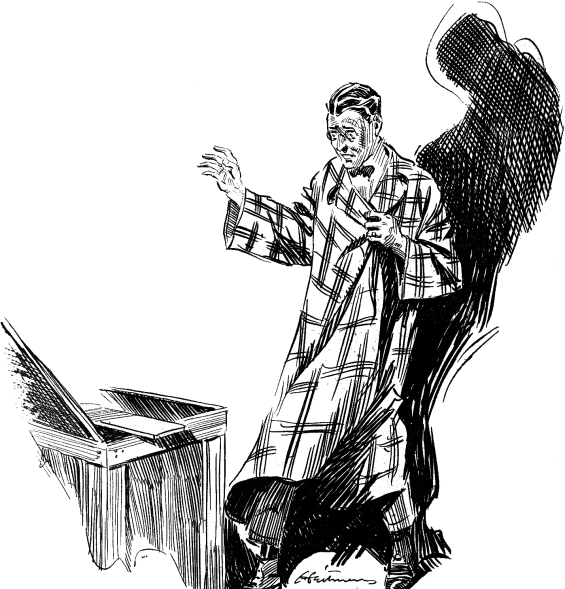
Marvel Classics #29 - The Prisoner Of Zenda

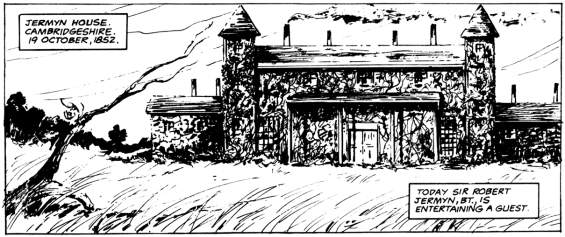
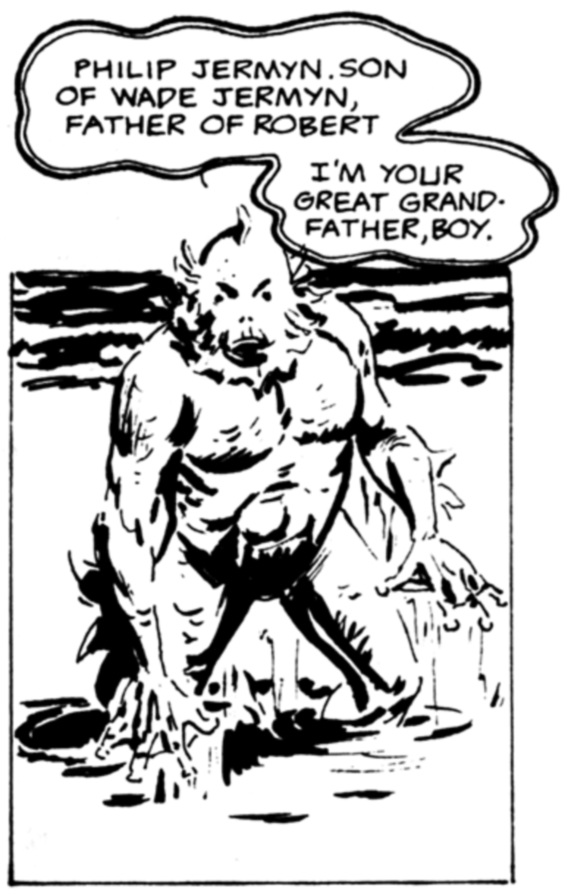
The Prisoner Of Zenda - Marvel Classics - Page 3

Zenda Castle

Marvel Classic Comics, 29

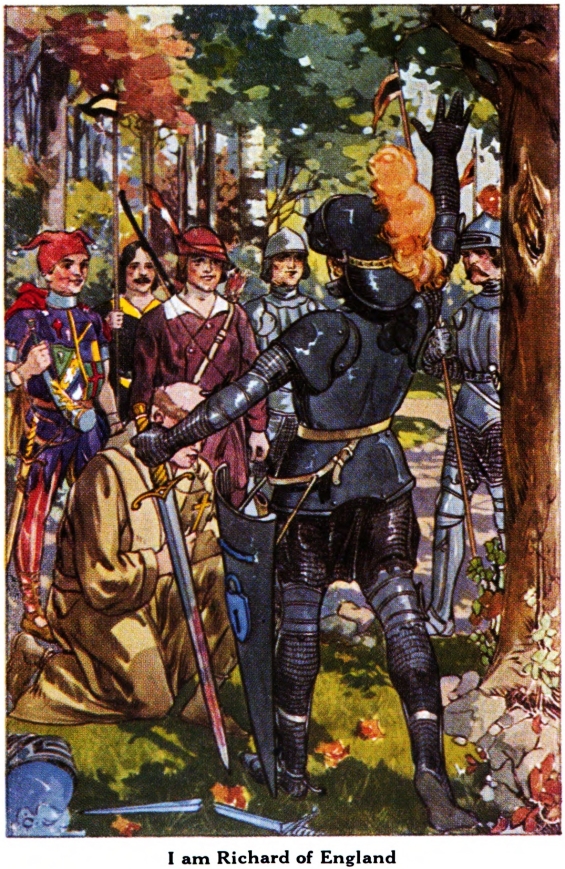
Original cover art for Classics Illustrated Issue 76 (Gilberton)

Posted by Jesse Willis
The SFFaudio Podcast #270 – AUDIOBOOK/READALONG: The Rime Of The Ancient Mariner by Samuel Taylor Coleridge

Podcast

The SFFaudio PodcastThe SFFaudio Podcast #270 – The Rime of the Ancient Mariner by Samuel Taylor Coleridge; performed by Sir Richard Burton with John Neville and Robert Hardy. This is a complete and unabridged reading of the poem (28 minutes) followed by a discussion of it. Participants in the discussion include Jesse, Seth, and Mr Jim Moon!

The audio for today’s episode comes to us courtesy of Resonance FM.

Talked about on today’s show:
The ballad form and rhyme scheme; transposing poem to Gilligan’s Island theme; poem’s opaque writing style; Romanticism’s links to modern science fiction and fantasy; Coleridge’s primary imagination; Tolkien’s sub-creation; Virgil Finlay’s art; Gustave Doré’s art; the poem’s influence on Poe and Lovecraft; Mariner as a bridge between old folklore ballads and new gothic literature; poem influenced buy medieval sea and travel tales; nature as a fantasy playground of experience; William Wordsworth’s influence on the poem; Stephen Gill’s biography of Wordsworth; Shakespeare in Love and the creative process; the special effects of Coleridge’s rhyme; “what the hell are those sea snakes?”; eels; the Sargasso Sea; the concept of Purgatory; a Salvation story injected with Pagan themes; Poe’s “imp of the perverse” as in his Black Cat; the frame narrative as morality tale; ghost ship à la Pirates of the Caribbean; the Flying Dutchman; Captain Kirk; the geography of the mariner’s voyage; search for the Northwest Passage; Aurora Australis; St. Elmo’s Fire; The Tempest; Charles Dickens’s “genius of the winter weather”; H.P. Lovecraft’s antarctic literature; parallel to Tolkien’s Leaf by Niggle; William Wordsworth’s We Are Seven; the natural and supernatural poems in Lyrical Ballads; Coleridge’s opium habit; Romantic poets as rock stars; intensity of Coleridge’s writing; comparing Wordsworth and Coleridge to Lennon and McCartney; the hermit as Tom Bombadil?, a wise man in retreat; hermit as crazy homeless dude; readers’ response to the poem; Blakeian progression from innocence to experience; Longinus; Kubla Khan; the H.G. Wellspring.

Virgil Finlay illustration of Rime Of The Ancient Mariner

The Rime Of The Ancient Mariner portfolio by Ernest Schroeder (Fantastic, Jan-Feb 1954)
Harry Turner illustration for The Rime Of The Ancient Mariner by Samuel Taylor Coleridge
Rime Of The Ancient Mariner - from World Of Wonder, issue 14

Posted by Jesse Willis

The SFFaudio Podcast #269 – AUDIOBOOK/READALONG: The Moth by H.G. Wells

Podcast

The SFFaudio PodcastSpoken Freely Presents: Summer Shorts '14The SFFaudio Podcast #269 – The Moth by H.G. Wells; read by Peter Bishop. This is a complete and unabridged reading of the short story (24 minutes) followed by a discussion of it. Participants in the discussion include Jesse, Seth and Mr Jim Moon!

Peter Bishops narration of The Moth is a part of Spoken Freely: Summer Shorts ’14 audiobook by Tantor Media – all proceeds benefit ProLiteracy.

Talked about on today’s show:
Subtitle “Genus Novo” means “new species”, or, well, new genus; not to be confused with Edgar Allan Poe’s The Sphinx; not tongue-in-cheek like Wells’s The New Accelerator or The Flowering of a Strange Orchid; morality tale; insanity; a “knife fight” of scientists; significance of names, especially when only heard in audio; genre: ghost story, scientific fiction, satire; bears relevance to scientific debates through the ages; Robert Hooke vs. Isaac Newton; Lawrence Krauss on Geek’s Guide podcast; “miracle of incompetence”; science “all works out in the end”; microlepidoptera are little moths; confirmation bias; death’s head moth in Silence of the Lambs; caterpillars, moths, and transformation; Pawkins misheard as “Porkins”; chess and diatoms; follows trends of horrible characters in Wells stories; erratic, gadfly behavior of the moth; giant maddening mosquitos in Canada; “unfortunately the doctor was a blockhead”, detached sadism; the monster inside you à la Alien; multiple readings of the story; The Door in the Wall; strait jackets; moths aren’t Lovecraftian; Lovecraft’s The Rats in the Walls.

A Moth - Genus Novo by H.G. Wells - illustrated by Arthur C. Becher
The Moth by H.G. Wells - illustration by R. E. Lawlor
House Of Mystery, 222
Ghosts 80

Posted by Jesse Willis
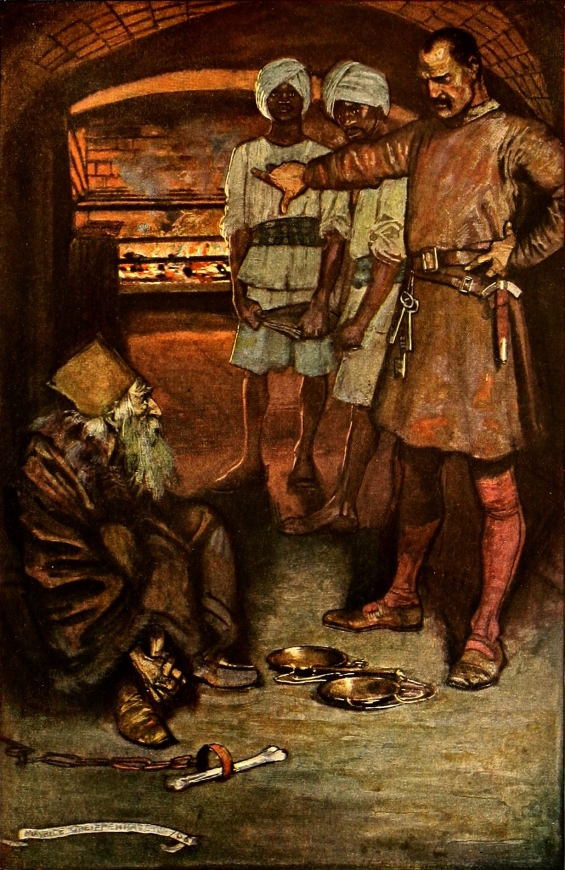
The SFFaudio Podcast #268 – AUDIOBOOK/READALONG: The New Accelerator by H.G. Wells

Podcast

The New Accelerator by H. G. WellsTheSFFaudioPodcast600The SFFaudio Podcast #268 – The New Accelerator by H.G. Wells; read by Mr Jim Moon. This is a complete and unabridged reading of the short story (40 minutes) followed by a discussion of it. Participants in the discussion include Jesse and Mr Jim Moon!

Talked about on today’s show:
1901, Sir Arthur Conan Doyle, H.G. Wells, The Speckled Band, Swamp Adder, baboons, faulty sources, generous irregularities, Dracula by Bram Stoker, the science, the speed of sound, the effect of heat on fast moving objects, how do they communicate?, the sound of the band, Audacity, Edison cylinders, sloooowing doooowwn, “let it go a bit”, the effect of gravity, “let’s go out the window”, footprints in the flower bed, a giddiness?, a sketch of The Invisible Man, Gibberne, the dog, “you’ve dropped your hankie”, naughtiness -> alienated, Star Trek, Star Trek: Voyager, The Twilight Zone, The Ring Of Gyges, invisibility, The Lord Of The Rings, “a matter for the courts”, a story about methamphetamine, positive uses, what would a society with this drug widespread be like?, Victorian gentleman, dry whiskey (mescaline), opium, cannabis, Alice In Wonderland, pharmacy, a drug fearing society, writing under the influence, why a “new” accelerator, miracle cures, Coca-cola packed with cocaine, baby soothing tinctures packed full of heroin, radium condoms, a green potion, what’s the retarder for?, Ritalin, Focusyn, “become a glacier”, When The Sleeper Wakes, sleeping aids, amphetamines, WWII, chocolate bars laced with amphetamines, “go pills”, The Food Of The Gods by H.G. Wells, boomfood, Wells would have known the Invisible Man would be blind, how science effects people, a minister could dose his assistant, is Gibberne gibbering?, Gibberne looks like “Mephistopheles”, Griffin, sinful, Faust, burning in hell, Mephistophelean, the narrator as Wells, The Strand (late 1899), is the allusion to an actor dressed as Mephistopheles or Henry James?, Sartor Resartus by Thomas Carlyle, everything is just clothing, “language is the garment of thought”, the effect of the retarder, a glacier like absence of alacrity, an entire revolution of civilized existence, the time garment of which Carlyle speaks, very-meta and existential, Diogenes Teufelsdröckh (god-born devil-dung), “we put on a new garment and that changes us”, clothing as a metaphor, the purpose of uniforms, dress-codes, signifiers, bowler hats, the chef’s hat, Daniel Ellsberg, wearing a suit to get arrested, the philosophy of violence, without knowing the allusion…, “just another of those dudes”, The Clock At The End by W.F. Harvey, being bound by time, a little story about drugs is very impactful, drugs and perception, as you age your perception of the passing of time speeds up, younger people doing their thing, ahhh yes more of the same, wisdom/cyncism of age, “no matter who you vote for the government always gets in”, things were slower in the old days, the time investment vs. a couple of clicks, phone addiction, screen addiction, he’s got a book addiction, “Mr Jim Moon is like Wikipedia with a beard”, a diary as an external hard-drive for your mind, the clothing of it, hand-mirrors, selfies, dead situations, Flappy Bird, screens as retarders and accelerators, new etiquette and new protocols, the effect of gin on the U.K., the effect of a new clothing or technology needs to work itself through the culture, tobacco, coffee, designer drugs, the backlash against comics, TV, videogames, simultaneous negative reaction, an immune reaction, the Freakonomics podcast, the temperance movement, alcohol as the safe drink (before tea and coffee), small beer (weak ale), a merry afternoon, was history so bloody in Europe because people were so pissed (drunk)?, drugs as technology, “when the robots come”, the robot in your kitchen is your dishwasher, the anti-coffee movement, “the devil’s cup”, when opium was cheaper than gin, opium -> morphine -> heroin -> methadone, health panics, Mormonism, the reason people take drugs, 12% of rats and bees have a predisposition to addiction, bee hives have bouncers, fermented apples, “its a fun little story about a cute little idea”, the mad scientist story, Dr Jekyll’s potion, new relevance for The New Accelerator, smart drugs, steroids, “among the chattering classes”, it’s all happening almost unnoticed, a new frontier of pharmacy.

The Strand Magazine 1901 - THE NEW ACCELERATOR by H.G. Wells

The Strand Magazine 1899 had two candidates for Mephistopheles

Posted by Jesse Willis
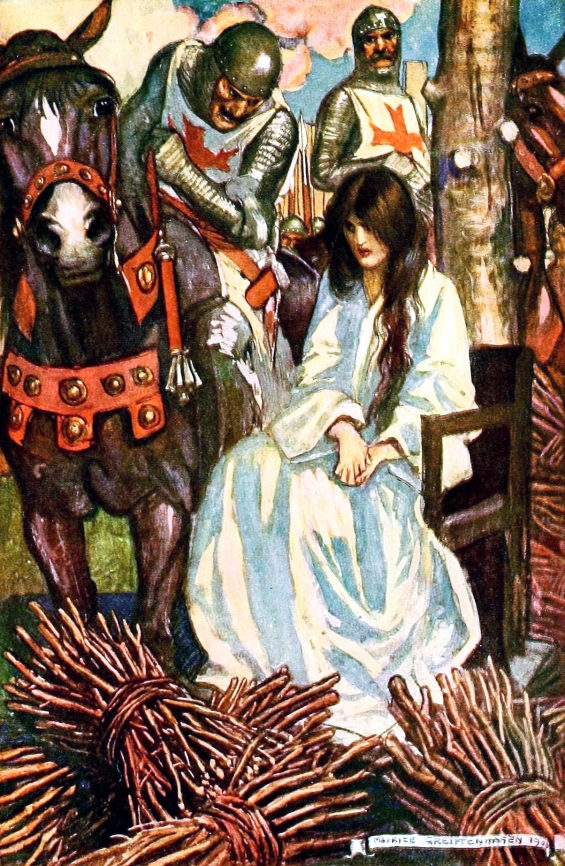
The SFFaudio Podcast #267 – NEW RELEASES/RECENT ARRIVALS

Podcast

The SFFaudio PodcastThe SFFaudio Podcast #267 – Jesse, Jenny, Tamahome, and Seth talk about NEW RELEASES and RECENT ARRIVALS.

Follow this link for a list of our latest arrivals. Note that not all books listed are discussed in the podcast.

Talked about on today’s show: Unwrapped Sky by Rjurik Davidson, “minotaurpunk”; the Thirty Years War; 1634 by David Weber and Eric Flint; The New Food by Stephen Leacock; LEGOs!; “A horse! A horse! My kingdom for a horse!”; we love narrator Jonathan Davis; Runcible spoon and vorpel sword; intentionality of names in Philip K. Dick’s work; place names in Sussex and Middle Earth; class structure from Plato to Huxley; Beyond Lies the Wub, Philip K. Dick’s first published short story; Screamers film based on Dick’s Second Variety; Jenny would like to be a rutabaga; American Gods and rereading books; The Status Civilization and Mindswap by Robert Sheckley; Jeff VanderMeer’s Southern Reach trilogy; Metro 2033 became a video game; Aristotelian unity of time, place, and action in post-apocalyptic genre; non-Western tropes take us off the beaten path; The Queen of Air and Darkness by T.H. White; tattoos make urban fantasy; prevalence of science fiction and fantasy in YA; the rule of three in fiction and humor; books about books; Sex Criminals comic by Matt Fraction; the Comics Squee podcast discussed it; the singular strengths of the comics medium; The Prestige; mirroring in fiction; The Prisoner of Zenda; Lovecraft writing Houdini; Pinkerton and Blackwater; Second Hand by Rajan Khanna featured in Lightspeed podcast; Felix Gilman’s The Half-Made World; Robert Bloch’s Hellbound Train; Joe Abercrombie’s Red Country; space operas are repurposed westerns; westerns don’t feature enough women; Star Trek; westerns on Mars; The Audiobookaneers blog might drive us out of business; Jenny looks to the future of bleakness and paranoia; Best of all Possible Worlds by Karen Lord; Saturn’s Children by Charles Stross, reviewed by Jesse.

Sex Criminals Volume One

Posted by Jesse Willis
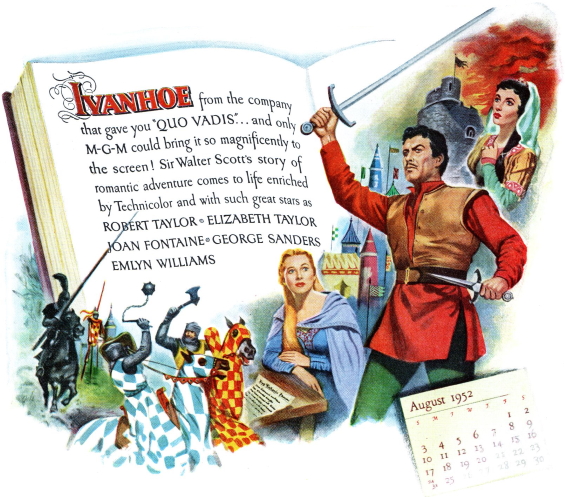
The SFFaudio Podcast #266 – READALONG: When The Sleeper Wakes by H.G. Wells

Podcast

The SFFaudio PodcastThe SFFaudio Podcast #266 – Jesse, Luke, and Juliane Kunzendorf discuss When The Sleeper Wakes by H.G. Wells

Talked about on today’s show:
Julianne’s first SFFaudio Podcast, what do we call them?, readers and talkers, 1899/1910/1923, When The Sleeper Wakes, The Sleeper Wakes, The Sleeper Awakes, Blackstone Audio’s audiobook version, the serialization in The Graphic magazine, the 1910 preface, “an editorial elder brother”, going to the original sources, a forecast of technology, technological changes between the revisions, aeroplanes and aeropiles, the introduction to the 1923 edition, “fantasias of possibility”, “suppose these forces go on novel”, H.G. Wells thought the rich were evil geniuses (prior to meeting them), “rather foolish plungers”, “vulgar rather than wicked”, Ostrog, “a nightmare of capitalism triumphant”, capitalist/socialism (kind of like Japan), The Unincorporated Man is pretty much the same story, yay Marxism!?, when Graham wakes up, Chapter 7, there only audiobooks in the future, The Man Who Would Be King by Rudyard Kipling, The Madonna Of The Future by Henry James, Heart Of Darkness by Joseph Conrad, phonetic spelling, an H.G. Wells way of writing, is it the nature of a serial, the reader transplanted into the year 2100, The War Of The Worlds, suicide, Isbister, Warming, Ostrog, Lincoln, “body fag is no cure for brain fag”, “while he was breaking his fast”, the language, lying in a crystal box, a passive character, establishing the genre, space elevators, Buck Rogers has the same premise, Idiocracy, Eine Billion Dollar by Andreas Eschbach, A Connecticut Yankee In King Arthur’s Court by Mark Twain, the importance of money, the gilded age, wealth disparity, the labour company, a dystopia along the lines of Brave New World, the Martian invasion, The Time Machine, is this the start of the Morlocks and the Eloi?, 1984 by George Orwell, the proles, the pleasure cities, distractions, the value of work beyond being paid, a class trap, what is Wells saying?, Wells’ ambivalence towards the proles, there are no more school examinations, is this a meritocracy?, technological dystopias (like 1984), social dystopias, Brave New World is a medical dystopia, genetic dystopias, knowing you live in a dystopia, North Korea, knowledge of other societies, the time before Big Brother, Julia, the Anti-Sex League, genetically dumbified, Flowers For Algernon by Daniel Keyes, religious dystopia, advertizing Christianity, prosperity gospels, church revivals, advertising, the babel machines, movies and television, what will this culture do to the culture?, “people don’t read”, airplanes, heavier-than-air aircraft, smashing airplanes into other airplanes, aerial ramming, flying machine vs. aeroplane vs. airplane vs. aeropile, My First Aeorplane by H.G. Wells, rocketships, the pilot’s union, the look of the airplane, the clothing, Victorian age dresses, the church, hanging in the air, the Thames has run dry, megalopolis, the building material, the Eiffel Tower, steel, concrete, plastic, glass, carbon fiber, biotech, Pandora’s Star, a coral house, 3D printing, Ikea Hacks, print on demand houses, economics, factories and automation, The Roads Must Roll by Robert A. Heinlein, The City And The Stars by Arthur C. Clarke, slide-walk, edamite, Ostrog, Ostrogoths, Lincoln, foment a revolution, race and racism, Senagalese, ostrog as “fortress”, a Serbian Orthodox Church, Ostrog will boss the show, “in bounds”, are these are revolutionary names?, Che Guevara, Abraham Lincoln’s freeing the slaves, thug force, Berlin, June 17th, 1953, the Berlin Wall, outside forces, Dan Carlin’s Hardcore History, Gurkhas, “see we’re all friends”, smiling bright shiny teeth, “they are fine loyal brutes”, racism is in there but it is not the point of the book, The War Of The Worlds, a little hypocritical, we can’t see the issue, massive economic suppression, calculating boys, hypnotism, economic slavery, the wealth gap, the White Council, the blaring speakers, the media firehouse, talk radio, people wearing their headphones everywhere, podcasts, each one of those streams are newspapers, a newspaper for everybody, broadsheets vs. tabolids, your newspaper tells your class, daily free newspapers, Jack The Ripper, Melville Macnaghten, Michael Ostrog (thief and con-man), the symbolism of the aircraft, the three books, Helen is the Madonna of the future, it’s a joke, the novel’s end, ‘my Graham dies without certainty of victory or defeat’, ambiguous airplanes, “literally that’s his dream”, flying dreams, cliffs and high places, Isbister and Warming -> Lincoln and Ostrog, “its fun”, “in such a fall as this countless dreams have ended”, dream falling, the different endings, the future of that future, Olaf Stapledon’s The Last And First Men, many futures, Olaf Stapledon takes what Wells does a little farther, Graham as a Christ figure, risen from the dead… etc., in Graphic detail, full colour holographic Jesus, the empty tomb moment, allusions to other literature in the Bible, Arthur C. Clarke, the Son of Man, A Story Of The Days To Come, the emptying of the countryside, the enclosures, Scotland, Canada, Glasgow, Berlin, well more than 50% of the world’s population lives in cities now, Among Others by Jo Walton, Wales, the merits of country living, the economic theory behind everything, access to internet, staring at the internet, services, live entertainment, “my choice of Christian girls was three girls”, poor Luke.

When The Sleeper Wakes by H.G. Wells
When The Sleeper Wakes by H.G. Wells - illustration by H. Lanos
When The Sleeper Wakes by H.G. Wells
H.G. Wells' 1921 Preface to The Sleeper Wakes
Amazing Stories Quarterly, Winter 1928 - illustration by Frank R. Paul

Posted by Jesse Willis