The SFFaudio Podcast #303 – READALONG: The Narrative Of Arthur Gordon Pym Of Nantucket by Edgar Allan Poe

Podcast

The SFFaudio PodcastThe SFFaudio Podcast #303 – Jesse and Paul Weimer talk about The Narrative Of Arthur Gordon Pym Of Nantucket by Edgar Allan Poe

Talked about on today’s show:
1838, Poe’s only completed novel, Paul’s Poe years, The Tell-Tale Heart, a macabre sort of phase, Deus Irae by Philip K. Dick and Roger Zelazny, fix-ups, Premature Burial, Ms. Found In A Bottle, The Oblong Box, The Gold Bug, secret codes, Poe is old and public domain and not particularly racist, The Pit And The Pendulum, the Poe theme, the death of a beautiful woman is conspicuous by her absence, the meta-commentary, Tristram Shandy, The Cask Of Amontillado, a dog named Tyger (burning bright?), William Blake, Jules Verne, An Antarctic Mystery, Ms. Found In A Copper Cylinder, Antarctica, “Ms. Found In A…”, “it was begun to have been serialized”, fake stories as true stories, Captain Cook’s Antarctic expeditions, “a labyrinth of lumber”, how to load a ship, Moby Dick by Herman Melville, Washington Irving, SF as a generally American phenomenon, a slow creep of fantastic elements, full-blown surrealism, the drinking, on the Grampus, dressing like a ghost, another phantom in white, “Mr. Pym is not available”, a genuine narrative, missing islands, a metaphor for alcoholism, sailing in a storm, half-sunk/drunk, echoes, the plague ship, the Penguin, echoes, all these lies, a note from the Wikipedia entry, fictional analogues for real events, autobiographical drinking, The Lighthouse by Edgar Allan Poe (a fragment), “I expected to inherit some money”, money problems, “he’s pouring his troubles into this manuscript”, this is Poe’s version of Dude, Where’s My Car?, an unreliable narrator, an excellent story, Samuel Taylor Coleridge’s The Rime Of The Ancient Mariner, albatrosses, thematic similarities, they eat many birds, “an unmentionable thought”, subsequent cannibalism, the same ghost ship as in Rime?, Antarctic spirits, H.P. Lovecraft, the subtitle:

Comprising the Details of Mutiny and Atrocious Butchery on Board the American Brig Grampus, on Her Way to the South Seas, in the Month of June, 1827. With an Account of the Recapture of the Vessel by the Survivers; Their Shipwreck and Subsequent Horrible Sufferings from Famine; Their Deliverance by Means of the British Schooner Jane Guy; the Brief Cruise of this Latter Vessel in the Atlantic Ocean; Her Capture, and the Massacre of Her Crew Among a Group of Islands in the Eighty-Fourth Parallel of Southern Latitude; Together with the Incredible Adventures and Discoveries Still Farther South to Which That Distressing Calamity Gave Rise.

who wrote the subtitle?, they didn’t have the concept of spoilers, the opposite of a spoiler, The Savage Land (Marvel Universe), Edgar Rice Burroughs’ The Land That Time Forgot, a hollow earth theory, this is a Science Fiction book in a strange sense, what’s with the multi-layered coloured water?, the strange creatures, the creature’s corpse in the white waters, is Australia a place?, At The Mountains Of Madness, why Poe is not in outer space, basically these Antarctic people are aliens, this is very Stanley G. Weinbaum (A Martian Odyssey), Michael Moorcock’s Seas Of Fate, H. Rider Haggard, duplicitous natives in the black land, what will be in the white lands?, a heavily read book (in the 19th century), The House Of The Seven Gables by Nathaniel Hawthorne, when Lovecraft describes it…, haunted by the architecture of homes, Lovecraft’s description of Pym:

“In the Narrative of A. Gordon Pym the voyagers reach first a strange south polar land of murderous savages where nothing is white and where vast rocky ravines have the form of titanic Egyptian letters spelling terrible primal arcana of earth; and thereafter a still more mysterious realm where everything is white, and where shrouded giants and snowy-plumed birds guard a cryptic cataract of mist which empties from immeasurable celestial heights into a torrid milky sea.”

pouring into the hollow Earth?, Journey To The Center Of The Earth, At The Earth’s Core, Kublah Khan by Samuel Taylor Coleridge, leaving the ending open to the reader, how will he get back to Nantucket?, the names A. Gordon Pym and E. Allan Poe, framing devices, The Turn Of The Screw, a framing device gives the reader an extra distance, The Secret Sharer by Joseph Conrad, Robert Silverberg’s The Secret Sharer, the southern polar bear, “Tekeli-li, tekeli-li.” the face of an open book, downy feathers, what does it mean?, whiteness, philological scrutiny, “white-phobic”, the audiobook narration, copyright, a total Poe thing to do, Poe loved cryptography, Poe would be writing in Elvish, a font nerd, hanging out with Charles Stross and Alan Moore, can you imagine Poe at a Worldcon?, a drunkard’s story, shoplifting at The Innsmouth Bookshop, Fungi From Yuggoth XV: Antarktos:

Deep in my dream the great bird whispered queerly
Of the black cone amid the polar waste;
Pushing above the ice-sheet lone and drearly,
By storm-crazed aeons battered and defaced.
Hither no living earth-shapes take their courses,
And only pale auroras and faint suns
Glow on that pitted rock, whose primal sources
Are guessed at dimly by the Elder Ones.

If men should glimpse it, they would merely wonder
What tricky mound of Nature’s build they spied;
But the bird told of vaster parts, that under
The mile-deep ice-shroud crouch and brood and bide.
God help the dreamer whose mad visions shew
Those dead eyes set in crystal gulfs below!

the black cone, the primal sources, Lovecraft quoting himself, that shrouded white figure, “Tekeli-li don’t kill the albatross”, Lemuria, Thule, the novel as a journey, how do you return from the surreal?, what happened to Tyger?, they ate him!, Dirk Peters (so manly he has two penises), Tyger’s collar, someone was going to drown the dog, poor Tyger, a horrendously awful horrifying experience, when Paul Theroux visited Jorge Luis Borges he read him The Narrative Of Arthur Gordon Pym Of Nantucket, Borges thought Pym was Poe’s greatest work, the interest in the meta, strange runes, Lovecraft was a teetotaler, deep into madness (not drunken madness), genetic disease or confronting reality, The Call of Cthulhu, dreams, a fever dream?, forgetting, a change in tenses, the missing two or three final chapters, Xeno’s paradox, a Mercator map, and Greenland, is that all racism?, “a nautical negro”, Toni Morrison, the black cook, don’t go into a tiny box-canyon with natives of any colour, scrupulously honest, earlier bushwhacked voyagers, going piratical?, going whaling?, the mutiny, Mr. Starbuck, why is Pym stowing away in the first place?, the captain that ran them down was drunk, boating skills, Treasure Island, Augustus’ father, the inexplicable weevils, “taking liberally from the spirits”, this narrative is full of holes, a free sea voyage, Pym is a teenager, everybody has a boat on Nantucket, an adventure of a lifetime, Pym is “not available”, Jeremiah N. Reynolds, Poe’s last word was “Reynolds”, a possibly apocryphal story, Mocha Dick, the long conversation of conversation of Science Fiction, Moby Dick is in dialogue with Pym and Mocha Dick, bibliographic archaeology, The Island Of Doctor Moreau by H.G. Wells, in a dinghy, considering cannibalism, drawing straws, “and dropped like stones”, did their bones dropped likes stones?, the narrator becomes more and more unreliable, dis-masted, a teetotaler who drinks only coffee.

The Narrative Of Arthur Gordon Pym Of Nantucket - subtitle

The Narrative Of A. Gordon Pym by Edgar Allan Poe - 1902 illustration by Frederick Simpson Coburn

The Narrative Of A. Gordon Pym by Edgar Allan Poe - 1902 illustration by Frederick Simpson Coburn

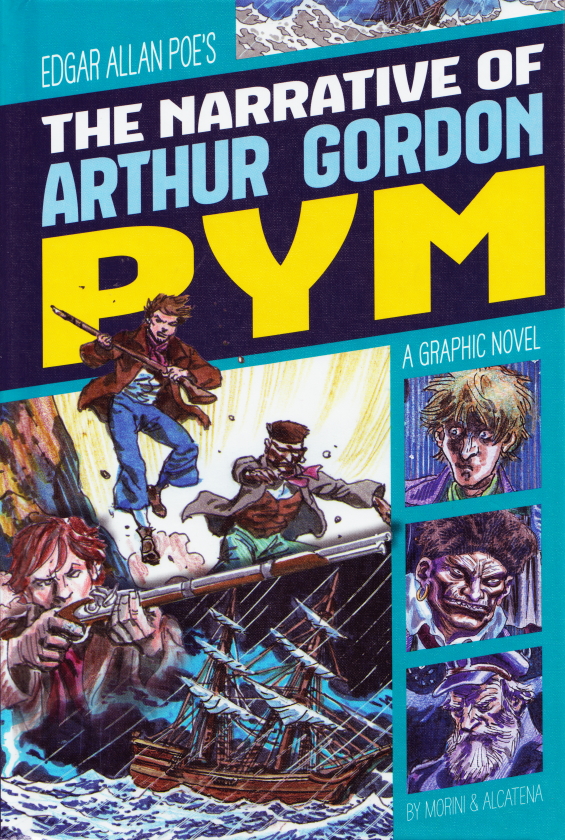
The Narrative Of Arthur Gordon Pym adapted by Morin and Alcatena

Posted by Jesse Willis

The SFFaudio Podcast #299 – READALONG: Northanger Abbey by Jane Austen

Podcast

The SFFaudio PodcastThe SFFaudio Podcast #299 – Jesse and Julie Davis talk about Northanger Abbey by Jane Austen.

Talked about on today’s show:
North ANGER! Abbey, this is a comedy, parody and meta-gothic novel, The Mysteries Of Udolpho, an inversion, Jane Austen is hilarious, The Jane Austen Book Club (the movie), documentaries, “its very meta”, her first (and almost) last novel, the advertizement from the authoress, fashions of literature and clothing, Tilney and Thorpe, the price of everything, a braggart, going afoul, a terrible sketch,
A Jane Austen Education: How Six Novels Taught Me About Love, Friendship, And the Things That Really Matter by William Deresiewicz, don’t just believe what everybody teaches you, desperate characters, Pride And Prejudice, letting you think, going along, women are supposed to be passive, a woman’s only right is to refuse, railroaded by stronger personalities, “…born to be an heroine”, a mundane life, Catherine is living her life in the third person as a Gothic romance heroine, 1,000 alarming presentiments, romance subverted, The Mysteries Of Udolpho as a less realistic and hyped up version of Northanger Abbey, the labyrinth is society not Mrs. Radcliffe’s Apennines, Emma, Mrs. Allen, it’s just not done, Isabelle’s master list of Gothic Novels, “there’s nothing I wouldn’t do for someone who isn’t my friend”, an open conversation, “I wish we knew someone here”, she’s 15, true to human nature, the arch narrator, hands and heads in the proper number to go around for all the children, Frederick, I’ve broken with my father, just like in a Gothic novel, the (BBC) audio drama of The Mysteries Of Udolpho, “you should really try Ursula K. Le Guin”, absolutely horrid!, the black wardrobe!, a character sketch (illustrated below), “She seized, with an unsteady hand, the precious manuscript, for half a glance sufficed to ascertain written characters; and while she acknowledged with awful sensations…”, a washing bill!, Eleanor, everything is explained, the volumes, a rushed ending?, the mysterious messenger, Henry’s true character, reining in your own imagination, Washington Irving’s The Legend Of Sleepy Hollow, he’s spooking himself, the description of the birds, the slaves, New York, giving facts and making comments, we are doing a lot of the colouring, the one thing we know about readers is that they read, the reading process, the black veil <-is from The Mysteries Of Udolpho, The Minister’s Black Veil by Nathaniel Hawthorne, a very funny (as in curious) story, Castle Of Otranto by Horace Walpole, supernatural elements, the refinements, the timelessness, Phyllis Whitney, Mrs. Radcliffe, The Oval Portrait by Edgar Allan Poe, what went wrong?, The Turn Of The Screw by Henry James, Herman Melville’s Billy Budd, The Devil To Pay, Sir Walter Scott, H.P. Lovecraft, Georgette Heyer, Northanger Abbey as a modern novel by Val McDermid, a YA novel, Fahrenheit 451, serving as a feeder, everybody is reading these trashy novels, an impassioned defense of the novel, you can’t live your life as if it was a novel, two movie adaptions, the 2007 ITV production, plot shorthand, Lord Byron, something terrible coming out of London, two tombstones and a lantern on the frontispiece, all of Jane Austen’s books have soldiers in them, a timeless focus on the people, when Julie met Jenny, these are characters not plots, sitting at the piano, The Many Lovers of Jane Austen, a Texas convention, with Klingons and Kirks, WWI, cigarettes and something to read, Mansfield Park, Mrs. Allen but with an edge, Juliet Stevenson as a narrator, 170 books read (in 2014), reading speed, a stumbling savourer, The Pickwick Papers by Charles Dickens, solitary reading vs. group reading, trains boost reading, “drawing room reading like singing, piano playing, and card”, scandalous reading, reading out loud, David Timson’s Dickens narrations, dramatic readings, Dickens invented the audiobook, Charles Dickens And The Great Theatre Of The World by Simon Callow, Elizabeth Klett’s reading of Carmilla, oh my!,

I leave it to be settled, by whomsoever it may concern, whether the tendency of this work be altogether to recommend parental tyranny, or reward filial disobedience.

“Who? What? Your love? Well, that’s super”, he was not in the least addicted to locking up his daughters,

“…and he was not in the least addicted to locking up his daughters. Her mother was a woman of useful plain sense, with a good temper, and, what is more remarkable, with a good constitution.”

surrounded by children, they all have to tucked in, they’re genteel, it was wet that day, a good introduction to Jane Austen.

Northanger Abbey - Marvel Comics Adaptation

Catherine Morland - Character Sketches (1892)

Posted by Jesse Willis
The SFFaudio Podcast #296 – AUDIOBOOK/READALONG: The Mound by H.P. Lovecraft and Zealia Bishop

Podcast

The Mound by H.P. Lovecraft and Z.B. Bishop

The SFFaudio PodcastThe SFFaudio Podcast #296 – The Mound by H.P. Lovecraft and Zealia Bishop; read by Jim Campanella (from Uvula Audio). This is an unabridged reading of the story (3 hours 18 minutes) followed by a discussion of it. Participants in the discussion include Jesse, John Feaster, and Jim Campanella.

Talked about on today’s show:
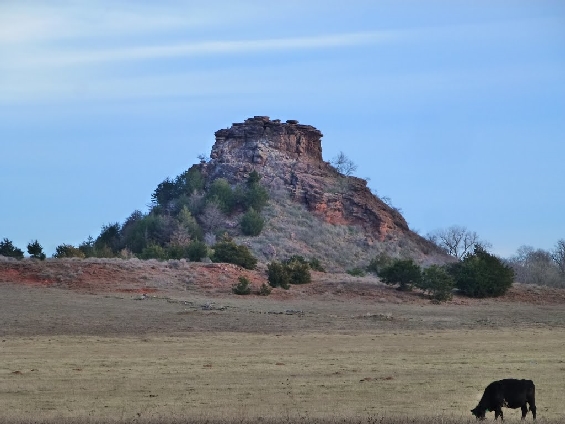
The least interesting part, the headless ghost that is sometimes is a woman, why isn’t this story better known, a bait and switch, an Edgar Rice Burroughs pastiche written by H.P. Lovecraft, getting the girl, A Strange Manuscript Found In A Cthulhu Cylinder, Ms. Found In A Bottle, The Curse Of Yig, the unnamed ethnologist, Quetzalcoatl, slithering like a man, The Mountains Of Madness, The Horror In The Museum, the original version, the Bishops of Dunwich, aggressively biblical, strange lost societies, The Whisperer In Darkness, the underworld, Grey Owl, Grey Eagle, unabridged and (not unedited), a Cthulhu coin, a science fiction story, atomic power, materialize objects, body sculpting, Robert E. Howard, Zamacona, Cibola, a city of gold, inured to torture, a magnetic star metal, Xibalba (Mayan Hell), Mayans Incas Aztecs, The H.P. Lovecraft Literary Podcast, a forerunner to Brave New World, cannibalism, unicorn cattle, our world in their Hell, The Hound, sooo decadent, corpse hunters, a cartoon of evil, proto-emo-goths, are they interested in Zamacona, oooh he’s a savage!, morals are lost by boredom, civilization decays to barbarism, Red Nails by Robert E. Howard, The Red One by Jack London, disturbing culture, romances, disintegrating penises, lost worlds, he doesn’t do ghosts, all of the problems, headless and alive, convoluted, very Star Treky, a headless zombie, a secret history to this story, black flesh dissolving slime, The Festival, Indian skulls, the original headless ghost, headlessness is not a thing, The Legend Of Sleepy Hollow by Washington Irving, strange shaped skulls, conquistadors gotta conquista, they could completely destroy us, the Roman aqueducts, bad medicine, Chief Sitting Bull, “Yes, no, and you bet”, B.C.’s native languages, water in BC is “chuck”, ocean is “salt chuck”, trading languages, ghost hunters and treasure hunters, dowsing doodlebugs, these are not barrows, this is a butte, Tikal (Guatemala), Teotihuacan (Mexico), Star Wars, parking your X-Wings, strange carvings on sandstone, Jack London’s The Red One, 1918, Charles Fort, 1919, Cahokia, plowed under, a cursed Pizza Hut, chocolate, potatoes, tomatoes and syphilis, Woodhenge, totem-poles, why we always talk about Romans (because we have books written by them), the Incan writing system (knots), cuneiform, we’ve got to get more styluses.

The Mound by H.P. Lovecraft

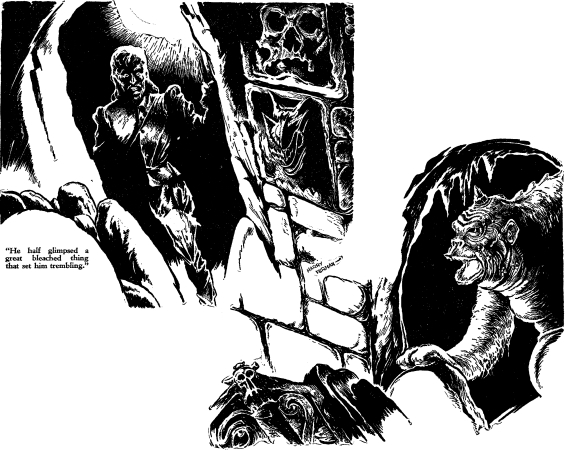
The Mound

Posted by Jesse Willis

The SFFaudio Podcast #290 – AUDIOBOOK/READALONG: The Legend Of Sleepy Hollow by Washington Irving

Podcast

The Legend Of Sleepy Hollow by Washington Irving
The SFFaudio PodcastThe SFFaudio Podcast #290 – The Legend Of Sleepy Hollow by Washington Irving; read by Chip (for LibriVox). This is an unabridged reading of the novelette (1 hour 23 minutes) followed by a discussion of it. Participants in the discussion include Jesse, Mr Jim Moon, and John Feaster.

Talked about on today’s show:
1820 (1819), the idea behind the story, Celtic folklore, Sir Gawain And The Green Knight, the Wild Hunt, Geoffrey Crayon, Popular Tales Of The Germans, Volksmärchen der Deutschenby Karl Musäus, racing to a bridged, a shattered gourd, Sir Walter Scott, “the wizard of the north”, Tam O’ Shanter by Robert Burns, headless ghosts, Anne Boleyn, headless horses!, jack-o’-lantern, is this a Halloween story or a Thanksgiving story?, 1834, the word “coconut” (head and soul), the South Pacific, breadfruit, The Red One by Jack London, the shattered pumpkin becomes carved into a Jack-O-Lantern, Brom Bones, meta-textual inference, Washington Irving is buried in Sleepy Hollow, NY, a Hessian artilleryman, a sleepy forgotten area, Rip Van Winkle, the Dutch of New York are like the Irish of the British empire, a Connecticut Yankee teacher, sleep, bustling New York City, Tarrytown, Nathaniel Hawthorne, Irving’s loving description of the landscape is like Lovecraft’s loving description of architecture, the jokey Washington Irving, Guests From Gibbet Island by Washington Irving, pirates, Pluto, “nod, wink, and giggle”, a comedy with a great sense of mood, the many birds, Crane, pudding in their bellies, the Van Tassel larder, a low yield version of 20,000 Leagues Under The Sea by Jules Verne, an excellent ragù, an exquisitely painted portrait, Jeff Goldblum playing Ichabod Crane, the dilating abilities of an anaconda, the full orchards, the rooster with his wives, The House Of The Seven Gables, “the world’s first Scooby Doo ending”, Brom Bones is a colossal prick, anti-intellectual, having read several books all the way through, Cotton Mather, the labour of headwork, headlessness, a practical joke, the post-script, the moral (if it has one or if it needs one), The Cask Of Amontillado by Edgar Allan Poe, a deathbed confession, family portraits or a mirror, “in pace requiescat”, alternate endings, the 1999 movie adaptation with Johnny Depp, “Rip van Kolchak”, beheading an embryo, the imagery, Christopher Lee, Marvel Comics adaptations, Ghost Rider, a goblin, J.R.R. Tolkien, distinguishing between goblins and orcs, interchangeable terms, Scrooge, FOLKLORE ON FRIDAY – Headless Horsemen, a whip made of a human spine, the Comics Code Authority, Morbius: The LIVING Vampire, the gaffers at von Tassel’s quilting frolic, an old brower, the Wild Hunt (again), rivers marking town boundaries, “liminal areas”, “a marvelously gruesome book”, Vampires, Burial, and Death: Folklore and Reality by Paul Barber, vampires can’t cross running water, a Dukes of Hazzard crossover, the Disney/Bing Crosby cartoon, The Wind in the Willows, The Partially Examined Life (talking the American philosophers), walking while reading a book vs. walking while reading a phone, van Ripper, Gunpowder (the horse), anti-intellectual vs. hyper-competence, Sleepy Hollow as a vision of America (as opposed to Europe), William James, Henry James, young and different, Henry David Thoreau, Walden, the American Revolutionary War, NYC vs. NY State, Irving regretting the American revolution, Lovecraft’s nostalgia, a very American story, “the world’s turned upside down!”, Ivanhoe, enbosomed in the mountains, a debunking, Frank L. Baum’s new creations for an American fantasy, Kansas, the tin woodsman’s chopping, a cyborg version of the Ship of Theseus, written for little children, the heart is more important than the brains, Brom Bones as the hero, Ichabod mucks-in, haunted tulip tree, Major Andre, an unselfconscious hero, corporal punishment, Wackford Squeers from Nicholas Nickleby by Charles Dickens, a wise-schoolmaster, spare the rod and spoil the child, “six of the best when they were ten”, dancing around the issue, squishing, Starship Troopers by Robert A. Heinlein, “if this were the middle ages and he were a viking…”, Sons Of Anarchy vs. Vikings, bearded vengeance, ichthyology, von Ripper, von Brunt, von Tassel, von Brunt Colonel Ichabod Crane, The Castle Of Indolence by James Thomson, Gothic credentials, autumn, the sleepy hollow boys, Twin Peaks and the Bookhouse boys, the good old boys, more references to NASCAR, Brom Bones as an archetype, the Sleepy Hollow TV show, we can’t CGI our way out of bad writing, “Alan Moore-esque”, “nice, self-contained, and pretty much done”, Katrina as a master manipulator, singing lessons, it’s been haunted forever (maybe 30 years), belief in hauntings vs. belief in ghosts, a haunted green shag carpet, the stain, something was dragging itself on the ground, “The Stone Tape” hypothesis, “creeped by some creepy creepness”, a bad place, Salem’s Lot by Stephen King, poltergeist activity, Brom Bonesey, the 1790 setting, a haunted beach?, Center Lake, a hat sodden with blood, a headless borrower, a local Jimmy Hoffa, folklore becomes enmeshed, why does she settle for Brom Bones?, “a man of great parts”, Shakespeare: “Ale promoteth the desire but taketh away all performance”, Diogenes: “If only I could alleviate my hunger by rubbing my belly”

Supernatural Thrillers - The Headless Horseman Rides Again
The Headless Horseman and Ichabod Crane
The Legend Of Sleepy Hollow - Word Cloud
The Legend Of Sleepy Hollow - "What Fearful Shapes And Shadows Beset His Path" (1899)
The Legend Of Sleepy Hollow by Washington Irving - illustration by Jason Juta
Sleepy Hollow - illustration by Scott Gotto

Posted by Jesse Willis

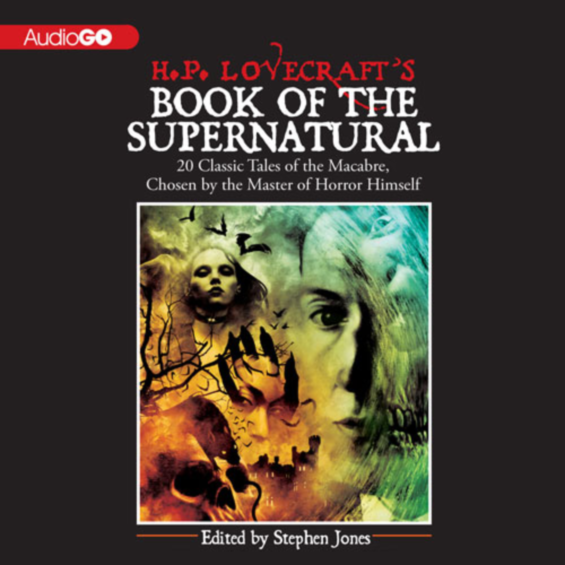
Recent Arrivals: AudioGo: H.P. Lovecraft’s Book Of The Supernatural edited by Stephen Jones

SFFaudio Recent Arrivals

Recently arrived, and currently being soaked in through my skin and ears, is this giant collection of weird fiction. Assembled from a list of stories found in H.P. Lovecraft’s essay Supernatural Horror In Literature, it is a collection of well known and obscure classics by authors that H.P. Lovecraft loved.

Looking at the table of contents I noted that I’d already read several of the stories in this collection – including The Turn Of The Screw (we did a podcast about that one), the engimatic Christmas horror Markheim, the scientific ghost tale What Was It?, the unutterably creepy and horrific The Voice In The Night very recently, and many years ago, perhaps in high school, The Yellow Wallpaper. But even though I’ve read some of these stories already I’m still very excited. Each of the stories seems to be preceded by some relevant words by Lovecraft himself – and at the very least I will be listening to the mini-introductions to those stories I am well familiar with.

Until then I will content myself in listening to the unknown ones. For example, the frightful first person narrative of Who Knows? by Guy de Maupassant is thrilling and wondering me in the exact same way The Horla almost exactly one year ago. It’s wonderful!

AUDIO GO - H.P. Lovecraft's Book Of The Supernatural edited by Stephen Jones

H.P. Lovecraft’s Book Of The Supernatural
Edited by Stephen Jones; Read by Bronson Pinchot, Stephen Crossley, Davina Porter, Madeleine Lambert, Mark Peckham
MP3 DOWNLOAD – Approx. 16 Hours 44 Minutes [UNABRIDGED]
Publisher: AudioGo
Published: August 1, 2012
Written by arguably the most important horror writer of the twentieth century, H.P. Lovecraft’s 1927 essay Supernatural Horror in Literature traces the evolution of the genre from the early Gothic novels to the work of contemporary American and British authors. Throughout, Lovecraft acknowledges those authors and stories that he feels are the very finest the horror field has to offer: Washington Irving, Edgar Allan Poe, Henry James, Rudyard Kipling, Bram Stoker, Robert Louis Stevenson, Guy de Maupassant, Ambrose Bierce, and Arthur Conan Doyle, each prefaced by Lovecraft’s own opinions and insights in their work. This chilling collection also contains Henry James’ wonderfully atmospheric short novel…The Turn of the Screw. For every fan of modern horror, here is an opportunity to rediscover the origins of the genre with some of most terrifying stories ever imagined.

Here’s the table of contents:
Introduction by editor Stephen Jones – Approx. 7 Minutes
Notes on Writing Weird Fiction By H.P. Lovecraft – Approx. 11 Minutes
The Tale of the German Student by Washington Irving – Approx. 14 Minutes
Markheim by Robert Louis Stevenson – Approx. 49 Minutes
Who Knows? by Guy de Maupassant – Approx. 34 Minutes
The Invisible Eye by Erckmann-Chatrian – Approx. 41 Minutes
The Torture by Hope by Villiers de l’Isle Adam – Approx. 15 Minutes
Ms. Found in a Bottle by Edgar Allan Poe – Approx. 29 Minutes
What Was It? by Fitz-James O’Brien – Approx. 34 Minutes
The Middle Toe of the Right Foot by Ambrose Bierce – Approx. 24 Minutes
The Turn Of The Screw by Henry James – Approx. 4 Hours 52 Minutes
The Dead Smile by F. Marion Crawford – Approx. 57 Minutes
The Wind In The Rose-Bush by Mary E. Wilkins-Freeman – Approx. 38 Minutes
The Yellow Wallpaper by Charlotte Perkins Gilman – Approx. 36 Minutes
The Recrudescence of Imray by Rudyard Kipling – Approx. 30 Minutes
The Hands Of Karma (Ingwa-banashi) by Lafcadio Hearn – Approx. 11 Minutes
The Burial Of The Rats by Bram Stoker – Approx. 1 Hour 7 Minutes
The Red Lodge by H.R. Wakefield – Approx. 35 Minutes
The Captain Of The Pole-Star by Sir Arthur Conan Doyle – Approx. 1 Hour 6 Minutes
The Villa Desiree by May Sinclair – Approx. 28 Minutes
The Voice In The Night by William Hope Hodgson – Approx. 36 Minutes
Novel of the White Powder by Arthur Machen – Approx. 48 Minutes

Posted by Jesse Willis

New Releases: AudioGo: H.P. Lovecraft’s Book Of The Supernatural

New Releases

AUDIO GO - H.P. Lovecraft's Book Of The Supernatural edited by Stephen Jones

H.P. Lovecraft’s Book Of The Supernatural
Edited by Stephen Jones; Read by Bronson Pinchot, Stephen Crossley, Davina Porter, Madeleine Lambert, Mark Peckham
MP3 DOWNLOAD – [UNABRIDGED]
Publisher: AudioGo
Published: August 1, 2012
Written by arguably the most important horror writer of the twentieth century, H. P. Lovecraft’s 1927 essay Supernatural Horror in Literature traces the evolution of the genre from the early Gothic novels to the work of contemporary American and British authors. Throughout, Lovecraft acknowledges those authors and stories that he feels are the very finest the horror field has to offer: Washington Irving, Edgar Allan Poe, Henry James, Rudyard Kipling, Bram Stoker, Robert Louis Stevenson, Guy de Maupassant, Ambrose Bierce, and Arthur Conan Doyle, each prefaced by Lovecraft’s own opinions and insights in their work. This chilling collection also contains Henry James’ wonderfully atmospheric short novel…The Turn of the Screw. For every fan of modern horror, here is an opportunity to rediscover the origins of the genre with some of most terrifying stories ever imagined.

The audio sample says it includes “20 classics of the macabre.” I’ll try to get a list.

Here’s the TOC:

an introduction by editor Stephen Jones
Notes on Writing Weird Fiction By H.P. Lovecraft
The Tale of the German Student by Washington Irving
Markheim by Robert Louis Stevenson
Who Knows? by Guy de Maupassant
The Invisible Eye by Erckmann-Chatrian
The Torture by Hope by Villiers de l’Isle Adam
Ms. Found in a Bottle by Edgar Allan Poe
What Was It? by Fitz-James O’Brien
The Middle Toe of the Right Foot by Ambrose Bierce
The Turn of the Screw by Henry James
The Dead Smile by F. Marion Crawford
The Wind in the Rose-Bush by Mary E. Wilkins-Freeman
The Yellow Wallpaper by Charlotte Perkins Gilman
The Recrudescence of Imray by Rudyard Kipling
The Hands of Karma (Ingwa-banashi) by Lafcadio Hearn
The Burial of the Rats by Bram Stoker
The Red Lodge by H.R. Wakefield
The Captain of the Pole-Star by Sir Arthur Conan Doyle
The Villa Desiree by May Sinclair
The Voice in the Night by William Hope Hodgson
Novel of the White Powder by Arthur Machen

[Thanks Amy!]

Posted by Jesse Willis