
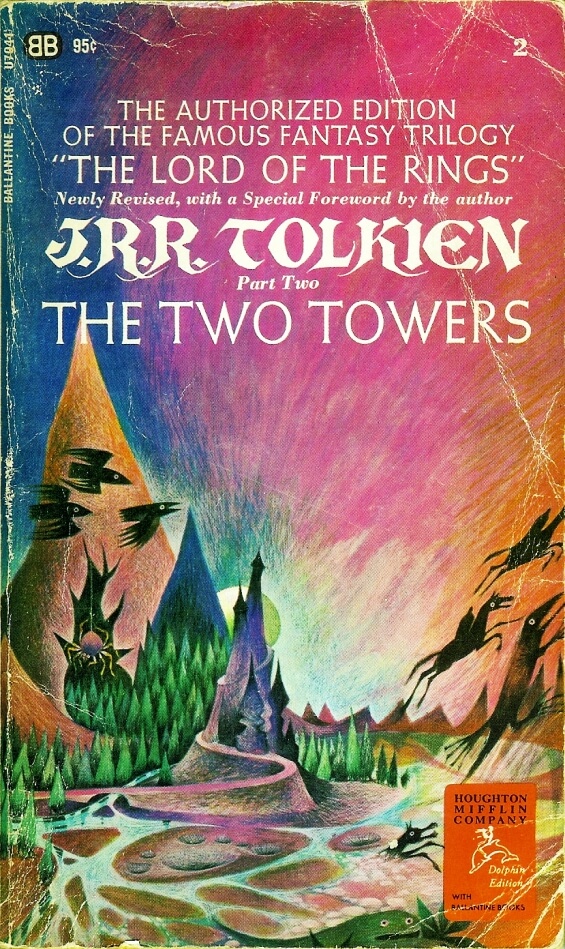
The SFFaudio Podcast #319 – Jesse, Julie Davis, Seth, and Maissa continue their journey through The Lord of the Rings by J.R.R. Tolkien with a discussion of Book III “The Treason of Isengard” (aka the first half of The Two Towers).
Talked about on today’s show:
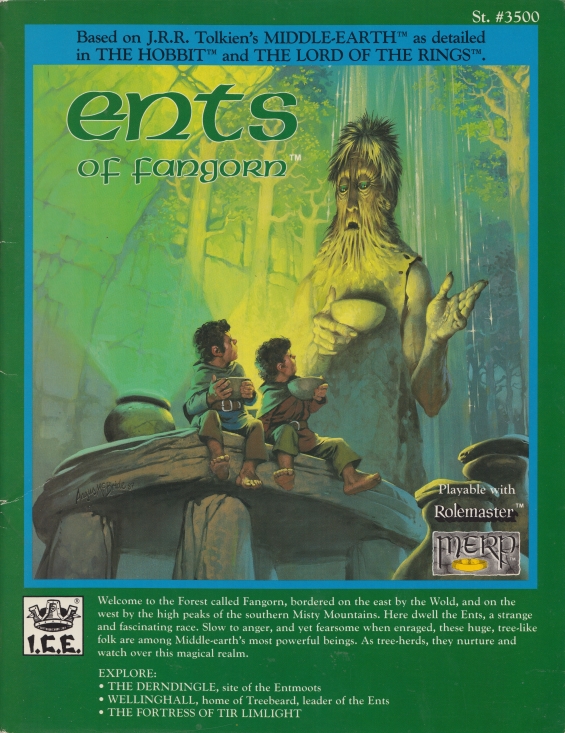
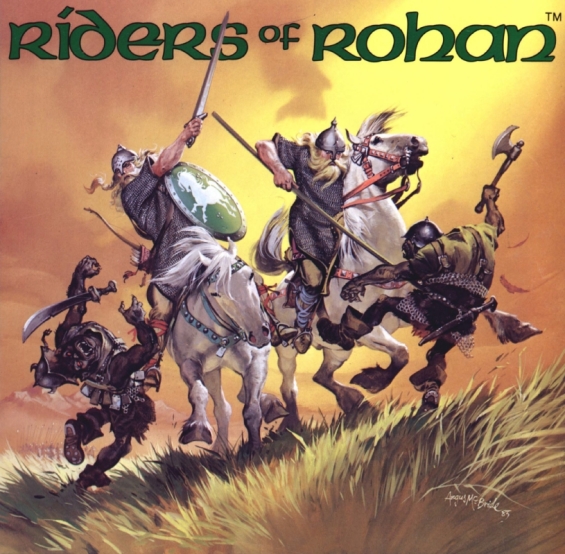
Lord of the Rings was published in three volumes instead of six volumes due to paper shortages; surprise, Jesse prefers shorter volumes; Ayn Rand’s thick books, and thin books like Anthem; pocket editions of The Hobbit; small books make us feel like giant Alice in Wonder characters; The Two Towers is the shortest volume, though Return of the King is bulked up by appendices; as a first-time reader, Maissa appreciated the quick pacing; Anthony Boucher’s review claims the volume makes “inordinate demands” on readers; overwhelming back history; the difference of reading review and reading for pleasure; reading at Shadowfax speed!; “hope is in speed”; the poetry of Tolkien’s prose; Anglo-Saxon influence on alliteration in Rohan speech; the beauty of Tolkien’s descriptions; Gimli’s descriptions of the caves; the illegitimate heirs of Tolkien can’t compete with Tolkien’s command of language; the Orcs as comic relief; three factions of Orcs set against the three races of runners; Legolas and Gimli working through their differences; evil by definition does not make alliances; Saruman’s cloak of many colors as a symbol of evil; the Orcs’ lack of coöperation; who is the wandering old man in the hat?; the contrast between the Orc draught and Ent draught, similar to Gandalf’s flask of Miruvor in Book II; the persistent symbolism of waters and drinking in this volume; similarities between Rohan and Anglo Saxon culture; linguistic parallels between the speech of the Rohirrim and Old English; “sister-daughter” and different familial relations in Rohan; the emerging importance of Éowyn; the underpopulation of Middle Earth; parallels between the Third Age of Middle Earth and Europe after the “fall” of Rome; Gondor = Rome to some Tolkien scholars; Dan Carlin’s Blueprint for Armageddon on World War I; the influence of World War I on Tolkien’s writing; flood and trench imagery of Orthanc recalls the devastation of World War I; Middle Earth (and the modern world) is in a time of transition; conversation with Éomer about the persistence of legends; “not we, but those who come after, will make the legends of our time”; people tend not to recognize they’re in a time of transition; Jesse deftly defines “Flotsam and Jetsam” for us and ties them into the book’s backward-looking and forward-looking symbolism; Tolkien’s love of etymology; action like the Ents’ storming of Isengard happens off-stage; Agatha Christie style foreshadowing with Longbottom Leaf; we don’t really care about Helm’s Deep; “Aragorn joined Éomer in the van”; horrible tree puns; Old Forest as the Fangorn of the West; we’re pretty sure the Entwives are hanging out there; the Elves are less interesting than Ents because the Elves are too perfect; the Elves talked the Ents into wakefulness; Shadowfax’s race of horses can understand the speech of men; the pre-speech age of human beings and Koko the gorilla; the Rangers are the detectives of Middle Earth; Voltaire’s Zadie and Poe’s C. Auguste Dupin from The Murders in the Rue Morgue; debate about existence of evidence for the Entwines–stay tuned to the next volume!; finding the Entwives = Mission Impossible (cue theme); the growth (in many ways) of Merry and Pippin; Gandalf’s foresight in allowing them to join the Fellowship; “they are the pebbles that began the avalanche of the Ents’ rising”; the three runners sped 220 kilometers in four days; it proved fortuitous that Pippin found the Palantir; the Palantir is FaceTime with Sauron; Merry and Pippin were key to Boromir’s redemption; return of the black swans–and the eagle!; Ariel in The Tempest by Shakespeare does all the work for Prospero, just like the eagles; Gandalf actually performs magic in “The Voice of Saruman” chapter; the voice in Dune; Gandalf takes over the council of wizards; the blue wizards aren’t present because they’re too “swear-y”; the recurring importance of choice; Tolkien is always on the side of free will; Aragorn’s decision not to follow Frodo; Palantir are the “seven stones” of Gondor’s flag; the Palantir is neither good nor evil; Palantir symbolizes communication of superpowers between the world wars, and the iconic red phone; The Victorian Internet by Tom Standee: the telegraph is the best thing since sliced bread; the lazy visual shortcuts that the movie takes with the Palantir and with Saruman’s influence on Théoden; The Man Who Never Was; meanwhile, Sam and Frodo are slogging through; the inevitable breaking of the Fellowship; the four elements in Gandalf’s death and resurrection; more Lovecraftian weirdness in the bowels of Middle Earth; Gandalf has changed; Norse worm gnawing at the roots of the World Tree; Treebeard as shepherd of the trees; “boom, boom, dahrar!; Net names tell the whole story of things; Freebeard’s bed isn’t for sleeping; Shakespeare’s disappointment at Shakespeare’s sleight-of-hand with the trees of Birnam Wood not actually coming to life in Macbeth; “fear not, till Birnam wood do come to Dunsinane” almost perfectly echoed in The Two Towers; nobody does Elves better than Tolkien; the joy Tolkien must have had writing about trees.
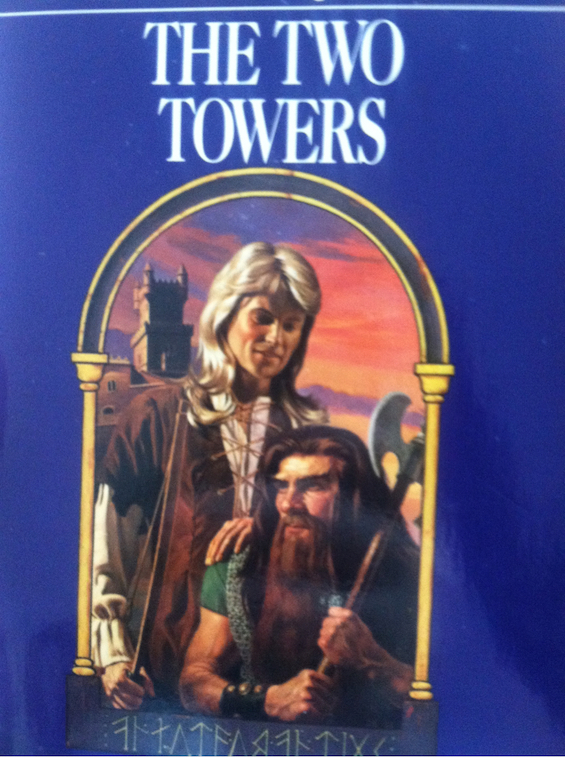
“Aragorn and Legolas went now with Eomer in the van.”
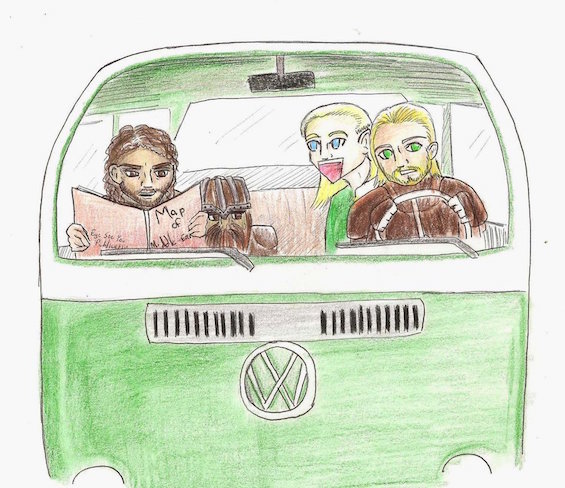
By Seth Wilson

 Going Solo



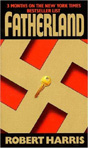 If you enjoy alternate histories be sure to check out this audio drama adaptation of
 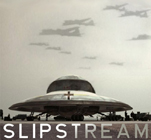 I enjoyed Slipstream. I’ve read other perhaps more original war themed science fiction stories, yet this one, in this case a cleverly conceived audio play, still sticks with me. Probably because it manages to elevate a fairly stock “secret weapons of the Luftwaffe” idea a step or two further with…sheer oomph. Slipstream is ballsy, it takes chances and the performances are good, particularly “Barton”, the mission team leader, the kind of character that you “love to hate”. Really nice production as well, rounding Slipstream out to a solid three out of four stars for me. Maybe three and a half if I’m feeling generous. See what you think.
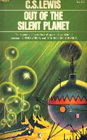 Out of the Silent Planet is the first novel of C. S. Lewis’ highly regarded “