 The SFFaudio Podcast #166 – Jesse, Luke Burrage, and Eric S. Rabkin discuss, at length, the SFF FORMS (Short Story, Novella, Novellete, Novel, Fix-up, Trilogy, World). Here’s the premise:
Science Fiction Forms: Short Story, Novella, Fix-Up, Novel, Trilogy, and World. Respectively, they might be exemplified thus: Short Story (“Mars Is Heaven!“), Novella (“Flowers for Algernon“), Fix-Up (The Martian Chronicles, which contains a revised version of “Mars Is Heaven!” or The Seedling Stars, Accelerando, and Beggars In Spain, all of which began as novellas), Novel (originals, like 1984, and derivatives like Flowers for Algernon or Varley’s novel Millennium coming from his short story “Air Raid“), Trilogy (original Foundation series), World (the ultimate Foundation world or Heinlein’s Future History [shared with others] or Banks’s Culture or LeGuin’s Hainish series [created just for the authors, but let’s not forget about fan fiction]). What are the special challenges and rewards in reading and writing in these diverse forms? What special challenges or rewards attend on reusing material in another form? Is the formal plasticity of SF unique among literary genres?
Talked about on today’s show:
Eric’s suggestion, literature with a capital “L”, The Dead by James Joyce, The Portrait Of The Artist As A Young Man, Doomsday Book by Connie Willis, Luke’s Science Fiction Book Review Podcast, the format, the themes, the variability of short story form, the feghoot, Day Million by Frederik Pohl, Accelerando, Stories Of Your Life And Others by Ted Chiang, The Tower Of Babel, stripped away vs. embellished to the nth degree, Flowers For Algernon by Daniel Keyes, Understand by Ted Chiang, The Bells by Edgar Allan Poe, The Black Cat, fantasy, the unexplicit story, valid reactions, the etymology of “text”, Earth Abides by George R. Stewart, a persuasive existential journey, The Scarlet Plague by Jack London, San Fransisco, short stories as objects of frivolity or training, the brilliance of an idea is not always enough, a novel can act as a community to an individual, Fahrenheit 451 by Ray Bradbury vs. The Fireman by Ray Bradbury, is the novel inherently more participatory than a short story?, the failure of technology vs. the power of nature, The Masque Of The Red Death, teaching Science Fiction with short stories and novels, The Science Fiction Hall Of Fame (Volume 1), the composite novel, Winesburg, Ohio by Sherwood Anderson, A.E. van Vogt, the fix-up, The Martian Chronicles by Ray Bradbury, Accelerando by Charles Stross, Lobsters by Charles Stross, the cat changes function, “an intellectual framework”, Robert A. Heinlein’s future history, the composite novel, Isaac Asimov, future history vs. psychohistory, Michael Moorcock, I, Robot, Robbie, the three laws, Stephen Byerly and Susan Calvin, unAsimovian assumptions, the full dose of SF, Reason, The Evitable Conflict, is Stephen Byerly a robot or a man?, the Mérode Altarpiece (a medieval iconographic trope), art history, Luke doesn’t think Asimov is that clever, R. Daneel Olivaw, the three laws are fairytale laws, positronic brains are positive, the three laws are for people (not just robots), The Bicentennial Man, Asimov’s powers, Asimov’s business acumen, Brandon Sanderson, shared worlds, gods, Mormonism, Daniel Clowes, The Death Ray, Elantris, “The Alexandria Quartet” by Lawrence Durrell, reading The Martian Chronicles backwards, Luke’s fiction, Alastair Reynolds, Sherlock Holmes, Baker Street Irregulars, whodunit ain’t the attraction, The Adventure Of The Speckled Band, a matter of cutting, A Clockwork Orange, it’s better without the extra chapter, the commercial effect (or the effect of commercialism), popular literature, the flabby novel, Robert J. Sawyer, Hominids, Calculating God, William Shakespeare, The Royal Ontario Museum, horse evolution, God needs a starship!?, where to find a paleontologist, “a hundred pages of nothing happening”, a circular argument, writing to the story’s demands, Kevin J. Anderson, commercial constraints shouldn’t be points of pride, the thickness of books, The Lord Of The Rings, does more succinct = more better?, novellas are novels with threads missing?, The Hobbit, the ambition of the author, Luke is rejecting the basic premise, The Stand by Stephen King, is it a better story short or long?, changes and updates and additional material, don’t let Asimov near a typewriter unless you want something written, Against The Fall Of Night by Arthur C. Clarke, The City And The Stars, expanding everything, Monster Story, “it came to me in a dream”, Minding Tomorrow, Nightfall (the short story) vs. Nightfall (the novel), “it’s a lot like a perfectly nice novel that eventually becomes a masterpiece”, The Lion of Comarre, it’s not a commercial podcast, a civil rowdiness, Eric’s Coursera course: Fantasy and Science Fiction: The Human Mind, Our Modern World, rechunking, forums, essays, 18,000 registered students, University of Michigan, only the competitors are qualified to judge the competitors, a history of the U.S. Civil War, Luke’s kitchen, grades, “there is no absolute abstract grade for anything”, Science Fiction and Politics (Courtney Brown), the governor of a steam engine, Luke confuses two professors, “yes, by golly, that was a very good thing of it’s kind”, The Odyssey by Homer, a foundational classic, The Bible, the Benjamin Franklin bible, there should be an SFBRP review of The Odyssey, Luke’s Matthew Mark Luke Skywalker, Star Wars, Joseph Campbell, time for coffee!


Posted by Jesse Willis

 The Skull


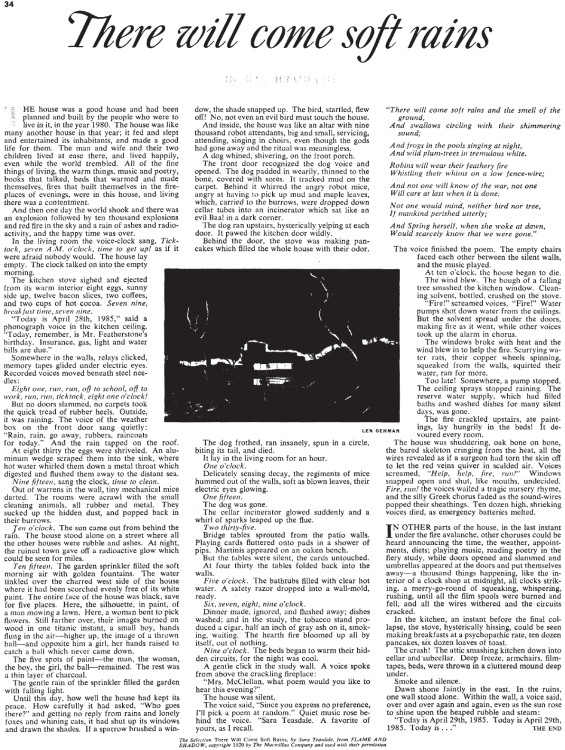
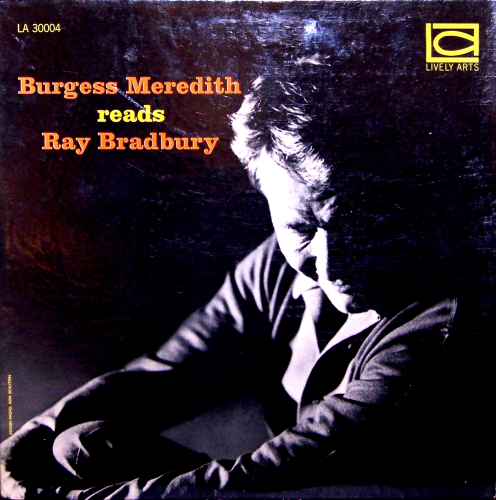

 Dimension X – There Will Come Soft Rains
 X-Minus One – There Will Come Soft Rains (and Zero Hour)